Grandma Bettys NeverFail Chicken Noodle Soup Comfort in a Bowl
This traditional bowl relies on a combination of celery, carrots, and onions to build a foundation that tastes exactly like a classic childhood family dinner.
traditional grandma style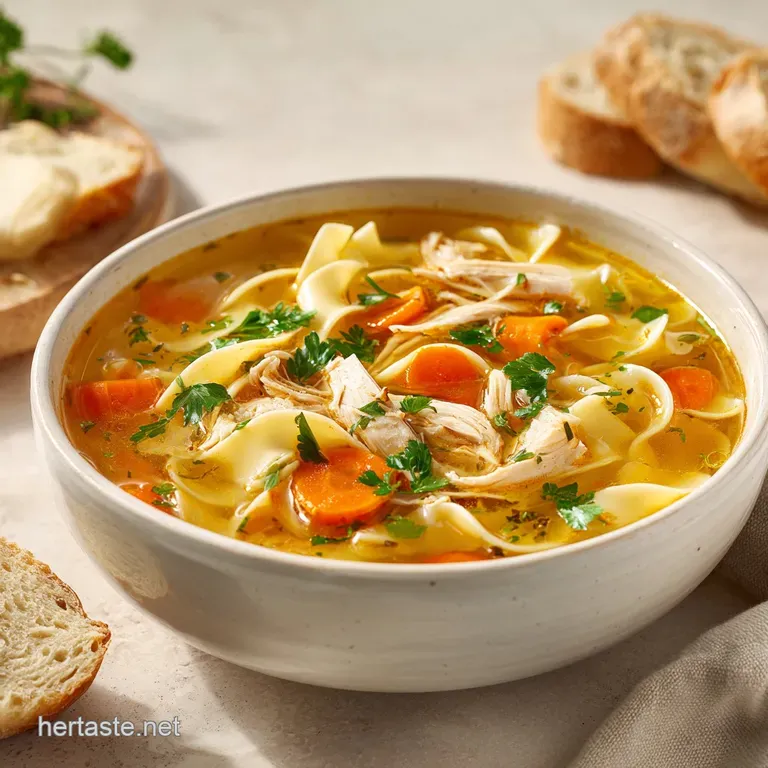
Chicken soup remains the standard for home-cooked comfort because it balances a light broth with the hardiness of noodles and vegetables. Whether you are simmering a whole bird or using chicken breast, the goal is a clear, flavorful liquid that coats the noodles perfectly without becoming greasy.
Preparing these recipes at home allows for total control over the sodium and the texture of the vegetables. While traditional methods take time, modern shortcuts like using pre-cooked chicken or store-bought stock can produce a satisfying bowl in a fraction of the time.
Traditional versions of this soup often start with a whole bird or bone-in pieces to create a yellow, gelatin-rich broth. These recipes emphasize patience, allowing the vegetables to soften completely and the meat to pull away easily from the bone for a hearty result.
Simmering the bones with aromatics like bay leaves and peppercorns extracts the most flavor, which is essential when you want a broth that stands up to thick noodles. These scratch-made options are ideal for weekend cooking when you can let the pot bubble on the stove.
This traditional bowl relies on a combination of celery, carrots, and onions to build a foundation that tastes exactly like a classic childhood family dinner.
traditional grandma styleStarting from scratch ensures a simmered broth with deep complexity, creating a soul-soothing experience that far exceeds the quality of canned soup alternatives.
simmered from scratchThis scratch-made remedy focuses on a deeply savory broth that serves as a restorative base, offering a much richer profile than standard convenience options.
deeply savory brothWhen time is limited, using quick-cooking egg noodles allows you to get a pot on the table in under an hour. These variations simplify the process by using efficient cutting techniques and higher heat to soften the mirepoix quickly.
Focusing on chicken breast or pre-shredded meat ensures the protein stays tender without requiring a long simmer. These recipes provide the same warmth as traditional versions but fit into a busy evening schedule.
A quick and efficient method that utilizes widely available egg noodles, making it one of the most accessible options for a fast afternoon meal.
classic egg noodlesDesigned for maximum speed, this 35-minute method delivers a hearty bowl of chicken and noodles without requiring hours of simmering on the stovetop.
under 60 minutesNanas version emphasizes a nourishing broth and tender egg noodles, specifically designed to be easy on the stomach while providing essential hydration and warmth.
nourishing for coldsTexture plays a major role in how satisfying a soup feels, and nothing compares to the bite of fresh pasta. Taking the manual approach to kneading and cutting your own egg noodles results in a silky texture that absorbs the broth much better than dried alternatives.
These recipes guide you through balancing the flour and egg ratio to ensure the noodles don't disintegrate in the hot liquid. The added starch from fresh noodles also naturally thickens the soup slightly, creating a more cohesive dish.
This recipe focuses on the art of dough, producing silky, hand-cut noodles that provide a superior texture compared to any store-bought dried pasta variety.
silky homemade noodlesThis version levels up the base by using a rich homemade stock, resulting in a more concentrated savory flavor that coats every noodle perfectly.
rich homemade stockAdding heat or specific nutrients can change the entire profile of a classic bowl. Incorporating ingredients like ginger and chili provides a sharp contrast to the savory chicken, making the soup feel lighter and more vibrant.
For those looking for a nutrient-dense option, focusing on lean protein and whole-grain noodles offers a restorative meal that doesn't feel heavy. These variations are particularly useful when you want a bowl that feels fresh rather than just rich.
Using lean protein and whole grains, this version provides a lighter alternative that maintains the classic flavor profile while focusing on nutrient-dense ingredients.
lean protein and grainsA punchy addition of ginger, garlic, and chili flakes brings heat to the bowl, making this the ideal choice for a bold, Southeast Asian-inspired twist.
ginger and chili heat| # | Recipes | Best For | Time | Difficulty |
|---|---|---|---|---|
| 1 | Grandmas Best Chicken Noodle Soup | Traditional family dinners | 45 mins | Intermediate |
| 2 | Grandmas Scratch-Made Comfort | Cold winter days | 75 mins | Intermediate |
| 3 | Nans Remedy Truly Homemade Soup | Restoring energy | 70 mins | Intermediate |
| 4 | Grandmas Hug Egg Noodle Soup | Quick rainy day lunches | 40 mins | Easy |
| 5 | Grandmas Easiest Chicken and Noodles | Busy weeknights | 35 mins | Easy |
| 6 | Nanas Chicken Soup with Egg Noodles | Nursing a common cold | 45 mins | Easy |
| 7 | Grandmas Homemade Noodles | Weekend cooking projects | 90 mins | Advanced |
| 8 | Grandmas Chicken Noodle But Better | Special occasions | 120 mins | Intermediate |
| 9 | Healthy Chicken Noodle Soup | Nutrient-dense meal prep | 60 mins | Easy |
| 10 | Spicy Chicken Noodle Soup | Clearing sinuses and bold flavor | 50 mins | Easy |
Discover more curated recipe collections
Explore more recipe collections →