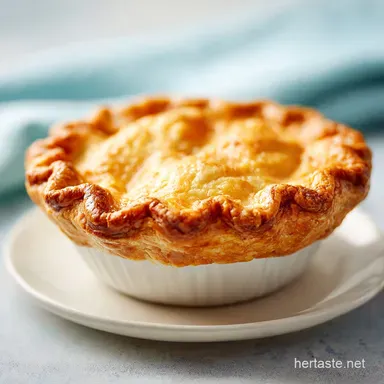
Joanna Gaines Pie Crust: Shatteringly Crisp
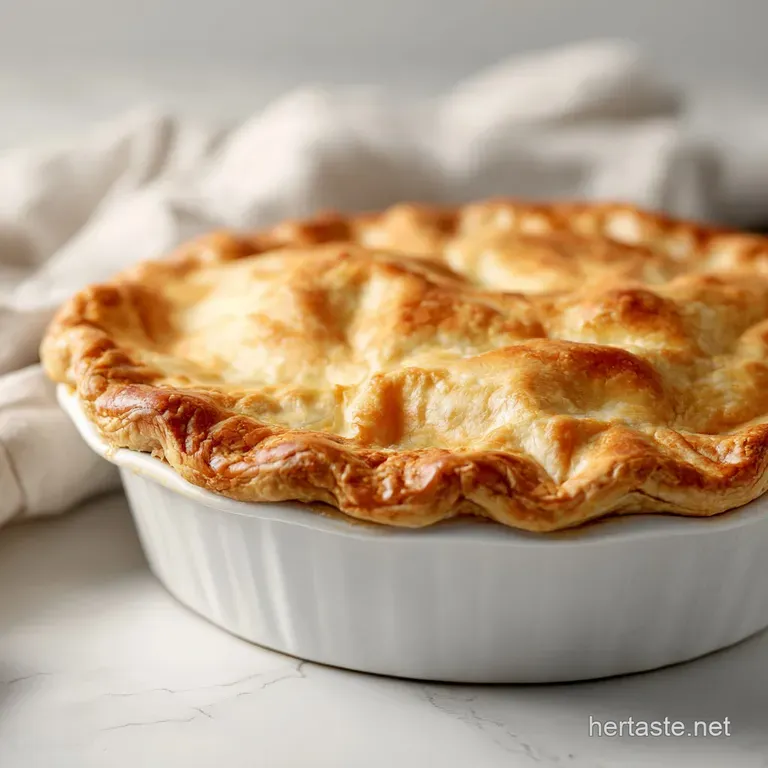
- Time:20 minutes active + 1 hour chilling = Total 1 hours 40 mins
- Flavor/Texture Hook: Shatteringly crisp with a rich, velvety butter finish
- Perfect for: Holiday gatherings, weekend baking, or a cozy seasonal treat
I can still smell the scent of cold butter and salted flour from the first time I tried this in October. It was one of those crisp mornings where the house felt a bit too quiet, and I wanted something that felt like a hug in oven baked form.
I remember the specific sound of the pastry cutter hitting the bowl, that rhythmic "clack clack clack" as I worked the butter into the flour, feeling the mixture transform from sandy grains into those little pea sized lumps.
There's something about the joanna gaines pie crust recipe that just feels right for a family table. It's not about being fancy or using a professional kitchen, it's about that rustic charm.
Whether you're filling it with tart berries or a savory quiche, the goal is a crust that shatters when your fork hits it, leaving that buttery aroma lingering in the air.
You're going to love how simple this is, but trust me, don't rush the chill time. I once tried to skip the fridge wait because I was too excited to eat, and my crust shrank down the sides of the pan like a sad sweater. We've all been there, but this time, we'll do it right. Let's crack on.
Perfect Joanna Gaines Pie Crust Recipe
- Butter Pockets
- Tiny chunks of cold butter melt during baking, leaving behind air gaps that make the crust shatter.
- Gluten Rest
- Chilling the dough relaxes the proteins, which prevents the crust from shrinking or becoming tough.
- Hydration Control
- Adding ice water slowly ensures the dough clumps without becoming a sticky paste.
- Temperature Lock
- Using chilled ingredients keeps the fat solid until it hits the high heat of the oven.
| Method | Time | Texture | Best For |
|---|---|---|---|
| Melted Fat (Shortcut) | 10 mins | Mealy, crumbly | Tartlets or cookie like bases |
| Cold Cut Butter (Authentic) | 20 mins | Flaky, layered | Traditional pies and quiches |
Right then, let's look at what's actually happening inside the bowl. When you use a high fat approach, you're essentially creating a barrier between the flour particles. This is what gives you that rustic, comforting feel rather than a hard, cracker like shell.
Ingredient Deep Dive
| Ingredient | Science Role | Pro Secret |
|---|---|---|
| All Purpose Flour | Structure | Chill your measuring cup to keep flour cool |
| Unsalted Butter | Flakiness | Freeze cubes for 10 mins before mixing |
| Ice Water | Binder | Add a pinch of sugar for a golden hue |
| Salt | Flavor Balancer | Use fine sea salt for even distribution |
Honestly, don't even bother with low-fat butter here. You need that full fat content to get the velvety mouthfeel and the structural integrity that supports a heavy filling.
The Essential Gear
For this one, you don't need a fancy stand mixer, though a KitchenAid works if you're cautious about overmixing. A large mixing bowl and a pastry cutter are your best friends. If you don't have a cutter, a heavy duty fork works just fine, though it takes a bit more elbow grease.
I also highly recommend a rolling pin and a piece of parchment paper. Rolling the dough between two sheets of parchment prevents it from sticking to the counter, meaning you won't have to dump a mountain of extra flour on your surface, which can make the crust tough.
Making the Dough
- Whisk together the 2 1/2 cups all purpose flour and 1 tsp salt. Note: Ensure there are no clumps of salt for a uniform taste.
- Add 1 cup unsalted butter, chilled and cubed. Use a pastry cutter to work the butter into the flour until the mixture resembles coarse crumbs with pea sized lumps remaining.
- Drizzle in 1/4 cup to 1/2 cup ice water, one tablespoon at a time. Toss gently with a fork after each addition.
- Stop adding water as soon as the dough begins to clump together. Note: Over hydrating leads to a sticky mess.
- Divide the dough into two equal discs.
- Wrap each disc tightly in plastic wrap.
- Refrigerate for 1 hours. Note: This is non negotiable for a flaky result.
- Roll the chilled dough into a 12 inch circle on a floured surface.
- Gently press the dough into a 9 inch pie dish.
- Bake 20 minutes until golden and crackling (if pre baking).
Fixing Common Issues
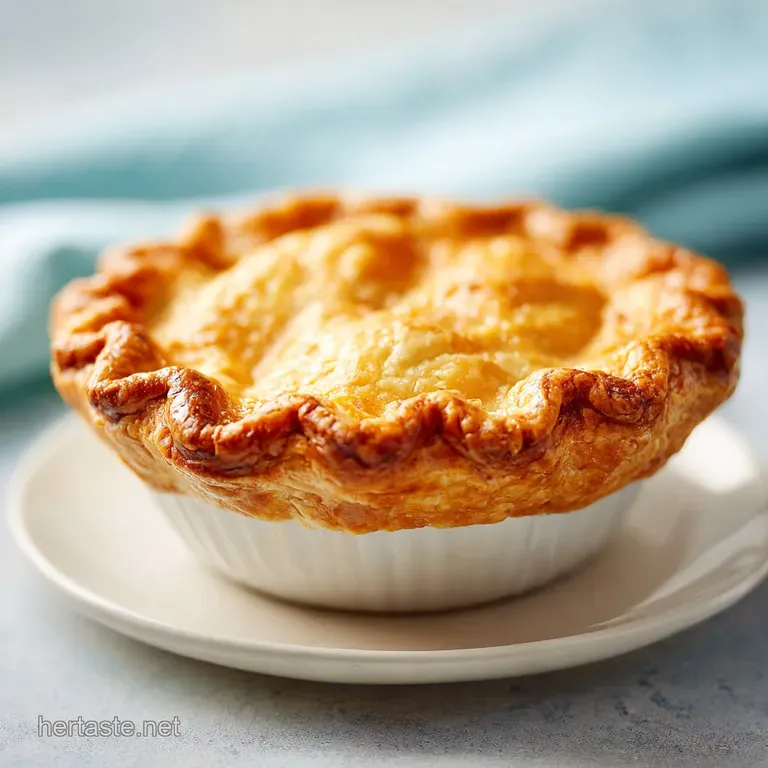
But what about the sogginess? We'll get to that. Most issues with pie dough come down to temperature. If the butter melts before it hits the oven, you lose all those layers. If you find your dough is behaving badly, you can usually fix it with a quick trip back to the freezer.
If you're struggling with a dough that feels too "shaggy", check out my flaky buttery crust for a few more tips on hydration.
The Dough is Too Crumbly
This usually means you didn't add enough ice water. The flour isn't fully hydrated, so the dough won't hold its shape when you roll it.
The Dough is Sticky or Tearing
This happens when the butter gets too warm or you've added too much water. Your hands might be warming the dough up as you work.
The Crust Shrinks Down the Sides
This is a classic sign of "stressed" gluten. If you roll the dough too aggressively or don't let it chill, it will snap back during baking.
| Problem | Root Cause | Solution |
|---|---|---|
| Crumbly Dough | Under hydrated | Add 1 tbsp ice water at a time |
| Sticky Dough | Over worked/Warm | Chill for 15 mins before rolling |
| Shrinking | No resting time | Let the rolled crust sit 10 mins before baking |
Common Mistakes Checklist:
- ✓ Did you keep the butter chilled until the last second?
- ✓ Did you stop mixing the moment the dough clumped?
- ✓ Did you let the discs rest for at least 1 hour?
- ✓ Did you avoid kneading the dough like bread?
Tasting Different Twists
You can easily adapt this joanna gaines pie dough recipe for different moods. For a savory version, I love adding a tablespoon of chopped fresh rosemary or thyme to the flour. This is a great choice if you're using the joanna gaines pie crust for quiche.
For something sweet, try a cinnamon sugar twist. Sprinkle a bit of cinnamon into the flour mix. This pairs brilliantly with a classic Apple Pie filling.
If you want a different fat profile, you can do a shortening blend. Replace 1/2 cup of butter with 1/2 cup of vegetable shortening. The butter provides the flavor, while the shortening provides an even more reliable, shatter like crispness.
Adjusting the Batch
If you're just making a small tart, you can easily scale this down. For a half batch, use 1 1/4 cups flour and 1/2 cup butter. Reduce your chill time to about 45 minutes, as the smaller mass cools faster.
When scaling up for multiple pies, don't just multiply the water by four. Work in batches. Liquids behave differently in large volumes, and it's very easy to accidentally over hydrate a double batch of joanna gaines homemade pie crust recipe.
Kitchen Myths
Myth: You must use a food processor for the best crust. Truth: While it's faster, a food processor can overwork the gluten in seconds. Doing it by hand with a pastry cutter ensures those butter lumps stay intact.
Myth: Adding an egg to the crust makes it flakier. Truth: Eggs actually add protein, which can make the crust more "bread like" or sturdy. For a shatter crisp texture, stick to water and butter.
Storage and Scraps
Store your unbaked dough discs in the fridge for up to 3 days. For longer storage, wrap them in plastic and then foil, and they'll stay fresh in the freezer for 3 months. To use, let them thaw in the fridge overnight.
Don't throw away those dough scraps! Gather them up, roll them flat, and sprinkle them with cinnamon and sugar. Bake them at 400°F (200°C) for 8-10 minutes for a quick rustic snack while the main pie is in the oven.
Final Flourish
To get that professional look, use a fork to crimp the edges of the joanna gaines all butter pie crust recipe. It adds a rustic, homemade charm that looks beautiful on a wooden serving board.
For a velvety finish, brush the edges with a beaten egg (egg wash) and sprinkle a little coarse sugar on top before baking. It creates a glimmering, golden crust that makes the whole dish feel special. Trust me, it's the little details that bring the joy to the table.
Recipe FAQs
What makes the flakiest pie crust?
Keeping the butter chilled and in pea-sized lumps. If you enjoyed mastering the chilled fat technique here, see how the same principle works in our classic pumpkin pie.
Is it true that shortening makes a flakier crust than butter?
No, this is a common misconception. Butter provides superior flavor and creates the distinct flaky layers as the cold fat melts and releases steam in the oven.
How to handle leftover dough scraps?
Roll them flat and sprinkle with cinnamon and sugar. Bake them at 400°F for 8-10 minutes for a quick rustic snack while the main pie is in the oven.
How to stop the dough from becoming tough?
Add ice water one tablespoon at a time. Tossing gently with a fork and stopping as soon as the dough clumps prevents overworking the gluten.
Can I freeze the pie crust dough for later?
Yes, wrap discs in plastic and then foil. They will stay fresh in the freezer for up to 3 months; just thaw them in the fridge overnight before using.
What is Martha Stewart's favorite pie crust recipe?
She typically favors a traditional butter-based crust. Much like this recipe, she emphasizes keeping all ingredients ice-cold to ensure a light, airy texture.
What pie crust does Ina Garten recommend?
She recommends a rich, butter-heavy crust. This approach mirrors the use of a full cup of chilled butter in this recipe to achieve a professional, flaky finish.
Joanna Gaines Pie Crust Recipe: Buttery