Lemon Cheesecake with Tart Lemon Curd Topping
- The Science Behind A Flawlessly Baked Cheesecake
- Gathering Your Components: Ingredient Notes and Preparation
- Phase-by-Phase Method: From Crust to Curd
- Professional Secrets for Cheesecake Success
- Maximizing Freshness: Storing Your Dessert
- Enhancing The Lemon Cheesecake Experience
- Recipe FAQs
- 📝 Recipe Card
Forget everything you thought you knew about cheesecake. When this Lemon Cheesecake is baking, the scent that fills your kitchen that perfect blend of buttery crust and bright, concentrated citrus is honestly addictive.
It’s not just a dessert; it’s a promise of spring, a vibrant slice of pure happiness that lifts your spirits every single time.
Let’s be real, a lot of folks assume Lemon Cheesecake is tricky, involving hours of work and the dreaded cracked top. But this particular method? It’s a total lifesaver.
We use low and slow baking combined with a crucial water bath technique, which turns out a showstopping dessert that looks complicated but is surprisingly achievable.
So ditch the boxed mixes and the no-bake shortcut recipes that taste like flavored gelatin. We’re aiming for creamy luxury with the sharp, clean counterpoint of a homemade tart lemon curd.
If you’re ready for the best Lemon Cheesecake recipe you’ve ever tasted, let’s crack on.
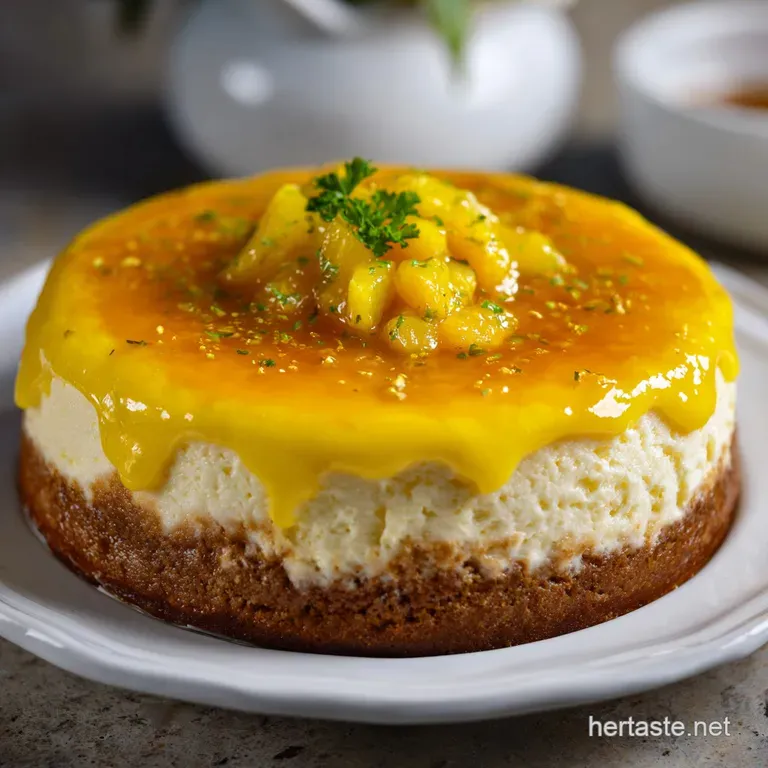
The Science Behind A Flawlessly Baked Cheesecake
The difference between a sad, cracked, dense puck and an ethereal, silky Lemon Cheesecake comes down entirely to temperature control and ingredient patience. We aren't just following steps here; we are controlling thermodynamics.
The key is ensuring the cake bakes uniformly from the edges inward, and then cools even slower than it baked. That’s the magic trick for perfect texture and a crack free surface, ready for our topping. This recipe for Lemon Cheesecake prioritizes patience over speed.
Why We Choose a Crisp Digestive Biscuit Base
I’ve tried the graham cracker base, sure, but for this specific Lemon Cheesecake , I always circle back to the classic digestive biscuit. They crush down beautifully and absorb the melted butter without turning oily.
They give you a satisfying shatter when you slice into the finished product, providing the perfect counterpoint to the velvet smooth filling. Melted butter is essential here; it binds the crumbs tightly, making sure the crust stays put, rather than crumbling apart when you serve it.
Defining the Perfect Creamy Filling Texture
The creamy texture in this Lemon Cheesecake comes from three key ingredients working in harmony: the massive amount of full fat cream cheese, the richness of the eggs, and the essential tang of sour cream. Sour cream (or crème fraîche) is a secret weapon.
It prevents the cream cheese from seizing up and drying out, ensuring that meltingly soft, almost custardy interior. Oh, and every ingredient must be at room temp! If your cream cheese is cold, you will get lumps, guaranteed.
The Essential Brightness of Homemade Curd Topping
A plain baked cheesecake is lovely, but a truly great Lemon Cheesecake demands that zingy contrast. We’re making a dedicated, vibrant lemon curd to spoon over the top. This isn't just a flavor enhancer; it's a structural necessity.
The acidity of the curd cuts through the richness of the cheese filling, making the dessert feel lighter and fresher. Plus, if you do get a tiny surface crack, the curd hides it perfectly! No one needs to know your secrets. This Cheesecake with Tart Lemon Curd is truly special.
Balancing Sweetness and Zest: Achieving the Optimal Flavor Ratio
When designing the ultimate Lemon Cheesecake, we have to fight the tendency for the filling to become too sweet and muted. That’s why we use fresh lemon zest in abundance. Zest holds the oils the real flavor whereas juice just provides acidity.
We keep the sugar content for the filling stable but rely on the highly acidic, much sharper Tart Lemon Curd topping to deliver that powerful citrus punch that defines a superior Lemon Cheesecake .
Utilizing the over Low heat Water Bath Technique for Even Baking
The bain marie, or water bath, is non-negotiable for this particular Lemon Cheesecake . Why? Water conducts heat gently and steadily, preventing the exterior edges of the cake from setting and drying out before the center is cooked.
This environment creates steam, which keeps the surface moist, allowing the entire cake to rise and set evenly, minimizing tension, and ultimately, preventing those ugly cracks.
The Crucial Role of Slow, Ambient Cooling
Here is where I made my biggest mistake back in the day: pulling the cheesecake out of the oven immediately. Disaster. Think of your cheesecake as a very temperamental soufflé. It’s hot and expanded.
If you move it from 325°F (160°C) straight to a cold counter, the drastic temperature change causes the center to contract rapidly, creating a massive fissure. We cool the Lemon Cheesecake slowly, right there in the turned off oven, giving it an hour to adjust gently.
Gathering Your Components: Ingredient Notes and Preparation
You don't need fancy equipment, but you do need attention to detail. This isn't a dump and stir recipe. Getting these simple ingredients ready is half the battle for a successful Lemon Cheesecake .
Selecting the Best Zesting Citrus
Always buy organic, unwaxed lemons for zesting. Since you are using the skin, you want the cleanest possible product. Use a microplane it’s the only tool that gives you fine, fluffy zest without grabbing the bitter white pith.
I use three to four massive lemons for the filling and another one for the curd. That's the secret to a really bright flavor profile in this Lemon Cheesecake .
Ensuring Dairy Ingredients are at Room Temperature
This is the most critical instruction, I cannot stress this enough. Cold cream cheese is stiff, and you’ll have to beat it harder to smooth it out. Beating it hard incorporates too much air. Too much air means cracks.
Take the cream cheese, eggs, and sour cream out 90 minutes before you plan to mix. If you forget, pop the wrapped cream cheese bricks in a warm (not hot) water bath for 15 minutes.
This ensures the filling for your Lemon Cheesecake will be smooth.
Swapping the Base: Alternatives to Digestive Biscuits
I know not everyone keeps digestive biscuits on hand. No sweat, we have options!
| Original Ingredient | Recommended Substitution | Notes |
|---|---|---|
| Digestive Biscuits | Graham Crackers | Use the exact same quantity of crumbs. |
| Digestive Biscuits | Shortbread Cookies | Use 1 2 Tbsp less melted butter, as shortbread is inherently fattier. |
| Sour Cream | Crème Fraîche | An excellent, slightly richer substitute for this Lemon Cheesecake . |
| Sour Cream | Full Fat Greek Yogurt | Make sure it is full fat; thinner yogurt will alter the texture. |
Phase-by-Phase Method: From Crust to Curd
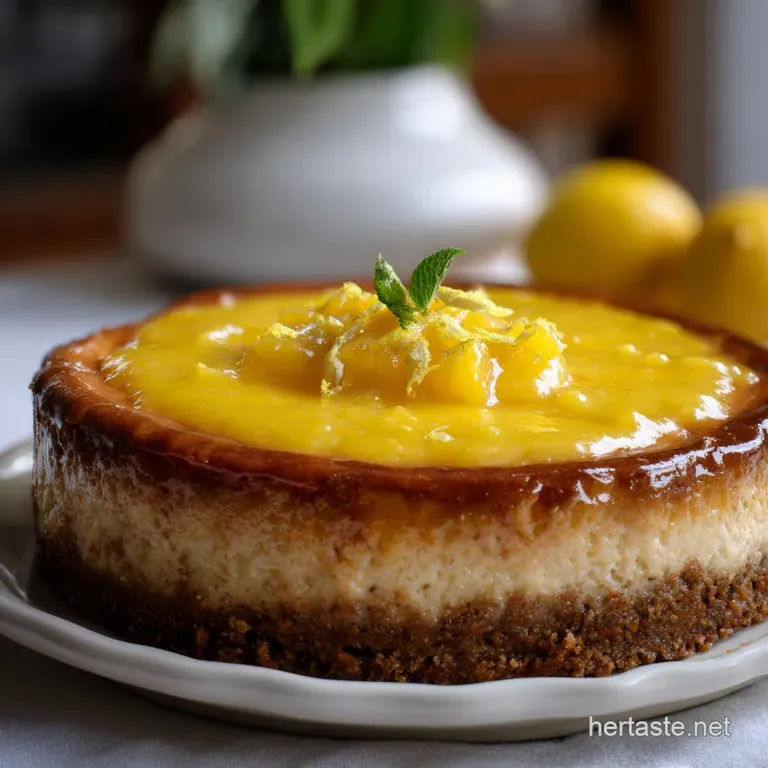
This recipe takes patience, but the steps themselves are straightforward. Follow these stages exactly, especially the low-speed mixing, for the ultimate creamy Lemon Cheesecake .
Preparing the Sealed Pan and Pressing the Crust
The first thing you must do is seal your 9 inch springform pan. Use two large pieces of heavy duty aluminum foil and wrap the entire exterior of the pan, bringing the foil up and over the edges. You are creating a boat to keep the water bath OUT.
Then, mix the crushed biscuits with melted butter and sugar until the texture resembles wet sand. Press this mixture firmly into the bottom and 1 inch up the sides. Chill it immediately while you move on to the filling for your Lemon Cheesecake .
Blending the Silky, Crack Free Filling
Start with the room temperature cream cheese. Beat it on the lowest possible speed (setting 1 or 2) until it is silky smooth this takes longer than you think, maybe 3 full minutes. Slowly add the sugar and cornflour (cornstarch), mixing only until combined.
Then, introduce the sour cream, lemon zest, and juice. Finally, the eggs. Add them one at a time, mixing only until the yellow streak of the egg yolk has just disappeared into the mix. Stop mixing. Seriously, stop. We want minimal air in this delicious Lemon Cheesecake batter.
Chef’s Note: Cornflour (cornstarch) is your insurance policy. It acts as a stabilizer, helping the proteins set smoothly and reducing the chance of a crack forming during the cooling process. Don't skip it!
Perfecting the Tart Lemon Curd Finish
While the Baked Lemon Cheesecake is chilling, you'll whip up the curd. This is simple, but requires constant attention. Whisk the eggs, yolks, sugar, juice, and zest together over a simmering saucepan of water (a double boiler is best). Keep stirring until the mixture coats the back of a spoon and feels thick it should reach about 180°F. Immediately remove it from the heat, and whisk in the cold, cubed butter one piece at a time. The cold butter emulsifies beautifully, giving the curd that incredible sheen and richness. Don't forget to push the finished curd through a sieve to guarantee a super smooth texture. This is what truly elevates this particular Lemon Cheesecake . If you love bright lemon flavors, you might also enjoy making my Dutch Baby Pancake: Lemon Powdered Sugar, Showy Oven Brunch .
Professional Secrets for Cheesecake Success
I learned these tips the hard way, usually involving a lot of swearing and half baked experiments that ended up in the bin. This knowledge is essential for every Lemon Cheesecake baker.
Preventing Cracks: The Gentle Mixing Rule
If you take only one piece of advice today, let it be this: Do not incorporate too much air. Overmixing is the number one enemy of a smooth top Lemon Cheesecake .
Air expands drastically in the oven and then collapses rapidly upon cooling, causing the structural breakdown that leads to a crack. Use a low speed and mix only until necessary. Once the eggs go in, a rubber spatula is often safer than the electric mixer!
How to Tell When the Cheesecake is Done Baking
You are not looking for a firm, dry cake. You are looking for a gentle, hypnotic wobble. Bake for the specified 65- 70 minutes at 325°F (160°C). When you nudge the pan gently, the outer two inches should be set and slightly puffed, but the center 2 3 inches should still wobble like firm jelly.
If the entire cake is firm, you've overbaked it, and it will likely crack. This is the crucial moment for any Lemon Cheesecake recipe.
Demystifying the Water Bath Setup
It might seem tedious, but the water bath is essential for the Best Lemon Cheesecake Recipe . Once your foil wrapped pan is in the roasting dish, place it in the oven before you add the water.
Then, carefully pour boiling water into the roasting pan (not the springform pan!) until it reaches halfway up the sides of the foil. This prevents burns and spills. The steam will work its magic, protecting your beautiful Lemon Cheesecake .
Maximizing Freshness: Storing Your Dessert
Once you have invested this much time and effort into creating this beautiful Lemon Cheesecake , you want to ensure it stays perfect for serving!
Short Term Refrigeration Guidelines
Always keep your baked Lemon Curd Cheesecake covered once it’s fully chilled. Plastic wrap or an airtight dome works perfectly. Stored in the refrigerator, this dessert is at its absolute peak for 4 to 5 days.
After that, the crust might start to soften slightly, but the filling remains delicious.
Safely Freezing Slices of Baked Dessert
Yes, you can freeze cheesecake! But do it before you add the Tart Lemon Curd topping. Cut the chilled, baked Lemon Cheesecake into slices (or keep it whole), wrap it extremely tightly in cling film, and then wrap that entire thing in aluminum foil.
This dual layer protects against freezer burn. It will last perfectly for up to 2 months.
Thawing and Serving Frozen Cheesecake
When you want to serve your frozen Baked Lemon Cheesecake , transfer the still wrapped slices to the refrigerator overnight to thaw slowly. This gradual defrosting keeps the texture smooth.
Once fully thawed, you can add the chilled, freshly made Tart Lemon Curd Topping , garnish, and serve. Thawed slices taste almost identical to freshly baked ones, which is a major win!
Enhancing The Lemon Cheesecake Experience
I have a few final tricks up my sleeve to truly make this Lemon Cheesecake with Tart Lemon Curd a smash hit.
Preventing Cracks: The Gentle Mixing Rule
Remember, slow and steady wins the race. The primary cause of failure in making a perfect, smooth Lemon Cheesecake is rushing the blending. This is true for all Spring Cheesecake Recipes , really.
How to Tell When the Cheesecake is Done Baking
The wobble test is everything. Don't be afraid if it looks slightly undone in the middle; the carryover heat from the oven cooling period will set that last bit of protein gently.
Demystifying the Water Bath Setup
If you don't have heavy duty foil for the water bath, use three thinner layers. The goal is to create a perfectly watertight seal, ensuring your crust stays crisp and dry underneath your glorious Creamy Lemon Cheesecake .
Short Term Refrigeration Guidelines
When chilling, ensure the Lemon Cheesecake doesn't absorb odors from your fridge. A foil cover with a piece of paper towel tucked underneath can help absorb any ambient moisture.
Safely Freezing Slices of Baked Dessert
If you decide to freeze the whole cake, make sure your springform pan is completely thawed and dried before you attempt to open the latch. You don't want ice interfering with your perfect crust on this Lemon Cheesecake.
Thawing and Serving Frozen Cheesecake
When serving this heavenly Cheesecake with Tart Lemon Curd , I love adding a few candied lemon slices for visual pop. The tang of this incredible Lemon Cheesecake is unmatched!

Recipe FAQs
Why did my baked lemon cheesecake crack on top?
Cracking is typically caused by overbaking or rapid temperature changes during cooling. To prevent this, always bake your cheesecake in a water bath (Bain Marie) to ensure stable heat, and avoid removing it immediately from the oven when done.
Turn off the oven, prop the door open slightly, and let the cake cool slowly for at least an hour before refrigerating.
How do I know when the baked cheesecake filling is perfectly set?
The cheesecake is done when the edges look set and slightly puffed, but the center (about 1 2 inches wide) still has a slight wobble, similar to firm jelly. It will continue to cook and set fully as it cools, so avoid baking until the center is completely firm, which results in a dry texture.
My lemon curd topping turned out runny. How can I fix this?
Runny curd usually indicates it was not cooked long enough to activate the thickening agents in the egg yolks. To fix this, return the curd to the saucepan and gently cook it over low heat, stirring constantly, until it thickens enough to heavily coat the back of a wooden spoon.
Alternatively, whisk in a teaspoon of cornstarch mixed with a tablespoon of cold water before reheating.
Can I freeze leftover Lemon Cheesecake?
Yes, you can freeze the cheesecake, but it is highly recommended to freeze the baked filling and base before adding the fresh lemon curd topping. Wrap the cooled cheesecake tightly in plastic wrap, then foil, and freeze for up to one month.
Thaw it slowly overnight in the refrigerator before preparing and adding a fresh curd topping.
I don't have digestive biscuits. What else works for the base?
Graham crackers (a common US alternative) or shortbread cookies are excellent substitutions that provide the necessary crisp, buttery texture. You could also use vanilla wafers or ginger snaps if you prefer a spicier note.
Ensure you use the same weight of crumbs specified in the recipe to maintain the crust-to-butter ratio.
How can I make this dessert less tart or sharp?
To reduce the overall sharpness, slightly increase the sugar content in the lemon curd recipe by 1 to 2 tablespoons, as this is where most of the tartness resides. You can also minimize the amount of lemon zest used in the main cheesecake filling, as the zest provides the strongest, most concentrated flavor.
For a creamy finish, fold a tablespoon of whipped heavy cream into the finished, chilled curd before spreading it.
Can this recipe be adapted to be gluten-free?
Absolutely, adapting this cheesecake to be gluten-free is very simple. Simply substitute the digestive biscuits for a gluten-free graham cracker or gluten-free shortbread alternative for the crust.
The filling and the curd are naturally gluten-free as long as you use standard, certified gluten-free thickeners, like cornstarch, if required.
Zesty Lemon Cheesecake Recipe
Ingredients:
Instructions:
Nutrition Facts:
| Calories | 2380 kcal |
|---|---|
| Protein | 29.0 g |
| Fat | 150.7 g |
| Carbs | 180.6 g |
