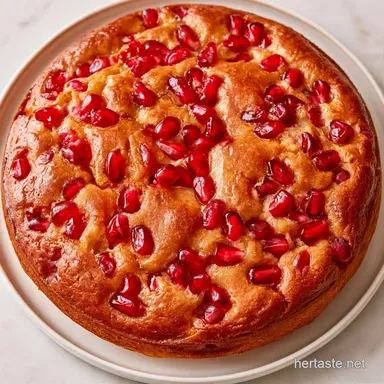
Pomegranate Upside Down Cake with Honey
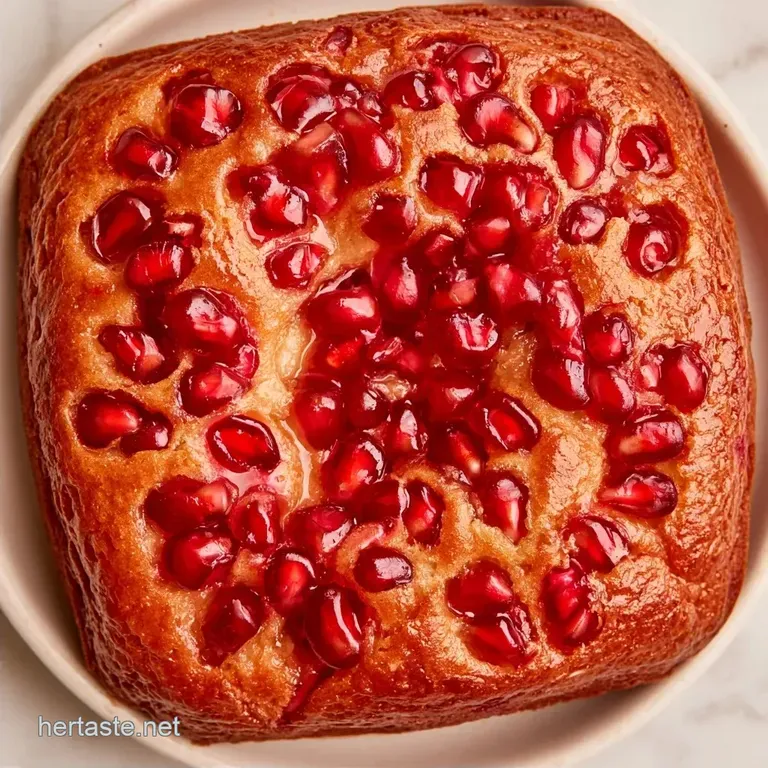
- Time: 15 min active + 40 min bake
- Flavor/Texture Hook: Tangy ruby seeds and a moist, tender crumb
- Perfect for: Sunday brunch or a vibrant dinner party centerpiece
- Pomegranate Upside Down Cake Flavor Logic
- Picking the Best Ingredients
- The Basic Cake Stats
- Necessary Kitchen Gear
- Steps to Bake and Flip
- Fixing Common Baking Issues
- Adjusting the Portion Size
- Busting Cake Misconceptions
- Storage and Waste Tips
- Best Pairing Suggestions
- Flavor Twists and Swaps
- Recipe FAQs
- 📝 Recipe Card
The first time I tried putting pomegranate seeds in a cake, they just vanished. I mixed them right into the batter, and they turned into little pink spots that tasted like nothing. I remember staring at the flat, beige sponge and feeling completely defeated.
I wanted that sharp, bright pop of fruit, but the oven had just steamed them into oblivion.
That's why I switched to the upside down method. There is something so satisfying about the sound of 300g of pomegranate seeds hitting the bottom of a buttered pan. They sit there in a pool of dark molasses, looking like handfuls of rubies, just waiting to be flipped. The result is a Pomegranate Upside Down Cake that actually looks like the fruit it's named after.
This cake isn't about overwhelming sweetness. It's a balance of the sharp acidity from the seeds and the mellow depth of coconut sugar. You'll get a cake that feels rustic and seasonal, with a bright red topping that makes it look far more complex than it actually is.
Pomegranate Upside Down Cake Flavor Logic
Molasses Glaze: Concentrated fruit sugars in pomegranate molasses provide a rich tang, ensuring the fruit doesn't taste bland after baking.
Yogurt Lift: The acidity in Greek yogurt activates the baking powder for a more airy texture while maintaining moisture without requiring extra butter.
Fruit Placement: Positioning the seeds at the bottom shields them from direct heat, allowing them to poach in the glaze rather than drying out.
| Method | Time | Texture | Best For |
|---|---|---|---|
| Classic Sugar Base | 50 mins | Sticky and Heavy | Traditionalists |
| Molasses Base | 40 mins | Tangy and Moist | Modern Palates |
The synergy between the molasses and the seeds is the key highlight here. By using molasses rather than a basic sugar syrup, you introduce a level of complexity that balances the sweetness of the cake batter.
Picking the Best Ingredients
The type of pomegranate molasses you use will impact the final result. I suggest opting for a brand made from 100% pomegranate juice with no added corn syrup to keep the flavor profile clean and sharp.
Coconut sugar is used here to provide a rustic, caramel-like nuance. Switching to white sugar will make the cake taste more traditional and bright, though you'll miss the deep, earthy undertone that balances the tart seeds.
Greek yogurt is crucial for its thickness. Thinner alternatives, such as buttermilk, can make the batter overly runny, often leading to a cake that sinks in the center. You need that thick, creamy texture to properly support the air bubbles formed by the eggs.
The Basic Cake Stats
This recipe is designed for a standard 20cm (8 inch) round cake pan. It serves about 8 people and focuses on a balanced sweetness.
The prep takes 15 minutes, and the bake time is exactly 40 minutes. Total time is 55 minutes. The internal temperature should reach about 98°C (208°F) to ensure the center is set.
Necessary Kitchen Gear
Must Have Tools
A 20cm round cake pan is the standard here. Make sure it has straight sides so the cake rises evenly. A fine mesh sifter is also key, as coconut sugar and baking powder tend to clump, which can leave bitter pockets in your cake.
Supporting Gear
I use a silicone spatula for folding the flour into the wet ingredients. Using a whisk at this stage would knock out too much air. A medium mixing bowl and a larger bowl for the wet ingredients keep the process tidy.
Steps to Bake and Flip
Time to bake this Pomegranate Upside Down Cake. The method is divided into preparing the base and then mixing the batter.
Phase 1: Building the Ruby Base
- Set your oven to 175°C (350°F). Thoroughly grease the bottom of your cake pan with a bit of butter or oil.
- In a small bowl, whisk the 28g melted butter, 45ml pomegranate molasses, and 12g honey until the mixture is smooth.
- Spoon this glaze into the bottom of the pan, spreading it evenly.
- Scatter 300g pomegranate seeds over the glaze, pressing them slightly to ensure they are set in the syrup.
Phase 2: Mixing the Aerated Batter
- Sift 190g flour, 100g coconut sugar, 5g baking powder, and 3g salt into a medium bowl. Note: Sifting prevents clumps of baking powder.
- In a larger bowl, beat 2 large eggs, 120g Greek yogurt, 60ml melted coconut oil, 5ml vanilla, and 6g lemon zest until the mixture is pale and silky.
- Using a spatula, fold the dry ingredients into the wet ones. Mix only until the flour streaks disappear; over-mixing can result in a rubbery texture.
- Carefully pour the batter over the pomegranate seeds, smoothing the top with your spatula.
Phase 3: The Bake and The Flip
- Bake for 40 minutes until a tester inserted into the middle emerges clean.
- Allow the cake to rest in the pan for 10 minutes. Run a knife around the edge, then flip it onto a plate and remove the pan.
Fixing Common Baking Issues
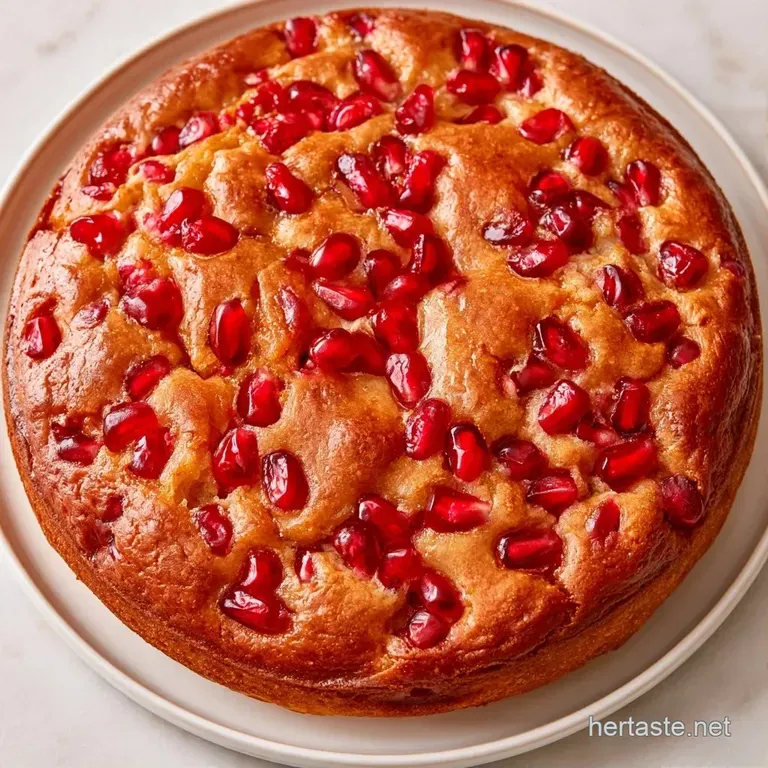
Even when following directions, a Pomegranate Upside Down Cake can sometimes be tricky. Most common problems relate to oven temperature or how the pan was prepared.
Sticking to Pan
If the cake resists leaving the pan, stay calm. Gently run a thin knife along the perimeter. If it remains stuck, heat the bottom of the pan on your stovetop for 30 seconds. This slightly liquefies the glaze, allowing the cake to slide out easily.
Sinking Center
A dip in the center often happens if the oven's heat is interrupted too soon or if the baking powder has lost its potency. Verify that your oven has reached the target temperature before baking. Additionally, avoid overmixing the batter once the flour is incorporated.
Over browned Edges
When the sides are overly dark but the middle remains undercooked, your oven may be too hot. Consider reducing the heat by 10°C during the final 10 minutes. Placing a loose piece of foil on top can also prevent the edges from scorching.
Adjusting the Portion Size
Adjusting the scale of your Pomegranate Upside Down Cake means making a few modifications to the oven settings and duration.
For a half-sized batch (in a 15cm pan), cut the baking time by roughly 20%. To handle the egg, whisk one egg in a bowl and weigh out exactly half.
For a double batch split between two 20cm pans, maintain the original temperature but add 5-10 minutes to the timer. If using a single large rectangular pan, drop the heat to 160°C (325°F) and bake for 50-60 minutes so the center sets without scorching the surface.
Busting Cake Misconceptions
Some people think pomegranate seeds make a cake soggy. That only happens if you put them in the batter. By placing them in the molasses base, they stay intact and juicy.
Another myth is that coconut sugar ruins the rise of a cake. While it is heavier than white sugar, the acidity of the Greek yogurt compensates for it. You still get a beautiful, airy lift.
Storage and Waste Tips
Keep your Pomegranate Upside Down Cake in a covered glass bowl in the fridge for up to 3 days. Since the glaze can become tacky when chilled, it's best to serve the cake at room temperature.
You can freeze any remaining slices for up to 2 months. Wrap each piece securely in parchment paper and then foil. To reheat, place a slice in the oven at 150°C (300°F) for 5-8 minutes.
To avoid waste, don't throw away the pomegranate peel. You can dry it in a low oven and grind it into a powder for teas, or simmer it with sugar to create a cocktail syrup.
Best Pairing Suggestions
This cake has a sharp, bright profile, so it pairs well with creamy or neutral sides. A dollop of mascarpone cheese or a scoop of vanilla bean ice cream balances the tartness of the seeds.
For a larger dessert spread, serve it alongside a slice of Tres Leches Cake for a contrast in textures. A cup of Earl Grey tea or a glass of chilled Prosecco also complements the floral notes of the pomegranate.
Flavor Twists and Swaps
If you want to change the vibe of your Pomegranate Upside Down Cake, you can swap a few key ingredients.
For a different fruit profile, replace the pomegranate seeds with fresh cranberries. They have a similar tartness but a firmer bite. If you enjoy the flip of this cake, you'll love my Tarte Tatin recipe for a more classic apple version.
For a dairy-free option, swap the Greek yogurt for a thick coconut yogurt. The flavor will shift slightly toward a tropical note, which actually works quite well with the pomegranate.
| Original Ingredient | Substitute | Why It Works |
|---|---|---|
| Coconut Sugar (100g) | Brown Sugar (100g) | Similar molasses notes. Note: Slightly sweeter profile |
| Greek Yogurt (120g) | Sour Cream (120g) | Similar acidity and fat. Note: Makes the crumb denser |
| Coconut Oil (60ml) | Melted Butter (60ml) | Classic fat content. Note: Adds a richer, buttery taste |
Right then, that's everything you need. This Pomegranate Upside Down Cake is all about that contrast between the deep red fruit and the golden sponge. It's rustic, honest, and tastes like the best part of winter. Just remember to be gentle when folding in the flour, and you'll have a stunning cake every time.
Recipe FAQs
How to prevent the cake from sticking to the pan?
Grease the bottom of your cake pan thoroughly before adding the glaze.
Tip: Use a paper towel to ensure every corner is coated.
Is it true that white sugar is required for the batter?
This one's false: Coconut sugar creates a deeper, caramel-like profile.
Tip: Sift the sugar with the flour to prevent small lumps.
What is the best use of pomegranate molasses?
Whisk it with melted butter and honey to create a tart, syrupy base.
Tip: Spoon any leftover molasses over a savory dish like chicken marbella for added depth.
Why did the pomegranate seeds sink during baking?
Press the seeds down slightly into the glaze to ensure they are fully embedded.
Tip: Avoid over-mixing the batter to keep the seeds from shifting.
Pomegranate Upside Down Cake in 55 Min