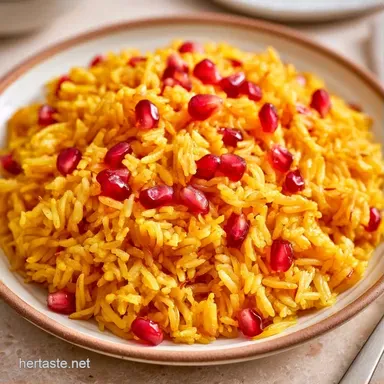
Vibrant Pomegranate Rice Pilaf
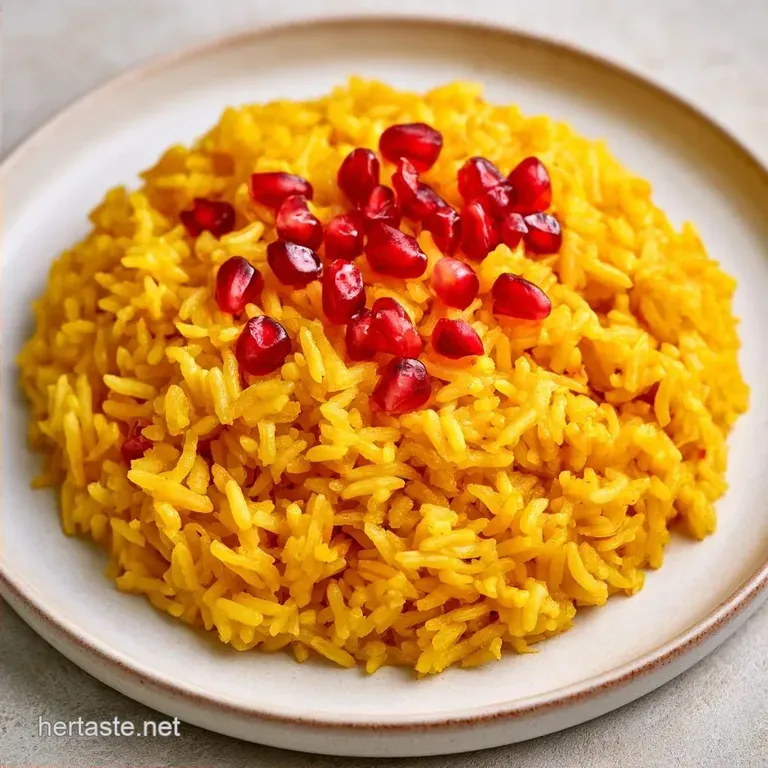
- Time: 20 min active prep + 25 min cooking
- Flavor/Texture Hook: Fluffy rice with tart, popping pomegranate seeds
- Perfect for: A show stopping side for dinner parties or a fancy weeknight meal
It all begins with the rhythmic clink of a cinnamon stick against the pot. I still remember my first attempt at a jeweled rice dish for guests, which was an absolute failure. In my haste, I neglected to rinse the rice, resulting in a sticky, clumped mess that looked more like porridge than an elegant side.
While humbling to serve, that mistake proved that the real work happens during the preparation.
These days, I view the process as a ritual. I love watching the basmati turn opaque as it toasts in olive oil, and seeing the saffron water infuse the grains with a brilliant, sunny yellow glow.
This Pomegranate Pilaf relies on a precise harmony of warm cinnamon, nutty pistachios, and the crisp, acidic pop of pomegranate.
The result is a dish that feels light yet looks opulent. It is the sort of Pomegranate Pilaf that prompts requests for the recipe before the first plate is even finished. The goal is an airy, fluffy consistency complemented by a zesty lift from fresh lemon and mint.
Vibrant Pomegranate Pilaf
The goal here is a grain that stands on its own. Most people just boil rice, but this method uses toasting and a specific resting period to ensure the Pomegranate Pilaf doesn't turn into a mushy pile. By coating each grain in oil first, we create a barrier that prevents them from sticking together.
It's a dish that balances heat and cold. The rice is warm and fragrant, while the seeds and herbs are folded in at the end to keep them fresh and vibrant. This contrast is what makes the Pomegranate Pilaf feel like a restaurant quality dish.
Why It Actually Works
- The Rinse: Washing the rice removes surface starch, which stops the grains from gluing together during the simmer.
- Oil Toasting: Sautéing the rice before adding liquid seals the exterior of the grain, ensuring the Pomegranate Pilaf stays fluffy.
- Steam Rest: Letting the pot sit off the heat redistributes the remaining moisture, which finishes the cooking process without overboiling.
Since this is a rice based dish, the method matters more than the equipment. You might find that using a Pomegranate Pistachio Salsa on the side adds an extra layer of acidity that complements the rice.
| Method | Time | Texture | Best For |
|---|---|---|---|
| Stovetop (Standard) | 45 mins | Fluffy & Defined | Daily meals |
| Rice Cooker | 50 mins | Softer & Uniform | Ease of use |
| Oven Baked | 60 mins | Slightly Nuttier | Large crowds |
Ingredient Deep Dive
Everything in this Pomegranate Pilaf has a job. If you pull one thing out, the balance shifts. For instance, the cinnamon provides an earthy base that stops the pomegranate from feeling too much like a dessert.
| Ingredient | What It Does | Best Swap |
|---|---|---|
| Basmati Rice | Provides a light, aromatic base | Jasmine rice (slightly stickier) |
| Saffron | Adds a floral aroma and gold color | Turmeric (color only, no floral note) |
| Pomegranate Seeds | Adds tartness and visual pop | Dried cranberries (sweeter) |
| Vegetable Broth | Infuses deep savory flavor | Chicken broth (richer taste) |
The choice of Basmati is intentional. It has a longer grain and less starch than short grain varieties, which is vital for the structure of the Pomegranate Pilaf.
Tools for the Job
While you don't need a professional kitchen, a pot with a heavy base is essential. Thin cookware can create hot spots that burn the rice at the bottom before the rest is finished. A Dutch oven or stainless steel pot works best.
You will also want a fine mesh strainer for rinsing the rice, as grains can easily slip through the holes of a colander. A small bowl is also recommended for the saffron infusion to allow the threads to steep properly.
Making the Dish
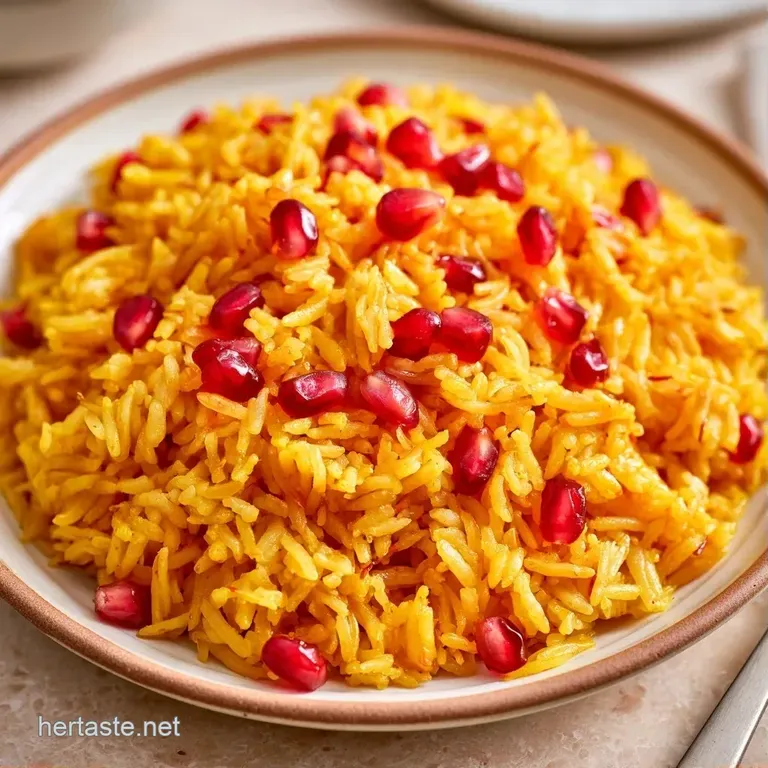
Phase 1: Prep and Rinsing
- Place the basmati rice in a fine mesh strainer. Rinse under cold water for 2-3 minutes, swirling the grains, until the water runs completely clear. Drain well. Doing this prevents the Pomegranate Pilaf from becoming sticky.
- Slightly crush the saffron threads in a small bowl and soak them in 2 tbsp of warm water. Set aside to infuse.
Phase 2: Sautéing Aromatics
- Heat olive oil in a large, heavy-bottomed pot over medium heat. Add the diced onion and sauté for 5-7 minutes until translucent and slightly golden.
- Stir in the whole cinnamon stick and minced garlic. Cook for 60 seconds until the garlic is fragrant but not browned.
- Add the drained rice. Stir for 2 minutes to toast the grains, ensuring they are well-coated in oil until they look slightly opaque.
Phase 3: Simmering and Steaming
- Add the vegetable broth, sea salt, and the saffron-infused water. Stir once to combine.
- Bring to a boil, then immediately lower the heat to the lowest setting. Cover with a tight lid and simmer undisturbed for 15 minutes.
- Remove the pot from the heat and let it rest for a few minutes. Gently fluff the rice with a fork.
Phase 4: The Final Fold
- Fold in the lemon juice, torn mint, fresh parsley, chopped pistachios, and pomegranate seeds. Serve immediately.
Chef's Tip: Use a fork to fluff the Pomegranate Pilaf rather than a spoon. A spoon may mash the grains, while a fork maintains the air between them.
Texture and Taste Fixes
Fixing Crunchy Rice
If the Pomegranate Pilaf is still a bit hard in the center, it means your lid wasn't tight enough and steam escaped. Sprinkle 2 tbsp of warm water over the top, put the lid back on, and place it on the lowest heat for another 5 minutes.
Preventing Seed Bleeding
To keep the Pomegranate Pilaf looking clean, always fold the seeds in at the very end. If you cook the pomegranate seeds with the rice, they will burst and turn the rice a muddy pink color instead of keeping those bright ruby pops.
Handling Saffron Shortages
If you don't have saffron, you can use a half teaspoon of turmeric for the color. However, you'll lose that specific floral scent. To compensate, add a tiny pinch of ground cardamom to the sauté step to keep the Pomegranate Pilaf aromatic.
Correcting Bland Flavor
If the dish tastes flat, add an extra squeeze of lemon juice. The acidity cuts through the starch of the rice and makes the pomegranate seeds taste sharper.
Adapting the Recipe
To turn this side dish into a complete meal, try a Chicken Pomegranate Pilaf. Simply sear chicken thighs in the pot first, remove them, and then prepare the rice in the same pan to capture those flavorful browned bits.
For those who love red meat, a Lamb Pomegranate Pilaf is a timeless pairing, where the savory lamb balances the fruit's acidity. If you're avoiding nuts, you can use toasted sunflower seeds instead of pistachios or just leave them out.
For another way to enjoy pomegranate, my Seared Scallops recipe is a wonderful main course to pair with this rice.
Quick Adjustments: Want more brightness? → stir in 1 tsp lemon zest More toasted flavor? → brown the pistachios in a dry pan first A lighter taste? → substitute water for broth
Storage and Waste
Keep the Pomegranate Pilaf in an airtight glass jar or plastic container in the refrigerator for a maximum of 3 days. When warming it up, stir in a bit of water or broth and cover it tightly so the steam can refresh the grains.
Freezing isn't recommended as the pomegranate seeds may lose their crunch and turn mushy. However, the rice base (without herbs or seeds) can be frozen for up to 2 months. Simply thaw and stir in fresh seeds before serving.
Instead of discarding the pomegranate rinds, you can dry them to brew a tart tea or add them to your compost. If you have extra pistachios, chop them and sprinkle them over your morning porridge.
Great Pairing Ideas
This Pomegranate Pilaf is a versatile side. It works best with proteins that have a savory, charred exterior. Grilled halloumi or roasted cauliflower with cumin are fantastic vegetarian options.
If you are serving fish, a piece of pan seared salmon with a honey glaze pairs well with the tartness of the Pomegranate Pilaf. The acidity in the rice cleanses the palate between bites of fatty fish.
For a full Middle Eastern spread, serve the Pomegranate Pilaf with a side of hummus and a crisp cucumber salad. The temperature difference between the warm rice and the cold salad makes the meal feel complete.
| Servings | Rice Amount | Broth Amount | Total Cook Time |
|---|---|---|---|
| 2 People | 2/3 cup | 1 cup | 22 mins |
| 6 People | 2 cups | 3 cups | 25 mins |
| 12 People | 4 cups | 5.5 cups | 30 mins |
Common Rice Myths
Many believe that searing rice in oil "locks in" nutrients, but this is a myth. Toasting is actually done to enhance the flavor and texture, giving the Pomegranate Pilaf a nutty character that boiling alone cannot produce.
Another common misconception is that you should stir the rice while it simmers. Doing so releases more starch, which can make your Pomegranate Pilaf sticky. Once you replace the lid, leave the pot undisturbed until the resting period is finished.
You are now ready to make a fantastic Pomegranate Pilaf. Just remember to rinse the rice and let it rest; that short wait is truly the key to a perfect result. Enjoy your meal!
Recipe FAQs
What pairs well with this pilaf?
It goes great with roasted meats or grilled fish. For a fresh contrast, try serving it alongside a cauliflower salad with yogurt sauce.
Is it true that pomegranate seeds are harmful to eat?
No, this is a common misconception. The seeds are perfectly safe and provide a great crunch and burst of flavor in this dish.
Can I use dried pomegranate seeds instead of fresh?
Dried seeds work if fresh ones aren't available, though they lack the juicy pop. Soak them in warm water for a few minutes first to rehydrate them.
How to prevent the rice from sticking together?
Rinse the basmati rice in a fine-mesh strainer until the water runs clear. This removes excess starch that usually causes clumping.
Which pomegranate variety is best for pilaf?
Red pomegranates are the better choice because of their deep color and tart flavor. White pomegranates tend to be sweeter and less visually striking in a rice dish.
Pomegranate Pilaf for 6 Servings