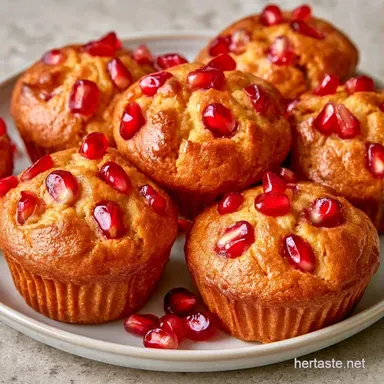
Pomegranate Orange Muffins with Greek Yogurt
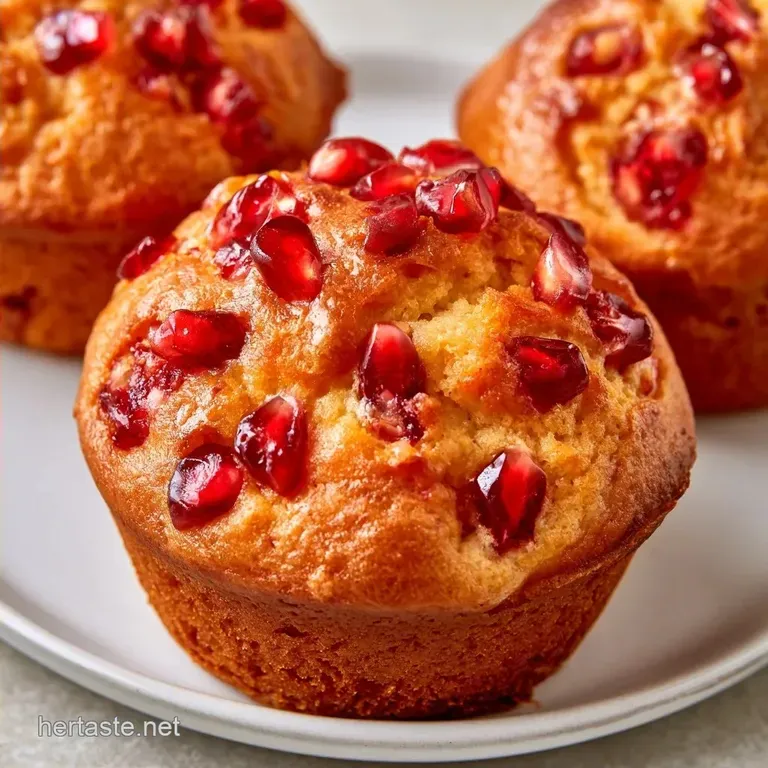
- Time: 15 min active + 22 min bake
- Flavor/Texture Hook: Bright citrus scent with juicy, ruby red pops
- Perfect for: Weekend brunch or a cozy winter breakfast
- Pomegranate Orange Muffins Quick Facts
- Why These Muffins Stay Moist
- What Goes Into the Batter
- Ingredient Deep Dive
- Tools You'll Actually Use
- Making the Pomegranate Orange Muffins
- Fixing Muffin Mishaps
- Different Ways to Bake These
- Storing and Freezing Tips
- Best Ways to Serve
- Why Most Recipes Get This Wrong
- Recipe FAQs
- 📝 Recipe Card
Ever wondered why some bakery muffins have those huge, domed tops while home versions often stay flat? I spent a long time wondering the same thing. Then I realized it's all about the heat and the way we treat the batter.
The first time I made these Pomegranate Orange Muffins, my kitchen smelled like a sunny citrus grove in the middle of a freezing January. There is something about the smell of fresh orange zest hitting a bowl of sugar that immediately wakes you up. It's a bright, joyful aroma that makes the whole house feel warm.
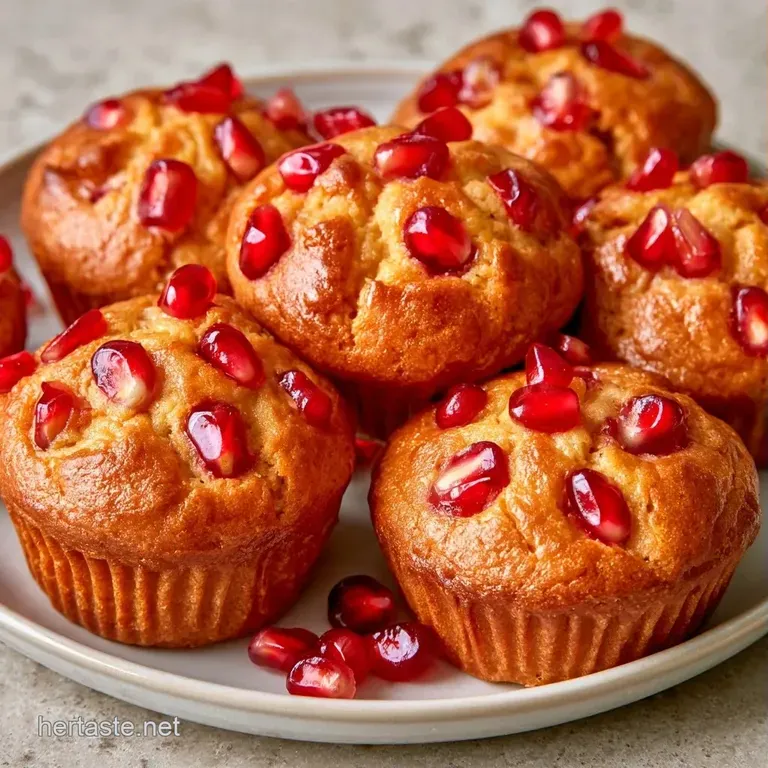
You can expect a muffin that feels rustic and hearty, but tastes light and zesty. The Pomegranate Orange Muffins don't rely on heavy frostings or glazes. Instead, they get their beauty from the natural, jewel like seeds scattered throughout the batter.
Pomegranate Orange Muffins Quick Facts
Getting the heat right is the biggest part of this process. By using a slightly higher temperature of 375°F, we trigger a quick rise that pushes the batter upward before the structure sets. This is how you get those bakery style tops without using fancy additives.
I've found that using room temperature eggs is a non negotiable here. Cold eggs can cause the vegetable oil and yogurt to seize, which leads to a broken batter. When your ingredients are at the same temperature, they bond better, resulting in a more consistent rise and a more uniform crumb.
The pomegranate seeds are the stars, but they can be tricky. If you just toss them in, they tend to dive straight to the bottom of the liner. I've learned that a quick dust of flour acts like a grip, keeping the fruit suspended in the muffin.
Why These Muffins Stay Moist
Yogurt Acidity: The Greek yogurt reacts with the baking powder to create extra lift and keeps the crumb tender.
Oil vs Butter: Oil stays liquid at room temperature, which means these Pomegranate Orange Muffins feel moister for longer than butter based cakes.
Fruit Coating: Dusting pomegranate arils in flour stops them from sinking and prevents pockets of excess moisture from forming around the seeds.
The trick to the texture is avoiding the temptation to stir until the batter is smooth. A few lumps are actually a good thing. If you overwork the flour, you develop too much gluten, and your muffins will turn out tough and rubbery instead of fluffy.
| Fresh Pomegranate | Dried Cranberries | Impact on Result | Savings |
|---|---|---|---|
| Juicy, tart pops | Chewy, concentrated sweetness | Fresh is brighter; dried is more stable | Fresh is pricier |
| Seasonal availability | Available year round | Fresh adds a "wow" factor | Dried is cheaper |
What Goes Into the Batter
For these Pomegranate Orange Muffins, I prefer using a neutral oil like canola or grapeseed. It lets the orange and pomegranate flavors stand out without adding a heavy nutty taste. If you use a strong extra virgin olive oil, it will change the profile of the muffin entirely.
The Greek yogurt is another key. I use plain, full fat yogurt. low-fat versions often have more thickeners and less fat, which can make the muffins feel a bit gummy. The fat in the yogurt carries the citrus oils from the zest, making the flavor linger longer on your tongue.
For the Dry Base
The flour provides the structure, while the cinnamon adds a tiny bit of warmth that prevents the citrus from feeling too sharp.
For the Wet Mixture
The orange juice and zest provide the aromatic punch. I always zest the orange before squeezing it; it's much harder to zest a deflated fruit.
For the "Jeweled" Fold Ins
The pomegranate arils are the "jewels." I like to use a mix of deep red and lighter pink seeds for a more rustic look.
Ingredient Deep Dive
| Component | Purpose | Substitute Notes |
|---|---|---|
| Greek Yogurt | Provides moisture and tang | Sour cream is a great swap for added richness |
| Vegetable Oil | Ensures a soft, tender crumb | Melted butter: richer flavor, but denser texture |
| Pomegranate Arils | Tart, juicy bursts | Fresh raspberries: softer and sweeter |
| All Purpose Flour | Forms the main structure | Whole wheat: nuttier and denser; use 1:1 |
Full Ingredient List
- 2 cups (250g) all purpose flour Why use this? Ideal protein content for a steady rise
- 3/4 cup (150g) granulated sugar Why use this? Essential for sweetness and a golden crust
- 2 tsp (10g) baking powder Why use this? Key for achieving a light, airy lift
- 1/2 tsp (3g) salt Why use this? Enhances citrus notes and cuts the sweetness
- 1/4 tsp (1g) ground cinnamon Why use this? Lends a hint of cozy warmth
- 2 large (100g) eggs, room temperature Why use this? Provides necessary binding and structure
- 1/2 cup (120ml) vegetable oil Why use this? Ensures a tender, moist crumb that lasts
- 3/4 cup (180ml) Greek yogurt Why use this? Contributes tang and a smooth mouthfeel
- 1/4 cup (60ml) fresh orange juice Why use this? Delivers a bright, concentrated citrus punch
- 1 tbsp (6g) orange zest Why use this? Packed with the most potent aromatic oils
- 1 tsp (5ml) vanilla extract Why use this? Balances the acidity of the fruit
- 1 cup (150g) fresh pomegranate arils Why use this? Provides bursts of tart juice and color
- 1 tbsp (8g) all purpose flour Why use this? Stops the fruit from settling
Tools You'll Actually Use
Pomegranate Orange Muffins can be made with just a few basic tools. I typically use a couple of bowls and a silicone spatula; the spatula is key for folding the batter gently to avoid adding too much air.
A standard 12-cup muffin tin is all you need. I recommend using paper liners since pomegranate seeds can release juice, which may cause the muffins to stick to the pan. Liners keep the process tidy and make them easier to distribute.
Feel free to use a whisk for the dry and wet ingredients separately. Once you combine them, however, put the whisk away. Using one to mix the final batter is the fastest way to overmix the dough and sacrifice the fluffiness.
Making the Pomegranate Orange Muffins
1. The Prep Phase
Set your oven to 375°F (190°C) and fit a 12-cup muffin tin with paper liners. In a small bowl, toss the pomegranate arils with 1 tablespoon of flour until just coated. Note: This creates friction so the seeds stay put.
2. Mixing the Dry Base
In a large mixing bowl, stir together the flour, sugar, baking powder, salt, and cinnamon. Ensure there are no large clumps of baking powder.
3. Combining the Wet Ingredients
Beat the eggs in a medium bowl. Whisk in the oil, Greek yogurt, orange juice, orange zest, and vanilla until the mixture is smooth and fully combined. Note: You'll smell the citrus oils strongly here.
4. The Gentle Merge
Add the wet mixture to the dry ingredients. Use a silicone spatula to fold them together. Stop as soon as the streaks of dry flour disappear.
5. The Fruit Fold In
Carefully fold in the floured pomegranate seeds, taking care not to crush them. Distribute the batter evenly among the 12 muffin cups, filling them nearly to the top.
6. The Bake
Bake for 18–22 minutes until the tops are a deep reddish brown and a toothpick comes out clean.
7. The Cool Down
Let the Pomegranate Orange Muffins sit in the pan for 5 minutes. This allows the structure to set so they don't collapse when you lift them.
8. Final Step
Move the muffins to a cooling rack to finish cooling completely. If they stay in the pan too long, the steam will make the bottoms soggy.
Chef's Tip: For a more intense orange aroma, rub the orange zest into the granulated sugar with your fingertips before adding the other dry ingredients. This releases the oils directly into the sugar.
Fixing Muffin Mishaps
Don't panic if your batter appears lumpy; for these Pomegranate Orange Muffins, lumps are actually a good sign. A completely smooth batter usually indicates overmixing, which often results in those unwanted "tunnels" inside the cake.
The fruit can also be tricky, as pomegranates vary in juiciness. If your arils are particularly wet, they can create steam pockets that leave gaps around the seeds. Coating them in flour solves the vast majority of this issue.
Gritty Batter
If the mixture feels grainy, the sugar likely didn't incorporate well with the wet ingredients. Ensure your eggs are at room temperature to help the fats emulsify the sugar properly.
Lack of Dome
Flat tops are typically caused by insufficient oven heat or expired baking powder. You can test your powder by adding a pinch to hot water; if it doesn't bubble instantly, it's time to replace it.
Wet Fruit Spots
Sogginess occurs if the muffins are underbaked or if the fruit wasn't tossed in flour. Stick to the 18-22 minute baking window and rely on the toothpick test.
| Problem | Root Cause | Solution |
|---|---|---|
| Tough, rubbery texture | Overmixing the batter | Fold only until flour disappears |
| Seeds sinking | Skipping the flour coating | Toss arils in 1 tbsp flour first |
| Pale, flat tops | Low oven temperature | Use a thermometer to verify 375°F |
| Sunken centers | Opening oven door too soon | Don't peek before 15 minutes |
Different Ways to Bake These
To adjust the taste, feel free to switch the citrus. Using lemon zest and juice gives these a zesty, summery vibe. For a richer depth, stir a pinch of ground cardamom into your dry ingredients; it complements the pomegranate beautifully.
For a healthier alternative, substitute granulated sugar with honey. Just keep in mind that this will result in a denser crumb and quicker browning. If you're craving something salty, try my savory herb cheese muffins instead.
Dietary Swaps
To make these vegan, swap the eggs for a mixture of 1 tablespoon ground flaxseed and 3 tablespoons water per egg, and use a coconut based Greek yogurt. This version is slightly heavier but keeps its bright taste.
Extra Texture Ideas
- Want a nutty crunch? → stir in 1/4 cup chopped walnuts.
- Looking for more zest? → mix in 1 tsp lemon zest.
- Prefer them sweeter? → whisk 2 tbsp honey into the yogurt.
Storing and Freezing Tips
These Pomegranate Orange Muffins stay delicious the following day, provided they are stored properly. I prefer using an airtight glass container kept on the counter for around 2 days. In humid climates, refrigeration is a better option, though you should toast them to regain their tender texture.
For longer storage, the freezer is the best choice. Once the muffins have cooled entirely, wrap each one in parchment paper and place them inside a freezer bag. They will remain fresh for roughly 3 months.
To warm them up, microwave a frozen muffin for 30 seconds. Alternatively, for a slightly crispier exterior, bake them in a 300°F oven for 5-8 minutes.
To reduce waste, save the pomegranate skins. Although they don't belong in the muffins, they create a lovely, tart tea when simmered along with honey and ginger.
Best Ways to Serve
I love serving these Pomegranate Orange Muffins warm with a smear of salted butter. The salt cuts through the citrus and makes the pomegranate pop. They also go great with a dollop of mascarpone or a light drizzle of honey.
If you're hosting a brunch, arrange them on a wooden platter with some fresh orange slices and a bowl of extra pomegranate seeds for garnish. This makes the table look rustic and seasonal.
For a more decadent treat, you might like this chocolate pomegranate dessert as a follow up after the muffins. The richness of chocolate is a great counterpart to the bright, zesty notes of the muffins.
Why Most Recipes Get This Wrong
I've seen a lot of Pomegranate Orange Muffins recipes that treat the fruit like raisins. But pomegranate arils are full of water. When they heat up, they burst. If the batter isn't thick enough, that burst of juice creates a "steam pocket" that can make the muffin collapse around the seed.
Ignoring the Sinking Science
Many bakers just stir the seeds in. Because the arils are denser than the air filled batter, they sink. The flour coating creates a surface that the batter can actually grip onto, keeping the fruit evenly distributed from top to bottom.
Over reliance on Juice
Some recipes use a lot of pomegranate juice in the batter. While that sounds logical, too much juice thins the batter and adds too much acid, which can kill the rise. Using orange juice for the liquid and pomegranate for the "pops" keeps the balance right.
Lack of Acid Balance
A lot of people skip the Greek yogurt and use milk. Milk doesn't provide the same tang or the same interaction with the baking powder. Without that acid, you lose the tender, crumb that makes a muffin feel professional.
Debunking Muffin Myths
Myth: Searing the tops with a torch makes them rise. Truth: The rise comes from the 375°F oven heat and the chemical reaction of the baking powder. A torch only adds color, not height.
Myth: You must sift the flour for a light muffin. Truth: While sifting helps, whisking the dry ingredients vigorously for 30 seconds does the same thing by breaking up clumps.
Myth: Adding more baking powder always means a higher muffin. Truth: Too much leavener can cause the muffins to rise too fast and then collapse, leaving you with a dense center. Stick to the 2 tsp measure.
Recipe FAQs
Do pomegranate and orange flavors clash in baking?
No, they complement each other perfectly. The tartness of the arils balances the bright sweetness of the orange juice and zest.
How to keep the pomegranate seeds from sinking?
Toss the arils in a tablespoon of flour before folding them into the batter. This creates a surface for the batter to grip, keeping the fruit evenly distributed.
Is it true that pomegranate arils must be peeled before baking?
Actually, no. The arils are the edible seeds themselves; you simply remove them from the pomegranate husk and use them as is.
What creates the most intense orange flavor in these muffins?
Using both fresh juice and zest provides a multi dimensional citrus profile. If you loved balancing these bright acids here, see how we use similar flavor balancing in our classic tart.
Pomegranate Orange Muffins in 37 Minutes