My Fave Birria Tacos Recipe
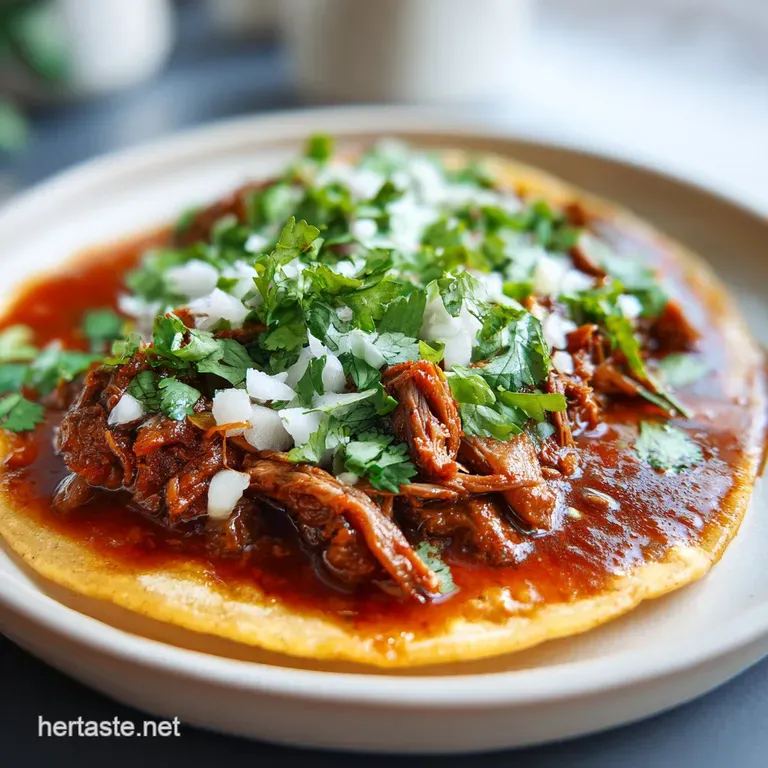
- Time: Active 45 minutes, Passive 3 hours 45 mins, Total 4 hours 30 mins
- Flavor/Texture Hook: Shatter crisp tortilla shells dipped in a fatty, spice forward broth.
- Perfect for: Weekend projects that reward patience with restaurant quality results.
- Creating the Ultimate Mahogany My Fave Birria Tacos
- The Molecular Magic Behind Tender Braised Beef
- Understanding Your Primary Ingredient Component Analysis
- Smart Ingredient Substitutions and Flavor Swaps
- Essential Gear for the Perfect Braise
- Detailed Step-By-Step Cooking Flow Instructions
- Fixes for Common Problems and Mistakes
- Sizing Up Your Batch for Crowds
- Storage and Zero Waste Tips
- The Perfect Serving Ritual
- Debunking Common Birria Myths
- Recipe FAQs
- 📝 Recipe Card
Creating the Ultimate Mahogany My Fave Birria Tacos
The first time I tried to forge a batch of these at home, I was mesmerized by the aroma of toasted guajillos swirling through my kitchen. There’s something visceral about that moment when the dried peppers hit the hot cast iron and start to puff up, releasing a smoky scent that tells you something special is happening.
It isn’t just about making dinner; it is about building layers of flavor that feel like they’ve been simmering for decades, even if you just started that morning.
We’ve all seen the videos of people dipping those bright red tacos into a cup of steaming broth, but getting that exact texture at home takes a bit of a personal touch. I remember my first mistake: I didn’t strain the sauce well enough, and the consomé felt gritty instead of silky.
Now, I’ve learned that the secret isn’t just in the spices it’s in how you handle the fat. That gorgeous red oil sitting on top of the broth is your best friend, and we are going to use every drop of it.
This version of birria is designed for the cook who wants that "wow" factor without the guesswork. We are taking 3 lbs of beef chuck roast and 1 lb of bone in short ribs to create a base that is naturally rich in gelatin and fat. By the time the meat is done, it should literally fall away from the bone with the slightest nudge of a fork. If you love this flavor profile, you might also find the smoky notes in our Authentic Carne Asada recipe quite satisfying for your next grill session.
The Molecular Magic Behind Tender Braised Beef
Gelatin Transformation: High collagen cuts like chuck and short ribs break down into gelatin at 160°F-180°F, creating a velvety mouthfeel in the consomé.
This process requires a slow, moist environment to prevent the muscle fibers from tightening and becoming tough.
Chili Emulsification: Toasting dried guajillo and ancho chilies wakes up their essential oils before the vinegar helps stabilize the spice particles in the liquid. This creates a cohesive sauce rather than just chili water.
The Maillard Reaction: Searing the beef chunks at a high temperature before the braise creates a crust of flavor compounds that eventually dissolve into the broth. This adds a savory depth that cannot be achieved through boiling alone.
Capillary Action in Tortillas: Dipping the corn tortillas into the chili fat allows the oil to penetrate the surface, which then fries the corn instantly when it hits the griddle. This is what creates that signature "shatter" crunch.
| Cooking Method | Active Time | Texture Result | Best For |
|---|---|---|---|
| Stovetop Simmer | 45 mins | Very tender, easy to monitor liquid levels | Maximum control over the broth thickness |
| Oven Braise | 20 mins | Consistent heat, slightly more "roasted" beef flavor | Set it and forget it convenience |
| Slow Cooker | 15 mins | Extremely soft meat, less reduction in the sauce | Busy schedules where you can't hover |
While the stovetop gives you the chance to skim fat and check the beef easily, the oven (at 300°F) provides a surrounding heat that mimics a traditional underground pit more closely.
Regardless of the heat source, the goal is always a gentle bubble never a violent boil to keep the proteins from toughening up.
Understanding Your Primary Ingredient Component Analysis
Before we start chopping, let's look at why these specific elements matter. Choosing the right beef and the right chilies is the difference between a standard taco and a culinary experience.
| Ingredient | Science Role | Pro Secret |
|---|---|---|
| Beef Short Ribs | Provides essential bone marrow fat and gelatin | Leave the bones in during the entire braise to enrich the consomé. |
| Guajillo Chilies | Acts as the primary flavor and color base | Toast them until they smell like tea, but don't let them turn black. |
| Apple Cider Vinegar | Breaks down tough connective tissue and balances fat | Use a high-quality brand with "the mother" for a softer acidic bite. |
| Oaxacan Cheese | High moisture fat that melts without separating | Pull it into thin strings by hand to ensure it melts instantly on the griddle. |
A quick note on the chilies: The Guajillo provides the earthy, red foundation, while the Ancho adds a raisin like sweetness. If you want a bit of heat, keep the seeds in those two Chilies de Arbol, but otherwise, discard them.
The balance of acidity from the vinegar and tomatoes is what keeps the 47g of fat per serving from feeling heavy on the palate.
Smart Ingredient Substitutions and Flavor Swaps
We don't always have a specialty Mexican grocer down the street. If you find yourself missing an item, these swaps will keep the integrity of the dish intact without sacrificing the soul of the recipe.
- Beef Chuck Roast (3 lbs): Brisket or bottom round work well. Why this? These cuts have the necessary fat to meat ratio for a long, slow braise.
- Oaxacan Cheese (1 lb): Low moisture Mozzarella or Monterey Jack. Why this? You need a "super melter" that won't become oily or rubbery when heated.
- Guajillo Chilies (5 total): Dried New Mexico or California chilies. Why this? They offer a similar mild heat and bright red color profile.
- Beef Bone Broth (4 cups): high-quality beef stock or even chicken stock in a pinch. Why this? The broth provides the liquid volume and additional savory minerals.
| Original Ingredient | Substitute | Why It Works |
|---|---|---|
| Mexican Oregano | Traditional Greek Oregano | Similar earthy notes. Note: Greek oregano is slightly more minty/floral. |
| Oaxacan Cheese | Shredded Mozzarella | Similar melting point. Note: Lacks the slight tang of authentic Oaxacan. |
| Beef Short Ribs | Oxtail (1 lb) | Massive gelatin content. Note: Adds more richness but requires more skimming. |
If you enjoy the comforting nature of these substitutions, you might also like how versatile the base of a Hearty Taco Soup recipe can be when you’re in a rush but want that same spice profile. Both dishes rely on that "slow cooked" feel, even if the methods differ.
Essential Gear for the Perfect Braise
To get the most out of these Birria Taco Ingredients, you need a few key tools. A heavy bottomed pot, like a 6 quart Dutch oven (I love my Lodge cast iron), is non negotiable for maintaining steady heat. You’ll also need a high speed blender to get the adobo sauce completely smooth.
If your blender is older, you’ll definitely want a fine mesh strainer to catch any stray chili skins that didn't pulverize.
For a Velvety, Gelatin Rich Consomé
A high-quality blender is the "innovative" tool here. Forging a smooth sauce means blending for at least 60 seconds on high. This emulsifies the tomatoes and spices into the oil and vinegar, creating a sauce that coats the beef instead of just sitting on top.
The Maillard Reaction & Chili Toasting
A wide skillet is better for toasting chilies and searing beef. You want surface area so the steam can escape. If you crowd the pan when searing the chuck roast, the meat will steam in its own juices and turn grey instead of developing that deep brown crust we need for a complex broth.
Detailed step-by-step Cooking Flow Instructions
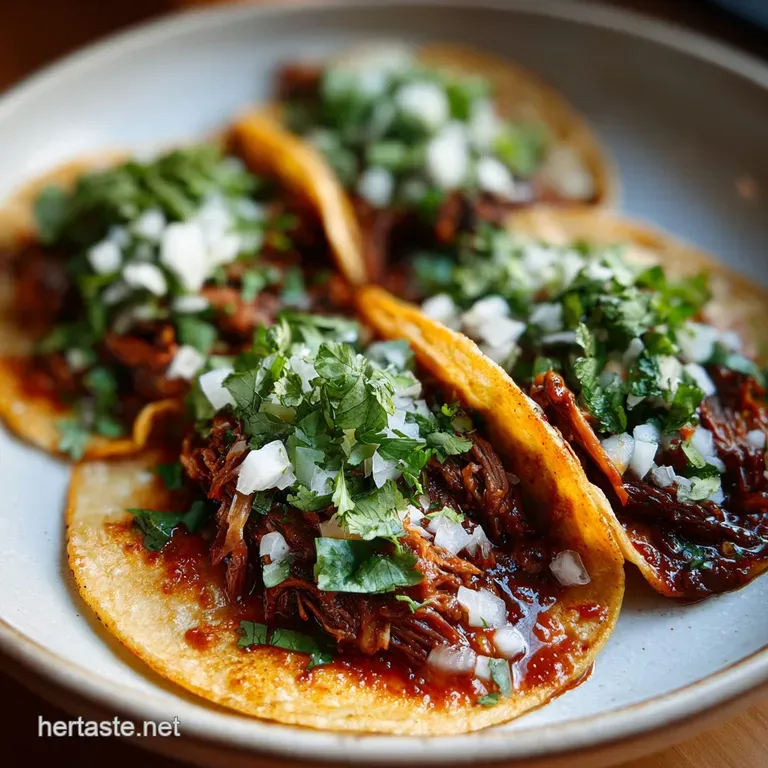
Phase 1: Developing the Base (The Adobo)
- Toast the chilies. Place the seeded guajillo, ancho, and arbol chilies in a dry skillet over medium heat for 2 minutes until fragrant and slightly darkened.
- Rehydrate the peppers. Submerge the toasted chilies in hot water for 15 minutes until they are soft and pliable. Note: This prevents a bitter flavor in the sauce.
- Blend the adobo. Combine the soaked chilies, quartered onion, garlic cloves, crushed tomatoes, apple cider vinegar, cumin, oregano, cinnamon, and cloves in a blender.
- Process until smooth. Blend the mixture for 1-2 minutes until it looks like a thick, vibrant red paste.
Phase 2: The Low and Slow Braise
- Sear the beef. Heat the neutral oil in a large Dutch oven and brown the chuck roast and short ribs in batches until a deep brown crust forms.
- Combine the liquids. Pour the chili adobo over the meat, then add the 4 cups of beef bone broth, bay leaves, and the cinnamon stick.
- Simmer the stew. Cover and cook on low heat for 3 hours 30 mins to 4 hours until the meat shreds effortlessly with a fork.
- Shred and separate. Remove the meat from the broth, discard the bones and whole spices, and shred the beef. Reserve the red oil floating on top of the broth in a separate bowl.
Phase 3: The "Dip and Crisp" Finish
- Dip the tortillas. Dunk a corn tortilla into the reserved red oil/fat, coating both sides thoroughly.
- Griddle and melt. Place the tortilla on a hot flat top or skillet, add a handful of shredded Oaxacan cheese and the shredded beef, and fold.
- Fry to a crunch. Cook for 2-3 minutes per side until the cheese is melted and the tortilla is shatter crisp.
Fixes for Common Problems and Mistakes
Why Your Broth Tastes Bitter
Usually, this happens because the dried chilies were either burnt during toasting or the stems and seeds weren't fully removed. Another culprit can be the cinnamon stick if left in for more than 4 hours; it starts to release more woodsy bitterness than sweet warmth.
| Problem | Root Cause | Solution |
|---|---|---|
| Meat is Tough | Temperature was too high or time was too short | Simmer longer on low; collagen needs time to melt. |
| Greasy Consomé | Too much fat from the short ribs remained | Chill the broth slightly and skim the excess solidified fat. |
| Soggy Tortillas | Griddle wasn't hot enough | Increase heat to medium high to fry the oil instantly. |
Common Mistakes Checklist
- ✓ Pat the beef dry with paper towels before searing to get a better crust.
- ✓ Don't skip the straining step if your blender isn't high powered; chili skins are tough.
- ✓ Toast spices like cumin and oregano for 30 seconds before adding them to the blender for extra depth.
- ✓ Let the beef rest in a little bit of the consomé after shredding to keep it moist.
- ✓ Use corn tortillas only flour tortillas will become gummy when dipped in the fat.
Sizing Up Your Batch for Crowds
If you are cooking for a large group, scaling this Easy Birria Tacos Recipe is relatively straightforward, but keep an eye on your liquid ratios.
- Scaling Down (1/2 batch): Use a smaller pot to ensure the meat stays submerged. Reduce the cook time by about 20%, but always rely on the "fork tender" test rather than the clock. Use 1 egg yolk if you are making a smaller batch of a side dish that requires binding, but for birria, just halve the spices exactly.
- Scaling Up (2x batch): Do not double the salt or the cinnamon stick immediately. Start with 1.5x the spices and taste after 2 hours. You’ll need a massive stockpot or two Dutch ovens to avoid overcrowding, which can lead to uneven cooking.
- Precision Checkpoints:
- Internal Temp: The beef is done when it hits an internal temperature of 205°F.
- Weight: 4 lbs of raw meat will yield roughly 2.5 lbs of shredded beef after cooking and fat loss.
- Time: The 4 hour mark is almost always the "sweet spot" for chuck roast.
If you find yourself with too much meat, it works beautifully in other dishes. For instance, the spice profile isn't far off from what you'd find in a Taco Spaghetti recipe, proving that Mexican flavors are incredibly adaptable.
Storage and Zero Waste Tips
The beauty of Homemade Birria Tacos is that they actually taste better the next day. The flavors in the consomé have more time to marry and mellow out.
- Fridge: Store the shredded meat and the consomé in separate airtight containers for up to 4 days. Keeping them separate prevents the meat from turning into a mushy texture.
- Freezer: Both the meat and the broth freeze perfectly for up to 3 months. I like to freeze the consomé in ice cube trays so I can pop out small amounts to use as a flavor base for rice or beans later.
- Zero Waste: Don’t throw away the onion and garlic scraps from the prep! Toss them into a freezer bag for your next batch of homemade vegetable stock. If you have leftover cilantro stems, finely mince them and add them to the braise they have more flavor than the leaves anyway.
The Perfect Serving Ritual
Serving Simple Birria Tacos is an interactive experience. You want to present the tacos on a large platter with individual small bowls of consomé for each guest.
To Prevent Bitter Broth
Always provide fresh lime wedges. The acidity of the lime cuts through the heavy fat and brightens the earthy chilies. I also like to serve mine with a side of pickled red onions for an extra crunch and a pop of color.
Why Make This at Home?
While Quick Birria Tacos can be found at many food trucks, making them at home allows you to control the quality of the beef and the intensity of the spice. It turns a meal into an event.
Debunking Common Birria Myths
Myth: You must use goat for "authentic" birria. While Birria de Chivo (goat) is traditional in Jalisco, beef is equally popular and widely used across Mexico, especially in the "quesabirria" style that has taken the world by storm. Beef is more accessible and has a milder flavor that many prefer.
Myth: The cinnamon makes the tacos taste like dessert. Not at all. When combined with savory elements like garlic, cumin, and beef fat, cinnamon adds a warm, woody depth that enhances the "meatiness" of the dish. It’s a background note, not a foreground flavor.
Myth: Boiling the meat is the same as braising. Boiling at high heat makes meat tough and stringy. Braising keeping the liquid at a gentle, barely moving simmer is what transforms the collagen into that melt in-your mouth texture we are looking for in My Fave Birria Tacos.
Recipe FAQs
What's so special about birria tacos?
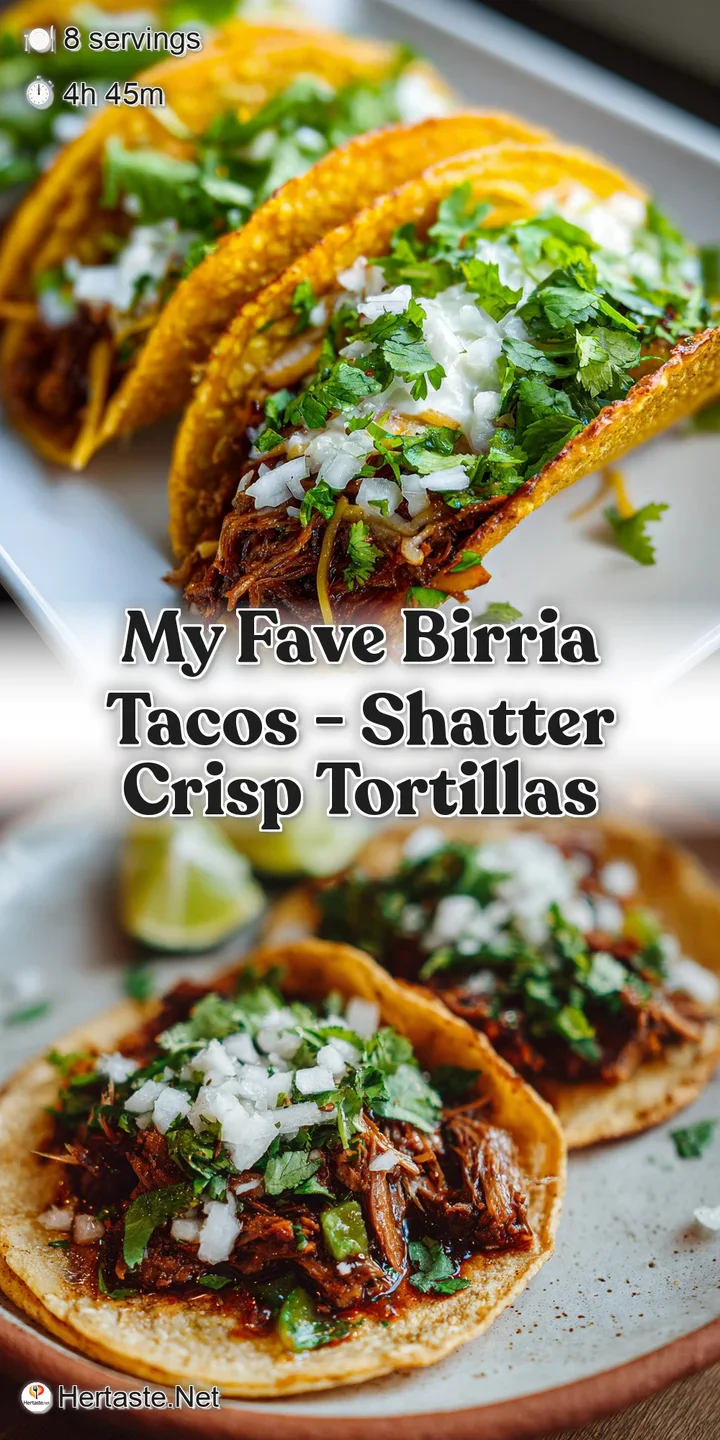
The contrasting texture and rich broth. They feature tender, slow braised meat dipped in spiced fat (adobo) before frying, creating a shatter crisp tortilla shell around intensely flavorful beef.
What's usually in a birria taco?
Shredded, slow cooked beef (or goat), Oaxacan or mozzarella cheese, and a corn tortilla dipped in the chili oil. They are traditionally served with a side of the flavorful braising liquid (consomé) for dipping.
Why is birria suddenly so popular?
Social media visibility of the cheese pull and dipping ritual. The "quesabirria" style, emphasizing the stretch of melted cheese and the act of dunking, creates highly shareable visual content.
What is the sauce made of for birria tacos?
Dried chilies, aromatics, and vinegar. The base is typically toasted and rehydrated Guajillo and Ancho chilies, blended with onion, garlic, tomatoes, and apple cider vinegar for balance.
Can I substitute goat meat for the beef in this recipe?
Yes, but beef is often easier and yields great results. While traditional birria uses goat (Birria de Chivo), beef chuck and short ribs provide excellent gelatin for a rich consomé.
How to achieve the shatter crisp tortilla texture?
Dip the tortilla thoroughly in the reserved red chili fat before griddling. The high temperature of the pan fries the fat into the corn, creating the signature crisp exterior; this fat handling skill is key.
Is it true I must use a high powered blender for the adobo sauce?
No, this is a common misconception. A standard blender works fine if you blend longer and use a fine mesh strainer afterward to catch any remaining chili skins.
My Fave Birria Tacos
Ingredients:
Instructions:
Nutrition Facts:
| Calories | 997 kcal |
|---|---|
| Protein | 62 g |
| Fat | 47 g |
| Carbs | 39 g |
| Fiber | 5 g |
| Sugar | 4 g |
| Sodium | 780 mg |
