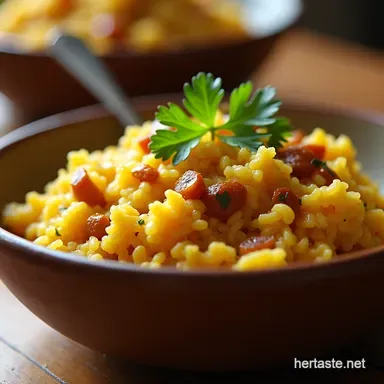
Golden Glow Khichdi Easydigestive Moong Dal Rice Bowl
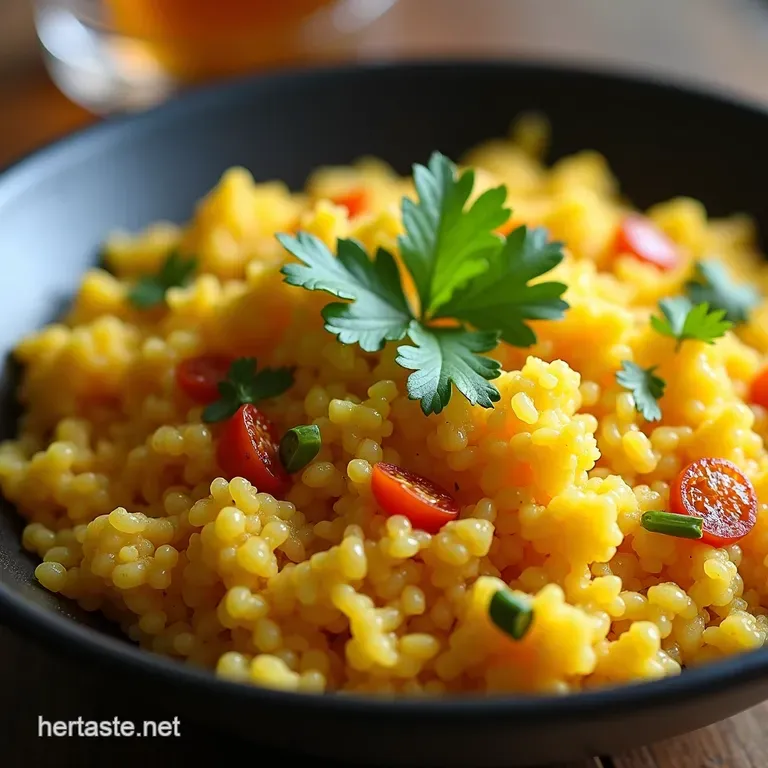
- That Ultimate Comfort Hug: Meeting Your New Best Friend, Khichdi
- The Secret Stash of Comfort: Ingredients That Matter
- Getting Started: The Golden Prep Steps
- Speed Cooking: The Easy Pressure Cooker Khichdi Method
- Pro Tips for Ultimate Comfort
- Let’s Talk Khichdi Life: Serving, Storing, and Swapping
- Frequently Asked Questions
- 📝 Recipe Card
That Ultimate Comfort Hug: Meeting Your New Best Friend, Khichdi
Honestly, have you ever felt that specific kind of awful where only total comfort food will truly do the trick? I swear, when I am feeling run down or just need a culinary reset, nothing beats a warm bowl of Moong dal khichdi .
It is seriously the food equivalent of wearing your favourite tracksuit on a duvet day. It just resets everything, you know?
This dish is much more than just a simple dal recipe ; it is essentially the ultimate Traditional Indian Dal Khichdi .
In many parts of India, it is treated like edible gold, the remedy prescribed by your elders when you have a minor cold or an upset stomach .
It’s a beautifully simple, golden blend of rice and split yellow lentils ( dhuli moong dal ).
So Simple, It Practically Cooks Itself
And the absolute best part? It’s ridiculously easy to make. This simple Indian comfort food is one of the first dishes I ever mastered back in university.
You don't need to be a Michelin-starred chef to master this gentle pressure cooker khichdi recipe . If you have an Instant Pot , you can have this amazing savoury rice and lentil porridge ready in about 20 minutes of active cooking time.
This specific preparation is intentionally minimal, relying on simple spices like turmeric and cumin for warmth, not heat. We want soothing, not spiking! The result is a creamy, mushy texture that is incredibly easy to digest.
Plus, it makes the clean-up a breeze since it’s a beautiful one-pot wonder.
Why This Recipe Is Essential
Oh my gosh, I rely on this for my own kid too! It's the perfect starter food, which is why it’s a fantastic khichdi for babies and toddlers .
It's naturally high in plant protein and incredibly gentle on the tummy. This recipe provides high fiber and necessary carbohydrates, making it a complete meal that feels light but keeps you satisfied for hours.
This golden glow bowl is literally the cure for whatever ails you, mental fatigue, too many takeaways, or just a freezing Tuesday evening.
It always delivers on flavour and zero fuss. Ready to see the few humble ingredients that make this magic happen? Let’s dive right into what you’ll need!
The Secret Stash of Comfort: Ingredients That Matter
Honestly, making the perfect Moong Dal Khichdi does not require a complex pantry. That is the beauty of this Simple Indian comfort food .
The short ingredient list means quality really matters. Think of this as the Traditional Indian Dal Khichdi, it’s deceptively simple.
You need two primary components. You need White Rice and Dhuli moong dal . That is the skinless, split yellow lentil.
Always choose good quality, fresh grains. They must be fresh. I learned the hard way that old lentils refuse to get soft, no matter what.
We use equal parts for this balanced dish. Measure out ½ cup (100 grams) of each grain. This is critical.
Before you start anything, you must rinse and soak them. Rinse them like you are washing laundry! Until the water runs perfectly clear.
Then soak for 30 minutes. This step makes the resulting Savoury rice and lentil porridge super easy to digest. Essential if someone has an Upset Stomach .
Building the Golden Glow: Seasoning Magic
We are not building heat here. We are building warmth. This is why Ghee is mandatory, darling. You need 2 Tbsp (30 ml) of Ghee to start the tadka (tempering).
Once shimmering, add 1 tsp of whole Cumin Seeds.
Then comes the secret weapon for any great Dal Recipe : Hing (Asafoetida). Just a tiny ¼ tsp . My mum always said Hing actively prevents the dreaded bloating lentils sometimes cause.
Honestly, never skip the Hing! Add ½ tsp of bright Turmeric powder for that glorious golden colour. That is all the spice you truly need.
The Right Tools for Pressure Cooker Khichdi
Speed is key for weeknights. This is why a good pressure cooker is a game-changer. For a perfect, creamy texture, the Pressure cooker khichdi recipe is unmatched.
If you have an Instant Pot , brilliant! Same concept applies. A 3-Litre pressure cooker is the minimum size you’ll need.
If you are cooking this Moond Dal Khichdi In Instant Pot , remember the liquid ratio. It’s 4 parts water to 1 part grains.
If you don’t own a pressure cooker, no stress. A large, heavy-bottomed Dutch oven works too. It just needs a tight-fitting lid.
Either way, we are aiming for mush. This mushy texture is ideal for Khichdi for babies and toddlers . It needs to be soft and comforting.
Getting Started: The Golden Prep Steps
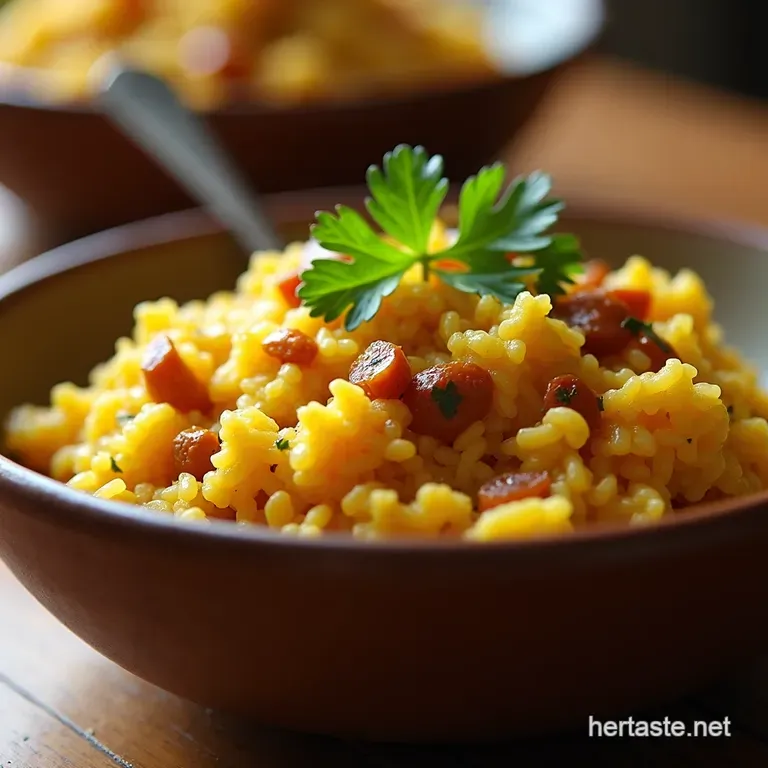
Right, so let's get down to the magic. Making the best Moong dal khichdi is ridiculously easy. Honestly, it is the definition of simple Indian comfort food .
It's what we make when our tummy is unhappy or we just need a culinary hug.
Before we start, we need a quick prep session. This is what fancy chefs call mise en place , but we just call it being organized! Grab your ½ cup of Dhuli moong dal and ½ cup of rice.
My biggest tip? Rinse the grains like you mean it. Keep washing them until the water is completely clear. This is crucial for texture and, frankly, it keeps your system happier later, perfect when dealing with an upset stomach .
Then, let them soak for at least 30 minutes . Don't skip the soak! It’s the secret to that perfectly soft, melt-in-your-mouth texture.
This soft texture is why this Dal Recipe is often called khichdi for babies and toddlers . Drain it really well before you move to the stove.
Speed Cooking: The Easy Pressure Cooker Khichdi Method
Time to cook this beautiful savoury rice and lentil porridge ! We are going for the speedy, easy way, the pressure cooker khichdi recipe .
You could easily do this as Moond Dal Khichdi In Instant Pot , too.
- Heat the Ghee: Put 2 Tbsp of Ghee in your cooker over medium heat. When it shimmers, toss in the 1 tsp Cumin Seeds. Let them splutter, that smell is happiness!
- Aromatic Boost: Turn the heat low. Immediately add the ¼ tsp Asafoetida, 1 tsp grated Ginger, and green chilli. Sauté for just 30 seconds . Do not burn the spices, or everything tastes bitter.
- Gold Dust: Stir in the ½ tsp Turmeric powder. Cook for just 5 seconds . This gives the khichdi its gorgeous golden colour.
- Combine: Add the soaked, drained rice and dal. Stir for 1 minute, coating everything in that beautifully spiced Ghee.
- Seal and Steam: Pour in 4 cups of water and 1 tsp Salt. Bring the liquid to a rolling boil. Lock the lid immediately!
- The Countdown: Cook on high pressure for 3 whistles (or about 15 minutes, depending on your cooker). Turn the stove off. Now, let the pressure release naturally for 10 minutes . This slow release is key for making it super mushy.
Pro Tips for Ultimate Comfort
Okay, a couple of life-saver tips for your Traditional Indian Dal Khichdi .
Pro Tip 1: Consistency Crisis Sometimes, when you open the cooker, your khichdi looks like cement. It happens! Don't panic! Just add half a cup of boiling water and stir aggressively.
It should look like a nice, thick soup. It has to be loose and flowing.
Pro Tip 2: The Digestion Superpower Seriously, never skip the Asafoetida (Hing). It's an absolute game-changer. It makes the lentils so much easier on your system.
No post-dinner bloating, you know? It is essential to the authentic flavour of this simple dish.
The biggest mistake is not letting the pressure release naturally. That extra 10 minutes of steam time makes all the difference.
Give this comforting bowl the time it deserves! Serve hot with a big dollop of Ghee. Enjoy this restorative magic!
Let’s Talk Khichdi Life: Serving, Storing, and Swapping
Honestly, making Moong dal khichdi isn't the tricky part. The trick is making sure you enjoy it properly and know how to handle the inevitable leftovers! This Simple Indian comfort food is so versatile.
It’s perfect when your tum is unsettled, or you just need a culinary hug.
How I Serve My Golden Bowl (Plating & Sides)
This beautiful, soft Savoury rice and lentil porridge needs texture contrast. Trust me on this one. You need the creamy, mushy khichdi, and then BAM! something crunchy and tangy.
My go-to serving suggestion? A dollop of cold, plain yogurt (or curd). The coolness is just brilliant against the warmth of the spices.
Oh, and a sliver of spicy mango pickle is non-negotiable for me. That sharp tang really wakes up the dish.
If you want to be extra, serve it with roasted papadums . The sound of the crunch alone is restorative.
Leftovers? Yes, Please! (Storage and Reheat Secrets)
When you make a big batch of this Pressure cooker khichdi recipe , the leftovers are gold. But beware! Khichdi turns into a solid brick when refrigerated.
It’s just what rice and lentils do, you know?
Store it in an airtight container for up to 4 days in the fridge. If you choose to freeze it (great option if you made a huge amount), it’s good for about two months.
To reheat, put your portion in a pan and add boiling water or stock, stirring vigorously. You might need almost a cup of water per serving to get back that proper loose, comforting texture.
If you’re dealing with an upset stomach , the smoother it is, the better.
Making It Yours: Variations and Adaptations
One of the best things about this Dal Recipe is how easily you can adapt it.
If you’re looking after the little ones, this is fantastic Khichdi for babies and toddlers . Because we use Dhuli moong dal (skinless), it’s super easy to digest.
Just mash it up even more!
For a richer flavour, I sometimes make this as a Moond Dal Khichdi In Instant Pot and add a handful of spinach right at the end.
It boosts the vitamins and gives it a lovely green swirl. If you need a vegan option, swap the ghee for coconut oil, it adds a nice depth of flavour.
The Real Deal: Why This Stuff Works (Nutrition Basics)
This isn't just tasty; it’s genuinely good for you. It’s a complete protein, combining the rice carbs and the lentil protein.
Because it cooks down so much, your body doesn’t have to work hard to break it down. It’s why doctors recommend this particular Traditional Indian Dal Khichdi when you’re feeling under the weather.
So there you have it. Whether you are batch cooking for the week or nursing a poorly loved one, this simple bowl of goodness truly delivers. Enjoy every spoonful!
Frequently Asked Questions
I followed the recipe, but my khichdi is too thick! How do I get that perfect, silky porridge consistency?
Khichdi is famous for drastically thickening once it cools down, it’s just the nature of starch! To achieve that lovely, smooth 'slurry' texture, always finish the dish by stirring in extra boiling water or hot stock until it reaches your preferred consistency, often referred to as 'runny' or 'porridge-like.' The key is to add the liquid when the grains are already soft, stirring well to combine everything into a smooth, cohesive comfort bowl.
Why is Moong dal khichdi considered a "sick day" or easy-digestive meal? Is it genuinely nutritious?
Absolutely, it's the ultimate culinary equivalent of a warm hug when you're under the weather. The brilliance lies in the split yellow moong dal (dhuli moong), which is skinless and remarkably easy for your body to process compared to tougher, high-fibre lentils, hence its reputation as the perfect convalescence food.
It provides a superb balance of plant-based protein and carbohydrates, keeping you nourished without putting undue strain on your digestive system.
I’m cooking for one, does this recipe store well, and how should I reheat it for a quick mid-week meal?
Khichdi is brilliant for batch cooking and will keep happily in the fridge for 3 to 4 days; just store it away in an airtight container for a rainy day. Be warned, it will set into a dense brick once chilled!
When reheating, you must always add a generous splash of hot water or stock (around ½ cup per serving) before heating gently on the stove or in the microwave, stirring until it regains its desirable runny texture.
I fancy something a bit more substantial; can I add vegetables or different grains to this basic recipe?
Definitely! You can easily transform this simple khichdi into a heartier ‘Masala Khichdi’ by adding finely diced root vegetables like carrots, peas, and green beans. Toss them in the pot during the tempering stage (Step 3), sautéing for a few minutes before adding the grains and liquid.
If substituting the rice for a denser grain like quinoa or brown rice, be aware that you will need to increase the water ratio and potentially double the cooking time.
The recipe mentions Asafoetida (Hing). Is it really necessary, and what can I use if I don't have this spice?
Hing is highly recommended for this recipe, acting as a crucial element in the digestive benefits of the dish, helping to mitigate the gaseousness often associated with lentils, it’s the true secret weapon! It also imparts a subtly savoury, oniony depth that transforms the flavour profile.
If you don't have it to hand, your next best bet is to slightly increase the amount of ginger and perhaps include a pinch of garlic powder in the tempering to approximate that pungent, savoury warmth.
My GoTo Moong dal khichdi Simple Indian Comfort Food Best Digestive Reset