Buttermilk Peach Scones Recipe
- Time: Active 20 minutes, Passive 20 minutes, Total 40 minutes
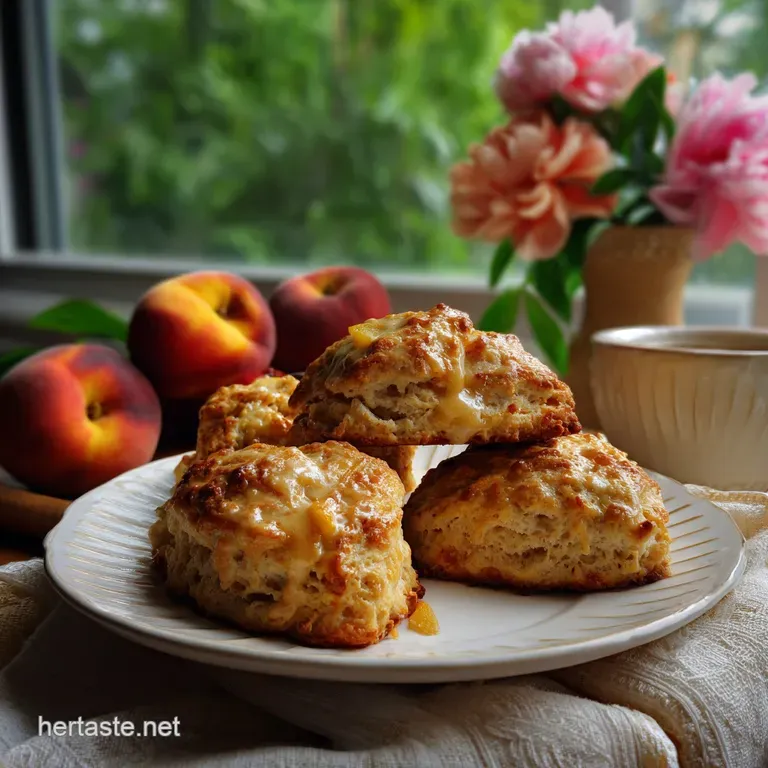
- Flavor/Texture Hook: Buttery, flaky layers with pockets of velvety, sun ripened peaches
- Perfect for: Sunday brunch, garden parties, or a nostalgic afternoon tea
- Bake the Sunniest Homemade Peach Scones Today
- The Science Behind Perfect Results
- Recipe Specs and Quick Comparison
- The Best Pantry Staples Needed
- Tools for Bakery Quality Results
- Steps to Golden Flaky Bliss
- Troubleshooting Your Dough Problems
- Customizing Your Flavor Profile
- Storing for Maximum Freshness
- Serve Your Scones with Flair
- Answering Your Baking Questions
- Recipe FAQs
- 📝 Recipe Card
Have you ever walked into a kitchen and felt like the air itself was giving you a warm hug? That is the magic of summer stone fruit hitting a hot oven. There is something deeply nostalgic about the way butter and sugar mingle with the floral scent of a ripe peach, a smell that instantly transports me back to my grandmother’s yellow tiled countertop.
But we have all been there, haven't we? You try to make a fruit filled pastry and end up with a soggy, heavy mess that resembles a wet biscuit more than a bakery style treat. It is frustrating when the juice from the fruit ruins that beautiful, flaky crumb you worked so hard to create.
Today, we are putting those worries to rest. I am going to show you exactly how to handle the moisture of fresh fruit so your scones stay tall, proud, and impossibly light. This recipe is my little love letter to the season, and I promise, once you see those golden edges crackling, you’ll never go back to store-bought again.
Bake the Sunniest Homemade Peach Scones Today
The secret to these beauties isn't just in the ingredients, but in how we treat them. We want to celebrate the peach without letting its juice overwhelm the structure of the dough. By using specific temperature controls, we ensure every bite has that distinct, velvety texture we crave.
Shattering, Laminated Crust
To get those visible layers that flake away when you pull a scone apart, we use a technique called "rubbing in," but with a frozen twist. When the cold butter hits the high heat of the oven, the water inside the fat evaporates instantly.
This creates tiny steam vents that lift the flour, resulting in a lattice work of dough that shatters beautifully under your teeth.
Preventing Fruit Sogginess
Fresh peaches are wonderful but they are tiny water balloons. We dice them small and keep them cold right until they meet the flour. This prevents the juices from bleeding into the dry ingredients prematurely, which is the main culprit behind a "gummy" interior.
Achieving Tall Professional Rise
We rely on a double acting leavening agent and a very cold liquid base. If your dough gets too warm, the baking powder reacts too early, leaving you with "pancake scones." By keeping everything chilled, the reaction is delayed until the dough is safely in the oven, pushing the scones upward rather than outward.
The Science Behind Perfect Results
The chemistry of a scone is actually quite a delicate dance between fat, acid, and heat.
- Solid Fat Suspension: Keeping butter in solid, pea sized chunks ensures that the fats don't fully coat the flour proteins. This limits gluten development, keeping the texture tender rather than bread like.
- Acid Base Reaction: The lactic acid in the buttermilk reacts with the sodium bicarbonate in the baking powder. This creates carbon dioxide bubbles that expand rapidly in the heat, giving us that signature lift.
| Component | Science Role | Pro Secret |
|---|---|---|
| King Arthur All Purpose Flour | Provides the structural protein framework. | Weigh your flour (325g) to avoid a dry, crumbly mess. |
| Kerrygold Unsalted Butter | Creates steam pockets for flaky lamination. | Grate it while frozen using a box grater for even distribution. |
| Fresh Peaches | Adds moisture and natural fructose. | Peel them only if the skin is very fuzzy; the skin adds color. |
| Real Buttermilk | Tenderizes gluten via its acidic pH. | Shake the carton well before measuring to incorporate settled solids. |
Recipe Specs and Quick Comparison
Before we get our hands messy, let's look at how this classic method stacks up against the "fast" versions you might see online. While shortcuts are tempting, the classic approach always wins on texture.
| Feature | Fast Method (Room Temp) | Classic Method (Frozen Fat) |
|---|---|---|
| Texture | Cake like and soft throughout | Flaky exterior, tender interior |
| Rise | Average/Flat | Significant and tall |
| Flavor | Muted butter notes | Intense, creamy butter finish |
Decision Shortcut: - If you want a quick snack for kids, use room temp butter and just mix it like a muffin. - If you want a bakery style "wow" factor, stick to the frozen butter grating method. - If you have extra peaches, consider pairing these with a Summer Peach Cobbler recipe for a full dessert spread.
The Best Pantry Staples Needed
Gathering your elements is the first step toward joy. Each ingredient here has a specific job to do.
- 2.5 cups all purpose flour (325g): This is our base. Why this? It has the right protein balance for structure without toughness.
- Substitute: Pastry flour for an even more delicate, crumbly texture.
- 1/3 cup granulated sugar (65g): Adds just enough sweetness. Why this? It helps with browning through the Maillard reaction.
- Substitute: Coconut sugar, though it will turn the dough a darker amber hue.
- 1 tablespoon baking powder (12g): Our primary lifting agent. Why this? Provides the necessary "oomph" for a tall rise.
- Substitute: No direct sub; ensure it is fresh by checking if it fizzes in water.
- 1/2 teaspoon salt: The great flavor enhancer. Why this? It balances the sugar and makes the peach flavor pop.
- Substitute: Sea salt flakes, but reduce the amount slightly.
- 1/2 cup unsalted butter, frozen (113g): The source of our flakes. Why this? Frozen fat is non negotiable for the lamination effect.
- Substitute: Frozen solid coconut oil (virgin) for a different flavor profile.
- 1.5 cups fresh peaches, peeled and diced: The star of the show. Why this? Fresh fruit provides the most vibrant, seasonal aroma.
- Substitute: Frozen peaches (thawed and patted dry) if the season has passed.
- 1/2 cup cold buttermilk (120ml): Our hydration and acid source. Why this? Adds a subtle tang that cuts through the rich butter.
- Substitute: Whole milk mixed with 1/2 teaspoon lemon juice.
- 1 large egg, cold: Binds everything together. Why this? Adds richness and helps with the final golden color.
- Substitute: A "flax egg" for a denser, more wholesome crumb.
- 1 teaspoon vanilla extract: For that nostalgic scent. Why this? Rounds out the fruitiness with a floral base note.
- Substitute: Almond extract for a more "marzipan" style flavor.
- 1 tablespoon heavy cream (for brushing): The glue for our sugar.
- 1 tablespoon turbinado sugar (for finishing): For a professional crunch.
Tools for Bakery Quality Results
You don't need a high tech kitchen to make these, but a few specific tools make the process much smoother.
- Lodge Cast Iron Skillet or Heavy Baking Sheet: A heavy pan holds heat better, giving the bottoms a crisp finish.
- Box Grater: Essential for the frozen butter trick. It's much faster and more even than using a pastry cutter.
- Bench Scraper: Perfect for folding the dough without using your warm hands, which would melt the butter.
- Parchment Paper: Prevents sticking and makes cleanup a breeze.
Steps to Golden Flaky Bliss

Right then, let's crack on. This is where the magic happens.
Phase 1: Frozen Butter Integration
- Prep the oven. Preheat your oven to 400°F and line a baking sheet with parchment paper.
- Whisk dry ingredients. In a large KitchenAid mixing bowl, combine the 2.5 cups flour, 1/3 cup sugar, baking powder, and salt.
- Grate the butter. Use the large holes of a box grater to grate the frozen 1/2 cup butter directly into the flour mixture. Note: This keeps the butter pieces uniform and cold.
- Toss the fat. Gently toss the butter shreds into the flour with a fork until every piece is coated and looks like coarse crumbs.
Phase 2: Adding Peach Pockets
- Prepare the liquid. In a small measuring jug, whisk together the 1/2 cup cold buttermilk, egg, and vanilla extract until smooth.
- Incorporate the fruit. Add the diced 1.5 cups fresh peaches to the dry mixture and toss lightly to coat the fruit in flour. until no large clumps remain.
- Hydrate the dough. Pour the buttermilk mixture into the bowl. Use a spatula to fold gently. until a shaggy dough begins to form. Do not overwork it!
Phase 3: Fold and Chill
- Shape the disc. Turn the dough onto a floured surface. Pat it into an 8 inch circle, about 1 inch thick. Note: If the dough feels sticky, dust your hands with a little extra flour.
- Cut the wedges. Use a sharp knife or bench scraper to cut the circle into 8 even wedges.
- Final touch. Place the wedges on your prepared pan. Brush the tops with heavy cream and sprinkle generously with turbinado sugar.
Phase 4: High Heat Bake
- Bake to perfection. Slide the pan into the oven and bake for 18 to 22 minutes. until the tops are golden brown and the edges feel firm.
- Cool slightly. Let them rest on the pan for 5 minutes before moving to a wire rack. This allows the internal steam to set.
Troubleshooting Your Dough Problems
Even seasoned bakers run into a hitch now and then. If things look a bit wonky, here is how to fix it.
Why Your Scones Spread
If your scones look like flat puddles, the butter was likely too warm before hitting the oven. The fat melted before the structure of the flour could set. - Fix: Pop the shaped scones in the freezer for 10 minutes before baking to firm up the fat.
Fixing Overly Wet Dough
Sometimes peaches are extra juicy, or your flour didn't absorb the liquid as expected. If it's sticking to everything, don't panic. - Fix: Use a bench scraper to fold the dough over itself with a light dusting of flour. Avoid using your hands as the warmth will melt the butter.
| Problem | Cause | Fix | Pro Tip |
|---|---|---|---|
| Tough Texture | Over mixing the dough | Stop as soon as it holds | Use a "folding" motion, not a stirring one |
| Bottoms Burning | Pan is too thin | Use a silicone mat | Double up your baking sheets for insulation |
| Fruit Bleeding | Peaches were too ripe | Dice larger pieces | Chill the diced fruit in the freezer for 5 mins |
Customizing Your Flavor Profile
Once you master the base, the variations are endless. I love playing with different spices to match the mood of the day.
- Fragrant Ginger Twist: Add 1/2 teaspoon of ground ginger and a tablespoon of minced crystallized ginger to the dry ingredients. The heat of the ginger is a stunning contrast to the sweet peach.
- dairy-free Alternative: Replace the butter with frozen coconut oil and the buttermilk with almond milk plus a teaspoon of apple cider vinegar. The texture will be slightly denser but still very satisfying.
- Nutty Crunch: Fold in 1/2 cup of toasted pecans or slivered almonds along with the peaches for an extra layer of texture.
Chef's Tip: For an extra punch of flavor, add 1/4 teaspoon of almond extract along with the vanilla. It highlights the "stone fruit" essence in a way that feels very high end.
Storing for Maximum Freshness
Scones are best eaten the day they are made, ideally while still slightly warm from the oven. However, life happens!
- Fridge: Store in an airtight container for up to 2 days. The crust will soften, so I recommend a quick toast before eating.
- Freezer: These freeze beautifully. You can freeze the unbaked wedges for up to a month. Bake directly from frozen, just add 2-3 minutes to the total time.
- Zero Waste: If you have leftover peaches that are too soft, mash them with a bit of honey and lemon to make a quick "fridge jam" to serve alongside the scones.
Serve Your Scones with Flair
Presentation is half the joy of baking. Whether you want a casual breakfast or a fancy tea party, here is how to level up.
| Level | Presentation Style | Extra Touch |
|---|---|---|
| Simple | Served on a wooden board | A simple dusting of powdered sugar |
| Polished | Arranged on a tiered stand | A side of salted butter and honey |
| Restaurant | Individual plate with a dollop | Crème fraîche and a sprig of fresh thyme |
If you enjoy the combination of fruit and flaky pastry, you might also love my Lemon Blueberry Scones recipe for a different citrusy profile. Or, if you want something even more rustic, try this Rustic Peach Blueberry Cobbler recipe which uses a similar fruit preparation.
Answering Your Baking Questions
Can I Use Frozen Peaches?
Yes, you absolutely can. Do not thaw them completely; just let them sit out for 10 minutes so they are soft enough to dice, then toss them in the flour. This actually helps keep the dough cold!
Why Are My Scones Dry?
This usually happens from over baking or using too much flour. Always use a light hand when measuring flour spoon it into the cup rather than dipping the cup into the bag.
Buttermilk Substitutes for Baking
If you are out of buttermilk, you can make a quick version. Mix 1/2 cup of milk with 1/2 teaspoon of lemon juice or white vinegar. Let it sit for 5 minutes until it looks slightly curdled. It works like a charm.
Knowing When to Stop Mixing
The dough should look "shaggy." This means there will still be some dry bits of flour at the bottom of the bowl. Once you turn it onto the counter and pat it together, those bits will incorporate without developing too much gluten.
Small Batch Scone Tips
To make a half batch, use 1.25 cups of flour and just half an egg (whisk it first, then measure out 2 tablespoons). Use a smaller 6 inch circle and cut into 6 tiny wedges.
Extra Crunchy Top Secret
For that "sugar crust" you find at high end bakeries, brush the tops with heavy cream twice once before the sugar and once very lightly over the sugar. It helps the turbinado crystals fuse to the dough for a serious crunch.
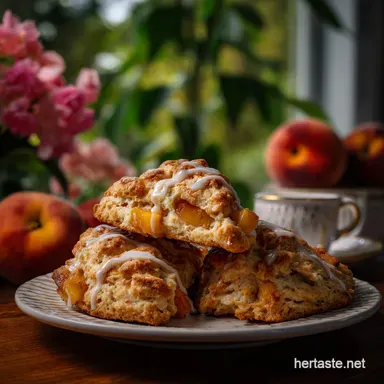
I hope these peach scones bring a little bit of sunshine into your kitchen. There is nothing quite like pulling a tray of these out of the oven and seeing those bright orange pockets of fruit peeking through the golden crust. It’s a simple pleasure, but isn't that what the best baking is all about?
Trust me on this one, your house is about to smell incredible. Let's get baking!

Recipe FAQs
how to make peach scones?
Yes, using cold ingredients is crucial. The best method involves grating frozen butter into the dry ingredients, folding in fresh, diced peaches, and hydrating with cold buttermilk. Mastering this process ensures you get flaky layers rather than a heavy biscuit.
how to make scones step-by-step?
The essential steps are mixing dry, cutting in frozen fat, gently folding in fruit and liquid, patting into a disc, and baking hot and fast. For a quick shortcut if you're short on time, consider looking at the technique in the Fluffy Bisquick Scones The Foolproof 2Ingredient Shortcut Recipe for a simpler base.
what is peach scone about?
It is a rich, crumbly quick bread featuring fresh or frozen stone fruit. The goal is to achieve a tender interior encased in a shattering, buttery crust, balancing the sweetness of the peach with the slight tang of buttermilk.
what is peach scone by hobo johnson about?
This recipe is entirely independent of that musical piece. Hobo Johnson's "Peach Scone" is a spoken word song, but our recipe focuses solely on creating a delicious, flaky pastry.
Can I substitute fresh peaches with canned peaches?
No, canned peaches are strongly discouraged. Canned fruit is waterlogged and will introduce too much moisture, leading to a soggy, dense scone structure that won't rise properly.
My scones turned out tough, what went wrong?
You likely overmixed the dough after adding the liquid. Over mixing develops too much gluten, resulting in a tough texture instead of a tender crumb. If you enjoyed learning about temperature control here, see how the same concept of temperature precision prevents gluten activation in our recipe for the Sunflower Seed and Honey Loaf Bread.
What is the secret to getting tall, flaky layers?
The secret lies in keeping your butter frozen and using a high initial oven temperature. The shock of cold butter hitting high heat creates steam pockets that physically lift the layers apart, which is key to lamination.
Buttermilk Peach Scones Recipe
Ingredients:
Instructions:
Nutrition Facts:
| Calories | 320 calories |
|---|---|
| Protein | 5.6g |
| Fat | 13.3g |
| Carbs | 44.2g |
| Fiber | 1.2g |
| Sugar | 12.4g |
| Sodium | 304mg |
