Traditional Irish Coffee Recipe
- Time: Active 5 minutes, Passive 5 minutes, Total 10 minutes
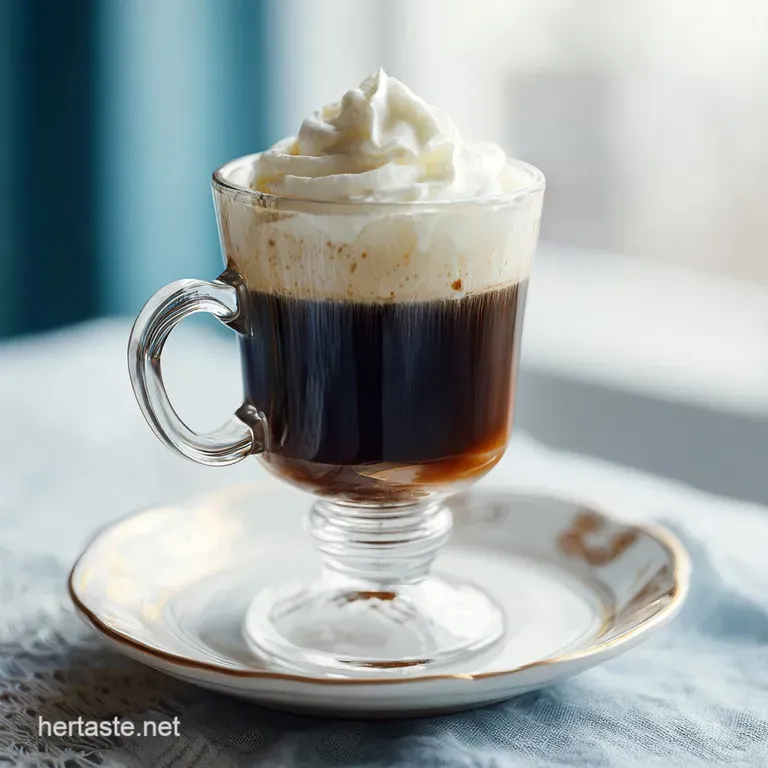
- Flavor/Texture Hook: Sharp mahogany coffee beneath a cloud like, silky cream float
- Perfect for: Cold weekend mornings, after dinner treats, or festive gatherings
- The Science of the Sip
- Recipe Specs and Timing
- Quality Elements for Better Results
- Essential Tools for Home Baristas
- Step by Step Preparation Guide
- Fixing Common Mixing Mistakes
- Easy Ingredient Swaps That Work
- Storing Leftovers and Using Scraps
- Best Pairings for Coffee Drinks
- Recipe FAQs
- 📝 Recipe Card
There is a specific smell that hits you when you walk into a harbor pub on a rainy Tuesday. It is a mix of salt air, old wood, and that sharp, boozy scent of a freshly poured coffee. I remember the first time I tried to recreate that feeling at home. I made the mistake of using whipped cream from a pressurized can.
It vanished into the coffee in three seconds, leaving me with a lukewarm, beige mess. It was a total failure, but it taught me everything about why the "float" actually matters.
You want that first sip to be a shock. The cold, unsweetened cream should hit your lips first, followed immediately by the scorching, whiskey spiked coffee. If the cream mixes in, it is just a latte with whiskey. We aren't making lattes here. We are making a cocktail that feels like a warm hug in a storm.
Getting that cream to stay on top isn't magic, it is just simple mechanics. It's about density and temperature. Once you nail the technique, you will never look at a standard cup of coffee the same way again.
I've spent a lot of time hovering over the sink with a spoon trying to get this right, so let's get you straight to the good part without the soggy cream disasters.
The Science of the Sip
Understanding the physics of this drink helps you troubleshoot it before you even start pouring. It is all about how different liquids interact based on their weight and air content.
- Surface Tension: The layer of coffee acts as a foundation. By dissolving sugar into it, we increase the specific gravity (density) of the coffee, making it "heavier" and better able to support the lighter cream on top.
- Aeration Stability: We don't want stiff peaks. We want the cream to be "half whipped" so it still pours but contains enough air bubbles to be less dense than the liquid below.
- Thermal Tempering: Glass is a poor conductor of heat but can crack under sudden changes. Pre warming the vessel ensures the coffee stays hot and the glass stays intact.
- Alcohol Solubility: Whiskey and coffee blend seamlessly because they are both water based, but the fat in the cream is non polar, which is why it resists mixing if poured gently.
| Method | Prep Time | Cream Texture | Best For |
|---|---|---|---|
| Classic Float | 10 minutes | Silky and pourable | Authentic experience |
| Shaker Jar | 7 minutes | Thick and frothy | Quick weeknight treat |
| Hand Whisked | 12 minutes | Light and airy | Dinner party impresser |
The Shaker Jar method is actually my favorite shortcut. You just put the cold cream in a small mason jar and shake it for about 30 seconds. It gives you that perfect "pourable velvet" texture without dragging out the big mixer.
Recipe Specs and Timing
This is a fast build once your coffee is brewed. Don't let the simplicity fool you; timing is everything to ensure the drink doesn't go lukewarm before the first sip.
- Yield: 1 serving
- Active prep: 5 minutes
- Brew time: 5 minutes
- Total time: 10 minutes
| Component | Science Role | Pro Secret |
|---|---|---|
| Hot Coffee | Solvent base | Use a dark roast to stand up to the whiskey |
| Brown Sugar | Density booster | Adds molasses notes that white sugar lacks |
| Irish Whiskey | Flavor profile | Don't use peated scotch; it ruins the balance |
| Heavy Cream | Thermal barrier | Ensure it is extremely cold before whipping |
Getting the coffee right is half the battle. If you use a weak brew, the whiskey will dominate and make the drink taste thin. I always go for a French press or a strong pour over to get that deep mahogany color that looks so striking against the white foam.
Quality Elements for Better Results
You don't need the most expensive whiskey on the shelf, but you do need ingredients that play well together. Budget smart choices can actually lead to a more balanced drink if you know what to look for.
- 6 oz freshly brewed hot coffee: Use a medium dark roast. Why this? Provides the structural bitterness needed to cut through the sugar and fat.
- 1 tbsp brown sugar: Light or dark both work. Why this? Essential for density; the cream will sink without the dissolved sugar.
- 1.5 oz Irish Whiskey: A standard blended whiskey is perfect. Why this? Smooth, triple distilled character blends better than spicy rye or smoky scotch.
- 2 oz cold heavy whipping cream: Must be at least 36% fat. Why this? Lower fat "half and half" won't hold the air needed to float.
- 1 pinch grated nutmeg: Freshly grated if possible. Why this? The aroma hits your nose before the sip, enhancing the whiskey's spice.
Chef's Tip: If you find your coffee is always too bitter, add a tiny pinch of salt to the grounds before brewing. It neutralizes the bitter compounds and makes the chocolatey notes of the coffee pop.
Essential Tools for Home Baristas
You don't need a professional bar setup, but a few specific items make the "float" much easier to achieve. The glass choice is actually more important than you think for heat retention.
- Heat resistant glass: Ideally a stemmed glass or a glass mug so you can see the layers.
- Bar spoon: A long handled spoon with a flat back is the traditional tool for pouring.
- Small whisk or mason jar: For aerating the cream to the perfect consistency.
- Measuring jigger: Accuracy with the whiskey ensures the drink isn't overpowering.
- Small grater: For the nutmeg garnish at the very end.
If you don't have a bar spoon, a regular teaspoon works just fine. The trick is more about the technique than the tool itself. If you are planning a full themed dinner, this drink sits beautifully next to a Traditional Irish Colcannon recipe. It rounds out the meal with that same comforting, rustic energy.
step-by-step Preparation Guide
- Warm the glass. Fill your glass with boiling water and let it sit for 1 minute until the glass feels hot to the touch.
- Whip the cream. Pour the cold heavy cream into a jar and shake or whisk until it is thickened but still pourable. Note: If it forms stiff peaks, it won't pour smoothly over the spoon.
- Brew the base. Prepare 6 oz of strong coffee using your preferred method.
- Discard water. Empty the hot water from your glass and pat it dry.
- Sweeten the coffee. Add the brown sugar to the warm glass followed by the hot coffee.
- Dissolve sugar. Stir vigorously until no sugar crystals remain at the bottom.
- Add the spirit. Pour in the Irish whiskey and give it one quick stir to combine.
- Prepare the float. Hold a spoon upside down over the coffee, with the tip just touching the surface.
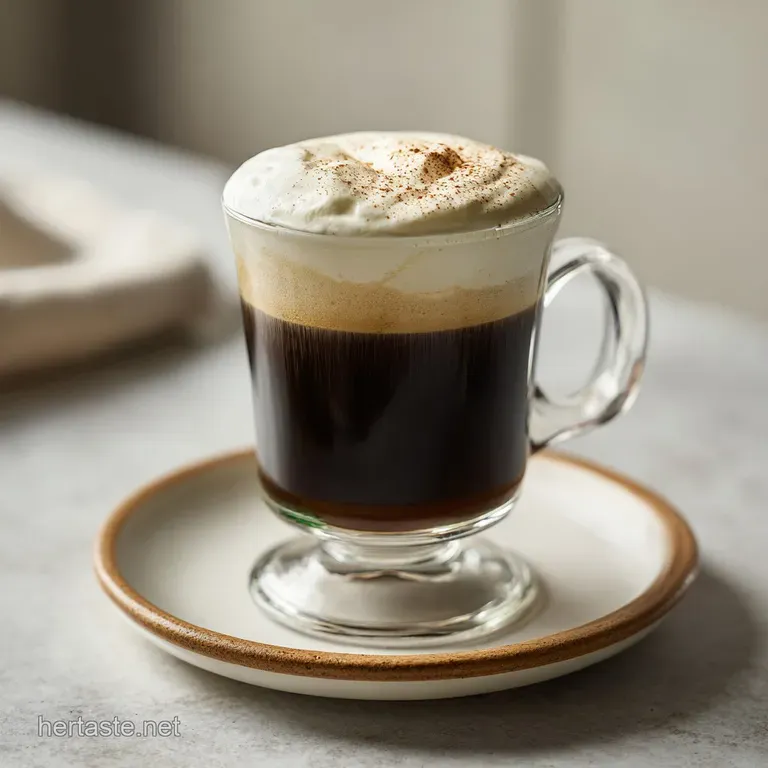
- Pour the cream. Slowly drizzle the cream over the back of the spoon until a distinct white layer forms on top.
- Garnish and serve. Dust with nutmeg and serve immediately until the first sip hits the palate.
For those who love the profile of roasted beans in their desserts, you've got to try this Cà Phê Sữa recipe. They have that same addictive coffee and cream vibe but in a chewy, marbled cookie form.
Fixing Common Mixing Mistakes
The biggest frustration with this drink is watching that beautiful white cream dive straight to the bottom. It's usually a simple fix involving temperature or sugar content.
The Cream is Sinking
If your cream isn't staying on top, the coffee likely isn't "heavy" enough. This happens if the sugar wasn't fully dissolved or if you skipped the sugar entirely. The cream also needs to be cold; if it warms up while you're whisking, it loses its ability to trap air.
The Coffee Tastes Too Boozy
This usually happens if the coffee wasn't hot enough when the whiskey was added. The heat helps some of the sharper alcohol vapors dissipate. It can also happen if you use a light roast coffee that gets drowned out by the grain notes of the whiskey.
| Problem | Root Cause | Solution |
|---|---|---|
| Cream streaks into coffee | Pouring too fast or too high | Use the back of a spoon and pour slowly |
| Sugar won't dissolve | Coffee cooled down too much | Add sugar to the glass before the coffee |
| Glass cracks | Thermal shock from cold room | Always pre warm the glass with hot water |
Common Mistakes Checklist
- ✓ Never use "light" cream or half and half; the fat content is too low to float.
- ✓ Don't use boiling coffee; let it settle for 30 seconds so it doesn't "cook" the cream.
- ✓ Avoid over whipping the cream into a solid mass.
- ✓ Ensure the whiskey is at room temperature, not chilled.
- ✓ Stir the sugar completely; undissolved grains won't provide the necessary density.
Easy Ingredient Swaps That Work
You can still get a fantastic result even if your pantry isn't fully stocked. The key is maintaining the ratio of fat to liquid so the layers stay separated.
| Original Ingredient | Substitute | Why It Works |
|---|---|---|
| Brown Sugar (1 tbsp) | Maple Syrup (1 tbsp) | High density and adds a woody sweetness. |
| Irish Whiskey (1.5 oz) | Dark Rum (1.5 oz) | Similar weight. Note: Adds caramel/tropical notes. |
| Fresh Coffee (6 oz) | Hot Water + Espresso | Provides the same strength and volume. |
If you are looking for a dairy-free version, use full fat coconut milk from a can. Chill the can overnight and only use the thick cream from the top. It won't whip quite the same as heavy cream, but it has the fat content needed to sit on top of the coffee.
Just be aware it adds a noticeable coconut flavor that changes the classic profile.
Storing Leftovers and Using Scraps
Irish coffee is best served fresh, but if you find yourself with leftover components, there are ways to save them. The cream is usually the first thing to go, so handle it with care.
Storage: You shouldn't store the assembled drink. However, the thickened cream will stay good in the fridge for up to 2 days in an airtight container. If it separates, just give it a quick whisk to bring it back to that velvety state.
Leftover coffee can be frozen into ice cubes for iced coffee later in the week.
Zero Waste: If you have leftover whiskey spiked coffee, don't pour it down the drain. It makes an incredible base for a chocolate cake soak or can be stirred into a pot of chili to add depth and a hint of smoke.
You can also mix leftover cream into your morning oatmeal for a ridiculously decadent breakfast.
Best Pairings for Coffee Drinks
This drink is quite rich, so it usually acts as the dessert itself. However, if you want to serve it alongside something, look for textures that contrast the smoothness of the cream.
- Shortbread cookies: The buttery, crumbly texture is the perfect foil for the liquid.
- Dark chocolate: A high cacao bar brings out the roasted notes in the coffee.
- Aged cheddar: It sounds weird, but the sharp saltiness of the cheese cuts through the sugar and fat beautifully.
- Biscotti: Specifically almond or hazelnut flavors.
Debunking Popular Coffee Myths
A common misconception is that the whiskey "cooks" the cream. In reality, the cream stays cold because of its high fat content and the short contact time with the hot liquid. Another myth is that you need a specific brand of whiskey.
While Jameson is the classic choice, any smooth, triple distilled Irish whiskey will work. Searing or "burning off" the alcohol doesn't happen in a glass of coffee; you are purely looking for flavor integration, not a reduction.
Scaling for a Crowd
If you are making this for a group, don't try to whip the cream in individual batches. Whip a large bowl of cream to the "soft pour" stage and keep it in the fridge until the very last second. You can pre mix the whiskey and sugar in a carafe, then just add the hot coffee when you're ready to serve.
This keeps the assembly line moving fast so the first person's drink isn't cold by the time the last one is poured. For a 4x batch, use 24 oz of coffee, 4 tbsp sugar, and 6 oz of whiskey. Keep the nutmeg grater handy for a quick finish!

Recipe FAQs
What is the key physical principle that keeps the cream floating on top?
Density difference combined with surface tension. Dissolving sugar into the hot coffee increases its specific gravity, making the sweetened coffee denser than the lightly aerated, cold cream floating on the surface.
Must I use heavy whipping cream, or can I substitute half and-half?
No, heavy whipping cream is mandatory for the float. Half and-half or milk lacks the necessary fat content (must be 36%+) to hold the air bubbles required to remain less dense than the liquid below.
How do I achieve the ideal cream texture that pours easily but still floats?
Shake or whisk the cold cream until it reaches a velvety, pourable stage, often called "soft pour." Stop before stiff peaks form, as over aerated cream becomes too voluminous and light, leading to inconsistent layers.
Is it true that using instant coffee ruins the flavor profile of Irish Coffee?
Yes, instant coffee generally results in a thinner taste. The robust, complex oils extracted from freshly brewed dark roast coffee are necessary to balance the heat and grain notes of the whiskey, similar to how a strong base is needed in a Carajillo Coffee Cocktail recipe.
How should I temper the glass to prevent it from cracking when adding boiling liquid?
Fill the serving glass completely with boiling water and let it sit for one minute before discarding. This gradual warming prevents thermal shock when you immediately add the hot, sweetened coffee mixture.
What is the best technique for pouring the cream without immediately mixing it into the coffee?
Hold an upside down spoon just above the coffee surface and slowly drizzle the cream over the back of the spoon bowl. This technique gently disperses the cream, allowing you to build up a distinct layer across the top.
If I prefer a richer, sweeter base, what substitute works well for brown sugar?
Maple syrup makes an excellent substitute for brown sugar. It provides the necessary density boost while introducing complex, woody sweetness that complements the whiskey, a similar flavor integration principle seen in my St Patricks Day recipe preparations.
Traditional Irish Coffee Recipe
Ingredients:
Instructions:
Nutrition Facts:
| Calories | 348 kcal |
|---|---|
| Protein | 1.4 g |
| Fat | 21.6 g |
| Carbs | 13.8 g |
| Sugar | 13.2 g |
| Sodium | 24 mg |
