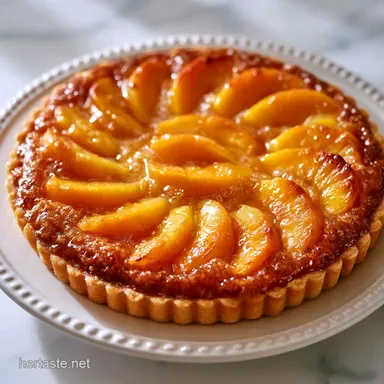
Pioneer Woman Peach Cobbler: Rustic and Velvety
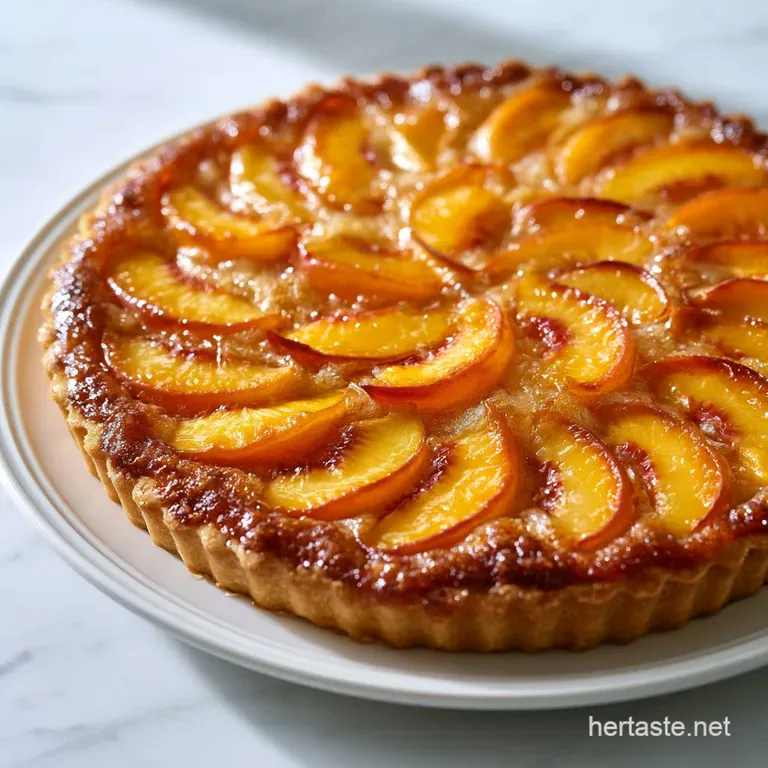
- Time:15 minutes active + 45 minutes bake = 60 minutes total
- Flavor/Texture Hook: Buttery, cakey crust with bubbling, cinnamon spiced fruit
- Perfect for: Seasonal summer gatherings or cozy Sunday family dinners
- Pioneer Woman Peach Cobbler Recipe
- How This Cobbler Actually Works
- Component Analysis
- Gathering All Your Ingredients
- Essential Tools For Baking
- The Step-by-Step Process
- Fixing Common Baking Mistakes
- Creative Flavor Variations
- Adjusting Batch Sizes
- Common Baking Myths
- Storage and Zero Waste
- Best Pairings and Sides
- Recipe FAQs
- 📝 Recipe Card
The smell of cinnamon and melted butter hitting a hot oven is a sensory trigger that immediately takes me back to my grandmother's kitchen. I remember the first time I tried this, I was so nervous about the batter not mixing with the butter that I almost stirred them together.
My aunt stopped me just in time, telling me that the magic happens when you leave them alone. That one moment taught me that in rustic baking, sometimes the best thing you can do is absolutely nothing.
Once it hits that 45 minute mark, the aroma changes from raw flour and sugar to a deep, caramelized scent that fills every corner of the house. There is something so joyful about watching the peaches bubble up around the edges of the crust. It is not a fussy dessert, and that is exactly why it works.
If you are looking for a genuine comfort bake, this pioneer woman peach cobbler recipe is the way to go. We are talking about a dish that feels like a hug in a pan, combining a soft, pillowy top with fruit that has practically turned into jam.
It is the kind of treat that makes people forget their phones and actually talk to each other at the table.
Pioneer Woman Peach Cobbler Recipe
Right then, let's talk about what makes this specific version so special. Most cobblers are either just a biscuit on top or a full blown cake. This one sits right in the middle. It has a richness that comes from the melted butter base, which essentially fries the bottom of the cake as it bakes.
It creates a contrast between the silky peaches and the slightly crisp edges of the topping.
I have found that using seasonal peaches makes a world of difference, but the method is sturdy enough to handle whatever you have in the pantry. Whether you are using fresh, frozen, or canned fruit, the layering process remains the same. Trust me on this, don't be tempted to stir the batter into the butter.
The separation is what gives you that distinct, rustic texture.
This style of hearty, home cooked goodness is very similar to the approach used in a [Spaghetti Sauce for 7 recipe](https://hertaste.net/recipes/pioneer woman-spaghetti sauce/), where simple ingredients are allowed to meld together over time to create something deeply satisfying.
It is all about letting the ingredients do the heavy lifting while you just provide the heat.
How This Cobbler Actually Works
The Butter Base: Melting butter in the pan creates a fat barrier that prevents the cake from sticking and adds a rich, fried flavor to the bottom crust.
Fruit Maceration: Tossing peaches with sugar and lemon juice draws out the natural moisture, creating a velvety syrup before it even hits the oven.
Leavening Lift: The baking powder reacts with the heat and the acidity of the lemon juice to push the batter upward through the fruit.
Sugar Caramelization: High sugar content in the topping causes the edges to brown into a deep mahogany color, providing a bitter sweet contrast to the tart fruit.
When dealing with the flour and leavening agents, it is helpful to understand how gluten develops. If you overmix the batter, you risk getting a tough crust rather than a tender one, similar to the challenges faced when making [Bobby Flay pizza dough](https://hertaste.net/recipes/bobby flay-pizza dough/), where timing and mixing are everything.
Since we are using a standard all purpose flour, the starch gelatinizes as it absorbs the milk and butter, locking in the moisture from the peaches.
| Method | Time | Texture | Best For |
|---|---|---|---|
| Oven Bake | 60 mins | Cakey and caramelized | Traditional family dinners |
| Stovetop | 40 mins | Gooey and soft | Small batches / Quick cravings |
| Slow Cooker | 4 hours | Pudding like | Hands off entertaining |
Component Analysis
Understanding the role of each ingredient helps you make better decisions if you're missing something in your pantry. For instance, the lemon juice isn't just for flavor; it's a functional component that interacts with the baking powder to ensure a better rise.
| Ingredient | Science Role | Pro Secret |
|---|---|---|
| Unsalted Butter | Fat/Conductivity | Melt completely to ensure an even "fry" on the bottom |
| Baking Powder | Chemical Leavener | Check the expiration date; old powder means a flat cobbler |
| Lemon Juice | Acidifier | Cuts the sugar and brightens the peach flavor |
| Whole Milk | Hydration/Tenderizer | Use room temperature milk to avoid curdling the butter |
Gathering All Your Ingredients
For the filling, you will need 4 cups (600g) of sliced peaches. If you are using fresh ones, don't worry about peeling them - the skins add a rustic look and a bit of extra pectin. You will also need 1/2 cup (100g) of granulated sugar, 1 tbsp (15ml) of lemon juice, and 1 tsp (2g) of ground cinnamon.
For the batter, gather 1/2 cup (115g) of unsalted butter, 1 cup (125g) of all purpose flour, 1 cup (200g) of granulated sugar, 1 tbsp (12g) of baking powder, 1/4 tsp (1.5g) of salt, and 1 cup (240ml) of whole milk.
If you want to swap things out, check the table below. Just remember that changing the fat source can alter the final scent of the dish.
| Original Ingredient | Substitute | Why It Works |
|---|---|---|
| All Purpose Flour | Self Rising Flour | Same structure. Note: Skip the baking powder and salt |
| Whole Milk | Buttermilk | Adds a tangy depth. Note: Makes the crust slightly more tender |
| Fresh Peaches | Frozen Peaches | Similar flavor. Note: Thaw and drain excess water first |
| Granulated Sugar | Light Brown Sugar | Adds molasses notes. Note: Makes the syrup thicker and darker |
When selecting your flour, using a trusted brand like those recommended by [King Arthur Baking](https://www.kingarthurbaking.com) can ensure your protein levels are consistent, which prevents the topping from becoming too dense.
Essential Tools For Baking
You don't need a professional kitchen to make this work, but a few specific tools make the process smoother. A 9x13 inch baking dish is non negotiable here because the ratio of batter to fruit depends on the surface area of the pan.
A large mixing bowl and a whisk are essential for the batter. I prefer using a whisk over a fork because it incorporates the baking powder more evenly, ensuring there are no "holes" in the rise. A medium bowl for the peaches is also necessary so you have plenty of room to toss them without bruising the fruit.
Finally, a silicone spatula is great for scraping every bit of batter out of the bowl. Don't use a metal spoon if you have a non stick pan, as you don't want to scratch the surface before the butter has a chance to coat it.
The step-by-step Process
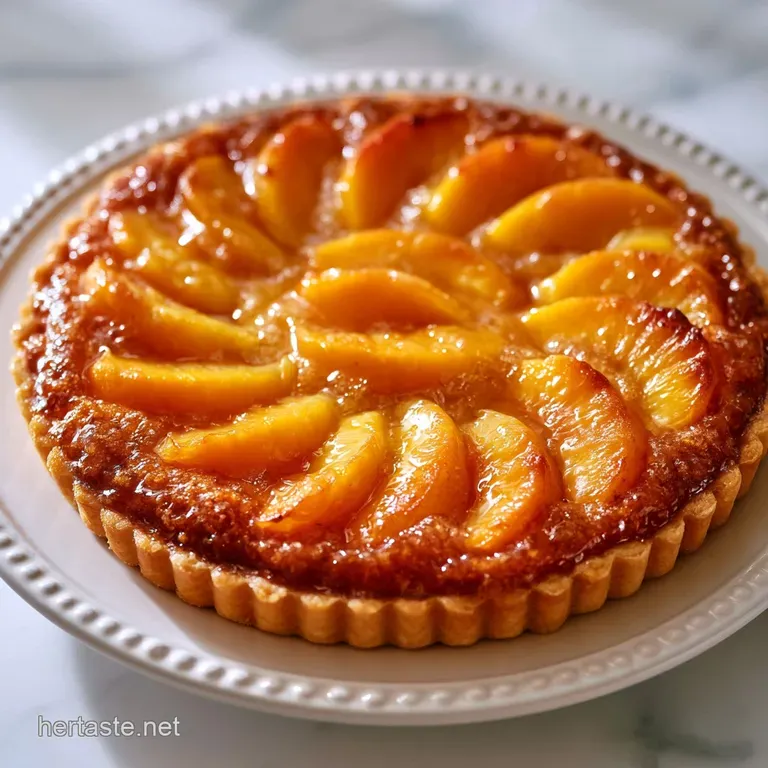
Let's crack on. The key here is the order of operations. If you rush the fruit prep, you'll miss out on that velvety syrup that makes the dish so decadent.
- Toss sliced peaches with 1/2 cup granulated sugar, lemon juice, and cinnamon in a bowl. Note: Let them macerate for 10 minutes until a natural syrup forms.
- Preheat your oven to 350°F (175°C). Note: Ensure the rack is in the center for even heat distribution.
- Pour the melted butter into the bottom of a 9x13 inch baking dish. Sizzle the butter by swirling it to coat the bottom and the edges completely.
- In a mixing bowl, whisk together the flour, 1 cup granulated sugar, baking powder, and salt.
- Stir in the milk until just combined. Note: Do not overmix; a few lumps are actually fine and help with the texture.
- Pour the batter directly over the melted butter in the baking dish. Crucial: Do not stir the batter into the butter.
- Spoon the cinnamon peach mixture evenly over the top of the batter.
- Bake for 40 45 minutes until the edges turn a deep mahogany brown and the fruit is bubbling vigorously.
Chef's Note: For an unconventional twist, try adding a pinch of ground nutmeg or a dash of almond extract to the peaches. It deepens the flavor profile and makes it taste like it came from a high end bakery.
Fixing Common Baking Mistakes
Even the best of us mess up. I once forgot to macerate my peaches, and the result was a cobbler that was too dry because the fruit hadn't released its juices. The fruit should be swimming in a bit of syrup before it goes into the pan.
To Prevent Runny Bottoms
If your cobbler feels a bit too wet at the bottom, it is usually because the peaches were too juicy or the oven temperature was too low. This prevents the butter and flour from setting properly. Make sure your oven is fully preheated before the pan goes in.
For a Golden Crust
A pale crust usually means the sugar wasn't distributed evenly or the pan was too crowded. If you notice the center is still pale at 40 minutes, give it another 5 minutes, but keep a close eye on the edges so they don't burn.
To Balance The Sweetness
If the dish tastes too sugary, you can fix this by adding an extra squeeze of lemon juice over the top immediately after taking it out of the oven. The acid cuts through the sugar and wakes up the peach flavor.
| Problem | Root Cause | Solution |
|---|---|---|
| Batter didn't rise | Expired baking powder | Replace leavener and check dates |
| Fruit is too mushy | Overcooked / Canned peaches | Reduce bake time by 5 mins for canned |
| Crust is tough | Overmixed the batter | Stir until "just combined" only |
Before you start, run through this quick checklist to ensure a successful bake:
- ✓ Peaches have rested for 10 mins in sugar/lemon
- ✓ Butter is fully melted and coating the pan
- ✓ Batter is poured without stirring into the butter
- ✓ Oven is preheated to exactly 350°F (175°C)
- ✓ Baking powder is fresh and active
Creative Flavor Variations
While the classic version is a winner, I love playing around with the fruit. This pioneer woman peach cobbler recipe is incredibly versatile. For a "Peach Crisp" style, you can sprinkle a mixture of oats, brown sugar, and cold butter on top of the batter before baking.
If you want a tangy twist, try adding a handful of fresh blueberries or raspberries to the peach mix. The tartness of the berries balances the sweetness of the cake topping. Another great option is to use a mix of fresh and frozen peaches to get a more complex texture.
For those who want a lower sugar swap, you can reduce the granulated sugar in the batter by 25% and add a teaspoon of vanilla bean paste. The aromatic quality of the vanilla fools your brain into thinking the dish is sweeter than it actually is.
If you prefer a nutty crunch, fold 1/2 cup of chopped pecans or walnuts into the batter. The nuts will sink slightly and toast in the butter base, creating a savory element that complements the fruit.
Adjusting Batch Sizes
Scaling a dessert requires more than just doubling the numbers. Because baking is about heat distribution, the pan size and temperature need to shift slightly.
If you are scaling down to a half batch, use an 8x8 inch square pan. You will likely need to reduce the baking time by about 20%, so start checking for doneness at 30 minutes. Since you can't easily halve an egg (though this recipe doesn't use one), the ratios remain fairly simple.
When scaling up to a double batch, do not simply use a deeper pan. Use two 9x13 inch pans. If you insist on using one giant roasting pan, lower the oven temperature by 25°F (to 325°F / 160°C) and extend the baking time. This prevents the edges from burning before the center is set.
For the spices and salt, only increase them by 1.5x even if you are doubling the recipe. Too much cinnamon or salt can overwhelm the delicate flavor of the peaches.
| Scale | Pan Size | Temp Adjustment | Time Adjustment |
|---|---|---|---|
| 1/2 Batch | 8x8 inch | No change | Reduce by 10-15 mins |
| 2x Batch | Two 9x13 | No change | Same as original |
| 2x Batch | Large Roast | Lower by 25°F | Increase by 15-20 mins |
Common Baking Myths
There is a lot of noise out there about cobblers. One big myth is that you have to peel the peaches. Honestly, don't even bother with it. The skins hold most of the color and a good chunk of the nutrients, and they soften up completely during the 45 minute bake.
Another misconception is that stirring the batter into the melted butter helps it cook more evenly. In reality, the opposite is true. The "no stir" method creates a layered effect where the batter rises through the fat, which is exactly how you get that specific, velvety texture.
Some people claim you need to use a stand mixer for the batter to get a good rise. That is simply not true. A hand whisk is actually better here because it prevents you from overworking the gluten, which would make the topping more like bread than cake.
Storage and Zero Waste
Once you've finished the feast, you'll likely have leftovers. Store any remaining cobbler in an airtight container in the fridge for up to 4 days. To reheat, I recommend using the oven at 300°F (150°C) for 10 minutes to bring back that mahogany crispness.
The microwave works, but it can make the crust a bit rubbery.
If you want to freeze it, let the cobbler cool completely, then cut it into squares and wrap them individually in parchment paper and foil. They will stay fresh in the freezer for up to 3 months. Thaw overnight in the fridge before reheating.
To avoid waste, use the leftover peach syrup from the maceration bowl. You can drizzle it over vanilla ice cream or stir it into a morning yogurt. If you have leftover peach skins or scraps, simmer them with a bit of water and sugar to make a quick peach simple syrup for cocktails or iced tea.
Best Pairings and Sides
The richness of this dish calls for something that can cut through the sweetness. A big scoop of cold vanilla bean ice cream is the classic choice, as the melting cream creates a sauce with the warm peaches.
For something a bit more sophisticated, try a dollop of crème fraîche or Greek yogurt mixed with a hint of honey.
If you are serving this as part of a larger spread, keep the other sides light. A fresh mint salad or some sliced crisp apples provide a refreshing contrast to the buttery cobbler. If you are doing a full "Pioneer" style meal, this is the perfect end to a dinner of roasted meats and root vegetables.
For a drink pairing, a cold glass of sparkling cider or a late harvest Riesling works beautifully. The acidity in these drinks cleanses the palate between bites of the rich, cinnamon spiced fruit.
Recipe FAQs
What's the secret to the best peach cobbler?
Macerating the peaches and layering the batter. Letting the fruit sit with sugar and lemon juice creates a natural syrup, while pouring the batter over melted butter ensures a rich, golden crust.
Is it better to use canned or frozen peaches for peach cobbler?
Frozen is better than canned. Frozen peaches maintain a firmer texture and a more natural flavor, whereas canned versions are often overly sweet. If you enjoy these flavor profiles, you might like our peach cobbler ice cream for a refreshing dessert variation.
What is the difference between southern peach cobbler and regular peach cobbler?
Southern cobbler typically uses a cake like batter. While some recipes use a biscuit style topping, this version creates a soft, cohesive crust that bubbles up around the fruit during baking.
Can I use frozen peaches instead of fresh ones?
Yes, you can. Just ensure they are slightly thawed before tossing them with sugar to prevent the batter from cooling too quickly in the oven.
How do I know when the cobbler is perfectly baked?
Look for deep mahogany brown edges and vigorously bubbling fruit. These visual cues confirm the batter is fully set and the peach syrup has thickened.
Can I make this cobbler ahead of time?
Yes, it stores well. Keep leftovers in an airtight container in the fridge for 4 days or freeze individual squares wrapped in parchment and foil for up to 3 months.
Is it true that the batter should be stirred into the melted butter?
No, this is a common misconception. You must pour the batter directly over the melted butter without stirring to achieve the correct texture and rise.
Pioneer Woman Peach Cobbler 2