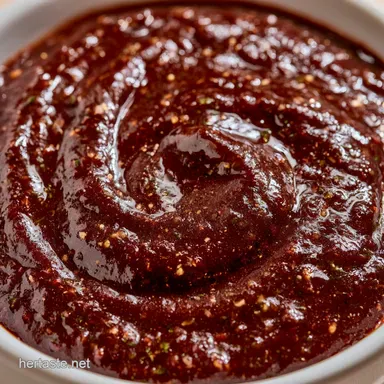
Pioneer Woman Enchilada Sauce: Savory and Rich
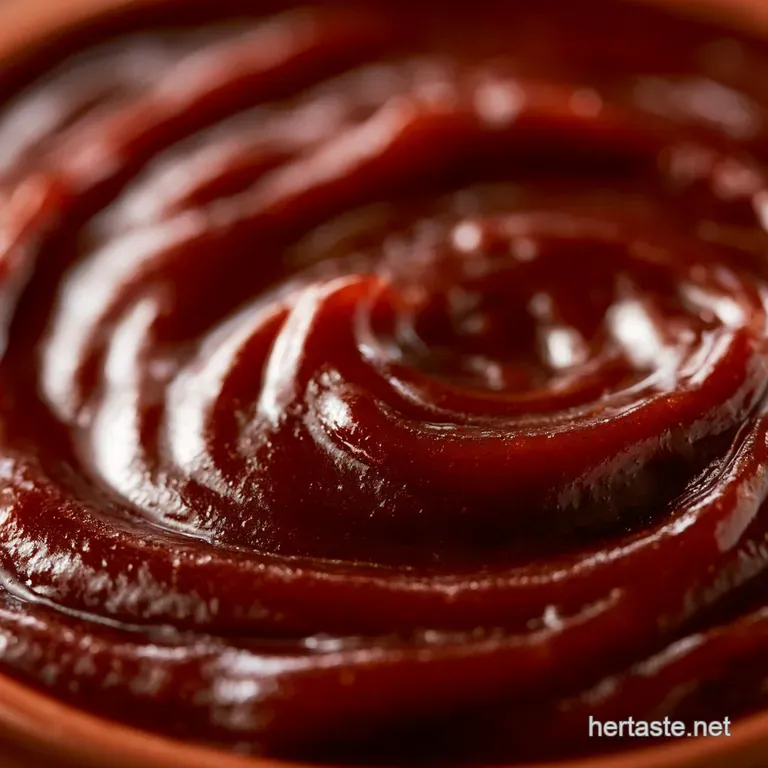
- Time: 10 min prep + 15 min cook = 25 min total
- Flavor/Texture Hook: Velvety, savory, and deeply aromatic
- Perfect for: Busy weeknights or meal prep for family dinners
Sizzle. That's the sound of butter hitting a medium hot pan, and for me, it's the official start of taco night. I remember the first time I tried to skip the roux and just mix spices into broth, thinking I was being "efficient." The result was a watery, gritty mess that tasted like spicy tea.
I almost gave up on homemade sauce entirely until I realized the secret is all in how you treat the fat and flour.
Once I shifted to this method, everything changed. It’s not about spending all day in the kitchen, but about doing a few small things the right way. The result is a sauce that clings to the tortilla rather than pooling at the bottom of the dish.
You can expect a sauce that is rich and smooth, with a punch of cumin and a bright finish. This pioneer woman enchilada sauce recipe doesn't require fancy dried chiles or a blender, making it accessible for anyone with a basic skillet and a whisk.
The Pioneer Woman Enchilada Sauce Recipe
The real win here is the speed. We're talking about a total time of 25 minutes from the moment you pull the butter out of the fridge to the moment the sauce is bubbling and ready. It's a quick win that makes the whole meal feel like a labor of love, even if you're rushing through a Tuesday night.
If you're planning a larger spread, this red sauce is the backbone of the meal. While this is a standalone hit, I've found that having a few different homemade condiments on the table really changes the vibe. For something completely different but just as fast, you might like my Hibachi Yum Yum Sauce for a side of fried rice to add a fusion twist to your dinner.
Whether you're filling your tortillas with shredded chicken or roasted vegetables, this sauce provides the savory glue that holds everything together. It's a reliable, no fail approach that beats the canned stuff every single time.
Why This Sauce Works
I've always been curious about why some sauces feel "thin" while others feel "velvety." It usually comes down to a few simple mechanical reactions in the pan.
- The Roux Base: Butter and flour combine to create a thickening agent that stabilizes the liquid. According to Serious Eats, a roux prevents the sauce from breaking or separating when heated.
- Spice Blooming: Frying the chili powder and cumin in fat wakes up the oils in the spices. This creates a much more intense flavor than just stirring them into a liquid.
- The Acid Balance: A tiny bit of vinegar cuts through the heavy fat of the butter and the richness of the beef broth. It brightens the whole profile so it doesn't taste "flat."
- Tomato Integration: The paste adds a concentrated base of umami and a deep red color without adding too much extra water.
| Method | Time | Texture | Best For |
|---|---|---|---|
| Fast (Roux) | 25 mins | Velvety & Thick | Weeknights |
| Classic (Whole Chile) | 1.5 hours | Gritty & Bold | Special Events |
| Canned | 2 mins | Metallic & Thin | Emergency meals |
Component Deep Dive
Understanding what each ingredient is actually doing helps you tweak the recipe if you run out of something. It's not just a list; it's a system.
| Ingredient | Science Role | Pro Secret |
|---|---|---|
| Unsalted Butter | Fat Medium | Use a high fat European butter for a silkier mouthfeel |
| AP Flour | Starch Thickener | Cook until "blonde" to remove the raw flour taste |
| Chili Powder | Primary Flavor | Use a blend with mild heat to avoid overpowering the dish |
| Apple Cider Vinegar | PH Balancer | Stir it in at the very end to keep the tang fresh |
Tools You Will Need
You don't need a professional kitchen for this. I've made this with the bare minimum, and it still turns out great. A heavy bottomed saucepan or a skillet is your best bet because it distributes heat evenly, preventing the flour from scorching.
A sturdy whisk is non negotiable. You need something that can reach the corners of the pan to get rid of those stubborn flour clumps. If you don't have one, a fork works in a pinch, but you'll have to work twice as hard.
Finally, a wooden spoon is great for stirring in the tomato paste. It gives you a better feel for the thickness of the sauce as it simmers. Trust me, the "back of the spoon" test is the only way to know when it's truly done.
The Cooking Process
Let's crack on. Keep your broth nearby so you aren't scrambling while the butter is foaming.
- Melt 1/4 cup unsalted butter over medium heat. Wait until it begins to foam and sizzleNote: this ensures the pan is hot enough for the flour.
- Whisk in 1/4 cup all purpose flour. Cook for 2-3 minutes, stirring constantly, until a blonde roux forms.
- Stir in 1/3 cup chili powder, 1 tsp cumin, 1/2 tsp garlic powder, and 1/4 tsp onion powder. Cook for 60 seconds until the aroma fills the room.
- Add 2 tbsp tomato paste. Stir vigorously until the paste is fully integrated and the sauce looks deep red.
- Slowly pour in 2 cups beef broth. Whisk vigorously until no lumps remain, then bring it to a gentle simmer.
- Lower the heat to low. Simmer for 5-10 minutes until the sauce coats the back of a spoon.
- Stir in 1/2 tsp salt. This enhances the savory notes of the beef broth.
- Stir in 1/2 tsp apple cider vinegar. Remove from heat immediatelyNote: this preserves the brightness of the acid.
Solving Common Sauce Issues
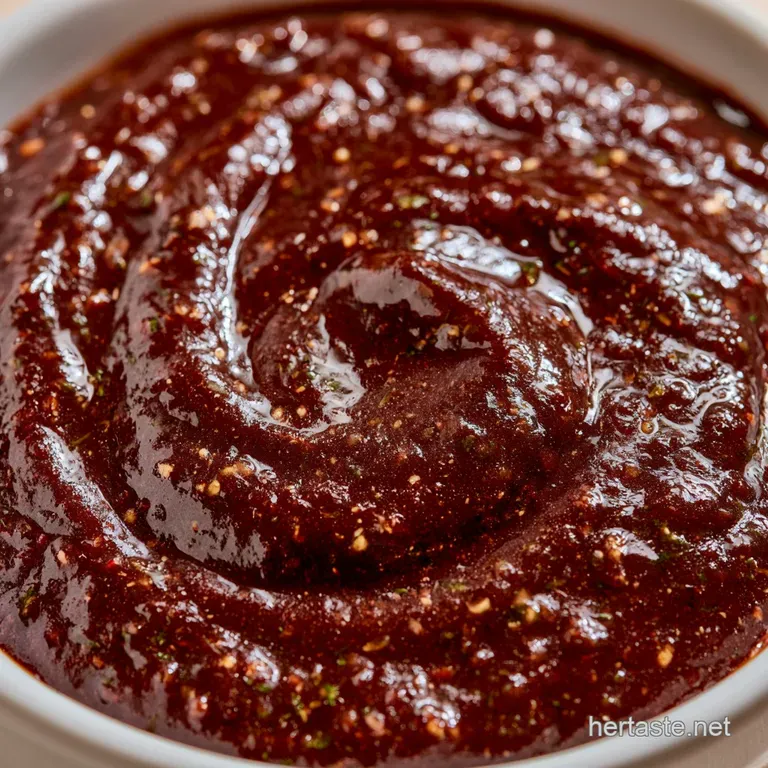
Even with a simple pioneer woman enchilada sauce recipe, things can go sideways. Usually, it's just a matter of temperature or timing.
Sauce Too Lumpy
Lumps happen when the broth is added too quickly or the whisking isn't aggressive enough. The flour clumps together and creates little "dough balls" in the sauce. If this happens, don't panic. You can either whisk it vigorously over heat or just run it through a quick blender pulse.
Sauce Too Thick
If you simmer for too long, the water evaporates and the sauce becomes a paste. This is easy to fix. Just whisk in an extra tablespoon of broth or water at a time until you hit that velvety consistency again.
Bitter Taste Issues
Sometimes the chili powder can taste bitter if it burns during the blooming phase. To fix this, add a tiny pinch of sugar or an extra drop of vinegar to balance the bitterness.
| Problem | Root Cause | Solution |
|---|---|---|
| Lumpy Texture | Liquid added too fast | Whisk faster or strain through mesh |
| Too Thick | Over reduction | Add beef broth 1 tbsp at a time |
| Bitter Flavor | Scorched spices | Add a pinch of brown sugar |
Common Mistakes Checklist
- ✓ Don't leave the roux unattended; it can burn in seconds.
- ✓ Use a whisk, not a spoon, when adding the broth.
- ✓ Avoid high heat during the simmer phase to prevent scorching.
- ✓ Stir in the vinegar at the end, not the beginning.
- ✓ Make sure the butter is fully melted before adding flour.
Dietary Changes and Swaps
You can definitely modify this without ruining the vibe. The key is matching the fat and the liquid ratios. If you're swapping the broth, just make sure the substitute has a similar salt level.
For those who prefer a different flavor profile, you can easily pivot. If you're looking for a Spaghetti Sauce for 7 recipe style of richness but in a Mexican dish, you can add a bit more tomato paste and a pinch of dried oregano.
| Original Ingredient | Substitute | Why It Works |
|---|---|---|
| Unsalted Butter | Coconut Oil | Similar fat content. Note: Adds a slight tropical sweetness |
| Beef Broth | Vegetable Broth | Works for vegetarians. Note: Lighter, less savory depth |
| All Purpose Flour | Cornstarch (slurry) | gluten-free option. Note: Texture is glossier, less "creamy" |
| Apple Cider Vinegar | Lime Juice | Traditional Mexican profile. Note: Adds a citrusy punch |
If you want to make this vegan, use a plant based butter and vegetable broth. The cornstarch slurry method works best here, but remember to mix the cornstarch with cold water first so it doesn't clump. For a low sodium version, use "no salt added" broth and omit the extra 1/4 tsp of salt.
Scaling the Batch
Making a double batch is a smart move because this sauce is great for more than just enchiladas. However, you can't just double everything blindly.
Scaling Down (Half Batch): Use 2 tbsp butter and 2 tbsp flour. Since the volume is smaller, the sauce will thicken much faster. Reduce the simmer time by about 20%, or you'll end up with a paste.
Scaling Up (Double or Triple): When doubling, increase the liquids and fats exactly, but be cautious with the spices. Start with 1.5x the spices and taste before adding the full 2x amount. Large batches hold more heat, so the roux may brown faster than you expect.
Work in a larger pot to ensure you have enough room to whisk vigorously without splashing.
Sauce Myths
There are a few things people believe about enchilada sauce that just aren't true.
Myth: Canned sauce is "basically the same" as homemade. Actually, canned sauces often have a metallic tang and a gelatinous texture from thickeners like modified cornstarch. Homemade sauce has a velvety finish and a fresh aroma that you just can't get from a tin.
Myth: You must use dried whole chiles for "real" sauce. While whole chiles are great, a high-quality chili powder is just ground dried chiles. The roux method provides the same depth of flavor in a fraction of the time, making it a practical choice for home cooks.
Storage and Waste Tips
Don't let any extra sauce go to waste. It's surprisingly versatile.
Fridge & Freezer: Store the sauce in an airtight glass jar in the fridge for up to 5 days. If you've made a huge batch, it freezes beautifully. Pour it into freezer safe bags, squeezing out as much air as possible. It stays fresh for up to 3 months.
To reheat, just thaw it in the fridge overnight and warm it in a pan over low heat.
Zero Waste Hacks: If you have a few tablespoons left, don't toss them. Stir them into your morning eggs for a southwest scramble, or use them as a glaze for roasted carrots. You can also mix the leftover sauce with a bit of sour cream to make a quick dipping sauce for tortilla chips.
Serving and Garnish Ideas
Since the sauce is so rich and velvety, you want garnishes that provide contrast. Something crunchy or acidic will cut through the richness.
I love topping my enchiladas with a handful of thinly sliced radishes and some pickled red onions. The crunch of the radish and the tang of the onions wake up the savory notes of the beef broth. A sprinkle of fresh cilantro and a crumble of salty cotija cheese are also essential.
If you're using this for an enchilada dip, layer the sauce with black beans, corn, and plenty of Monterey Jack cheese. Bake it until the cheese is bubbling and browned, then serve it with thick, corn tortilla chips. The contrast between the melted cheese and the zesty sauce is what makes this recipe a winner.
Recipe FAQs
Can I make this sauce ahead of time?
Yes, it stores well. Keep it in an airtight glass jar in the fridge for up to 5 days.
How to thicken the sauce if it is too thin?
Simmer for an additional 5 10 minutes. Keep the mixture on low heat until the sauce is thick enough to coat the back of a spoon.
Is it true that I must simmer the sauce for an hour to get the right flavor?
No, this is a common misconception. This recipe only requires simmering for 5 10 minutes after adding the broth to reach the ideal consistency.
How to prevent lumps when adding the broth?
Pour the broth in slowly while whisking vigorously. This ensures the roux integrates smoothly with the liquid for a velvety texture.
Can I freeze the leftover sauce?
Yes, it freezes beautifully. Pour the sauce into freezer safe bags and squeeze out as much air as possible to keep it fresh for up to 3 months.
How to store the sauce in the fridge?
Use an airtight glass jar. This prevents the sauce from absorbing other odors and keeps it fresh for up to 5 days.
Can I use this sauce for other dishes?
Yes, it is very versatile. Use it as a glaze for roast meats or stir it into a chicken enchilada soup for a rich, velvety finish.
Pioneer Woman Enchilada Sauce