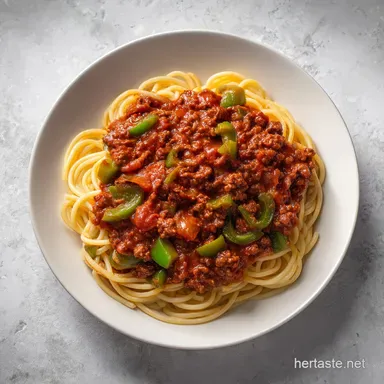
Pioneer Woman's Spaghetti Sauce Recipe: Rich and Velvety
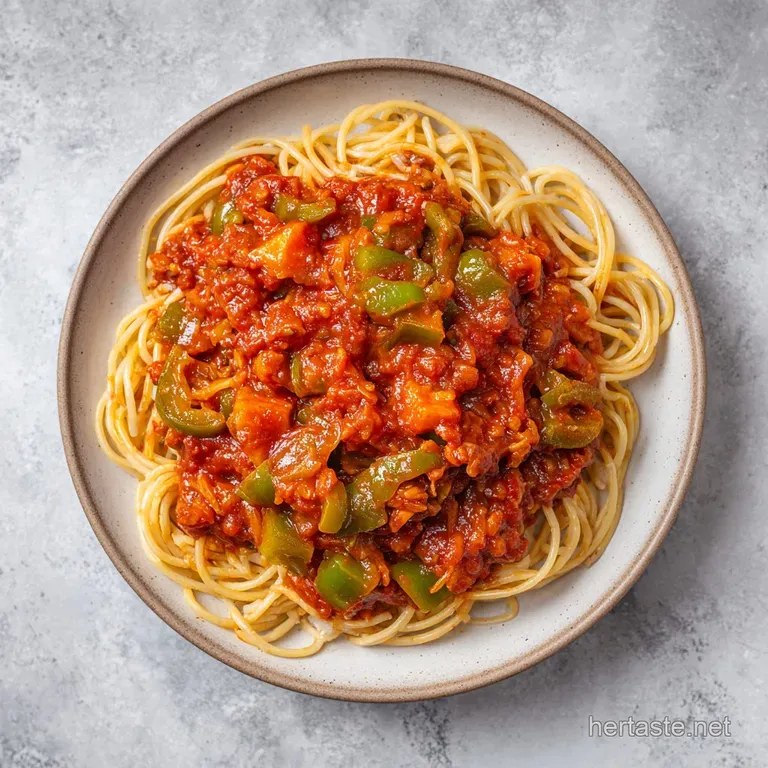
- Time:15 minutes active + 60 minutes simmering = Total 75 minutes
- Flavor/Texture Hook: Rich, mahogany seared meat with a velvety, savory finish
- Perfect for: Sunday family dinners, meal prep, or comforting weeknight feasts
- Pioneer womans spaghetti sauce recipe
- Understanding the Flavor Build
- Component Analysis
- The Essential Ingredient List
- Necessary Kitchen Tools
- Step-by-Step Cooking Flow
- Common Sauce Fixes
- Troubleshooting Common Issues
- Adjusting the Batch Size
- Debunking Sauce Myths
- Storage and Waste Tips
- Serving Your Sauce
- Recipe FAQs
- 📝 Recipe Card
That first aggressive sizzle when the beef and sausage hit the hot Dutch oven is where the magic starts. I remember the first time I made this for a house full of loud relatives during a rainy October weekend.
The kitchen smelled like toasted garlic and fennel, and for the first time in years, everyone actually stopped talking to focus on the food. It's the kind of meal that turns a regular Tuesday into an event.
You aren't just boiling meat in tomato juice here. We're building layers of flavor, starting with a hard sear that gives the sauce its backbone. This pioneer womans spaghetti sauce recipe isn't about fancy techniques, but it is about doing the simple things right.
If you've ever had a sauce that tasted "thin" or too acidic, this is the fix.
Expect a sauce that's thick, hearty, and incredibly satisfying. It's a crowd pleaser because it balances the sweetness of the tomatoes with the salty punch of the Italian sausage. By the time the 60 minutes of simmering are up, you'll have a pot of liquid gold that tastes like it's been on the stove since sunrise.
Pioneer womans spaghetti sauce recipe
The secret to this specific pioneer womans spaghetti sauce recipe is the meat combination. Most people just use ground beef, but adding Italian sausage introduces fennel and fat, which act as flavor carries for the herbs.
When you sear that meat until it's almost mahogany, you're creating a base of savory depth that you just can't get from simmering alone.
I've found that the green bell pepper is the unsung hero here. It provides a subtle, earthy bitterness that cuts through the richness of the beef and the sweetness of the sugar. It's that classic, old school flavor profile that reminds me of family gatherings where the pot was always overflowing.
If you're looking for something lighter, you might prefer a Homemade Marinara Sauce, but when the goal is a filling, comforting meal, this meat heavy version is the only way to go. Trust me, once you taste the difference that the sausage makes, you'll never go back to plain beef.
Understanding the Flavor Build
Instead of a chemistry lecture, let's look at why these steps actually change the taste of your dinner.
- The Hard Sear: Letting the meat brown without stirring creates a crust. This concentrated flavor anchors the entire sauce so it doesn't taste like "boiled meat."
- Paste Toasting: Frying the tomato paste for 2 minutes removes that raw, metallic "tin can" taste and replaces it with a caramelized richness.
- The Fat Balance: Leaving a bit of the rendered meat fat in the pot helps the dried herbs bloom, making the oregano and basil taste fresh rather than dusty.
- Simmering Time: A 60 minute window allows the water in the crushed tomatoes to evaporate, concentrating the sugars and thickening the texture into something velvety.
The difference between a "good" sauce and a "great" one usually comes down to how you handle the heat in the first 15 minutes.
| Method | Total Time | Texture | Best For |
|---|---|---|---|
| Stovetop | 75 minutes | Thick & Velvety | Weeknight dinner |
| Oven (Slow) | 3-4 hours | Concentrated & Jammy | Big parties |
By using the stovetop method, we get the speed of a quick meal with the depth of a slow cooked sauce.
Component Analysis
Before we dive into the pot, let's look at what each ingredient is actually doing for the final result.
| Ingredient | Science Role | Pro Secret |
|---|---|---|
| Italian Sausage | Fat & Spice | Adds fennel notes that beef lacks |
| Tomato Paste | Thickener/Umami | Must be toasted to remove acidity |
| Green Bell Pepper | Bitter Balance | Finely dice it so it melts into the sauce |
| Granulated Sugar | Acid Neutralizer | Just a pinch to balance the canned tomato tang |
The Essential Ingredient List
Grab your ingredients and get them prepped before you turn on the heat. This is a fast moving recipe once the meat starts sizzling.
- 1 lb lean ground beef Why this? Provides the hearty structure (Substitute: Ground turkey for less fat)
- 1 lb mild or hot Italian sausage Why this? Essential for depth and spice (Substitute: Ground pork + 1 tsp fennel seed)
- 1 medium yellow onion, finely diced Why this? Sweet base note (Substitute: White onion for a sharper bite)
- 1 green bell pepper, finely diced Why this? Earthy contrast (Substitute: Red pepper for more sweetness)
- 4 cloves garlic, minced Why this? Aromatic punch (Substitute: 1 tsp garlic powder)
- 2 tbsp olive oil Why this? High heat sear (Substitute: Avocado oil)
- 1 can (28 oz) crushed tomatoes Why this? Thick body (Substitute: Diced tomatoes, but blend them first)
- 1 can (15 oz) tomato sauce Why this? Smooth consistency (Substitute: Tomato puree)
- 1 can (6 oz) tomato paste Why this? Concentration (Substitute: Extra tomato sauce + 10 mins extra simmer)
- 1 tsp granulated sugar Why this? Balances acidity (Substitute: Maple syrup or honey)
- 1 tbsp dried oregano Why this? Classic herbal note (Substitute: Dried Italian seasoning)
- 1 tbsp dried basil Why this? Sweet herbal note (Substitute: Fresh basil added at the very end)
- 1 tsp salt Why this? Flavor enhancer (Adjust based on sausage saltiness)
- 1/2 tsp black pepper Why this? Subtle heat
- 1/4 tsp red pepper flakes Why this? Background zing (Increase for a spicier kick)
Necessary Kitchen Tools
You don't need a fancy setup, but a heavy pot is non negotiable. A thin pot will burn the tomato paste and create hot spots that scorch your meat.
I highly recommend a Dutch oven, such as a Le Creuset or Lodge, because it distributes heat evenly. You'll also need a sturdy wooden spoon or a silicone spatula for scraping those brown bits (the fond) off the bottom of the pot.
A fine mesh strainer isn't necessary unless you're particularly picky about onion chunks, but for this pioneer womans spaghetti sauce recipe, the chunks are part of the charm.
Step-by-step Cooking Flow
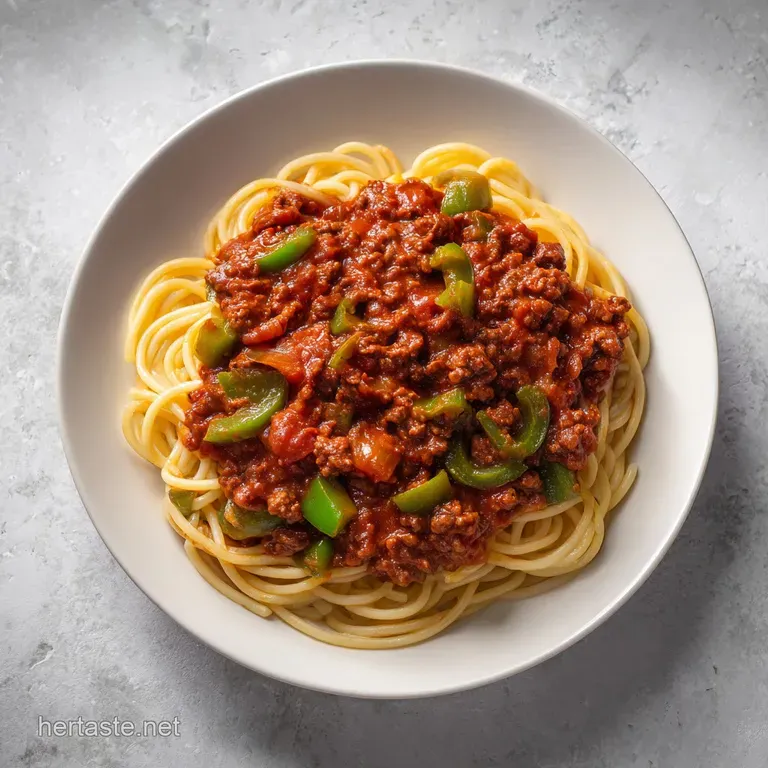
Let's crack on. Follow these steps exactly, and pay attention to the visual cues.
- Sear the Meats. Heat your Dutch oven over medium high heat with 2 tbsp olive oil. Add the ground beef and Italian sausage. Let the meat sit undisturbed for 3-4 minutes until it develops a mahogany colored crust.Note: Stirring too early steams the meat instead of searing it.
- Crumble and Finish. Break the meat into small crumbles using your spoon. Cook for another 5 minutes until no pink remains.
- Drain the Fat. Carefully pour out the excess grease, but leave about 2 tablespoons in the pot. Note: This remaining fat is where the flavor lives.
- Sauté Aromatics. Reduce heat to medium. Stir in the diced onion and green bell pepper. Sauté for 5-7 minutes until onions are translucent and peppers have softened.
- Bloom the Garlic. Add the minced garlic and cook for exactly 60 seconds until it smells fragrant but hasn't turned brown.
- Toast the Paste. Stir in the tomato paste. Cook for 2 minutes, stirring constantly, until the paste turns a darker shade of red. Note: This removes the metallic taste.
- Combine Tomatoes. Pour in the crushed tomatoes and tomato sauce. Stir well to scrape up all the browned bits from the bottom.
- Season the Pot. Stir in the sugar, oregano, basil, salt, black pepper, and red pepper flakes.
- The Long Simmer. Reduce heat to low. Simmer for 60 minutes until the sauce has thickened and looks velvety.
- Final Adjustment. Taste the sauce. If it's too tart, add another pinch of sugar. If it's bland, add a pinch more salt.
Common Sauce Fixes
Even the best home cooks hit a snag now and then. Most sauce issues are actually easy to fix if you know what caused them.
Troubleshooting Common Issues
| Issue | Solution |
|---|---|
| Why Your Sauce Is Too Acidic | If the sauce tastes sharp or "tinny," it's usually because the tomato paste wasn't toasted enough or the tomatoes are naturally high in acid. This is a common issue when using different brands of cann |
| Why the Meat Is Grainy | This happens when you crowd the pan too much or stir too often during the initial sear. The meat releases moisture, boils in its own juices, and becomes rubbery instead of browned. |
| Why the Sauce is Too Thin | If your sauce looks more like soup than a thick ragu, you likely simmered it too quickly on high heat, or your tomato sauce brand had a higher water content. |
Quick Quality Check:
- ✓ Meat was seared without stirring initially
- ✓ Tomato paste was toasted until dark red
- ✓ Garlic was added last to prevent burning
- ✓ Simmered for a full hour on low heat
- ✓ Adjusted salt/sugar at the very end
Adjusting the Batch Size
Sometimes you're cooking for two; sometimes you're feeding a whole neighborhood. Here is how to handle the pioneer woman meat sauce recipe when the guest list changes.
Cutting the Recipe in Half Use a smaller pot to keep the meat from spreading too thin. Reduce the simmering time by about 20% (roughly 45-50 minutes) since there is less liquid to evaporate. Be careful with the red pepper flakes; start with a tiny pinch and taste as you go.
Doubling or Tripling the Batch Don't try to brown 4 lbs of meat at once, or you'll end up steaming it. Work in batches: sear the meat, remove it from the pot, and then start the next batch. When adding spices, only increase them to 1.5x the original amount first.
You can always add more, but you can't take it out. Reduce total liquids by about 10% to ensure it thickens properly.
If you're making a massive batch for freezing, consider using a slow cooker for the final simmer phase. However, always do the sear and the paste toasting on the stovetop first.
Debunking Sauce Myths
There are a lot of "rules" about Italian style sauces that are actually just myths.
Myth: Searing meat "seals in the juices." The truth is that searing doesn't lock anything inside. Moisture escapes regardless. The reason we sear the beef and sausage in this recipe is for the flavor, the browning creates complex, savory notes that a slow simmer alone can't produce.
Myth: You must simmer sauce for 6+ hours for it to taste authentic. While a long simmer is great, 60 minutes is the "sweet spot." Beyond a certain point, the bright notes of the herbs fade.
By toasting the paste and searing the meat, we cheat the clock and get "all day" flavor in about an hour.
Myth: Adding sugar is "cheating" or only for cheap sauces. Even the most expensive San Marzano tomatoes can have a sharp acidity. A small amount of sugar isn't meant to make the sauce sweet; it's meant to balance the pH level so the tomato flavor tastes rounded rather than piercing.
Storage and Waste Tips
This is one of those recipes that actually tastes better the next day because the flavors have more time to meld.
Fridge and Freezer Store the sauce in airtight glass containers in the fridge for up to 4 days. For the freezer, use freezer safe bags or containers, leaving an inch of headspace for expansion. It stays fresh and tasty for up to 3 months.
When reheating, add a splash of water or beef broth to loosen it up, as it will thicken further in the cold.
Zero Waste Kitchen Don't toss those onion skins or the ends of the green pepper. If you're making a vegetable stock later in the week, throw them in a freezer bag with your carrot peels.
Also, if you have a small amount of tomato paste left in the can, freeze it in 1 tablespoon dollops on parchment paper, then pop them into a bag. You can drop a "paste cube" directly into your next soup or stew.
If you're tired of tomato based meals, my Garlic Parmesan Pasta is a great way to use up the rest of your pasta without needing another jar of sauce.
Serving Your Sauce
The way you present this dish can make it feel like a casual weeknight meal or a fancy dinner party.
The Family Style Spread For a true experience, serve the sauce in the Dutch oven right in the middle of the table. Toss your pasta with a bit of olive oil and salt before topping it with a generous ladle of the meat sauce.
Garnish with a handful of freshly chopped parsley and a snowfall of grated Pecorino Romano or Parmesan cheese.
The Pro Plate If you're plating for guests, use a wide bowl. Twirl the pasta into a neat nest in the center and spoon the sauce only on top, leaving the edges of the pasta clean. This prevents the plate from looking messy and keeps the focus on the rich, mahogany colors of the sauce.
Pairing Suggestions This sauce is heavy and rich, so it needs something bright to balance it. A crisp Caesar salad with plenty of lemon juice or a plate of garlicky sautéed spinach works perfectly.
For bread, a toasted baguette rubbed with a raw garlic clove is the gold standard for soaking up every last drop of that velvety sauce.
Recipe FAQs
What is the one ingredient that makes spaghetti sauce so much better?
Granulated sugar. A small amount balances the natural acidity of the canned tomatoes to create a smoother flavor profile.
What marinara sauce does Ree Drummond use?
She makes her own from scratch. This recipe relies on a blend of crushed tomatoes, tomato sauce, and tomato paste for the ideal thickness.
Is spaghetti sauce ok for diabetics?
Yes, in moderation. Be mindful of the granulated sugar and the natural sugars found in the tomato products.
What is the secret to really good spaghetti sauce?
Searing the meat undisturbed. Letting the beef and sausage develop a mahogany-colored crust before crumbling them adds deep, savory complexity.
How to stop the sauce from tasting metallic?
Cook the tomato paste for 2 minutes. Toasting the paste before adding the liquids removes the raw, tinny taste from the can.
Is it true that you should stir the meat immediately after adding it to the pot?
No, this is a common misconception. Stirring too early steams the meat; let it sit for 3-4 minutes to ensure a proper brown sear.
How to store leftover sauce?
Keep in airtight glass containers. Store in the fridge for 4 days or the freezer for 3 months. If you mastered the meat searing technique here, it is the same foundation used in our ground beef meat sauce.
Pioneer Woman Spaghetti Sauce for 7