Baked Mustard Garlic Salmon with Honey Mustard Sau: Effortless Gourmet
- The Effortless Gourmet: Baked Mustard Garlic Salmon with a Honey-Glazed Finish
- Essential Components: Ingredients for the Best Honey Mustard Salmon
- Mastering the Bake: Simple Steps for Mustard-Crusted Salmon
- Elevating Your Plate: Pro Tips and Troubleshooting Baked Salmon
- Practical Kitchen Guide: Storing and Reheating Leftovers
- The Perfect Complement: What to Serve Alongside Honey-Glazed Salmon
- Recipe FAQs
- 📝 Recipe Card
The Effortless Gourmet: Baked Mustard Garlic Salmon with a Honey Glazed Finish
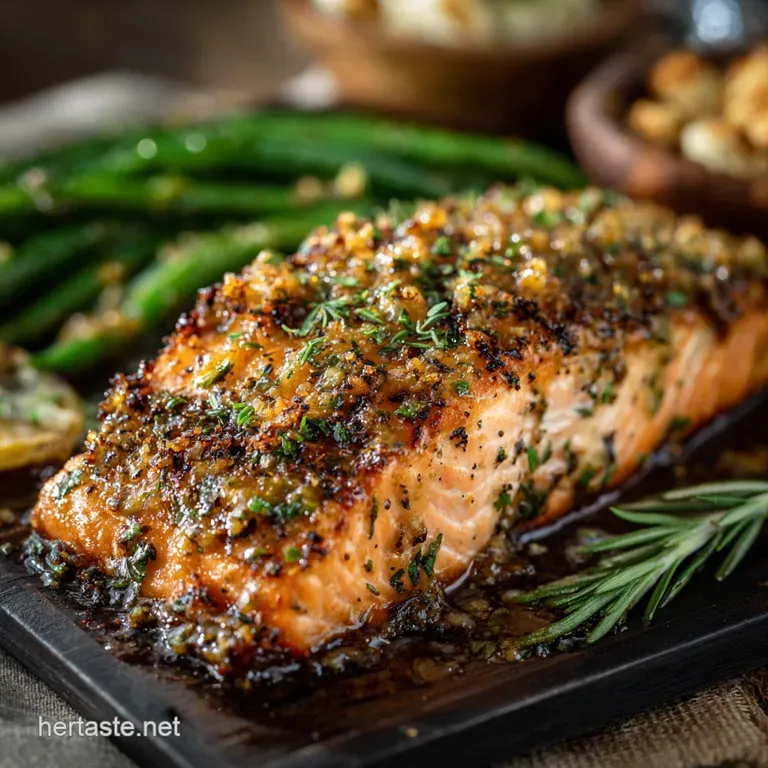
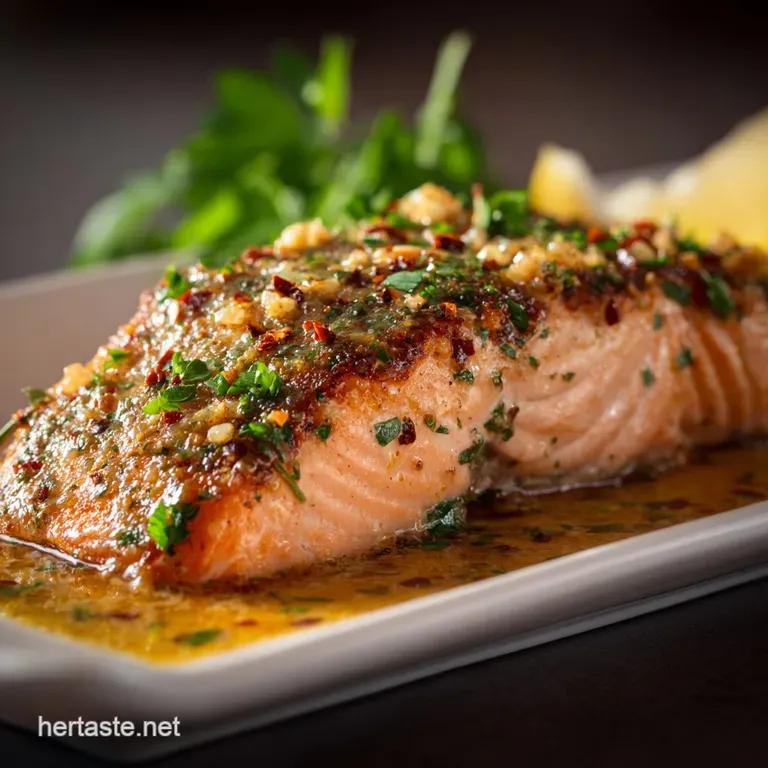
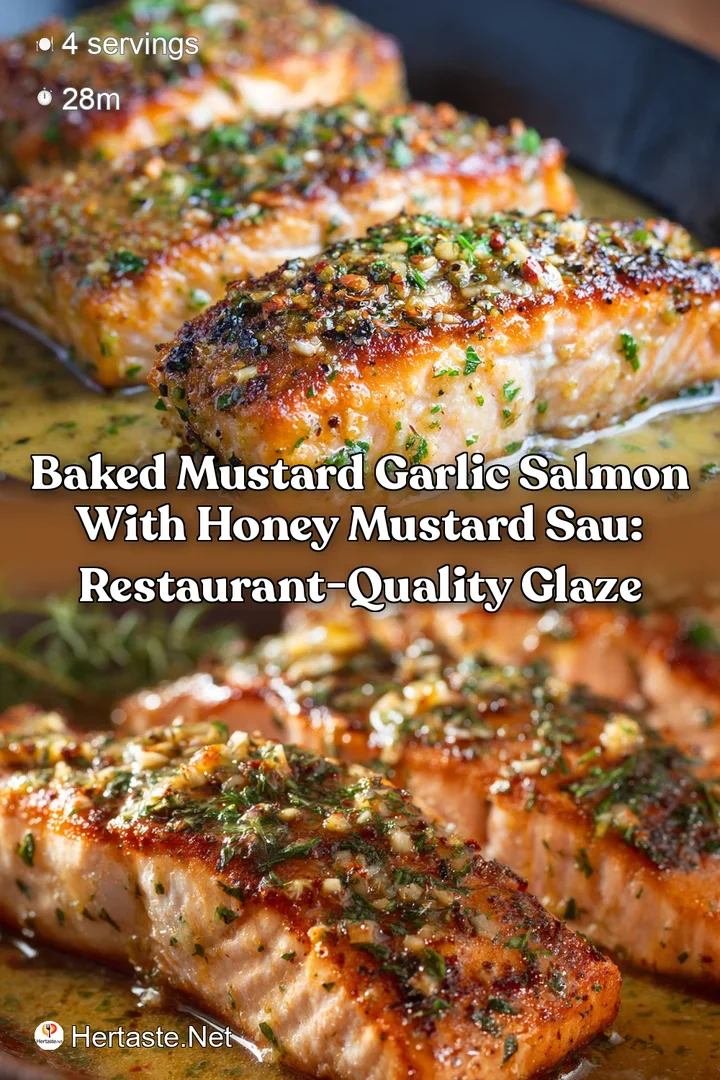
That initial blast of savory, pungent garlic and sharp Dijon hitting the hot oven? Oh my gosh, that is the sensory hook that pulls me into the kitchen every single time. As the fish bakes, the rub transforms into this incredible, caramelized crust while the honey glaze gets ready to bring the perfect sweet tart balance.
Honestly, if you think baked salmon is boring, you haven't tried this Baked Mustard Garlic Salmon yet.
This recipe is my absolute weeknight hero; it’s proof that fast, healthy food doesn't have to be bland or complicated. We’re talking about 10 minutes of active prep and then you walk away, letting the oven do all the heavy lifting for you.
It’s significantly cheaper than takeout and infinitely more satisfying.
Ready to unlock the secret to fish that’s perfectly flaky, never dry, and always bursting with that intense, beautiful flavor? We are going to ditch the guesswork and focus on a method that guarantees success, delivering the best Honey Mustard Salmon you’ve ever tasted. Let's crack on.
Why This Dish is Perfect for Weeknights
The inherent logic of this recipe is what makes it so brilliant and fast. We use Dijon mustard not just for flavor, but as an acidic barrier that subtly tenderizes the surface of the salmon while preventing moisture loss. This means the fish stays succulent, even if your timing is off by a minute or two.
I once forgot to dry the fillets before applying the rub, and the result was mushy, pale salmon never again. The quick initial pat-down is crucial for ensuring the mustard garlic rub sticks properly and actually forms a proper crust, which gives you that wonderful textural contrast. Trust me on this.
The Flavor Profile: Savory Crust Meets Sweet Glaze
This is pure flavor architecture, built on the perfect triangle of savory, sweet, and bright acidity. The mustard and fresh garlic create an intense, powerful savory base that screams comfort food.
The honey glaze, which is applied at the very end, provides that necessary high note of sugar and a touch of lemon zest to cut through the richness of the Omega-3 rich salmon. It’s all about balance; you get sharp and savory right up front, followed by a gentle, caramelized sweetness that lingers.
What You Need Before You Start (Quick Prep Checklist)
Before you start slathering mustard everywhere, gather your gear and preheat your oven. Prepping your station means less stress and a cleaner cook time.
- Preheat oven to 400°F (200°C).
- Line a sturdy baking sheet with parchment paper do not skip this step!
- Pat all salmon fillets completely dry with paper towels.
- Mince your garlic fresh. This is non-negotiable for flavor purity.
Essential Components: Ingredients for the Best Honey Mustard Salmon
Selecting Your Fillet: Farmed vs. Wild Salmon Considerations
When choosing salmon, thickness truly matters. I always aim for center cut fillets that are roughly 1 to 1.5 inches thick; thin tail sections dry out way too fast. Farm raised salmon tends to be higher in fat, which keeps it wonderfully moist during baking, especially with this robust crust.
Wild salmon, like Sockeye, is leaner and has a deeper flavor, but you must be extra careful not to overbake it. Either way, make sure they are portioned evenly so they finish cooking at the same time.
The Pungency Factor: Choosing Your Preferred Mustard (Dijon vs. Grainy)
For the rub, Dijon is the superior choice because its smooth texture binds flawlessly with the oil and garlic, creating a paintable paste. However, you have options if you prefer a different kick.
| If you don't have... | Use this instead... |
|---|---|
| Dijon Mustard (in the rub) | Spicy Brown Mustard (adds heat) or Wholegrain Mustard (adds satisfying texture) |
| Fresh Garlic | 1 teaspoon Garlic Powder (use 1/4 the amount) |
| Dried Dill/Parsley | A sprinkle of Italian seasoning or just black pepper |
A Note on Sweeteners: Substituting Maple Syrup for Honey
The honey glaze provides the necessary caramelization and sweetness that defines this dish. If you need a substitute, pure maple syrup is an excellent 1:1 swap.
If you use maple syrup or agave nectar instead of honey, you might need to slightly reduce the amount of hot water in the glaze, as both tend to be naturally runnier than honey. Ensure you use fresh lemon juice, regardless of the sweetener, for that necessary tartness.
Must Have Kitchen Tools (Equipment Checklist)
- A sturdy baking sheet, lined with parchment paper. Seriously, the Foil Hack is great, but parchment is better for non-stick.
- Two small bowls for separating the rub and the final glaze.
- An instant read thermometer. I know, I sound like a broken record, but it saves fish lives!
Mastering the Bake: Simple Steps for Mustard Crusted Salmon
Prepping the Fish and Applying the Garlic Mustard Rub
- Pat and Prep: Pat those fillets dry. Mix the Dijon, olive oil, minced garlic, smoked paprika, salt, and pepper in a small bowl until it forms a fragrant paste.
- Coat Thoroughly: Place the fillets on the lined baking sheet. Generously brush the mustard garlic rub over the top and sides of each fillet, making sure the entire surface is covered. The thicker the coating, the better the final crust.
- Initial Bake: Place the sheet pan into the preheated 400°F (200°C) oven.
The Timing Trick: When to Introduce the Honey Glaze
You must hold off on that sticky, sweet glaze! If you put the honey on too early, it will burn and become bitter long before the salmon is fully cooked through.
The honey glaze honey, 1 Tbsp Dijon, lemon juice, and a splash of hot water should be whisked together while the salmon is already baking. Apply this thin, zesty sauce only after the salmon comes out of the oven.
This allows the residual heat to warm the glaze without burning the sugar.
The Two-Step Bake Method for Maximum Flavor
Our method is simple: 1) Bake with the savory crust. 2) Glaze generously after baking. The savory crust bakes for about 12 to 18 minutes, depending on the thickness.
Chef's Note: Don't crowd the pan! Giving each fillet space ensures the heat circulates correctly, achieving a beautifully uniform bake and crisp crust, rather than steaming the fish.
Testing for Doneness: Flakiness, Internal Temperature, and Timing
Avoiding the #1 Mistake: Overcooking Salmon
This is where people fail they wait until the fish is chalky white and dry. We are aiming for flaky, moist perfection! Look for the outer edges to become opaque and the center to slightly lighten in color.
The absolute best way to know it’s done is by temperature: pull the fish when the thickest part registers 145°F (63° C) . It will carry over cook for a minute or two, setting up perfectly.
If you don't have a thermometer, gently press a fork into the fish; it should flake easily but still look moist inside.
Elevating Your Plate: Pro Tips and Troubleshooting Baked Salmon
Rescuing a Too-Thick Glaze
Did your honey solidify, or did you accidentally make a paste instead of a glaze? No problem. Simply add a teaspoon or two of hot water (or even a little more lemon juice) and whisk vigorously. It should be thin enough to easily drizzle, but thick enough to cling slightly to the fish.
The Foil Hack: Ensuring Easy Cleanup and Moisture Retention
While I prefer parchment for the crunch, if you are really worried about keeping the fish juicy, you can lightly tent the pan with foil after the first 8 minutes of baking. This traps the steam and moisture. Just remember to remove the foil for the last few minutes if you want a firmer crust.
Practical Kitchen Guide: Storing and Reheating Leftovers
Optimal Fridge Storage for Cooked Salmon
Cooked salmon, stored in an airtight container, will last safely in the refrigerator for up to 3 days. I find the texture starts to degrade slightly after day two, but the flavors stay fantastic.
Freezing Cooked Salmon: Managing Texture Changes
You can freeze leftover cooked salmon, but be warned: the texture will change. Once thawed, it will be noticeably softer, almost mushy, which is typical for reheated fish. Wrap the cold fillets tightly in plastic wrap, then place them in a freezer safe bag or container. It’s best used within 2 months.
Best Methods for Reheating Without Drying Out
Do NOT use the microwave for long periods. That's a tragedy waiting to happen. The goal is low and slow heat.
- Oven Method (Best): Preheat your oven to 275°F (135°C). Place the fillets on a baking sheet, cover loosely with foil, and warm for 10– 15 minutes until heated through.
- Skillet Method (Quickest): Warm a non-stick skillet over medium low heat with a tiny splash of water or oil. Place the salmon in, cover, and heat for about 5 minutes until hot. The moisture trapped by the lid helps prevent dryness.
The Perfect Complement: What to Serve Alongside Honey Glazed Salmon
Because this salmon is so rich and flavorful, you need something sharp or crunchy to balance the palate. Don't weigh it down with heavy cream sauces.
For a fresh, vibrant contrast, I love serving this with a complex salad. My go-to is often a massive bowl of Kale Salad with Cranberries Walnuts and Feta: The Best Winter Salad Recipe . The brightness of the vinaigrette really cuts through the fish perfectly.
If you are looking for a side that feels a bit more comforting and substantial, a light pasta or even a vegetable forward side dish works wonderfully. We sometimes pair this with my ultra creamy Vegetable Lasagna with Butternut Bchamel: Ultra Creamy Comfort Food because the slightly sweet earthiness of the butternut squash is an amazing pairing with the honey glaze.
And if you need a perfect dessert to follow this easy main? You absolutely need to try my Apple Pie Bars with Streusel Topping Easy Sheet Pan Recipe . They are the ultimate sheet pan sweet treat, keeping the simple cleanup theme going strong. Enjoy!
Recipe FAQs
Why did my salmon turn out dry or tough?
Overcooking is the primary culprit for dry salmon. Ensure you are using an instant read thermometer and pull the fish when it reaches 135°F (57°C), as residual heat will carry it to the safe serving temperature of 145°F (63°C).
Tent the salmon lightly with foil during the 5-minute rest period to redistribute moisture.
What internal temperature confirms the salmon is perfectly cooked?
For optimal flavour and texture, aim to pull the salmon immediately when it reaches 140°F (60°C). Since the FDA recommends 145°F (63°C), you should account for carry over cooking which happens once the fish is removed from the oven.
The flesh should flake easily with a fork but still look slightly translucent in the thickest centre part.
Can I use different types of mustard besides Dijon?
Yes, but be mindful of the flavour profile and strength. Whole grain mustard adds a wonderful texture and mild spice to the crust, but classic yellow mustard is too vinegary and often too mild for this rich glaze. If using spicy brown mustard, consider reducing the amount of fresh garlic slightly to balance the heat.
How do I prevent the honey mustard glaze from burning?
Because honey is high in sugar, it caramelizes quickly and can scorch under high oven heat. Ensure you brush the majority of the glaze on only during the last 5 to 7 minutes of baking time. If you notice the edges darkening too rapidly, cover the salmon loosely with aluminum foil for the remainder of the cook time.
Should I leave the skin on the salmon fillets for baking?
Absolutely leaving the skin on helps insulate the fat and moisture, effectively preventing the delicate flesh from drying out during the baking process. If you do not plan to eat the skin, ensure the skin side is placed down on parchment paper to create a natural barrier against sticking and aid cleanup.
How should I store and reheat leftover salmon?
Store leftovers promptly in an airtight container in the refrigerator for up to three days. To reheat, the oven is recommended; place the salmon on a lined tray, tent it with foil, and warm at 275°F (135°C) for 10-12 minutes until heated through.
Avoid the microwave, as it often dries the fish and intensifies the fishy odour.
Can I use a different protein instead of salmon?
This glaze works exceptionally well with other substantial white fish, such as cod, halibut, or thick cut swordfish steaks. You may need to adjust the baking time slightly depending on the thickness of the protein, so always rely on an internal temperature reading.
This mustard glaze is also fantastic when applied to chicken breasts or pork tenderloin.
Mustard Garlic Honey Glazed Salmon
Ingredients:
Instructions:
Nutrition Facts:
| Calories | 491 kcal |
|---|---|
| Protein | 33.3 g |
| Fat | 30.5 g |
| Carbs | 15.6 g |
