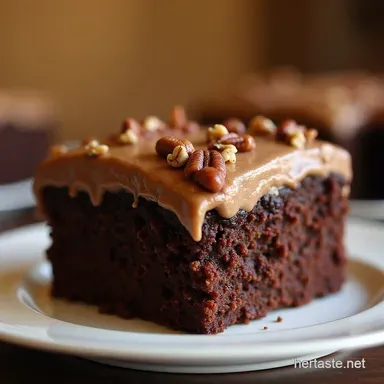
The Proper Bake Deeply Moist German Chocolate Cake with Classic Gooey Pecan Frosting

- Decoding the Delight: The True Heritage of Our German Chocolate Cake
- Why This Recipe Reinvents the Classic Chocolate Experience
- Assembling the Arsenal: Everything Needed for Baking Success
- Essential Equipment for Flawless Cake Construction
- Phase One: Crafting the Ultra-Moist Chocolate Layers
- Mastering the Iconic Gooey Pecan Frosting (The Star of the Show)
- The Grand Assembly: Bringing Your German Chocolate Cake Together
- Pro Baker Notes: Troubleshooting and Flavor Amplification Tips
- Recipe FAQs
- 📝 Recipe Card
Decoding the Delight: The True Heritage of Our German Chocolate Cake
When you hear "German Chocolate Cake," your mind might leap immediately to Bavarian castles or dark, brooding forests. However, this iconic dessert is far more charmingly domestic than its name suggests.
In fact, this quintessential American treat isn't named after the country at all, but after an American baker named Samuel German, who worked for the Baker’s Chocolate Company. He developed the specific dark sweet chocolate bar used in the original recipe published in 1957.
Knowing this history deepens the appreciation for this classic confection it’s an invention born from American ingenuity and a desire for something truly decadent. Preparing the German Chocolate Cake from scratch connects you directly to that heritage, resulting in a dessert that is worlds away from any store-bought imitation.
Why This Recipe Reinvents the Classic Chocolate Experience
Our goal here is not just to replicate; it’s to elevate. Many recipes result in a cake that is too dense or a topping that is too runny. This version focuses relentlessly on two critical components: achieving a supremely moist German Chocolate Cake crumb and crafting a German Chocolate Cake frosting recipe that sets up beautifully gooey, rich, and perfectly studded with toasted coconut and pecans.
A Sweet Misnomer: Understanding the Cake's Surprising American Roots
As mentioned, the name belongs to a person, not a place, which is a delightful bit of trivia to share when you present this masterpiece. The beauty of this particular German Chocolate Cake recipe lies in its balance.
The cake itself needs to be robust enough to hold the dense, custardy topping without collapsing, yet tender enough to melt on the tongue. We achieve this balance using buttermilk and hot coffee, ingredients that work together to enhance the cocoa’s natural depth.
The Anatomy of Perfection: Moist Crumb Meets Sticky Topping
The foundation of any truly great classic German Chocolate Cake is the contrast in textures. We are pairing a tender, finely textured chocolate layer with that signature topping which is technically a custard, not a traditional buttercream frosting.
This specific German Chocolate Cake icing cooks on the stovetop, incorporating egg yolks, evaporated milk, and butter to create a thick, caramelized coating that adheres beautifully to the layers.
This rich German Chocolate Cake relies entirely on this textural interplay for its renown.
Setting Expectations: Patience Pays Off for Ultimate Flavor
This isn't a thirty minute throw together cake. Achieving the best German Chocolate Cake recipe requires thoughtful steps, particularly when cooking the topping.
When preparing the German Chocolate Cake icing , temperature control is paramount to ensure the yolks set into a velvety custard rather than scrambling. If you approach this bake with mindfulness, the results will speak for themselves, proving that this easy German Chocolate Cake recipe substitute is worth every minute.
Assembling the Arsenal: Everything Needed for Baking Success
Before we dive into the mixing bowl, we need to ensure our pantry and workspace are primed. Baking success often hinges on preparation having your tools and ingredients ready transforms a daunting task into a smooth assembly line.
For this German Chocolate Cake from scratch , the quality of your foundational ingredients truly shines through, especially the chocolate and dairy components.
Essential Equipment for Flawless Cake Construction
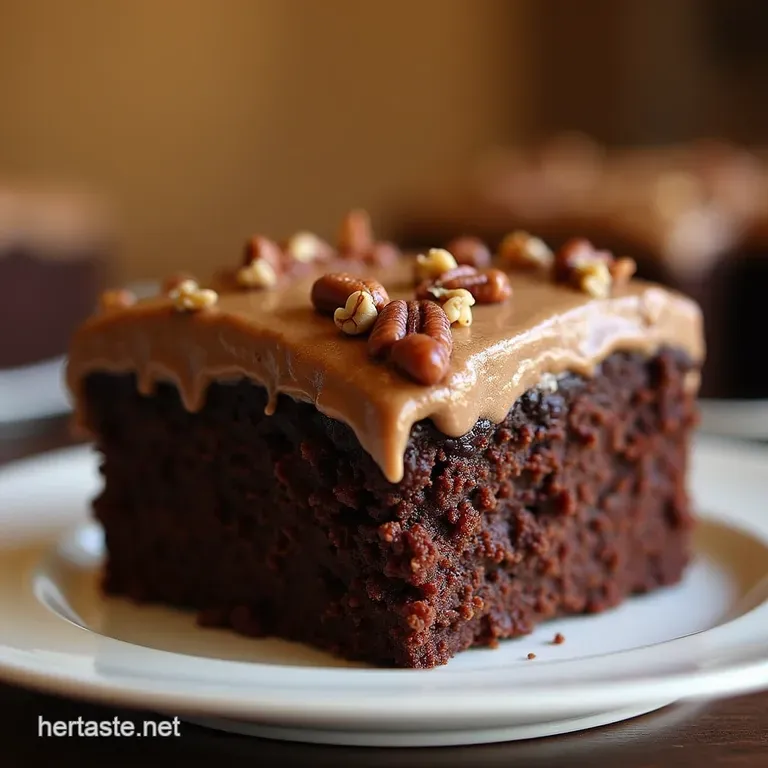
You will require standard baking gear, but a couple of specific tools make the difference. Our focus today is on achieving two 9 inch layers, so two matching cake pans are essential. Beyond that, a sturdy stand mixer or a reliable electric hand mixer will simplify the cake batter process significantly.
Crucially, for the filling, a medium, heavy bottomed saucepan is non-negotiable; this prevents scorching the delicate custard mixture while it cooks over the heat.
Diving Deep: Sourcing the Finest Cocoa and Dairy Components
For the cake layers, we are utilizing both baking soda and baking powder for lift, paired with buttermilk to add necessary acidity that tenderizes the crumb and interacts with the cocoa. The secret weapon in the batter is one cup of hot, freshly brewed coffee.
This doesn't make the cake taste like coffee; rather, the heat "blooms" the cocoa powder, extracting a deeper, more profound chocolate flavour, which is vital for a truly moist German Chocolate Cake . Ensure your butter is softened correctly for optimal creaming.
The Custard's Core: Key Ingredients for the Coconut Pecan Glory
The filling separates this cake from standard layer cakes. For the authentic flavour, you need sweetened flaked coconut and coarsely chopped pecans, which should ideally be lightly toasted beforehand to bring out their natural oils and nuttiness.
The richness of the custard comes from egg yolks, evaporated milk (which is thicker and richer than regular milk), butter, and sugar, all cooked down to that perfect, sticky consistency that defines a true German Chocolate Cake frosting recipe .
Pan Preparation Secrets: Getting Your Layers Ready for Launch
Since these layers are tender, pan preparation is critical to prevent sticking and breakage. Grease your two 9 inch round pans generously, dust them with flour, and then the vital step cut circles of parchment paper to line the bottom of each pan.
This double barrier ensures that when you cool the cakes, they release cleanly onto the wire racks, ready for their crowning glory.
Related Recipes Worth Trying
- The Best Moist German Chocolate Cake Recipe Proper Bake — Forget dry mixes This recipe yields the best ever German Chocolate Cake rich dark and topped with legendary coconutpecan frosting Get the foolproof method here
- The Easiest Cherry Dump Cake Ever 3Ingredient Magic Recipe — Discover the ultimate Simple Cherry Dump Cake This foolproof recipe turns canned filling and cake mix into a warm buttery dessert in minutes Perfect for...
- The Best French Silk Pie Recipe MeltinYourMouth Chocolate — Forget storebought This Homemade French Silk Pie recipe delivers a truly silky rich chocolate filling in a nobake crust Perfect for showstopping dinners
Phase One: Crafting the Ultra Moist Chocolate Layers
The process for the cake batter itself leans toward the standard "creaming method" adapted for deep flavour. Start by whisking together the dry ingredients: flour, sugar, salt, baking soda, and baking powder. Next, beat in the softened butter until the mixture resembles coarse sand.
This step is crucial for texture it coats the flour particles in fat, helping to inhibit excessive gluten development later, which is key to a tender crumb. Introduce the room temperature eggs one at a time, followed by the vanilla extract.
Finally, incorporate the buttermilk and the hot coffee, alternating between the two liquids until just combined. Remember, this batter is thin due to the hot liquid, but resist the urge to add more flour.
Divide this batter evenly between your prepared pans and slide them into a preheated 350° F ( 175° C) oven.
Mastering the Iconic Gooey Pecan Frosting (The Star of the Show)
While the cake layers bake (usually 30– 35 minutes), shift your focus to the show stopping German Chocolate Cake icing . In your heavy bottomed saucepan, combine the cubed butter, granulated sugar, evaporated milk, and the lightly beaten egg yolks.
Place this over medium low heat. This requires constant attention. You must stir continuously, scraping the bottom and sides of the pan, until the mixture thickens significantly, reaching a temperature around 170° F ( 77° C), or until it coats the back of a wooden spoon without running off immediately.
Remove from heat immediately to prevent the yolks from scrambling. Stir in the vanilla, the toasted pecans, and the sweetened coconut flakes. Allow this custard to cool somewhat; it will continue to thicken as it cools, transforming into the perfect, deeply flavourful spread required for the best German Chocolate Cake recipe .
The Grand Assembly: Bringing Your German Chocolate Cake Together
Once the cake layers have cooled for about 10 minutes in their pans, turn them out onto wire racks to finish cooling completely. This stage cannot be rushed warm layers meet warm custard equals a slide show on your platter!
Activating the Chocolate: Techniques for a Deeper, Darker Hue
We’ve already enhanced the colour and flavour by using hot coffee in the batter a technique known as "blooming." This gentle activation of the cocoa solids ensures that the final crumb boasts a rich, dark hue that visually promises the deep flavour we expect from a rich German Chocolate Cake
.
Baking Calibration: Ensuring Even Rise and Perfect Doneness
To ensure your layers rise evenly and bake through without dry edges, verify your oven temperature with an external thermometer. Test for doneness by inserting a wooden skewer into the centre; if it comes out clean or with just a few moist crumbs attached, they are ready. Overbaking is the primary enemy of moisture.
Cooling Protocols: Preventing Crumb Collapse Before Frosting Application
Never attempt to frost warm cake. If the cake is still slightly warm when the custard filling touches it, the fat and sugar in the custard will melt, leading to a messy, unstable structure. Allow the layers to cool completely on wire racks for at least an hour before proceeding.
Layering Logistics: Achieving Even Filling Distribution
Place the first cooled layer on your serving plate. Scoop about one-third of the thick, cooled pecan coconut mixture onto the centre and gently spread it outward towards the edges. Place the second layer carefully on top. The remaining filling should be spread lavishly over the top and sides.
Since this German Chocolate Cake frosting is denser than buttercream, use an offset spatula dipped occasionally in hot water to smooth the sides easily.
Pro Baker Notes: Troubleshooting and Flavor Amplification Tips
Variations on a Theme: Alternate Nut and Coconut Suggestions
While the classic calls for pecans and flaked coconut, feel free to experiment. Toasted walnuts provide a slightly earthier note, and adding a tiny pinch of ground cinnamon or cardamom to the custard before cooking can introduce subtle complexity without straying too far from tradition.
The Science of Storage: Keeping the Custard Fresh and Stable
Because the custard filling contains cooked egg yolks and dairy, proper storage is important. If you won't be serving the cake within a day, wrap the slices securely in plastic wrap and store them in the refrigerator.
Bring the slices to room temperature for about 30 minutes before serving to allow the cake crumb to soften slightly.
Elevation Techniques: Infusing Extra Depth into the Chocolate Cake
For those seeking the absolute pinnacle of flavour, consider substituting a portion of the buttermilk with sour cream this extra fat content contributes even greater tenderness to the crumb.
On top of that,, using a high-quality, natural cocoa powder, rather than Dutch processed, often yields a better reaction with the leavening agents for this type of German Chocolate Cake from scratch .
Serving Suggestions: Pairing Suggestions Beyond the Plate
This cake is intensely rich, so simple pairings work best. A strong, dark roast black coffee is the traditional partner, as its bitterness cuts through the sweetness of the coconut custard perfectly.
For an indulgent experience, serve small slices accompanied by a very light vanilla bean ice cream or a dusting of high-quality cocoa powder on the plate.
Recipe FAQs
Why is it called German Chocolate Cake when it’s supposedly an American invention?
It’s a cracking bit of trivia, isn't it? The cake is named after an American baker, Samuel German, who developed a type of dark baking chocolate for the Baker's Chocolate Company in 1852. It wasn't named after the country Germany at all; it's purely down to the inventor's surname.
The coconut pecan frosting became popular later on, cementing its place in Southern US baking history.
My coconut pecan frosting looks grainy or runny. What did I do wrong?
That sticky topping is the trickiest part! If it’s runny, you likely didn't cook it long enough on the hob; it needs to thicken to coat the back of a spoon before you take it off the heat.
If it's grainy, it often means you cooked it too fast or too high, causing the sugars to crystallise or the eggs to curdle slightly always use medium low heat and stir constantly.
Can I skip the hot coffee in the cake layers, or will it ruin the final result?
While you can substitute it with hot water, using strong, hot coffee is highly recommended. The coffee doesn't make the cake taste like mocha; instead, it acts as a flavour enhancer, deepening and intensifying the natural richness of the cocoa powder it’s essential for that proper, deep chocolate flavour we’re after.
How should I store leftover German Chocolate Cake to keep the frosting from drying out?
Because that classic frosting is egg-based, you really ought to store any leftovers in an airtight container in the fridge. It will keep happily for about three to four days. Just remember to take a slice out about 30 minutes before serving so the cake layers can soften up a bit; nobody likes a cold, hard slice of cake!
I need to make this ahead of time. Which components can I bake in advance?
The cake layers are robust and can be baked up to two days ahead; just wrap them tightly in cling film once fully cooled to lock in that moisture. The coconut pecan topping can also be made a day early and stored in the fridge, but it will be quite firm; gently warm it in a microwave for 10 15 seconds before spreading to make it easier to work with.
Moist German Chocolate Cake