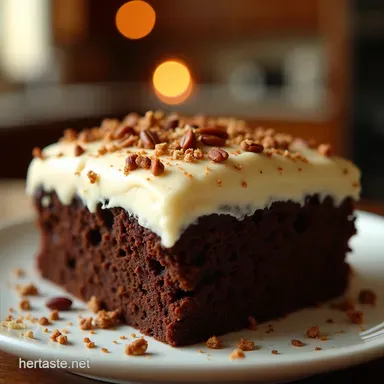
The Ultimate Oldfashioned German Chocolate Cake with Silky Coconutpecan Frosting
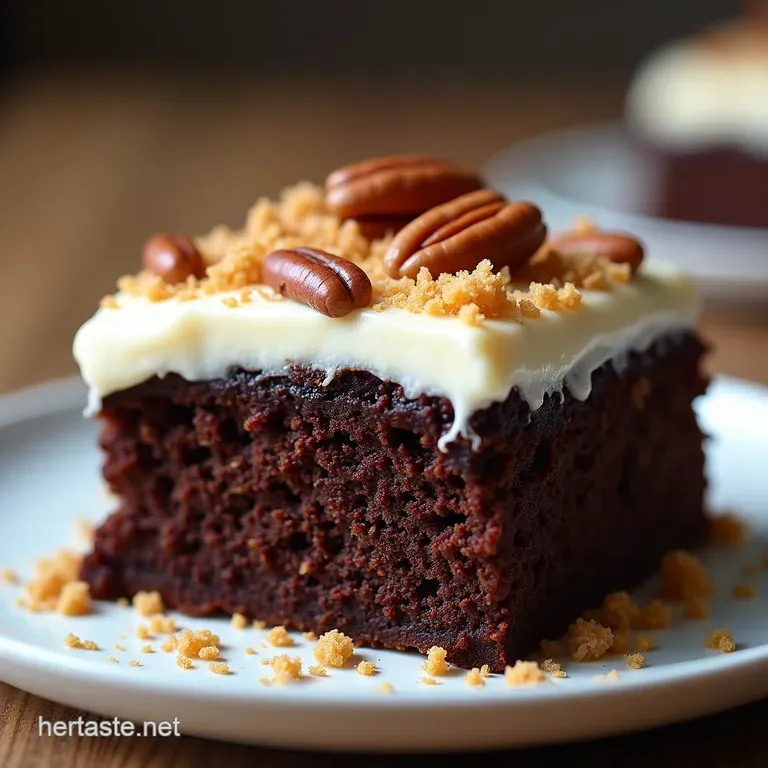
- Unveiling the True Heritage of the Classic German Chocolate Cake
- Why This Recipe Guarantees a Show-Stopping Dessert Experience
- Gathering the Essential Elements for Legendary Layers
- Mastering the Frosting: Pecans, Coconut, and Sweet Cream
- The Definitive Method for Baking the Chocolate Layers
- Crafting the Iconic Cooked Coconut-Pecan Topping
- Expert Secrets for Peak German Chocolate Cake Longevity
- Creative Twists and Flavor Enhancements
- Recipe FAQs
- 📝 Recipe Card
Unveiling the True Heritage of the Classic German Chocolate Cake
When the name "German Chocolate Cake" is mentioned, it conjures images of rich, dark layers smothered in a unique, tropical tinged topping. This isn't just any chocolate cake; it’s an iconic piece of American baking history, famed for its distinctive texture and flavour profile.
To truly succeed in creating this masterpiece, we must respect the components: a tender, moist chocolate sponge that serves as the perfect pedestal for that legendary, gooey coconut pecan element.
We are embarking on making the Best Ever German Chocolate Cake , a recipe that honors its roots while delivering unparalleled flavour depth. Forget the boxed mixes; this deep dive into making a German Chocolate Cake From Scratch promises results that will elevate your baking game significantly.
Why This Recipe Guarantees a Show Stopping Dessert Experience
Baking the German Chocolate Cake successfully comes down to understanding the interaction between the light, slightly bitter chocolate layers and the intensely sweet, cooked custard frosting.
Our approach focuses on achieving peak moisture in the cake and achieving the perfect, glossy consistency in the topping, ensuring every slice is an experience in textural contrast.
Dispelling Myths: It's Not Actually From Germany!
One of the most persistent culinary misconceptions surrounds this dessert. Despite its name, the German Chocolate Cake has no ties to German baking traditions.
The naming convention comes directly from an American baker, Samuel German, who developed a type of dark baking chocolate for the Baker's Chocolate Company in 1852. When a recipe using his named chocolate appeared in a Dallas newspaper in 1957, the name stuck, cementing this American classic’s slightly misleading moniker.
Understanding this context confirms we are aiming for an American Southern style layer cake, rich and unapologetically indulgent.
The Unique Allure of Gooey Coconut Pecan Perfection
The true soul of this dessert is its topping, often referred to simply as the German Chocolate Cake Frosting Recipe or German Chocolate Cake Filling Recipe .
Unlike standard buttercream, this topping is a cooked custard made with evaporated milk, egg yolks, and butter, which caramelizes slightly as it thickens. This process creates a chewy, glossy, and intensely flavorful coating dotted generously with toasted pecans and sweet flaked coconut.
It is this unique, warm, almost caramel like quality that differentiates it from any other chocolate cake preparation.
Setting Expectations: A Truly Moist Chocolate Foundation
A common pitfall when tackling this cake is a dry crumb. Our foundation, the chocolate layer, is specifically formulated for moisture and tenderness. We incorporate both softened butter for richness and boiling water at the end.
This technique "blooms" the cocoa powder, intensifying the chocolate flavour while contributing to an exceptionally fine, deep coloured crumb. This careful balance ensures the cake can stand up to the dense, heavy German Chocolate Cake Icing without collapsing or tasting chalky.
Gathering the Essential Elements for Legendary Layers
To begin our journey towards baking this magnificent dessert, meticulous preparation of our ingredients is non-negotiable. Success in baking often hinges on having everything measured, tempered, and ready before the mixing begins.
For our two-layer, 9 inch masterpiece, we need quality components for both the sponge and the signature topping.
The cake layers require the standard dry staples 2 ¼ cups of sifted all-purpose flour, 2 cups of granulated sugar, baking soda, and salt creamed with 1 cup of softened unsalted butter. The liquid elements are crucial: 4 large, room temperature eggs and 1 cup of evaporated milk.
The distinctive depth comes from 4 ounces of finely chopped semisweet chocolate melted into 1 cup of freshly boiling water.
Sourcing the Right Dark Chocolate for Depth of Flavor
Choosing the right chocolate is paramount for achieving that signature deep cocoa profile. While bittersweet chips might work in a pinch, seeking out a high-quality semisweet baking bar (around 50-60% cacao) ensures a smoother melt and a richer flavour foundation that will contrast beautifully with the sweet frosting.
Since this chocolate is dissolved in boiling water, its quality directly translates to the final taste of the sponge.
Ingredient Ratios: Ensuring the Cake Crumb is Tender
Notice the ratio of sugar to flour in the dry ingredients; it’s quite high, which contributes to the cake's signature tenderness and moistness, preventing it from becoming tough.
On top of that,, using evaporated milk, which is more concentrated than fresh milk, adds a subtle caramel undertone to the crumb itself, subtly harmonizing it with the topping to come.
Must Have Tools for Perfect Cake Assembly
While you don't need overly specialized equipment, a few tools are critical. You absolutely need two 9 inch round cake pans, prepared with parchment paper circles to guarantee easy release. A sturdy stand mixer or a reliable hand mixer is essential for creaming the butter and sugar properly.
Crucially, for the topping, a large, heavy bottomed saucepan is required to ensure even heat distribution while cooking the custard base, preventing scorching or curdling.
Mastering the Frosting: Pecans, Coconut, and Sweet Cream
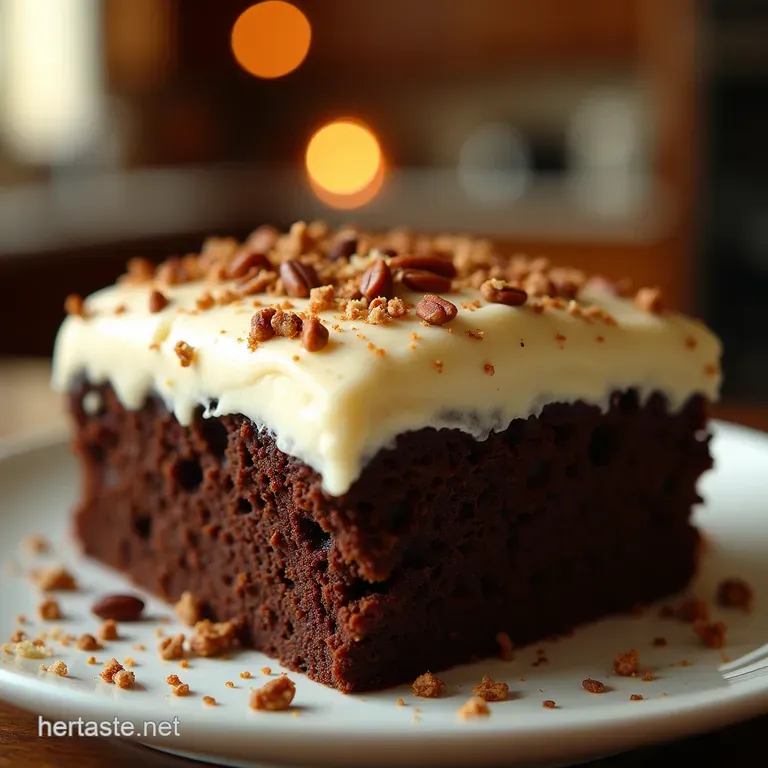
The topping demands focus. This isn't just an icing; it's a cooked filling that transforms into a rich, nutty confection. For the ultimate German Chocolate Cake Frosting Recipe , we rely on a base of granulated sugar, evaporated milk, and four egg yolks, all cooked gently into a thick, creamy custard.
The richness is built with ½ cup of cubed butter, stirred in off the heat for glossiness, along with vanilla. Finally, 1 ½ cups of sweetened flaked coconut and 1 cup of coarsely chopped, lightly toasted pecans are folded in.
The toasting of the nuts is non-negotiable for the flavor profile of this classic German Coconut Cake variation.
Related Recipes Worth Trying
- Best German Chocolate Cake Recipe from Scratch Moist Layers — Forget dry supermarket versions This classic German Chocolate Cake recipe yields a deeply moist crumb and the iconic gooey coconutpecan frosting Get the...
- The Best Moist German Chocolate Cake Recipe Proper Bake — Forget dry mixes This recipe yields the best ever German Chocolate Cake rich dark and topped with legendary coconutpecan frosting Get the foolproof method here
- The Easiest Cherry Dump Cake Ever 3Ingredient Magic Recipe — Discover the ultimate Simple Cherry Dump Cake This foolproof recipe turns canned filling and cake mix into a warm buttery dessert in minutes Perfect for...
The Definitive Method for Baking the Chocolate Layers
The method for the cake layers is a modified creaming method designed for maximum lift and moisture retention. Start by preheating your oven to 350° F ( 175° C) and prepping your pans impeccably.
First, combine the chopped chocolate and the boiling water, stirring until smooth, and set this mixture aside to cool down slightly so it doesn't cook your eggs later. Cream the softened butter and sugar thoroughly until pale and fluffy this step incorporates the air needed for a light structure.
Add the room temperature eggs one by one, beating well after each addition. In a separate bowl, lightly whisk together your dry ingredients. Alternate adding the dry mixture and the evaporated milk to the butter mixture, starting and ending with the dry components.
Finally, gently fold in the slightly cooled chocolate liquid. Remember, we are aiming for just combined; overmixing develops gluten, which we want to avoid in this tender cake.
Crafting the Iconic Cooked Coconut Pecan Topping
This stage separates the casual baker from the artisan creator of a true German Chocolate Torte experience. This topping requires your full attention on the stove.
Step-by-step Mixing Order for Maximum Moisture
Begin by whisking the sugar, evaporated milk, and egg yolks together in your saucepan before applying heat. This pre-mixing ensures the yolks are suspended evenly, minimizing the risk of scrambling when they hit the warmth. Once the base is combined, set it over medium heat.
Achieving an Even Bake: Oven Temperature Verification
While the topping cooks, ensure your oven temperature for the cakes is precise. If your oven runs hot, your layers might bake too quickly, resulting in a dry edge. Use an external oven thermometer to verify the 350° F ( 175° C) setting.
The cake layers should bake for 30 to 35 minutes, pulling them when a toothpick shows moist crumbs attached.
The Technique for Flawless Frosting Application
The custard topping must cook slowly stirring constantly with a rubber spatula scraped against the bottom of the pan is vital to prevent burning or curdling the egg yolks. Cook it until it thickens enough to coat the back of the spoon heavily, resembling a thick pudding consistency.
Immediately remove it from the heat, stir in the butter and vanilla until emulsified, and then fold in your toasted pecans and coconut. Crucially, this frosting should be applied while still warm (though not hot), allowing it to spread easily and set into that desirable chewy texture as it cools against the cake.
Chilling and Leveling Your Layers Before Frosting
Once the cake layers are completely cool and I mean completely cool gently level the domes with a long serrated knife if needed. Placing the first layer on your final serving plate or cake stand makes the subsequent steps much cleaner.
The Technique for Flawless Frosting Application
Spread half of the warm frosting evenly over the bottom layer. Place the second layer on top carefully. Now, use the remainder of the warm frosting to cover the top and sides of the entire structure. Do not attempt to create a perfectly smooth finish; this cake’s rustic charm is part of its appeal.
The inherent texture of the coconut and pecans should dictate the final look.
Expert Secrets for Peak German Chocolate Cake Longevity
Once assembled, this cake benefits immensely from a short resting period. Unlike a simple buttercream cake that can be eaten immediately, the custard frosting needs time for the coconut and pecan mixture to firm up slightly.
Allowing it to sit at room temperature for about an hour before slicing helps the textures meld beautifully.
Storage Solutions: Keeping the Frosting Fresh and Shiny
Because the topping is custard based, it requires refrigeration if storing for more than a day. Store leftovers loosely covered in an airtight container in the refrigerator. When ready to serve cold slices, allow them to sit at room temperature for about 30 minutes to soften the frosting slightly, recapturing that intended gooey texture.
Troubleshooting Common Cake Baking Hurdles
If your cake layers dome excessively, it often means the oven temperature was too high, or you opened the door too soon. If the custard frosting seems too thin, it simply didn't cook long enough; return it to very low heat and continue stirring patiently until it visibly thickens.
Do not attempt to firm it up with excessive chilling unless it has already cooked sufficiently, or it may separate.
Creative Twists and Flavor Enhancements
While we champion the classic preparation, there are delicious ways to modify this recipe slightly, perhaps moving closer to a European sensibility while retaining the American core think of it as a German Chocolate Cake elevated.
Elevating the Recipe with a Coffee Infusion
For a more sophisticated pairing with the dark chocolate, incorporate coffee. Coffee acts as a fantastic flavour enhancer for chocolate without making the cake taste like coffee. Dissolve 1 teaspoon of high-quality instant espresso powder directly into the cup of boiling water before adding it to the batter.
This deepens the cocoa notes dramatically.
Making Ahead: Can I Bake the Layers Early?
Absolutely. The cake layers are quite sturdy. Once fully cooled, wrap each layer tightly in plastic wrap and store them at room temperature for up to two days, or freeze them, wrapped well, for up to two months. Bring frozen layers to room temperature before unwrapping.
However, the custard frosting should ideally be made the same day you assemble the cake, as its texture degrades slightly upon refrigeration over several days.
Recipe FAQs
Why is it called German Chocolate Cake if it's an American recipe?
That's a brilliant question that trips up everyone! Despite the name, this cake isn't German at all; it's named after Samuel German, an American baker who developed a type of dark baking chocolate for the Baker's Chocolate Company back in 1852.
The first recipe featuring his chocolate and this style of coconut pecan frosting appeared decades later, cementing the moniker.
My coconut pecan frosting is too runny after cooling. How can I fix it?
It sounds like your custard might not have cooked long enough, or perhaps the cooling process was too quick. If it's still slightly warm, gently return the frosting to a saucepan over very low heat and stir for a few minutes until it thickens visibly.
If it's completely cool and still loose, you can try beating in one or two tablespoons of sifted icing sugar off the heat to help absorb some moisture.
Can I make the German Chocolate Cake layers ahead of time?
Absolutely! The layers can be baked up to two days in advance. Once completely cooled, wrap each layer tightly in plastic wrap, and then foil this keeps them nice and moist. Store them at room temperature if serving within 24 hours, or pop them in the fridge for up to two days.
Just remember to bring them back to room temperature before frosting!
What’s the secret to keeping the chocolate cake layers from drying out?
The secret lies in that cup of boiling water! Adding boiling liquid to the batter blooms the cocoa powder, deepening the flavour, and ensuring a super moist crumb. When baking, be vigilant; pull the cakes out the minute they look done, as overbaking is the quickest way to lose that lovely moisture.
How long does this cake last, and what's the best way to store it?
Because the frosting is a cooked custard, this cake is best kept covered loosely at cool room temperature for up to 2 days. If you need to store it longer, or if your kitchen is particularly warm, cover it well and refrigerate, but take it out about an hour before serving.
Chilling can sometimes harden the frosting, so letting it warm up slightly makes it beautifully gooey again, just as it should be!
Classic German Chocolate Cake