Honey Pepper Chicken Pasta Recipe: Velvety Sauce
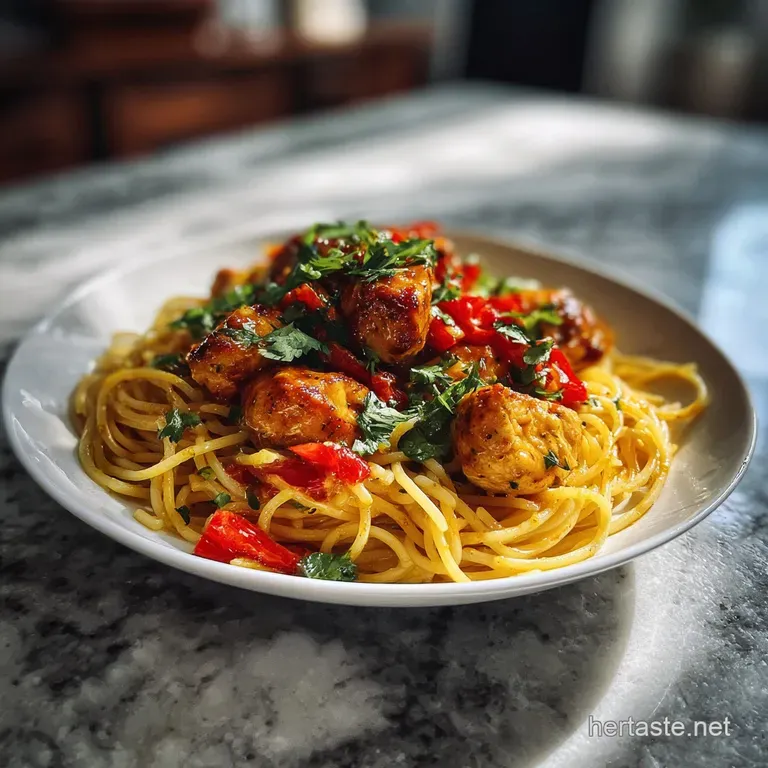
- Time: Active 10 minutes, Passive 15 minutes, Total 25 minutes
- Flavor/Texture Hook: A sticky, peppery glaze meeting a velvety cream sauce
- Perfect for: A weeknight dinner that tastes like a restaurant indulgence
- A Perfectly Balanced Honey Pepper Chicken Pasta Recipe
- The Chemistry of the Perfect Glaze
- The Components of Flavor Synergy
- Selecting Your Primary Recipe Elements
- Essential Tools for Successful Execution
- Bringing the Pasta Masterpiece Together
- Mastering the Stovetop Heat Control
- Avoiding Common Kitchen Disasters
- Adjusting the Recipe for Everyone
- Debunking Popular Cooking Myths
- Proper Storage and Zero Waste
- Designing a Restaurant Style Plate
- High in Sodium
- Recipe FAQs
- 📝 Recipe Card
A Perfectly Balanced Honey Pepper Chicken Pasta Recipe
Imagine walking into a kitchen where the air is thick with the scent of caramelized honey and the sharp, woody aroma of freshly cracked black pepper. That first sizzle when the chicken hits the hot oil is one of my favorite sounds in the world.
It’s the promise of a meal that isn't just fuel, but a full sensory experience. I remember the first time I tried a version of this at a popular grill; it was good, but it lacked that home cooked soul the kind of depth you only get when you control the sear and the spice.
We've all been there: staring at a box of pasta and a couple of chicken breasts, wondering how to make them exciting again. This recipe is the answer. It’s bold, it’s comforting, and it has this incredible way of making you feel like a pro chef even on a Tuesday night.
We aren't just tossing things in a pan; we’re building layers of flavor, from the smoked paprika on the chicken to the sharp tang of apple cider vinegar that cuts right through the richness.
Trust me, once you see how that honey glaze transforms into a glossy coating that shatters slightly at the edges of the chicken, you’ll never look at plain pasta the same way.
It’s a dish I’ve tweaked dozens of times, learning exactly when to add the cream so it doesn't break and how much pepper is "just right" versus "too much." Let's get into the details so you can nail this on your first try.
The Chemistry of the Perfect Glaze
Building a complex sauce requires more than just mixing ingredients; it’s about managing how those ingredients interact under heat. In this dish, we rely on specific chemical reactions to achieve that signature glossy finish and deep flavor profile.
- Maillard Reaction: The honey and soy sauce provide the sugars and amino acids needed to create a deep, savory crust on the chicken at high heat.
- Starch Emulsification: Reserved pasta water contains amylose, which acts as a bridge between the fats in the cream and the liquids in the honey sauce.
- Acidic Brightening: Apple cider vinegar provides acetic acid, which physically breaks down the perception of heavy fats on the palate.
- Aromatic Volatility: Blooming the black pepper in oil releases piperine and terpenes, making the spice more floral and less one dimensionally hot.
| Chicken Thickness | Internal Temp | Rest Time | Visual Cue |
|---|---|---|---|
| 1 inch pieces | 74°C (165°F) | 3 minutes | Opaque center, golden crust |
| 1.5 inch pieces | 74°C (165°F) | 5 minutes | Firm to the touch, juices run clear |
| Half inch strips | 74°C (165 F) | 2 minutes | Edges start to curl and brown |
Choosing the right method for your evening makes all the difference. While the stovetop is my go to for that immediate, crispy sear, finishing the chicken in the oven can sometimes yield a more succulent result if you’re using larger breast portions.
The Components of Flavor Synergy
Understanding your ingredients is the first step toward kitchen intuition. For this dish, we are looking for high-quality fats and balanced sweeteners to ensure the sauce doesn't become cloying or greasy.
| Ingredient | Science Role | Pro Secret |
|---|---|---|
| Wildflower Honey | Provides glucose for browning | Use room temp honey for a smoother whisk |
| Black Pepper | Delivers heat and woody aromatics | Toast whole peppercorns before cracking |
| Heavy Cream | Acts as the structural base | Never boil it vigorously; a gentle simmer prevents curdling |
| Smoked Paprika | Adds earthiness and color | Sift it over the chicken to avoid clumps |
The interplay between the honey and the pepper is what defines this dish. If you find the heat a bit too intense, the heavy cream acts as a buffer, coating the tongue and tempering the spice. This is quite similar to the technique I use in my Louisiana Chicken Pasta recipe, where cream mellows out the bold Cajun spices.
Selecting Your Primary Recipe Elements
Gather these items before you start the stove. Having everything prepped your "miseen place" is the secret to a stress free cook.
- 1.5 lbs chicken breast: Cut into 1 inch pieces. Why this? Even sizing ensures all pieces cook at the same rate.
- 12 oz penne pasta: The ridges are key. Why this? Penne Rigate holds onto the thick honey sauce perfectly.
- 1/3 cup wildflower honey: A medium intensity sweetener. Why this? It has more floral depth than standard clover honey.
- 1.5 tbsp freshly cracked black pepper: The star of the show. Why this? Pre ground pepper tastes like dust; fresh has oils.
- 1 cup heavy cream: Full fat is non negotiable here. Why this? low-fat versions will split when they hit the vinegar.
- 2 tbsp soy sauce: For that umami backbone. Why this? Adds salt and color without making it taste like "honey soy."
- 3 cloves garlic: Minced finely. Why this? Provides a savory base that balances the sugar.
- 1 tbsp apple cider vinegar: For balance. Why this? It’s softer than white vinegar and complements the honey.
Chef's Tip: Freeze your chicken for 15 minutes before slicing. It firms up the muscle fibers, making it incredibly easy to get those uniform 1 inch cubes that look so professional in the final bowl.
Essential Tools for Successful Execution
You don't need a professional kitchen, but a few specific tools will make this Honey Pepper Chicken Pasta Recipe much easier to manage. I always reach for my large cast iron skillet for the chicken because it retains heat so well, ensuring a proper sear rather than a sad, grey steam.
You’ll also need a large pot for the pasta and a sturdy whisk to emulsify the sauce. If you have a mortar and pestle, use it for the black pepper. The uneven, chunky grind you get from a mortar and pestle provides "flavor bombs" that a standard pepper mill just can't replicate.
Finally, a microplane for the Parmesan cheese is a must you want light, airy wisps that melt instantly into the cream.
Bringing the Pasta Masterpiece Together
Follow these steps carefully. The order matters because we are using the fond (the brown bits) left in the pan by the chicken to flavor the entire sauce.
- Boil the penne. Cook the 12 oz penne in salted water for about 11 minutes until al dente with a slight bite.
- Season the chicken. Toss the 1.5 lbs chicken pieces with 1 tsp smoked paprika, 0.5 tsp sea salt, and 2 tbsp all purpose flour.
- Sear the protein. Heat 2 tbsp olive oil in a large skillet and cook chicken for 6-8 minutes until a golden crust forms.
- Whisk the glaze. In a small bowl, combine 1/3 cup honey, 1.5 tbsp black pepper, 2 tbsp soy sauce, and 1 tbsp apple cider vinegar.
- Glaze the chicken. Pour the honey mixture over the chicken in the skillet and toss until the sauce bubbles and thickens.
- Sauté the aromatics. Push the chicken to the side and add 3 cloves minced garlic, cooking for 1 minute until fragrant but not brown.
- Build the cream. Pour in 1 cup heavy cream and 0.5 cup reserved pasta water, stirring gently.
- Simmer the sauce. Let it cook for 3-4 minutes until the sauce coats the back of a spoon.
- Combine and finish. Fold in the cooked pasta and 0.25 cup Parmesan cheese, tossing until every noodle is velvety and glazed.
This process is very similar to how I handle the base for Grandmas Secret Homemade recipe, where the starch from the noodles plays a massive role in the final texture of the dish.
Mastering the Stovetop Heat Control
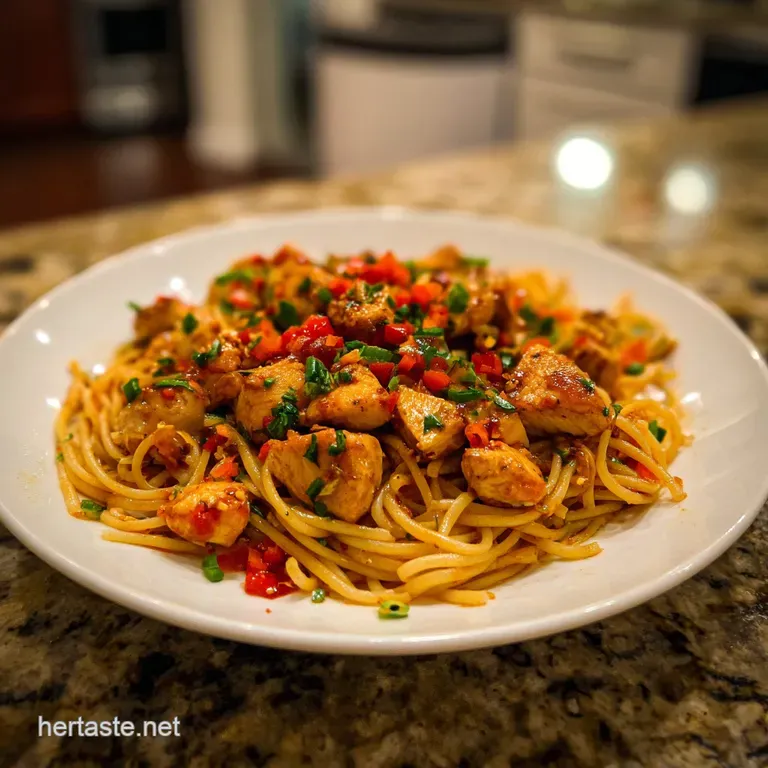
The biggest mistake I see people make is being afraid of high heat. If the pan isn't hot enough, the chicken will release its juices and boil in its own liquid. You want that "shatter" on the outside of the meat.
| Original Ingredient | Substitute | Why It Works |
|---|---|---|
| Heavy Cream | Coconut Milk | High fat content. Note: Adds a tropical flavor profile. |
| Wildflower Honey | Maple Syrup | Liquid sugar. Note: Result will be thinner and more earthy. |
| Penne Pasta | Fusilli | Similar surface area. Note: Holds sauce well in the spirals. |
Using the right heat ensures the honey caramelizes rather than just burning. If you see the sauce darkening too quickly, a splash of that pasta water is your best friend. It acts like a "reset" button for the sauce's temperature and consistency.
Avoiding Common Kitchen Disasters
Even experienced cooks can run into trouble with sticky sauces. The key is monitoring the reduction of the honey and cream.
Why Your Sauce Separated
This usually happens if the heat is too high when the cream is added or if the vinegar reacts too aggressively with a low-fat dairy. To fix this, remove the pan from the heat and whisk in a tablespoon of cold heavy cream or a splash of pasta water.
This lowers the temperature and helps the fats re emulsify into the liquid.
To Prevent a Broken Sauce
- ✓ Always use full fat heavy cream (at least 36% milkfat).
- ✓ Add the cream gradually while stirring.
- ✓ Never let the sauce reach a rolling boil once the dairy is in.
- ✓ Keep your pasta water it’s the "liquid gold" that binds everything.
If you find yourself struggling with chicken textures, you might want to try an Instant Pot Chicken recipe approach for a more tender, shredded result, though you'll lose that crispy seared edge we love here.
Adjusting the Recipe for Everyone
Whether you're cooking for a crowd or just yourself, this recipe is remarkably flexible. I often double it when I'm hosting friends because it’s a guaranteed crowd pleaser that looks way more expensive than it actually is.
Scaling the Meal
- Down (1/2 size): Use a smaller 8 inch skillet to ensure the sauce doesn't evaporate too quickly. Keep the chicken cook time the same.
- Up (2x size): Work in batches for the chicken. Overcrowding the pan will cause the meat to steam, and you'll lose that beautiful golden crust. Only increase the black pepper to 2.5 tbsp instead of 3 tbsp to keep the heat manageable.
Quick Decision Guide
- If you want more crunch: Increase the flour on the chicken to 3 tbsp and let it sit for 5 minutes before frying.
- If you want it sweeter: Add an extra tablespoon of honey at the very end as a finishing glaze.
- If you want it spicy: Add a pinch of red pepper flakes to the oil when sautéing the garlic.
| Method | Time | Texture | Best For |
|---|---|---|---|
| Traditional Stovetop | 25 mins | Crispy/Saucy | Most Home Cooks |
| Cast Iron Finish | 30 mins | Deeply Caramelized | Maximum Flavor |
| One Pot Method | 25 mins | Creamier/Softer | Easy Cleanup |
Debunking Popular Cooking Myths
There’s a common misconception that black pepper loses its flavor when cooked at high heat. In reality, while some volatile aromatics dissipate, the piperine (the heat component) remains stable.
By blooming the pepper in the honey and oil, we actually develop a deeper, more complex spice profile that permeates the entire dish.
Another myth is that you should rinse your pasta. Never rinse your pasta! Rinsing removes the surface starch that is essential for the honey pepper sauce to stick to the penne. You want those noodles to be starchy and slightly sticky so they can grab onto every drop of that velvety cream.
Proper Storage and Zero Waste
This pasta is best enjoyed fresh, as the cream sauce tends to soak into the noodles over time. However, life happens, and leftovers are inevitable.
Storage: Keep in an airtight container in the fridge for up to 3 days. When reheating, add a splash of milk or water to the bowl before microwaving or heating on the stove. This recreates the emulsion and prevents the sauce from becoming oily.
Zero Waste: Don't toss those garlic skins or the ends of your Parmesan rind. Save them in a freezer bag! The Parmesan rind is a secret weapon for future soups, and garlic skins can be simmered into a homemade veggie stock.
If you have leftover chicken that didn't make it into the pasta, it makes an incredible topping for a cold salad the next day.
Designing a Restaurant Style Plate
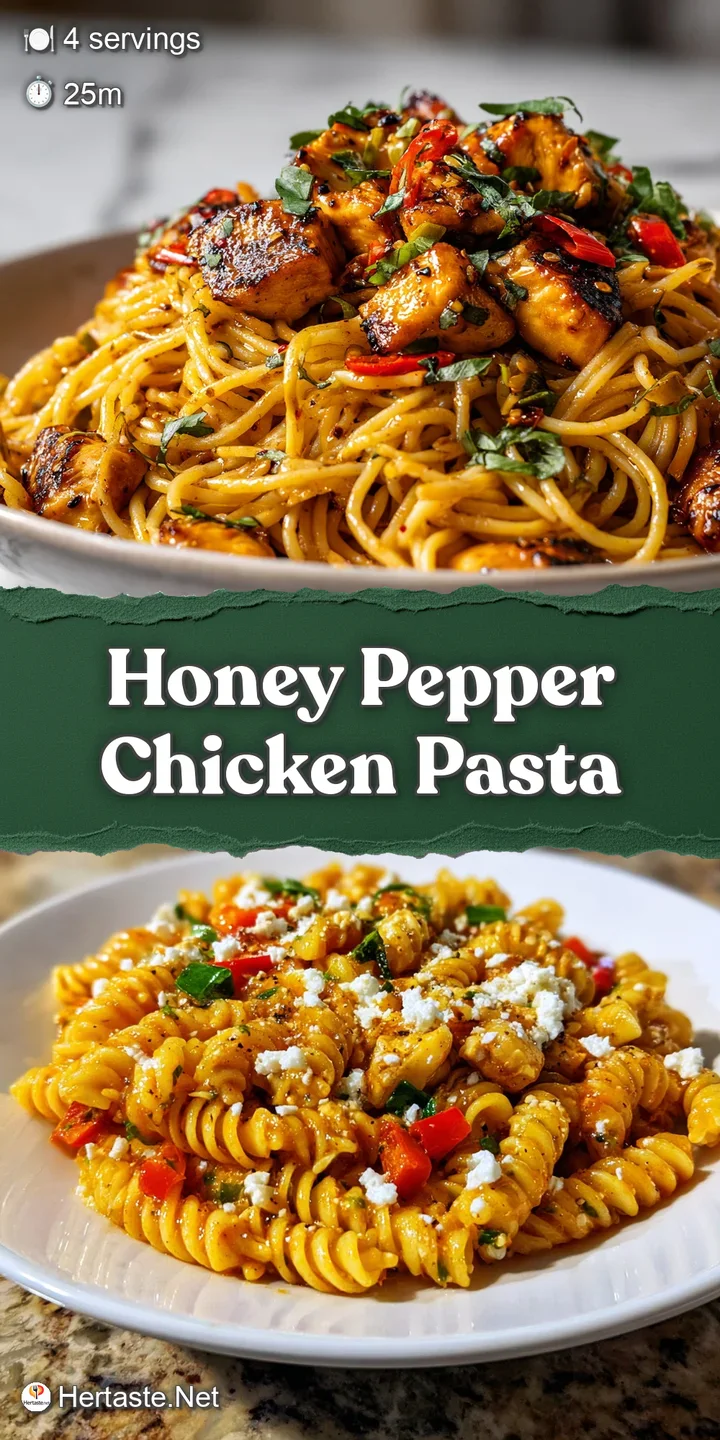
Presentation is the final step in making this Honey Pepper Chicken Pasta Recipe feel special. Use a wide, shallow bowl rather than a deep one. Twist the pasta into the center using a pair of tongs to create height, then spoon the extra chicken and glossy sauce over the top.
Finish with a flurry of freshly grated Parmesan and a final, tiny crack of black pepper. The contrast of the dark, peppery glaze against the white cheese makes the dish pop visually.
For a touch of color, a few leaves of fresh parsley or even some sliced green onions add a much needed brightness to the earthy tones of the honey and pepper. It’s a meal that looks as good as it tastes, proving that great cooking is all in the details.
High in Sodium
985 mg mg of sodium per serving (43% % of daily value)
The American Heart Association recommends limiting sodium intake to approximately 2,300mg per day for optimal health.
Tips to Reduce Sodium in This Recipe
-
Reduce Added Salt-25%
Eliminate or significantly reduce the 0.5 tsp of sea salt. Taste the dish as you cook and only add a pinch if absolutely necessary. This can reduce sodium significantly without sacrificing flavor.
-
Lower Sodium Soy Sauce-20%
Replace the regular soy sauce with a lower sodium or sodium free alternative. This simple swap can substantially decrease the sodium content.
-
Reduce Parmesan Cheese-15%
Cut back on the amount of Parmesan cheese used. Instead of 0.25 cup, try using only 0.125 cup, or opt for a lower sodium hard cheese.
-
Rinse Pasta-10%
After cooking the pasta, rinse it thoroughly with water. This helps remove excess sodium that may have leached into the pasta during cooking.
-
Enhance with Herbs
Use fresh herbs like basil, oregano, or thyme to enhance the flavor profile without adding sodium. Experiment with different combinations to find your favorite!
Recipe FAQs
Do I cook chicken before putting it in a pasta bake?
Yes, fully cook the chicken first. For this specific recipe, you must sear the chicken until fully cooked before combining it with the sauce components. Any residual moisture from partially cooked chicken will break the cream emulsion during the final simmer.
What is Applebee's honey pepper sauce made of?
Applebee's sauce typically features honey, savory base notes, and heavy amounts of black pepper. Restaurant versions often use commercial thickeners and stabilizers; our homemade version achieves a similar glossy texture by emulsifying heavy cream with starchy pasta water.
What are some common honey chicken mistakes?
The most common mistake is burning the honey before the chicken is cooked through. Honey has a low smoke point; add it only after the chicken has seared and immediately reduce the heat before stirring it into the pan.
Why is it called "marry me pasta"?
This specific dish is not typically called "Marry Me Pasta," though they share creamy elements. Marry Me Pasta refers to rich, usually tomato based, cream sauces designed to be irresistibly delicious. If you enjoyed the richness here, you might also like mastering the technique in our Penne Pasta and Alfredo Sauce recipe.
How do I prevent the heavy cream from splitting when mixed with the acidic vinegar?
Add the heavy cream slowly over low heat after the vinegar mixture has been introduced to the pan. Ensure the base liquid (pasta water/cream) is hot but not boiling vigorously when the acid hits, as rapid temperature change causes curdling.
Can I use chicken thighs instead of breasts for this recipe?
Yes, chicken thighs are an excellent, more forgiving substitute. Thigh meat is higher in fat, meaning it stays moister during the high heat searing process. You may need to extend the cooking time by 2-3 minutes to ensure they reach the safe internal temperature of 165°F.
What technique ensures the sauce clings to the pasta instead of pooling at the bottom?
Use starchy, unsalted pasta water to create a temporary emulsion binder. Whisking that starchy liquid into your cream and honey glaze activates its binding properties. If you are careful about texture control here, you'll find the same principle applies to achieving smooth gravies, like in our Juicy Lemon Herb recipe.
Honey Pepper Chicken Pasta
Ingredients:
Instructions:
Nutrition Facts:
| Calories | 969 kcal |
|---|---|
| Protein | 67.3 g |
| Fat | 35.6 g |
| Carbs | 88.6 g |
| Fiber | 4.2 g |
| Sugar | 24.8 g |
| Sodium | 985 mg |
