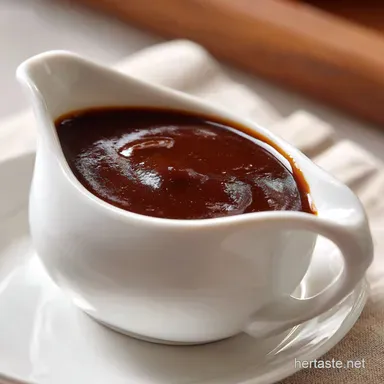
Gravy from Beef Broth Recipe: Rich and Silky
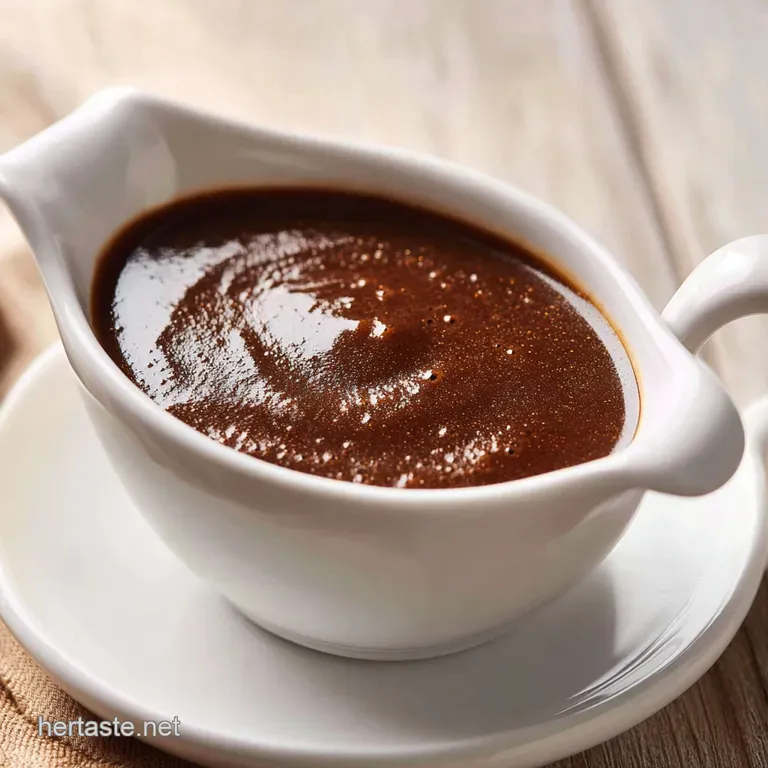
- Time: 5 min active + 10 min cooking = Total 15 minutes
- Flavor/Texture Hook: Nutty, silky, and deeply savory
- Perfect for: Quick weeknight mashes, roast beef, or budget-friendly comfort meals
Gravy From Beef Broth Recipe
The sharp sizzle of butter hitting a hot pan is where the magic starts. I remember one chaotic Sunday dinner where my roast beef was somehow too lean, leaving me with zero drippings in the pan. I actually panicked for a second, staring at a dry roasting pan, wondering how I was going to save the meal.
I scrambled to the pantry, grabbed a carton of broth and some flour, and just started whisking. That's when I realized you don't actually need the "waste" from the meat to get a professional result. You just need a bit of patience with the roux to get that deep, toasted aroma that makes a meal feel complete.
This gravy from beef broth recipe is my go to because it's reliable and budget friendly. It doesn't matter if you're cooking a fancy dinner or just some frozen mash on a Tuesday, this gives you that glossy, restaurant style finish.
Trust me, once you nail the "nutty" stage of the flour, you'll stop worrying about drippings altogether.
Why This Sauce Works
- Starch Gelatinization: Flour granules absorb the liquid and swell, creating a stable network that thickens the broth.
- Fat Emulsification: The butter coats the flour particles, preventing them from clumping and ensuring a silky mouthfeel.
- Maillard Reaction: Cooking the roux until golden brown develops complex, toasted flavors that mimic slow roasted meat.
- Viscosity Control: Simmering allows excess water to evaporate, concentrating the savory notes and thickening the consistency.
| Method | Time | Texture | Best For |
|---|---|---|---|
| Stovetop | 15 minutes | Silky & Glossy | Quick meals, precise control |
| Oven (Pan) | 25 minutes | Hearty & Rustic | Large roasts, minimal cleanup |
Right then, let's look at what's actually happening inside the pot. Most people just dump everything in, but the secret is in the chemistry of the fat and flour.
Component Analysis
| Ingredient | Science Role | Pro Secret |
|---|---|---|
| Unsalted Butter | Fat Medium | Use cold butter for a slower, more controlled roux |
| All Purpose Flour | Thickening Agent | Whisk constantly to avoid "hot spots" and burning |
| Beef Broth | Flavor Base | Use a low sodium version to control salt levels |
| Black Pepper | Aromatic Depth | Freshly cracked pepper adds a floral heat |
Gathering Your Essentials
I've found that using high-quality butter makes a noticeable difference here. Honestly, don't even bother with margarine; you'll lose that velvety finish. If you're using a Meat Stock you made from scratch, the flavor will be even more intense.
- Unsalted Butter: 4 tbsp (57g) Why this? Provides the fat needed for a smooth roux
- Swap: Olive oil (use 3 tbsp). Note: Less creamy, more neutral flavor.
- All Purpose Flour: 4 tbsp (32g) Why this? Standard wheat starch for reliable thickening
- Swap: Cornstarch (use 2 tbsp). Note: Glossier but less flavor depth.
- Beef Broth: 2 cups (480ml) Why this? The primary savory liquid
- Swap: Beef base mixed with water. Note: Check salt levels carefully.
- Salt: 1/2 tsp (3g) Why this? Enhances all other flavors
- Swap: Soy sauce (1 tsp). Note: Adds umami and a darker color.
- Ground Black Pepper: 1/4 tsp (1g) Why this? Adds a subtle, warm bite
- Swap: White pepper. Note: Milder heat, visually cleaner.
Tools You'll Need
You don't need a fancy kitchen for this, but a few specific tools make it way easier. A heavy bottomed saucepan is key because thin pans create hot spots that burn the flour.
I always reach for a balloon whisk. It's the only way to truly break up those stubborn flour clumps. If you only have a spoon, you'll be working twice as hard for a lumpy result. A metal spoon is also handy for the "coat the back" test.
How to Cook It
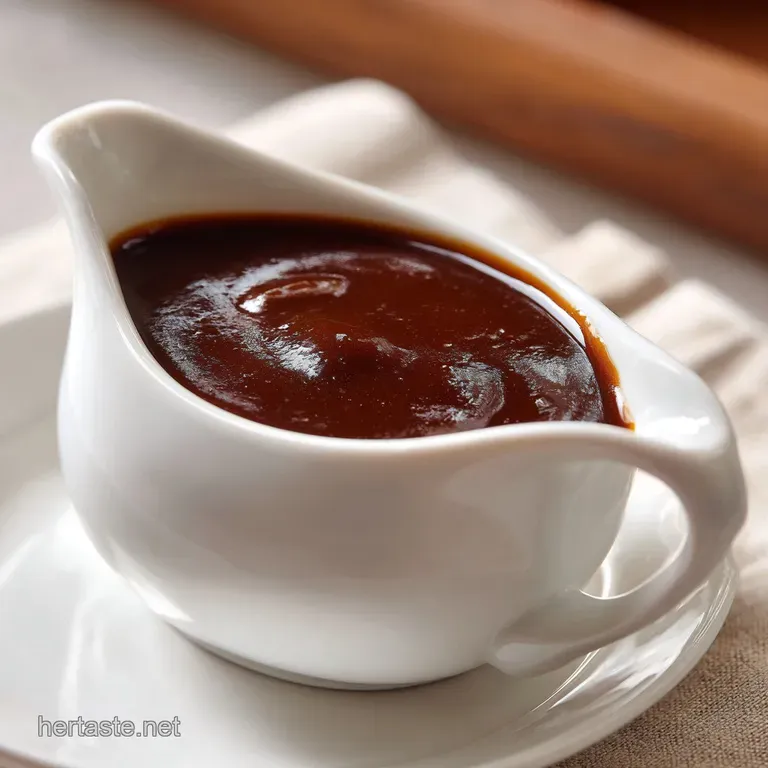
Let's crack on. Follow these steps exactly to avoid the dreaded "flour taste" in your sauce.
- Melt the butter in a saucepan over medium heat. Note: Don't let it brown too quickly or it'll burn.
- Once bubbling, whisk in the flour.
- Stir constantly for 2-3 minutes until the mixture smells nutty and turns a light golden brown.
- Slowly pour in the beef broth about 1/4 cup at a time.
- Whisk vigorously after each addition until all broth is incorporated and the mixture is smooth.
- Turn the heat to medium low.
- Let the gravy simmer gently, whisking occasionally.
- Cook until it reaches a velvety consistency that can coat the back of a metal spoon.
- Stir in the salt and pepper.
- Remove from heat immediately.
Chef's Note: For a deeper color without overcooking the roux, stir in a tiny pinch of cocoa powder or a drop of Worcestershire sauce. It adds a mahogany hue that looks stunning on the plate.
Fixing Common Issues
But what about the sogginess? Or those annoying lumps? We've all been there. The most common issue is adding the broth too fast, which shocks the roux and creates clumps.
Troubleshooting Common Issues
| Issue | Solution |
|---|---|
| Why Your Gravy Is Lumpy | If you pour the liquid in all at once, the flour hydrates instantly on the outside, trapping dry powder inside. This creates those little "flour balls" that refuse to disappear. |
| Why Your Gravy Is Too Thin | This usually happens if the roux wasn't cooked long enough or the simmer time was too short. You need that evaporation to happen to concentrate the proteins. |
| Why Your Gravy Tastes Like Raw Flour | You didn't cook the roux long enough. The flour needs to reach that golden brown stage to toast the starch and remove the "pasty" flavor. |
Quick Success Checklist:
- ✓ Butter is bubbling before flour is added.
- ✓ Roux is golden brown, not just white.
- ✓ Broth is added in small increments.
- ✓ Sauce coats the back of a spoon.
Swaps and Variations
Depending on what's in your fridge, you can tweak this easily. If you're looking for something more hearty, this homemade beef gravy recipe works brilliantly as a base for mushroom gravy. Just sauté some sliced cremini mushrooms in the butter before adding the flour.
For a gluten-free version, swap the flour for a 1:1 GF blend. According to King Arthur Baking, GF blends often need a bit more liquid to reach the same consistency. Be prepared to add an extra splash of broth.
If you want a vegan option, use vegan butter and a rich mushroom based broth. The process remains identical. You'll still get that velvety finish, though the flavor will be slightly more earthy.
| Original Ingredient | Substitute | Why It Works |
|---|---|---|
| All Purpose Flour | Cornstarch (2 tbsp) | Fast thickening. Note: Lacks the toasted flavor of a roux |
| Beef Broth | Vegetable Broth + Soy Sauce | Mimics color and salt. Note: Lighter, less "meaty" taste |
| Unsalted Butter | Ghee | Higher smoke point. Note: Intensely nutty, great for deeper browning |
If you're using this as a base for other meals, try adding a teaspoon of Dijon mustard. It cuts through the fat and adds a sophisticated tang.
Storage and Leftovers
This gravy keeps well in the fridge for about 4-5 days. Store it in an airtight glass jar to keep it from picking up other fridge smells. When you reheat it, you'll notice it has thickened significantly - that's normal.
For the freezer, it lasts up to 3 months. I suggest using silicone muffin liners to freeze small portions. Once frozen, pop them into a freezer bag. To reheat, just add a splash of water or broth to the pan to loosen it up.
To avoid waste, if you have leftover broth, don't toss it! You can freeze it in ice cube trays to use as "flavor bombs" for sautéing vegetables or starting a Classic Beef Stew.
Best Food Pairings
This is a versatile sauce that transforms simple ingredients. My favorite way to use this gravy from beef broth recipe is over a mountain of garlic mashed potatoes and some steamed green beans.
It's also a lifesaver for "dry" meats. If you're reheating leftover steak or roast, a drizzle of this brings the moisture back. It also works as a dipping sauce for toasted sourdough bread during a rainy afternoon.
For a more filling meal, pour it over beef tips or a Salisbury steak. The richness of the sauce balances the sear of the meat, creating a cohesive, comforting dish.
Recipe FAQs
How to make gravy out of your beef broth?
Melt butter over medium heat, whisk in flour for 2-3 minutes, then gradually stir in beef broth. Simmer on medium low until the mixture is velvety and coats the back of a spoon.
Can I thicken beef broth to make gravy from it?
Yes, by creating a roux. Combining butter and flour before adding the broth provides the necessary structure and thickness.
Can you eat gravy with diabetes?
Yes, but monitor your portions. The all-purpose flour contains carbohydrates that can impact blood sugar levels.
Can I use beef broth instead of water to make gravy?
Yes, and it is highly recommended. Beef broth provides a deep, savory flavor that water lacks.
Why is my beef gravy lumpy?
The broth was likely added too quickly. Pour the liquid in 1/4 cup increments and whisk vigorously to prevent flour balls from forming.
Is it true that gravy must be boiled for a long time to taste good?
No, this is a common misconception. You only need a gentle simmer on medium low to reach the ideal consistency.
What should I do if the gravy is too thin?
Simmer the mixture longer on medium low heat. If you enjoyed mastering this thickening technique here, the same principle of texture control is used in our loaded potato soup.
Gravy From Beef Broth