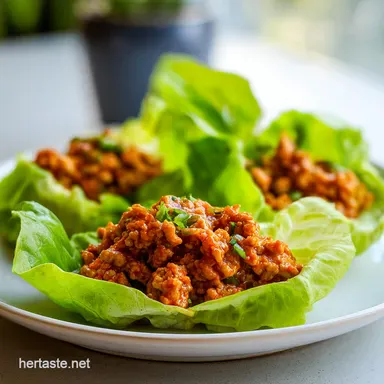
Thai Lettuce Wraps: Bold and Flavor-Packed
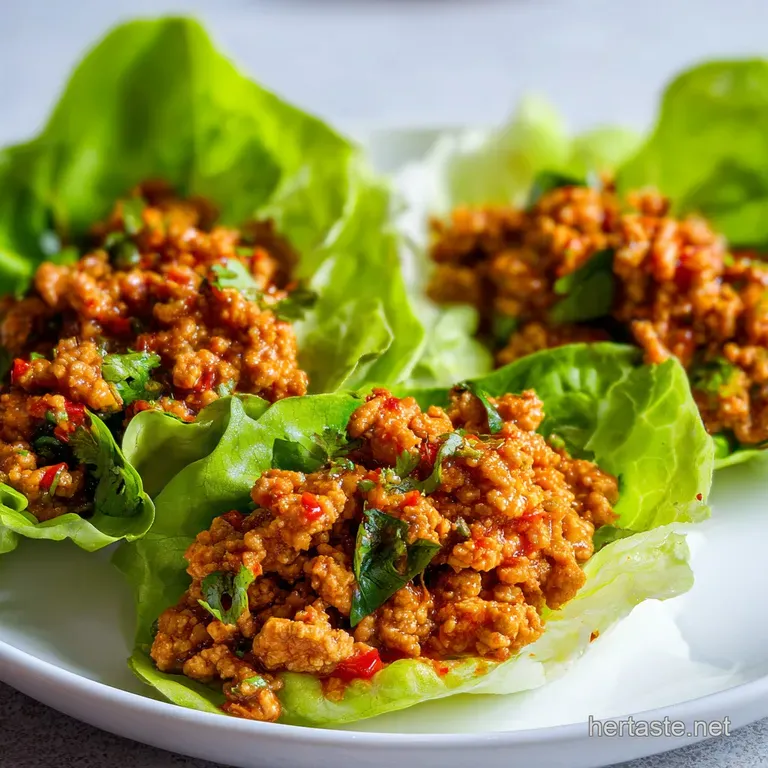
- Time: 20 min active + 30 min cook = Total 50 mins
- Flavor/Texture Hook: Velvety cashew nuttiness paired with a shatter crisp lettuce crunch
- Perfect for: Casual Friday night tasting parties or impressive weeknight dinners
- Cheesecake factory thai lettuce wraps recipe
- The Secret To That Texture
- Essential Component Analysis
- The Pantry List
- The Essential Gear
- Step-by-Step Cooking Guide
- Common Texture Fixes
- Customizing Your Flavors
- Logic Behind the Method
- Debunking Common Kitchen Myths
- Storage and Waste Tips
- The Final Platter
- High in Sodium
- Recipe FAQs
- 📝 Recipe Card
Sizzle, pop, and that sudden, intoxicating hit of red curry paste hitting hot oil. If you've ever spent an evening at the Cheesecake Factory, you know the vibe - those massive menus and the feeling that you could order ten different things just to share.
I used to crave those Thai lettuce wraps specifically, but paying restaurant prices for an appetizer felt wrong when I had a wok and some pantry staples at home.
I remember the first time I tried to recreate this. I rushed the chicken, stirring it constantly, and ended up with a grey, boiled mess instead of that sticky, charred glaze. It was a lesson in patience. Now, I treat this like a ritual.
It's the kind of dish that turns a random Tuesday into an event, especially when you bring out a giant platter and let everyone build their own wraps.
The goal here is the "flavor loop." You aren't just eating one thing; you're bouncing between the creamy peanut sauce, the tangy tamarind, and the sweet chili. This cheesecake factory thai lettuce wraps recipe is all about that variety.
It's vibrant, flavor packed, and surprisingly easy once you have your "sauce station" set up. Let's crack on.
Cheesecake factory thai lettuce wraps recipe
The real magic here isn't just the chicken, it's the architecture of the bite. You've got the cold, watery crunch of butter lettuce acting as a vessel for warm, sticky coconut curry chicken, topped with the fresh snap of carrots and cabbage. It's a temperature and texture contrast that keeps your palate awake.
When I first started making these, I thought I could just use one generic "Thai sauce." But that's where the mistake happens. The original experience is a trio. By splitting the flavors into three distinct dipping bowls, you control the intensity of each bite.
One wrap might be peanut heavy, while the next is a tamarind led explosion.
Honestly, don't even bother with low-fat alternatives for the coconut milk or peanut butter. The fats are what carry the heat of the red curry and the zing of the lime. This is a budget smart recipe because we use apricot preserves as a base for the sweet chili sauce, which gives that thick, glossy restaurant look without needing to buy five different specialty condiments.
The Secret To That Texture
The "magic" here comes down to how the ingredients interact on a molecular level without getting too technical about it.
The Fat Shield: Coconut milk coats the chicken proteins, which prevents them from drying out while the high heat creates that sticky crust. It's like a protective layer that keeps the inside velvety while the outside carmelizes.
The Acidity Balance: Tamarind and lime juice cut straight through the heavy fats of the cashew and peanut butters. This prevents the dish from feeling "muddy" and makes the flavors pop individually.
The Sugar Bond: Brown sugar and apricot preserves create a glaze that clings to the meat. Instead of the sauce sliding off the chicken, it forms a thick, syrupy coating that concentrates the flavor.
The Cold Crunch: Keeping the lettuce and cabbage chilled until the very last second creates a thermal shock when the hot chicken hits the leaf. This keeps the wrap from wilting immediately.
| Method | Time | Texture | Best For |
|---|---|---|---|
| Fast (One Sauce) | 30 mins | Uniform | Quick weeknight snack |
| Classic (Three Sauces) | 50 mins | Complex/Layered | Hosting and dinner parties |
This contrast is what makes the dish feel high end. If you're looking for something even simpler, you might like my crispy chicken lettuce wraps, but for the full experience, the triple sauce method is the way to go.
Essential Component Analysis
Understanding why we use these specific ingredients helps when you're standing in the grocery aisle wondering if you can swap something out.
| Ingredient | Science Role | Pro Secret |
|---|---|---|
| Coconut Milk | Protein tenderizer | Use full fat for a silkier mouthfeel |
| Tamarind Paste | Tartness agent | Adds a deep, fermented sourness that lime can't mimic |
| Apricot Preserves | Thickener/Sweetener | Provides a glossy sheen and consistent fruitiness |
| Red Curry Paste | Heat/Aroma base | Bloom it in oil first to unlock the essential oils |
Right then, let's look at the full list. I've kept this budget friendly by using ingredients you can often find in the international aisle or the baking section.
The Pantry List
For the Coconut Curry Chicken
- 1 lb (450g) chicken breast, finely dicedWhy this? Lean meat absorbs the marinade quickly
- 2 tbsp (30ml) coconut milk, full fatWhy this? Essential for the velvety texture
- 1 tbsp (15ml) red curry pasteWhy this? Provides the core Thai heat
- 1 tbsp (15ml) soy sauceWhy this? Adds depth and salt (umami)
- 1 tsp (5ml) brown sugarWhy this? Helps the chicken caramelize
- 1 tbsp (15ml) vegetable oilWhy this? High smoke point for searing
- Substitute: Use chicken thighs for more moisture, though the texture is less "clean."
For the Sweet Chili Sauce
- 1/2 cup (120ml) apricot preservesWhy this? Creates the sticky base
- 1 tbsp (15ml) rice vinegarWhy this? Sharp acidity to balance sugar
- 1 tsp (5ml) SrirachaWhy this? Adds a vinegary kick of heat
- 1/2 tsp (2.5ml) garlic powderWhy this? Subtle savory background
- Substitute: Orange marmalade works, but adds a more bitter citrus note.
For the Tamarind Cashew Sauce
- 1/4 cup (60ml) cashew butterWhy this? Creamy, mild nuttiness
- 2 tbsp (30ml) tamarind pasteWhy this? Authentic tart flavor
- 1 tbsp (15ml) maple syrupWhy this? Balanced sweetness
- 1 tbsp (15ml) lime juiceWhy this? Fresh, bright finish
- 2 tbsp (30ml) waterWhy this? Adjusts the consistency
- 1 tbsp (15ml) fresh cilantro, mincedWhy this? Herbal freshness
- Substitute: Almond butter if cashews are too pricey; it's slightly more toasted.
For the Peanut Sauce
- 1/4 cup (60ml) creamy peanut butterWhy this? The classic Thai anchor
- 1 tbsp (15ml) soy sauceWhy this? Salty contrast
- 1 tbsp (15ml) lime juiceWhy this? Cuts the richness
- 1 tsp (5ml) fresh ginger, gratedWhy this? Zesty, spicy undertone
- 1 tsp (5ml) honeyWhy this? Floral sweetness
- Substitute: Tahini for a nut free (sesame) version; it's more bitter, so add extra honey.
For the Wrap & Fillers
- 1 head butter lettuceWhy this? Soft leaves that don't snap
- 1 cup (150g) shredded red cabbageWhy this? Color and crunch
- 1/2 cup (60g) shredded carrotsWhy this? Natural sweetness
- 1/4 cup (40g) sliced water chestnutsWhy this? The "shatter" effect
- 2 oz (56g) rice noodles, cooked and cooledWhy this? Adds a chewy element
- Substitute: Romaine hearts if butter lettuce is unavailable, but they are more rigid.
The Essential Gear
You don't need a professional kitchen, but a few specific tools make this a breeze. I highly recommend a wok for the chicken because the sloping sides allow you to stir fry and reduce the sauce quickly. If you don't have one, a large stainless steel skillet works just fine.
I also use small glass ramekins for the sauces. It makes the presentation feel like a real tasting platter and prevents the sauces from running into each other. For the ginger, a microplane or a fine grater is a lifesaver - you want a paste, not chunks.
Finally,, make sure you have a large bowl of ice water for your lettuce. This is a trick I learned from Serious Eats regarding vegetable crispness. Soaking the leaves for 10 minutes makes them incredibly rigid and fresh, which prevents them from collapsing under the weight of the chicken.
Step-by-step Cooking Guide
Right then, let's get into the flow. This cheesecake factory thai lettuce wraps recipe is all about the prep. Do all your chopping and mixing first, then the cooking happens in a flash.
Phase 1: Prepping the Triple Sauce Station
- Whisk the Sweet Chili sauce. Combine apricot preserves, rice vinegar, Sriracha, and garlic powder in a bowl. Stir until smooth and glossy.
- Mix the Tamarind Cashew sauce. Combine cashew butter, tamarind paste, maple syrup, lime juice, water, and minced cilantro. Stir until the cashew butter is fully incorporated and velvety.
- Combine the Peanut sauce. Whisk peanut butter, soy sauce, lime juice, grated ginger, and honey. Stir until creamy and thick. Note: If it's too stiff, add a teaspoon of warm water.
Phase 2: Searing the Coconut Curry Chicken
- Marinate the chicken. In a medium bowl, toss your finely diced chicken breast with coconut milk, red curry paste, soy sauce, and brown sugar. Let it sit for 10 mins if you have time, but it's fine to go straight in.
- Heat the oil. Set your wok or skillet over medium high heat and add the vegetable oil. Wait until the oil shimmers and just begins to smoke.
- The Initial Sear. Add the chicken in a single layer. Do NOT touch it for 3 minutes. Wait until you see a deep brown, caramelized crust on the bottom. This is the precision checkpoint that creates the flavor.
- Stir fry and reduce. Stir the chicken and cook for another 4–6 minutes. Continue until the chicken is cooked through and the sauce has reduced to a thick, sticky glaze that clings to the meat.
Phase 3: Assembling the Crunch
- Prep the base. Place a chilled butter lettuce leaf on a platter.
- Layer the fillings. Add a small pinch of cooked rice noodles first, followed by a sprinkle of shredded cabbage, carrots, and water chestnuts.
- Add the protein. Top the lettuce wrap with a generous scoop of coconut curry chicken. Serve immediately with the three dipping sauces on the side.
Common Texture Fixes
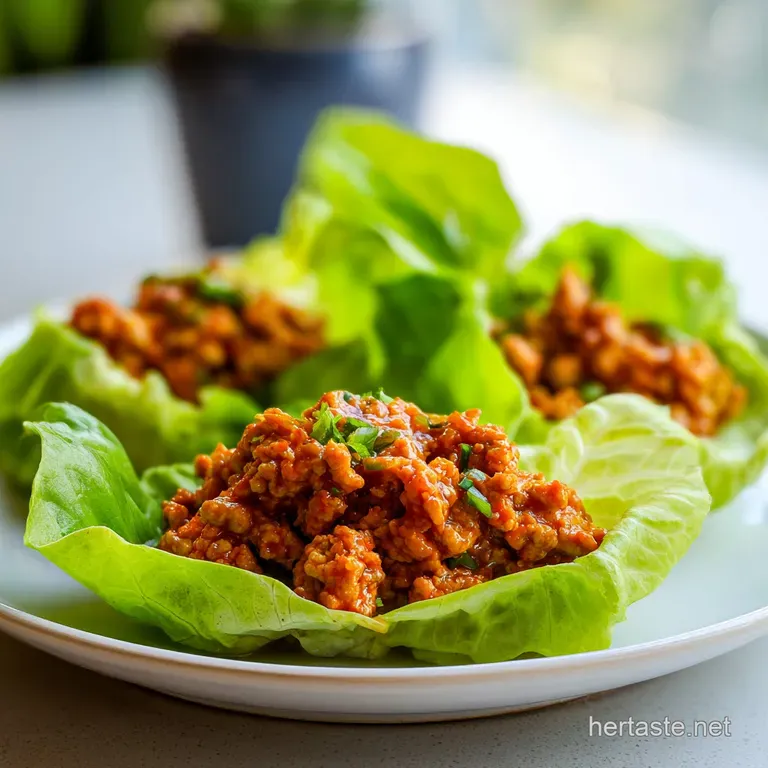
Even with a great recipe, things can go sideways. Most of the time, it's just a matter of heat management or ingredient ratios.
Lettuce Leaf Integrity
If your leaves are tearing or wilting, it's usually because they're too warm or the chicken is too wet. Cold lettuce is structurally stronger. Also, make sure you've reduced the chicken sauce until it's a glaze, not a soup, otherwise the moisture will break down the leaf.
Sauce Consistency Issues
If your peanut or cashew sauces are separating (looking oily), it's because the emulsion broke. This usually happens if the ingredients were at very different temperatures. Just whisk in a teaspoon of warm water or lime juice and beat it vigorously with a fork to bring it back together.
Chicken Toughness
Overcooking diced chicken is easy because the pieces are so small. If your chicken feels rubbery, you likely stirred it too much or cooked it past the 6 minute mark. Stick to the "sear then stir" method for that tender, juicy center.
| Problem | Root Cause | Solution |
|---|---|---|
| Sauce is too thick | Not enough liquid/water | Whisk in 1 tsp water at a time |
| Chicken is bland | Didn't sear long enough | Cook 3 mins without stirring |
| Lettuce is soggy | Chicken added while too liquid | Reduce sauce until it's a sticky glaze |
Quick Check for Success:
- ✓ Lettuce was soaked in ice water for 10 mins.
- ✓ Chicken was seared without moving for exactly 3 mins.
- ✓ Sauces are whisked until no clumps of nut butter remain.
- ✓ Vegetables are shredded finely to avoid "bulky" wraps.
Customizing Your Flavors
One of the best things about this cheesecake factory thai lettuce wraps recipe is how adaptable it is. If you don't have a specific ingredient, don't panic.
Making it Vegan You can easily swap the chicken for extra firm tofu. Just press the tofu for 20 mins to remove excess water, dice it, and follow the same marinating and searing steps. Use maple syrup instead of honey in the peanut sauce.
Upping the Heat If you like a real kick, add a teaspoon of red pepper flakes to the chicken marinade or double the Sriracha in the sweet chili sauce. You can also add thinly sliced fresh bird's eye chilies to the cabbage mix for a raw, sharp heat.
Nut Free Options If you have allergies, swap the cashew and peanut butters for sunflower seed butter. It has a similar fat profile and creaminess, though it's slightly more "earthy." You'll want to add an extra squeeze of lime to brighten the sunflower flavor.
For a different vibe, you might try these as a side to my Thai spring rolls, which bring a different kind of crunch to the table.
| Original Ingredient | Substitute | Why It Works |
|---|---|---|
| Cashew Butter | Sunflower Butter | Similar creamy fat. Note: Earthier taste, needs more lime |
| Apricot Preserves | Peach Jam | Similar sweetness/thickness. Note: Slightly more floral |
| Butter Lettuce | Romaine Hearts | Great crunch. Note: Harder to fold, may snap |
| Honey | Agave Nectar | Liquid sweetener. Note: More neutral flavor |
Logic Behind the Method
You might wonder why we don't just mix everything together in one big bowl. There's a reason for the separation.
The "Double Sear" logic By letting the chicken sit undisturbed for 3 minutes, we create a Maillard crust. If you stir immediately, you release moisture and the chicken steams instead of searing. That crust is where the "restaurant" taste lives.
The Sauce Loop The three sauces are designed to hit different parts of the tongue. The sweet chili hits the tip, the tamarind hits the sides with acidity, and the peanut sauce provides a rich, coating finish. Mixing them would muddle these distinctions.
The Noodle Base Adding rice noodles at the bottom isn't just for filling. They act as a sponge, soaking up any extra glaze from the chicken before it hits the lettuce, which helps keep the leaf crisp for longer.
Debunking Common Kitchen Myths
Myth: Searing "seals in" the juices. This is a classic misconception. Searing doesn't create a waterproof barrier. In reality, searing actually causes more moisture loss, but we do it because the browned crust adds an incredible depth of flavor that you can't get any other way.
Myth: You need an authentic wok for stir fry. While a wok is great for heat distribution, any heavy bottomed pan will work. The key is the heat intensity and the amount of oil, not the shape of the pan itself.
Myth: Fresh ginger is overkill. Some people use ginger powder, but the difference is night and day. Fresh ginger contains active enzymes and a bright, citrusy zing that powder simply cannot replicate. Trust me on this one.
Storage and Waste Tips
If you have leftovers, don't assemble the wraps! Store the components separately.
Fridge Guidelines Keep the cooked coconut curry chicken in an airtight container for up to 3 days. Store the three sauces in small jars for up to a week. Keep the shredded cabbage and carrots in a separate container with a damp paper towel to maintain the snap.
Freezing Potential The cooked chicken freezes surprisingly well for up to 2 months. Thaw it in the fridge overnight and reheat it in a skillet with a splash of water to loosen the glaze. Do NOT freeze the lettuce or the fresh sauces.
Zero Waste Strategy
- Lettuce Hearts: Don't toss the center ribs of the lettuce; chop them up and toss them into a salad.
- Carrot Peels: Save them in a bag in the freezer for your next vegetable stock.
- Cilantro Stems: Chop the stems finely and add them to the chicken marinade for extra flavor.
The Final Platter
Presentation is everything when you're recreating a cheesecake factory thai lettuce wraps recipe. You want it to look like a bounty of color.
The Arrangement Use a large, flat wooden board or a white ceramic platter. Place the three sauce ramekins in a triangle formation. Arrange the assembled lettuce wraps around them in a circular pattern, overlapping slightly.
The Finishing Touches Sprinkle a handful of toasted crushed cashews over the top of the chicken. Add a few whole cilantro leaves and a wedge of fresh lime on the side. The contrast of the red cabbage, orange carrots, and green lettuce makes the dish look professional without any actual effort.
Perfect Pairings Since these are light and zesty, pair them with something a bit more grounding. A side of steamed jasmine rice or a chilled cucumber salad with sesame oil works beautifully.
If you're hosting a full on party, these are a great lead in to a heavier main course, as they wake up the appetite without filling guests up too quickly.
High in Sodium
840 mg 840 mg of sodium per serving (37% 37% of daily value)
The American Heart Association recommends a daily limit of 2,300 mg of sodium to maintain heart health and lower blood pressure.
Tips to Reduce Sodium
-
Swap the Soy Sauce-30%
Replace the 2 tbsp of soy sauce with low-sodium soy sauce or coconut aminos for a significantly saltier flavor with much less sodium.
-
Low-Sodium Curry Paste-20%
Substitute the red curry paste with a low-sodium version or a homemade blend of red chilies and aromatics.
-
Limit the Sriracha-15%
Swap the Sriracha for fresh red chili flakes or a dash of cayenne pepper to keep the heat without the added salt.
-
Pure Tamarind Paste-10%
Use pure tamarind concentrate instead of processed pastes that often contain added salt as a preservative.
-
Enhance with Fresh Aromatics
Increase the amount of fresh ginger, minced garlic, and lime juice to add depth and brightness to the dish without adding sodium.
Recipe FAQs
Can I use a different type of lettuce?
Use romaine or iceberg for a similar crunch. If you enjoyed balancing cold, crunchy textures here, see how the same principle works in our classic chicken salad.
How to prevent the chicken from sticking to the pan?
Heat vegetable oil over medium high heat until shimmering. Avoid moving the chicken for the first 3 minutes to ensure a proper sear and natural release from the wok.
How to store leftovers?
Store all components in separate airtight containers. Keep the cooked chicken for 3 days and the sauces for up to a week to maintain the best quality.
Is it true that I should cook the rice noodles with the chicken?
No, this is a common misconception. Rice noodles must be cooked and cooled separately before being layered into the lettuce wrap.
How to achieve a thick, sticky glaze?
Stir fry the chicken for 4 6 minutes after the initial sear. This allows the coconut milk and red curry paste mixture to reduce and cling to the meat.
Can the dipping sauces be prepared in advance?
Yes, whisk them a few days early. Store the three separate sauces in small jars in the refrigerator to streamline your final assembly.
How to keep the lettuce wraps from wilting?
Chill the lettuce leaves before assembling. The cold temperature of the leaf provides a crisp contrast that resists the heat of the coconut curry chicken.
Cheesecake Factory Thai Lettuce Wraps