Homemade Scalloped Potatoes: Velvety and Rich
- Time: Active 20 minutes, Passive 65 minutes, Total 85 minutes
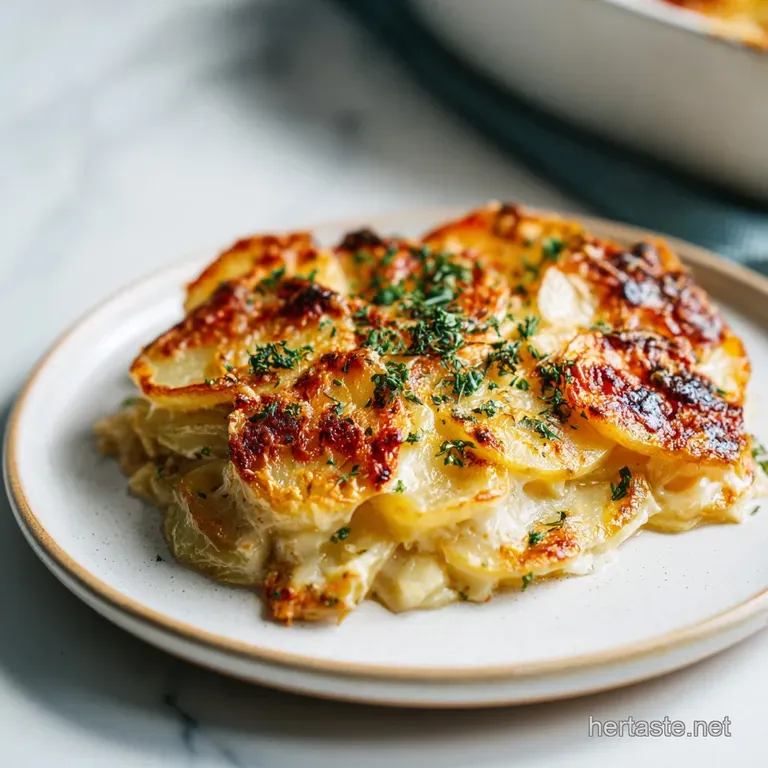
- Flavor/Texture Hook: Velvety cream sauce with a golden, shattering cheese crust
- Perfect for: Holiday feasts, Sunday roasts, or beginner friendly dinner parties
- Transforming Scalloped Potatoes into the Star of Your Holiday Table
- What Actually Makes the Sauce Velvety and Thick
- Component Analysis for the Best Potato Dish
- Selecting the Best Components for a Silky Potato Gratin
- Essential Kitchen Tools for Perfecting Thinly Sliced Potato Layers
- Step by Step Method for Achieving the Perfect Casserole
- Fixing Common Texture Issues in Your Creamy Potato Bake
- Creative Flavor Twists for Adapting Your Traditional Potato Dish
- Debunking Common Kitchen Myths
- Maintaining Quality and Freshness During Storage and Reheating
- Ideal Main Courses to Pair with Your Finished Casserole
- Recipe FAQs
- 📝 Recipe Card
Transforming Scalloped Potatoes into the Star of Your Holiday Table
The house is quiet, but the kitchen is humming with that specific kind of holiday energy. You know the one the oven is cranked up, the windows are slightly fogged from the steam, and there is a scent in the air that just feels like home.
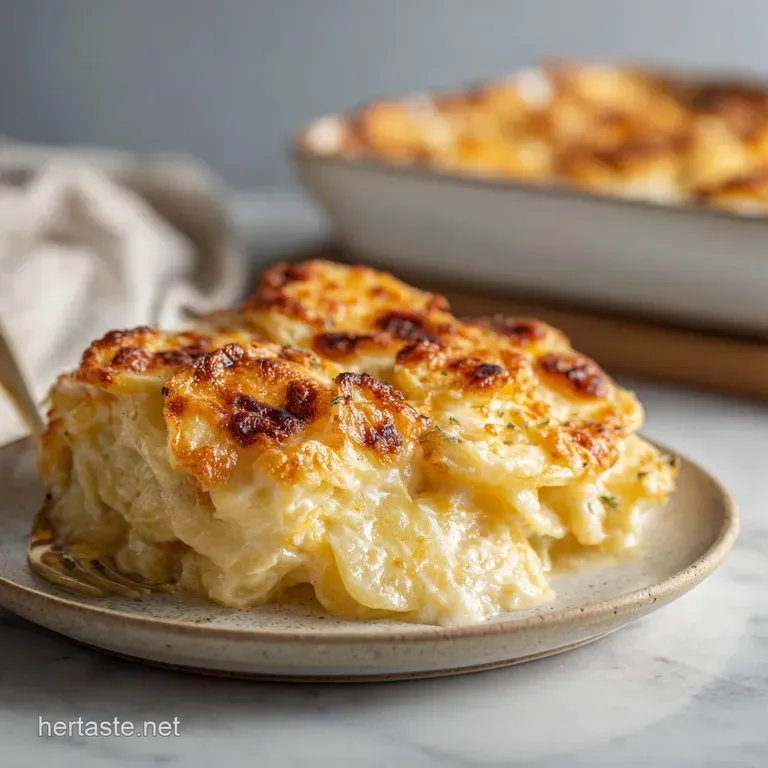
It’s the smell of garlic hitting warm milk and the earthy, woodsy aroma of fresh thyme. When I pull these Scalloped Potatoes out of the oven, the edges are bubbling with a frantic energy, and that top layer of Gruyere has turned into a mahogany colored crust that practically begs to be shattered with a spoon.
Honestly, for the longest time, I was terrified of making this dish. I’d seen too many versions where the sauce looked like a curdled mess or the potatoes were still crunchy in the middle while the top was burnt.
We’ve all been at that potluck where you take a polite bite of a potato and realize it has the texture of an apple. It’s heartbreaking! But after a lot of trial and error in my own kitchen, I realized the secret isn't just in the ingredients it's in how you treat the starch.
This is the dish I bring out when I want everyone to go quiet for a second. Whether it’s a rainy Sunday or a full blown Thanksgiving spread, these potatoes have a way of anchoring the meal. They aren't just a side dish; they are a decadent, creamy experience.
If you’ve ever struggled with thin, watery sauces or uneven cooking, stick with me. We are going to forge a path to the most velvety, cheesy result you’ve ever tasted, and I’ll show you exactly how to avoid the pitfalls I stumbled into years ago.
What Actually Makes the Sauce Velvety and Thick
- Starch Extraction: Simmering the potato slices directly in the milk infusion for 5 minutes coaxes out surface starches. This creates a natural thickener that binds the fats and liquids, preventing that dreaded "broken" or oily sauce.
- Aromatic Infusion: Steeping smashed garlic and thyme sprigs in the hot liquid before adding the potatoes ensures the flavor is molecularly bonded to the cream. It creates a subtle, layered taste rather than just having bits of garlic floating around.
- Fat Stabilization: Combining whole milk with heavy cream provides enough dairy fat to withstand the high heat of the oven. The protein structure in the cream acts as a buffer, keeping the sauce silky even as it bubbles.
- Residual Heat Carryover: Resting the dish for 10 minutes allows the starches to fully set. During this phase, the sauce transforms from a liquid state into a cohesive, velvety coating that clings to every slice.
Cook Method Comparison
| Method | Time | Texture | Best For |
|---|---|---|---|
| Traditional Oven | 65 minutes | Shattering crust, soft interior | Dinner parties and holidays |
| Stovetop Only | 25 minutes | Ultra creamy, no crust | Quick weeknight comfort |
| Slow Cooker | 4 hours | Dense, fully infused | Freeing up oven space |
Choosing between the oven and the stovetop usually comes down to how much you value that golden brown top. While the stovetop is faster, you lose the Maillard reaction that beautiful browning that happens under the dry heat of the oven. If you're in a rush, you can actually sauté your potatoes for a different vibe, but for the true "scalloped" experience, the oven is your best friend.
Component Analysis for the Best Potato Dish
| Ingredient | Science Role | Pro Secret |
|---|---|---|
| Yukon Gold Potatoes | Medium starch content holds shape while softening | Slice to 1/8 inch for even heat penetration |
| Heavy Cream | High fat content prevents curdling at 375°F | Always use full fat for the most stable emulsion |
| Nutmeg | Chemical bridge between dairy and earthy potato | Use freshly grated for a more volatile aroma |
| Sharp White Cheddar | Provides acidity to cut through the heavy fats | Hand grate to avoid anti clumping cellulose powders |
Selecting the Best Components for a Silky Potato Gratin
- 3 lbs Yukon Gold potatoes: Why this? They have a buttery texture and won't fall apart like russets.
- Substitute: Red potatoes (slightly waxier, hold shape very well).
- 1 tbsp unsalted butter: Why this? Greasing the dish prevents sticking and adds a toasted flavor base.
- Substitute: Cooking spray or olive oil (less flavor, but functional).
- 2 cups whole milk: Why this? Provides the volume for the sauce without being overly heavy.
- Substitute: 2% milk (sauce will be slightly thinner).
- 0.5 cup heavy cream: Why this? Adds the necessary fat to stabilize the sauce under heat.
- Substitute: Half and half (increase simmer time to thicken).
- 3 cloves garlic, smashed: Why this? Gentle infusion provides flavor without the bite of raw pieces.
- Substitute: 1 tsp garlic powder (whisked into the liquid).
- 4 sprigs fresh thyme: Why this? Adds a bright, herbal note that balances the richness.
- Substitute: 1 tsp dried thyme (add earlier to the simmer).
- 0.5 tsp freshly grated nutmeg: Why this? The classic "secret" ingredient that makes dairy taste richer.
- Substitute: Ground mace (very similar flavor profile).
- 1.5 tsp sea salt: Why this? Essential for drawing out the potato's natural sweetness.
- Substitute: Kosher salt (use 2 tsp for equivalent saltiness).
- 0.5 tsp cracked black pepper: Why this? Adds a subtle heat and visual texture.
- Substitute: White pepper (for a cleaner, invisible look).
- 1.5 cups sharp white cheddar, shredded: Why this? Provides the main salty, tangy punch.
- Substitute: Yellow cheddar or Fontina (for a milder taste).
- 0.5 cup Gruyere or Parmesan, finely grated: Why this? Creates the crisp, nutty crust on top.
- Substitute: Asiago or Romano (adds a sharp, salty finish).
Essential Kitchen Tools for Perfecting Thinly Sliced Potato Layers
To get those restaurant quality results, the equipment you use actually matters quite a bit. I highly recommend using a mandoline slicer if you have one. It ensures every single potato slice is exactly 1/8 inch thick, which means they will all finish cooking at the same time.
If you’re using a knife, just take your time and aim for consistency. A heavy bottomed saucepan, like a Le Creuset or a similar Dutch oven, is also key for simmering the milk. Thin pans tend to have "hot spots" that can scorch the dairy, which will ruin the flavor of the whole dish.
You will also need a 9x13 inch ceramic baking dish. I prefer ceramic over glass because it retains heat more evenly and looks beautiful enough to go straight from the oven to the table. Finally, grab a slotted spoon.
This is a small detail, but it allows you to move the par cooked potatoes into the dish without splashing hot milk everywhere. It’s all about creating a workflow that is clean and efficient so you aren't stressed when the guests arrive.
step-by-step Method for Achieving the Perfect Casserole
- Prep the environment. Preheat your oven to 375°F (190°C) and grease your 9x13 inch ceramic dish with that tablespoon of butter. Note: Thoroughly coating the corners prevents the cheese from welding to the dish.
- Infuse the liquid. Combine the 2 cups milk, 0.5 cup heavy cream, smashed garlic, thyme, nutmeg, salt, and pepper in a large saucepan. Bring it to a gentle simmer over medium heat don't let it boil over!
- Steep the aromatics. Remove the pan from the heat and let it sit for 10 minutes. Note: This step is where the magic happens; the flavors seep into the fat during this rest period.
- Par cook the potatoes. Discard the thyme and garlic. Add the 3 lbs of sliced potatoes to the warm milk. Simmer gently on medium low for 5 minutes until the liquid looks slightly thickened.
- Build the first layer. Use a slotted spoon to move half of those warm potatoes into your baking dish. Spread them out so they are relatively flat and even.
- Add the cheese core. Sprinkle 0.75 cups of the shredded white cheddar over that first layer of potatoes. Note: This creates a "glue" that keeps the layers from sliding apart when you slice into them.
- Final assembly. Layer the rest of the potatoes on top. Pour all that remaining milk infusion over everything. Top with the rest of the cheddar and the Gruyere or Parmesan.
- The covered bake. Wrap the dish tightly in foil. Bake for 30 minutes until the potatoes are beginning to soften in their cream bath.
- The uncovered finish. Remove the foil and bake for another 30-35 minutes until the top is deeply golden and the sauce is bubbling frantically around the edges.
- The critical rest. Take the dish out and let it sit for 10 minutes before serving. Note: This allows the sauce to thicken into a velvety coating rather than being a runny soup.
Fixing Common Texture Issues in Your Creamy Potato Bake
The most common heartbreak with Scalloped Potatoes is the texture. We've all been there: you follow the recipe, but the sauce looks "broken" or oily, or the middle is still firm. Usually, this comes down to temperature control or the type of potato used.
If your sauce curdles, it's often because the heat was too high or you used a low-fat milk that couldn't handle the acidity of the cheese.
Quick Fix Guide
| Problem | Root Cause | Solution |
|---|---|---|
| Curdled/Oily Sauce | Oven too hot or cheese was pre shredded | Lower temp to 350°F and stir in a splash of warm cream |
| Crunchy Centers | Slices were too thick or not par cooked | Cover with foil and bake for 15 more minutes |
| Bland Flavor | Not enough salt in the simmering liquid | Sprinkle with finishing salt and fresh herbs after baking |
Common Mistakes Checklist
- ✓ Don't skip the par simmer: This 5 minute step releases the starch needed to thicken the sauce naturally.
- ✓ Avoid "low-fat" options: Using skim milk will almost certainly lead to a watery, curdled mess. Stick to whole milk.
- ✓ Check your slice thickness: If slices vary from paper thin to chunky, they won't cook at the same rate.
- ✓ Let it rest: If you cut into the dish immediately, the sauce will run everywhere. That 10 minute rest is non negotiable.
- ✓ Grate your own cheese: Pre shredded bags are coated in potato starch or cellulose that can make the sauce grainy.
Creative Flavor Twists for Adapting Your Traditional Potato Dish
If you want to move away from the classic version, there are so many ways to forge a new flavor profile. For a smoky, salty kick, making scalloped potatoes and ham is a classic move. Just dice up 1 cup of cooked ham and layer it in with the cheese. The salt from the ham seeps into the potatoes, making them incredibly savory. If you're looking for something even more substantial, you could try a Garlic Parmesan Chicken Potato Skillet for a full meal idea.
For a "healthier" version, you can swap the heavy cream for more whole milk and whisk in 1 tablespoon of flour to the cold milk before simmering. It won't be quite as velvety, but it reduces the fat significantly.
If you love a bit of a kick, adding a teaspoon of Dijon mustard or a pinch of cayenne pepper to the milk infusion works wonders. It adds a background "zing" that keeps the dish from feeling too heavy or one note.
Serving Size Calculator
| Servings | Potato Weight | Cheese Amount | Pan Size |
|---|---|---|---|
| 4 People | 1.5 lbs | 1 cup total | 8x8 inch square |
| 8 People | 3.0 lbs | 2 cups total | 9x13 inch ceramic |
| 12 People | 4.5 lbs | 3 cups total | Two 9x13 pans |
Debunking Common Kitchen Myths
There is a long standing myth that you must peel potatoes for this dish. Honestly, that is a waste of time and flavor! If you're using Yukon Golds, the skins are so thin that they basically melt into the sauce. Just give them a good scrub.
Keeping the skins on adds a rustic look and extra nutrients that you'd otherwise throw in the trash.
Another myth is that you should soak the sliced potatoes in cold water to remove the starch. While that's great for making crispy pan-fried potatoes, it's the exact opposite of what you want here. We need that surface starch to emulsify with the milk and cream to create the sauce. If you wash it away, you’ll end up with a watery dish that never thickens properly.
Maintaining Quality and Freshness During Storage and Reheating
If you have leftovers (which is rare, trust me), they stay great in the fridge for about 3 to 4 days. Store them in an airtight container to prevent them from absorbing other fridge smells. To reheat, don't use the microwave if you can avoid it it tends to make the potatoes rubbery and the sauce oily.
Instead, put them back in the oven at 350°F, covered with foil, for about 15 minutes. Add a tiny splash of milk before reheating to help re emulsify the sauce.
For a zero waste tip: if you have leftover sauce at the bottom of the pan, don't toss it! It’s essentially a seasoned béchamel. You can whisk it into a soup base or use it as a starter for a quick mac and cheese the next day.
As for freezing, you can freeze this dish, but be warned that the texture of the potatoes might change slightly, becoming a bit softer once thawed. If you do freeze it, let it thaw completely in the fridge before reheating in the oven.
Ideal Main Courses to Pair with Your Finished Casserole
This dish is quite rich, so I like to pair it with something that has a bit of acidity or a clean protein profile. A roasted chicken with plenty of lemon and herbs is the classic choice. The brightness of the lemon cuts right through the heavy cream and cheddar.
If it’s a holiday meal, a honey glazed ham is the traditional partner, as the sweetness of the glaze plays beautifully against the nutty Gruyere crust.
For a more casual weeknight vibe, serve these potatoes alongside a simple seared steak or even some roasted balsamic Brussels sprouts. The earthy bitterness of the sprouts balances the decadence of the potatoes perfectly.
Whatever you choose, make sure you have a big spoon ready once people taste that first creamy, garlic infused bite, they’ll be coming back for seconds before you've even sat down!
Precision Checkpoints
- Thickness: Ensure potatoes are exactly 1/8 inch thick; if they are 1/4 inch, increase baking time by 15 minutes.
- Infusion Temp: Do not let the milk exceed 180°F during the simmer; boiling too hard can cause the dairy to separate early.
- Final Doneness: The internal temperature of the center should reach 210°F to ensure the starches are fully hydrated and soft.

Recipe FAQs
What are some common mistakes to avoid when making scalloped potatoes?
The biggest error is skipping the 5-minute par-simmer. This critical step releases natural starches from the potatoes, which is required to thicken your milk and cream sauce into a cohesive dish.
What is the best liquid to use in scalloped potatoes?
Use a combination of whole milk and heavy cream. Whole milk provides the base volume, while heavy cream ensures the sauce has enough fat to stay smooth and prevent curdling during the 65-minute bake.
What is the difference between scalloped potatoes and au gratin potatoes?
Scalloped potatoes are defined by their creamy milk based sauce, while au gratin implies a crusty topping. This recipe combines both techniques by using a creamy infusion and finishing with a sharp cheddar and Gruyere crust.
What is the one trick to make perfect scalloped potatoes?
Always let the dish rest for 10 minutes before serving. This wait allows the sauce to stabilize and thicken, preventing it from running all over the plate when you scoop a portion. If you enjoy mastering texture control through resting, learn how the same principle works for our crispy smashed potatoes.
Is it true that I should use skim milk to keep the dish lighter?
No, this is a common misconception. Using low-fat milk lacks the necessary fat content and will almost certainly result in a thin, watery, or curdled sauce rather than a luxurious, thickened cream.
How to ensure the potatoes cook evenly?
Slice all potatoes to a uniform 1/8 inch thickness. Variations in thickness lead to uneven cooking, where some pieces remain raw while others turn to mush.
How to get the perfect golden crust?
Remove the foil for the final 30-35 minutes of the baking process. This allows the heat of the 375°F oven to properly brown the top layer of shredded cheddar and finely grated Gruyere or Parmesan.
Creamy Homemade Scalloped Potatoes
Ingredients:
Instructions:
Nutrition Facts:
| Calories | 344 kcal |
|---|---|
| Protein | 12.9 g |
| Fat | 18.1 g |
| Carbs | 33.4 g |
| Fiber | 3.7 g |
| Sugar | 3.5 g |
| Sodium | 633 mg |
