Creamy Potato Soup: Silky and Hearty

- Time: Active 15 minutes, Passive 30 minutes, Total 45 minutes
- Flavor/Texture Hook: Smoky, shatter crisp bacon over a silky, cheddar infused base.
- Perfect for: A cozy weeknight dinner that feels like a weekend treat.
- Practical Science Behind the Creaminess
- Component Deep Dive and Selection
- Essential Building Blocks and Substitutes
- Essential Tools for a Velvety Finish
- Step by Step Guide to Liquid Gold
- Fixing Texture and Flavor Balance Problems
- Innovative Ways to Modify Your Bowl
- Debunking Potato Soup Beliefs
- Freezing Techniques and Fridge Storage Guidelines
- Perfect Toppings and Side Dish Pairings
- Very High in Sodium
- Recipe FAQs
- 📝 Recipe Card
Practical Science Behind the Creaminess
- Starch Hybridization: Using Russets provides high starch that breaks down easily to thicken the broth, while Yukon Golds offer a waxy structure that holds its shape for texture.
- Cold Rendering: Starting bacon in a cold pan allows the fat to melt out slowly, ensuring the bits become crispy through and through without burning the edges.
- The Tempering Bridge: Mixing hot broth into the sour cream before adding it to the pot prevents the dairy proteins from "shocking" and curdling.
- Alliaceous Base: Sautéing onions and celery in bacon fat creates a flavor foundation known as a "soffritto," which provides a deep savory background.
| Cook Method | Time | Texture | Best For |
|---|---|---|---|
| Stovetop | 45 minutes | Controlled chunks/silky | Maximum flavor development |
| Slow Cooker | 6 hours 15 mins | Very soft/melted | Set it and forget it days |
| Instant Pot | 35 minutes | Uniformly tender | Last minute dinner needs |
When you choose the stovetop method, you have the most control over the evaporation. This is important because as the liquid reduces slightly, the flavors concentrate. If you find yourself wanting something a bit more veggie forward, you can always check out this simmered cabbage soup for a lighter alternative on weeknights. But for today, we are sticking with the hearty stuff.
Component Deep Dive and Selection
| Ingredient | Science Role | Pro Secret |
|---|---|---|
| Russet Potatoes | Thickener | Peeling is mandatory; the skin prevents the starch from leaching into the broth properly. |
| Yukon Gold Potatoes | Texture | Keep these in 1/2 inch cubes so they don't disappear during the mashing phase. |
| Heavy Cream | Mouthfeel | Always use full fat; the higher fat content stabilizes the soup and prevents "breaking." |
| Sour Cream | Tang | Adds acidity to cut through the heavy starch and fat from the bacon and cheese. |
The choice of potatoes is where most people go wrong. If you use only Russets, the soup can become grainy. If you use only Yukons, it might stay too thin. By splitting them 50/50, we get the best of both worlds. It's a personal touch that transforms a basic recipe into something innovative.
Essential Building Blocks and Substitutes
To make this Potato Soup, you’ll need a few pantry staples and some fresh produce. I’ve included some smart swaps if you’re trying to keep the budget tight or just realized you’re out of something.
- 6 slices thick cut bacon, diced: Why this? Provides the primary fat source and a smoky flavor profile.
- Substitute: 1/2 cup pancetta or 2 tbsp smoked paprika with extra butter.
- 2 tbsp unsalted butter: Why this? Adds a creamy fat layer to sauté the aromatics.
- Substitute: Salted butter (just reduce the added sea salt later).
- 1 large yellow onion, finely diced: Why this? The sulfur compounds turn sweet and savory when sautéed.
- Substitute: White onion or 3 large shallots.
- 3 cloves garlic, minced: Why this? Provides an essential aromatic punch.
- Substitute: 1 tsp garlic powder added with the broth.
- 2 stalks celery, sliced thinly: Why this? Adds a subtle earthy note and structural saltiness.
- Substitute: 1/2 tsp celery seed or finely diced fennel.
- 1.5 lbs Russet potatoes, peeled and cubed: Why this? High starch content for natural thickening.
- Substitute: Any "starchy" potato like Idaho or King Edward.
- 1.5 lbs Yukon Gold potatoes, peeled and cubed: Why this? Waxy texture that holds up during the simmer.
- Substitute: Red potatoes (leave skins on for a rustic look).
- 4 cups chicken broth: Why this? The liquid base that carries all the potato flavor.
- Substitute: Vegetable broth or 4 cups water with 4 bouillon cubes.
- 1 tsp dried thyme: Why this? An herbal bridge between the potatoes and the cream.
- Substitute: 1 tbsp fresh thyme or 1/2 tsp dried rosemary.
- 1 tsp sea salt & 1/2 tsp cracked black pepper: Why this? Fundamental seasoning to draw out the potato's sweetness.
- 1 cup heavy cream: Why this? Creates that signature "dreamy" velvety finish.
- Substitute: Whole milk with an extra tablespoon of butter.
- 1/2 cup sour cream: Why this? Adds the necessary "zing" to balance the richness.
- Substitute: Plain Greek yogurt (full fat is best).
- 1 cup sharp cheddar cheese, shredded: Why this? Melting this into the soup adds salt, fat, and color.
- Substitute: Gruyère or Monterey Jack.
- Fresh chives, for garnish: Why this? A fresh, oniony pop of color to finish.
Essential Tools for a Velvety Finish
You don't need a kitchen full of high tech gear to make this happen. A heavy bottomed pot is your best friend here. I prefer a 6 quart Dutch oven (like one from Lodge or Le Creuset) because it holds heat so evenly. This prevents the bottom of the soup from scorching once you add the dairy and cheese.
You will also need a sturdy potato masher. This is the "innovative" tool that replaces the blender. By hand mashing, you control the exact ratio of smooth base to chunky potato bits. If you don't have one, a large fork or even a whisk can work in a pinch, though it’ll take a bit more elbow grease.
Finally,, make sure you have a good sharp chef's knife. Dicing 3 pounds of potatoes can be a chore if your blade is dull. Consistent cube sizes (about 1/2 inch) mean everything cooks at the same rate.
If some chunks are huge and others are tiny, you’ll end up with a mix of raw and mushy potatoes, which is exactly what we want to avoid.
step-by-step Guide to Liquid Gold
- Render the bacon. Place your diced bacon into a cold Dutch oven. Turn the heat to medium. Note: Starting cold prevents the fat from seizing and ensures maximum crispiness.Cook 8–10 minutes until mahogany colored.
- Save the liquid gold. Use a slotted spoon to remove the bacon bits to a paper towel. Keep that rendered fat in the pot! It is packed with flavor.
- Build the aromatic base. Add 2 tablespoons of butter to the bacon fat. Toss in your diced onion and celery. Sauté 5–7 minutes until they look translucent and soft.
- Wake up the garlic. Stir in the minced garlic and dried thyme. Cook for exactly 60 seconds until you can smell the herbs throughout the kitchen.
- Simmer the potatoes. Add all your cubed Russets and Yukon Golds to the pot. Pour in the 4 cups of chicken broth, salt, and pepper. Bring to a boil, then drop to a simmer for 15–20 minutes.
- Test for tenderness. Poke a potato with a fork. It should slide in with zero resistance. If it's still firm, give it another 3 minutes.
- Create the texture. Take your potato masher and crush about half of the potatoes directly in the liquid. Note: This releases the starches and naturally thickens the soup without flour.
- Temper the dairy. In a small bowl, whisk the heavy cream and sour cream together. Ladle about 1/2 cup of the hot soup broth into this mixture and stir.
- Combine the elements. Slowly pour the tempered dairy mixture back into the Dutch oven. This bridge step ensures the sour cream doesn't curdle from the heat.
- The cheesy finish. Turn the heat to low and stir in the shredded cheddar cheese. Stir until the cheese is completely melted and the soup is a uniform, creamy gold. Garnish with chives and that reserved bacon.
Fixing Texture and Flavor Balance Problems
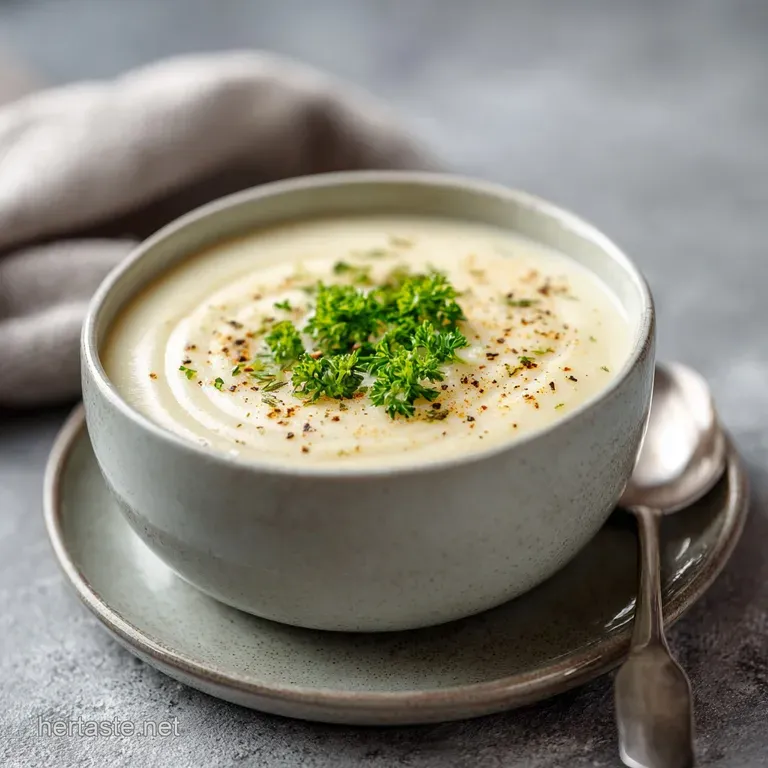
Even the most seasoned cooks run into issues sometimes. If your Potato Soup feels a bit off, don't panic. Most problems in this dish are caused by either the starch behaving badly or a lack of seasoning balance.
Why Your Soup Is Too Thin
If you’ve followed the steps and it still feels more like a watery broth than a rich soup, you probably didn't mash enough of the potatoes. The Russets are designed to dissolve, but they need a little physical help to get into the liquid.
| Problem | Root Cause | Solution |
|---|---|---|
| Soup is watery | Not enough starch released | Mash another 20% of the potatoes or add a cornstarch slurry. |
| Gummy texture | Over working the starch | Stop stirring immediately. Avoid using an immersion blender if it's already gummy. |
| Bland flavor | Under seasoning | Add a pinch more salt or a splash of apple cider vinegar for brightness. |
If you are looking for a version that is naturally even thicker, sometimes checking out a loaded potato soup can give you ideas for more substantial "fillers" like extra ham or double cheese.
Common Mistakes Checklist
- ✓ Don't skip the "cold pan" bacon start. It’s the difference between chewy fat and crispy bits.
- ✓ Avoid "low-fat" dairy. The fats in heavy cream and sour cream are what keep the soup from breaking into a grainy mess.
- ✓ Peel the Russets completely. Any leftover skin from a Russet will stay tough and ruin the silky mouthfeel.
- ✓ Preheat the aromatics. Let the onions and celery really soften before adding the liquid; crunchy onions are a big no no here.
- ✓ Don't boil after adding dairy. High heat can cause the cream and cheese to separate and look curdled.
Innovative Ways to Modify Your Bowl
Scaling this recipe is fairly straightforward, but there are a few rules to follow to keep the texture consistent. If you are cooking for a crowd, you can't just double everything and expect it to cook in the same 30 minutes.
Scaling Down (Cooking for 2): If you want to cut this in half, use a smaller pot to ensure the liquid still covers the potatoes. You can reduce the cook time by about 5 minutes, as smaller quantities reach a boil faster.
Use one small egg's worth of dairy if you're really shrinking it, though keeping the full amount of sour cream for tang is usually fine.
Scaling Up (Feeding a Party): When doubling the recipe, work in batches for the bacon rendering so you don't crowd the pot. If the bacon is crowded, it steams instead of frying. For spices like thyme and salt, only increase them by 1.5x initially, then taste and adjust.
You can always add more salt, but you can't take it out!
| Servings | Potato Amount | Broth Amount | Pan Size | Cook Time |
|---|---|---|---|---|
| 2 People | 1 lb total | 1.5 cups | 3 qt Pot | 25 mins |
| 6 People | 3 lbs total | 4 cups | 6 qt Dutch Oven | 30 mins |
| 12 People | 6 lbs total | 7.5 cups | 10 qt Stock Pot | 40 mins |
For those looking for a different spin on these ingredients, a Colcannon recipe is a fantastic way to use up extra potatoes and butter while adding some greens into the mix.
Debunking Potato Soup Beliefs
Myth: You must use flour or a roux to thicken potato soup. Truth: This is absolutely false. If you use enough Russet potatoes and mash half of them, the natural starch creates a much cleaner, more potato forward flavor than a flour based roux ever could.
A roux can sometimes make the soup feel "pasty" or heavy on the palate.
Myth: Soaking potatoes in water before cooking makes the soup better. Truth: While soaking is great for French fries to remove surface starch and prevent burning, it’s counterproductive for soup. We want that surface starch!
It’s the natural glue that binds the broth and the cream together. Keep those potatoes dry until they hit the pot.
Myth: Low sodium broth makes for a "healthier" soup without affecting taste. Truth: Potato Soup is notoriously a "salt sponge." Potatoes need significant salt to taste like anything other than wet dirt. If you use low sodium broth, you will likely end up adding just as much salt at the table.
It’s better to use full flavor broth and season as you go.
Freezing Techniques and Fridge Storage Guidelines
This soup is a dream for meal prep, but it does require a little care when reheating. Potatoes have a tendency to drink up liquid as they sit, so don't be surprised if your leftovers look more like mashed potatoes the next day.
Storage in the Fridge: Store the soup in an airtight container for up to 4 days. When you’re ready to eat, you’ll likely need to add a splash of milk or broth to loosen it back up. Reheat it slowly on the stovetop over medium low heat.
Avoid the microwave if possible, as it can cause the cheese to become oily.
Can You Freeze Potato Soup? Yes, but with a caveat. Dairy heavy soups can sometimes change texture in the freezer, becoming slightly "grainy." If you plan to freeze it, I recommend stopping before step 8 (adding the heavy cream and sour cream). Freeze the potato and broth base.
When you're ready to serve, thaw it, bring it to a simmer, and then add the fresh dairy and cheese. It will taste brand new.
Zero Waste Tip: Don't throw away those potato peels! Toss them with a little olive oil, salt, and pepper, and roast them at 400°F (200°C) for 15 minutes. They make a crunchy, "potato chip" style topping that adds even more texture to your bowl.
Perfect Toppings and Side Dish Pairings
While the bacon and chives are the classic choice, you can turn this into a "Topping Bar" event. Think about adding pickled jalapeños for heat, or even a dollop of pesto for a bright, herbal contrast. The heavy, creamy nature of the soup cries out for something acidic or crunchy to balance it out.
If you’re looking for a side dish, skip the heavy sandwiches. A crisp green salad with a sharp lemon vinaigrette is the perfect partner. Or, if you want to keep the comfort levels high, a piece of crusty sourdough bread is essential for mopping up every last drop of that cheddar infused broth.
For a more traditional pairing, you might try serving this alongside a dish like classic Colcannon if you're hosting a themed dinner. Whatever you choose, remember that the soup is the star. Keep the sides simple and let that smoky, potato rich flavor shine through. Honestly, after one bowl of this, you’ll never go back to the canned stuff again. It’s a total game changer for your winter rotation.

Very High in Sodium
845 mg of sodium per serving (37% of daily value)
The American Heart Association recommends limiting sodium intake to less than 2,300mg per day, aiming for an ideal limit of no more than 1,500mg per day for most adults.
Tips to Reduce Sodium
-
Choose Low-Sodium Broth-30%
Replace the 4 cups of chicken broth with a low-sodium or no-salt added variety. This is the biggest contributor to sodium in this recipe.
-
Leaner, Lower Sodium Bacon-25%
Opt for reduced sodium bacon or a lower sodium turkey bacon. Cook it until crispy to still achieve good flavor.
-
Reduce Added Salt-25%
Decrease the 1 tsp of sea salt to 1/4 tsp or omit it entirely. Taste the dish before adding any additional salt.
-
Use Less Cheese-15%
Reduce the sharp cheddar cheese to 1/2 cup (approx. 58g). You can also look for reduced fat, lower sodium cheddar.
-
Boost Flavor with Herbs & Spices
Rely more on aromatics like extra garlic, onions, and celery. Add other herbs like parsley or chives for freshness without salt.
Recipe FAQs
What ingredients go in potato soup?
Use a blend of Russet and Yukon Gold potatoes, bacon, onion, celery, garlic, chicken broth, thyme, butter, heavy cream, sour cream, cheddar cheese, and fresh chives. This combination balances starch for thickening with creaminess for a rich finish.
What are common mistakes making potato soup?
Skipping the cold start for bacon, using low-fat dairy, leaving skins on Russets, and boiling after adding cream are the biggest errors. Failing to temper the dairy or rushing the aromatic sauté can also result in an imbalanced, thin texture.
What soup helps with stomach pain?
A simple, non-acidic potato base can be soothing when the stomach is sensitive. Because this recipe uses gentle aromatics like onion and celery cooked until soft, it is generally easier to digest than spicy or tomato based alternatives.
Why are russet potatoes better for potato soup?
Russets are high in starch, which allows them to break down easily and naturally thicken the broth. By pairing them with Yukon Golds, you get a hybrid texture that is both creamy and pleasantly chunky.
How to ensure the soup texture stays creamy?
Whisk the heavy cream and sour cream with a ladle of hot broth before adding it to the pot. This tempering step prevents the dairy from curdling; if you enjoyed this method of stabilizing emulsions, you will find the same technique essential for our creamy potato salad dressing.
How to thicken potato soup without flour?
Mash approximately half of the cooked potatoes directly in the pot. This releases the natural potato starch into the broth, creating a velvety consistency without needing any additives.
Is it true I should boil the soup after adding the cream and cheese?
No, this is a common misconception. Boiling after adding dairy and cheese can cause the fats to separate and the soup to become grainy; keep the heat low and gentle once the final ingredients are stirred in.
Creamy Homemade Potato Soup

Ingredients:
Instructions:
Nutrition Facts:
| Calories | 518 kcal |
|---|---|
| Protein | 12.6 g |
| Fat | 35.8 g |
| Carbs | 43.5 g |
| Fiber | 4.2 g |
| Sugar | 4.1 g |
| Sodium | 845 mg |
