Cottage Cheese Pizza Bowl Recipe
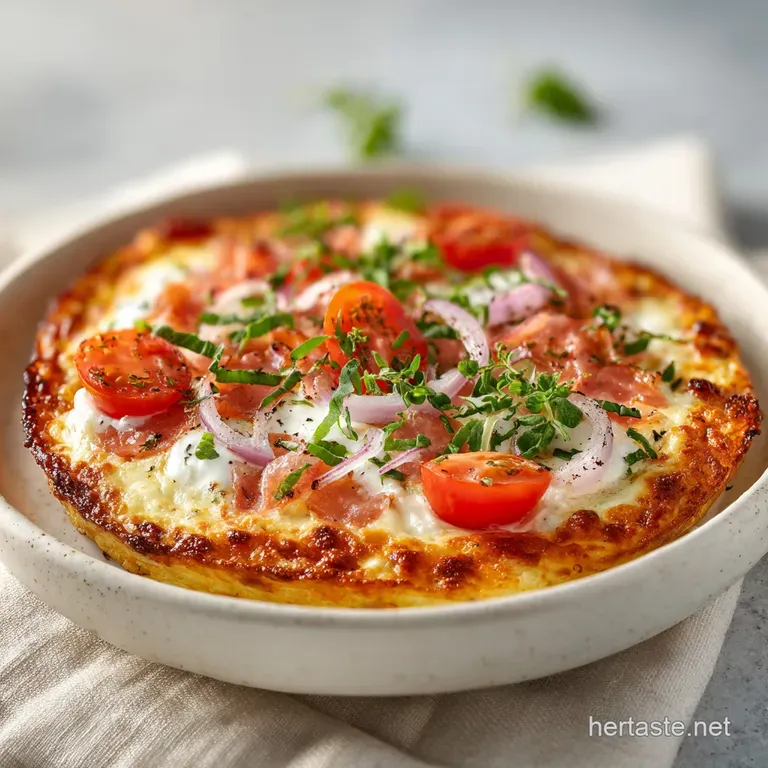
- Time: Active 5 minutes, Passive 5 minutes, Total 10 minutes
- Flavor/Texture Hook: Velvety, molten cheese with spicy pepperoni snap
- Perfect for: Post workout fuel, low carb lunch, or late night cravings
- Mastering the High Protein Cottage Cheese Pizza Bowl
- The Science Behind Curd Stability and Flavor
- Selecting Quality Ingredients for Maximum Pizza Flavor
- Simple Kitchen Tools Needed for Fast Success
- Creating the Ultimate Bowl with These Easy Steps
- Solving Common Pizza Bowl Texture and Flavor Issues
- Innovative Ways to Customize Your Pizza Toppings
- Smart Prep and Storage for Busy Weeknights
- Simple Garnish Tricks for a Beautiful Finish
- Critical Level of Sodium
- Recipe FAQs
- 📝 Recipe Card
Mastering the High Protein Cottage Cheese Pizza Bowl
The first time I tried this, I was skeptical. I heard the sizzle of the microwave and smelled that familiar oregano heavy aroma wafting through my kitchen, but I didn't think it could actually replace my Friday night ritual.
I remember pulling the bowl out, the mozzarella stretching into thin, translucent threads as I lifted my spoon. It wasn't just "good for a diet" dish; it was genuinely satisfying.
Honestly, don't even bother with the low-fat versions of the cheese here. I once made that mistake and ended up with a watery mess that lacked any soul. You want that 4% milkfat cottage cheese because it creates a velvety texture that almost feels like a thick béchamel once it’s heated through.
When you hit that layer of turkey pepperoni and the garlic powder kicks in, you'll forget you're eating out of a bowl instead of off a crust.
We’ve all been there where we want the flavors of a Cheesy Stuffed Pizza recipe but don't have the hour to wait for dough to rise. This is the ultimate shortcut. It’s about the marriage of textures: the soft curds, the snappy pepperoni, and that hit of red pepper flakes that wakes everything up. Let's get into how to make this work every single time without the sogginess.
The Science Behind Curd Stability and Flavor
The Physics of the Melted Curd: When you heat cottage cheese, the casein proteins begin to tighten and expel a small amount of whey, which actually helps create a built in sauce when mixed with the marinara.
The mozzarella acts as a lipid barrier on top, trapping steam to ensure the curds soften into a velvety consistency rather than becoming rubbery.
- Casein Cohesion: Heating the 4% milkfat cheese allows the curds to meld slightly, creating a mouthfeel similar to ricotta in a lasagna.
- Lipid Layering: Placing the mozzarella and pepperoni on top creates a "fat cap" that prevents the water in the cottage cheese from evaporating too quickly.
- Acid Base Balance: The acidity in the marinara sauce helps to tenderize the proteins in the cottage cheese, making it feel less like a snack and more like a meal.
- Maillard Lite: While we aren't getting a deep crust, the garlic powder and Italian seasoning bloom in the heat, releasing fat soluble compounds into the cheese.
| Method | Time | Texture | Best For |
|---|---|---|---|
| Microwave | 2 minutes | Soft, molten, very gooey | Quickest results, office lunches |
| Oven (400°F) | 8-10 minutes | Slightly charred edges, firm | Best texture, weekend snacking |
| Air Fryer | 5 minutes | Crispy pepperoni, bubbly top | Maximum "pizza" feel, small batches |
I personally find the air fryer to be the sweet spot. It gives you that "shatter" on the pepperoni that you just can't get from a microwave. If you're really missing the bread element, you could serve this alongside a Pizza Dough Speedy recipe to use as a dip, but it honestly stands alone quite well.
Selecting Quality Ingredients for Maximum Pizza Flavor
The magic is in the details. I once used a very thin, watery marinara and the whole thing became a soup. You want a thick, high-quality sauce that can stand up to the moisture of the cheese.
| Component | Science Role | Pro Secret |
|---|---|---|
| Cottage Cheese (4%) | Provides the structural protein base | Whisk with a fork for 30 seconds before layering to break up large curds |
| Mozzarella | Creates the essential "cheese pull" and fat seal | Grate it yourself from a block for a cleaner melt without anti caking agents |
| Turkey Pepperoni | Adds savory salt and textural contrast | Cut into small ribbons to ensure you get a bit of spice in every single bite |
- 1 cup cottage cheese, 4% milkfat: The star of the show.
- Substitute: Ricotta cheese. Why this? Offers a similar creamy texture but with a slightly more grain forward, traditional Italian feel.
- 2 tbsp low sodium marinara sauce: Adds the necessary acidity and tomato base.
- Substitute: Tomato paste mixed with a splash of water and dried oregano. Why this? Provides a more concentrated punch of flavor if your sauce is too runny.
- 1/4 cup shredded mozzarella cheese: For that classic pizza stretchy finish.
- Substitute: Provolone. Why this? Melts beautifully and adds a slightly sharper, smoky note to the bowl.
- 8 slices turkey pepperoni: Provides the salty, spicy hit without the heavy grease.
- Substitute: Salami or Canadian bacon. Why this? Offers different protein profiles while maintaining the cured meat flavor profile.
- 1 tsp Italian seasoning: The essential herbal blend.
- Substitute: Fresh basil and dried oregano. Why this? Fresh herbs brighten the dish and cut through the richness of the cheese.
- 1/4 tsp garlic powder: Deepens the savory "umami" notes.
- Substitute: One clove of roasted garlic, mashed. Why this? Adds a mellow, sweet depth that powder can't quite replicate.
- 1 pinch red pepper flakes: For a subtle, creeping heat.
- Substitute: A dash of hot honey. Why this? Balances the salt with a hint of sweetness and floral notes.
- 1 tsp freshly grated parmesan cheese: Adds a salty, nutty finishing touch.
- Substitute: Nutritional yeast. Why this? Keeps the nutty profile while adding a boost of B vitamins for dairy sensitive tummies.
Simple Kitchen Tools Needed for Fast Success
You don't need much, which is why I love this. It's my go to when the dishwasher is full and I'm feeling lazy.
- Microwave Safe Bowl: Go for something with higher sides. The cheese can bubble up quite a bit and you don't want a spill.
- Ramekin (Optional): If you're doing the oven or air fryer method, a ceramic ramekin holds heat better than glass.
- Microplane or Grater: For that fresh parmesan. It makes a world of difference when the cheese is "fluffy" rather than those hard grains from a green can.
- Small Whisk or Fork: Essential for aerating the cottage cheese before you start layering.
Chef's Tip: If you are using the microwave, place a paper towel over the bowl. It catches any tiny "pops" from the pepperoni and traps just enough steam to melt the mozzarella without drying out the edges.
Creating the Ultimate Bowl with These Easy Steps
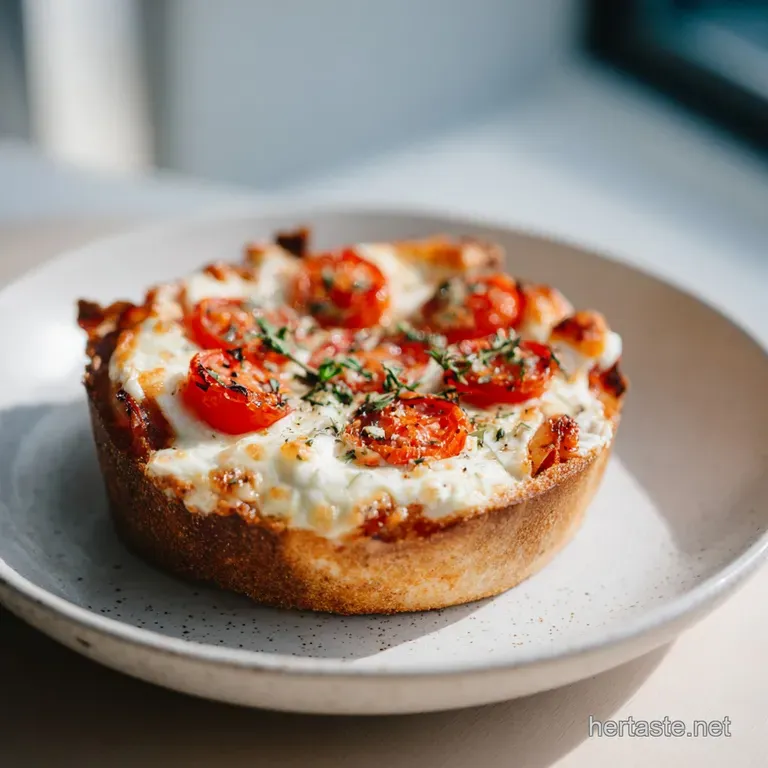
The order of operations is actually quite important here. If you just toss everything in and stir, you lose the distinct "pizza" experience. It’s all about the layers.
- Whisk the base. Place 1 cup cottage cheese into your bowl and whisk vigorously for 20 seconds. Note: This smooths out the curds for a better mouthfeel.
- Season the curds. Stir in 1/4 tsp garlic powder and 1 tsp Italian seasoning directly into the cottage cheese. Note: This ensures every bite is seasoned, not just the top.
- Layer the sauce. Spread 2 tbsp low sodium marinara sauce carefully over the top of the cheese. Note: Don't mix it in yet; you want that distinct tomato layer.
- Add the primary cheese. Sprinkle 1/4 cup shredded mozzarella cheese evenly over the marinara.
- Position the pepperoni. Place 8 slices turkey pepperoni on top of the mozzarella. Position them in a single layer so they crisp up.
- Add the kick. Sprinkle 1 pinch red pepper flakes over the pepperoni.
- Heat the bowl. Microwave on high for 1 minute and 30 seconds until the mozzarella is bubbly and the pepperoni edges curl.
- Finish with salt. Sprinkle 1 tsp freshly grated parmesan cheese over the molten top.
- Let it rest. Wait 1 minute before eating. Note: This allows the proteins to set so it's not too runny.
Solving Common Pizza Bowl Texture and Flavor Issues
The biggest complaint I hear is that the bowl turns into a "soup." This usually happens because of the brand of cottage cheese or the water content in the vegetables if you add them.
Why Your Pizza Bowl Is Watery
If you find a puddle at the bottom of your bowl, it's usually because the cottage cheese was too cold when it hit the high heat, causing the whey to separate violently. Try letting the cheese sit on the counter for 5 minutes before cooking. Also, some cheaper brands add a lot of "filler" liquid.
You can actually strain your cottage cheese through a fine mesh sieve for 2 minutes if you want a really thick, lasagna like result.
Why Your Pepperoni Is Rubbery
In the microwave, pepperoni often just gets hot without getting "crisp." To fix this, I like to pan fry the pepperoni for 30 seconds before adding it to the bowl. It adds a "shatter" to the texture that makes the whole Cottage Cheese Pizza Bowl feel more authentic.
| Problem | Root Cause | Solution |
|---|---|---|
| Separated Curds | Excessive heat too fast | Use 70% power on the microwave for a longer duration. |
| Bland Flavor | Lack of acidity | Add a tiny drop of balsamic vinegar or lemon juice to the marinara. |
| Rubbery Topping | Overcooked mozzarella | Add the mozzarella halfway through the cooking time. |
Common Mistakes Checklist
- ✓ Using 0% or 1% fat cottage cheese (it will never be creamy enough).
- ✓ Mixing the marinara into the cheese before heating (you lose the pizza "identity").
- ✓ Forgetting the 1 minute rest time (vital for the sauce to thicken).
- ✓ Overloading with watery vegetables like raw mushrooms or spinach.
- ✓ Using pre shredded cheese with too much potato starch coating.
Innovative Ways to Customize Your Pizza Toppings
Once you've mastered the basic Cottage Cheese Pizza Bowl, you can start forging your own path with variations. I’ve tried everything from taco style to Greek inspired bowls.
The "Supreme" Garden Twist
If you want to add veggies, you must sauté them first. Throwing raw bell peppers or onions into the bowl will release too much water during the cooking process. Sauté 2 tbsp of diced peppers and onions until they are soft and slightly browned, then layer them under the mozzarella.
It adds that classic "Supreme" pizza flavor without the moisture issues.
The Protein Heavy Chicken Bowl
For those looking to maximize their macros, adding 2 oz of shredded rotisserie chicken is a brilliant move. Mix the chicken with the marinara sauce before layering it onto the cottage cheese. This creates a "Cottage Cheese Pizza Bowl with Chicken" that feels incredibly hearty and keeps you full for hours.
Smart Prep and Storage for Busy Weeknights
This is a meal prep dream. I often line up four or five glass containers and build these in advance.
- Storage: Store the unheated bowls in the fridge for up to 4 days. Keep the parmesan and red pepper flakes in a separate small container to keep them fresh.
- Freezing: I don't recommend freezing the assembled bowl. The texture of the cottage cheese changes significantly when frozen and thawed it becomes grainy and loses that velvety charm.
- Reheating: If you've already cooked it and have leftovers (unlikely!), reheat gently at 50% power.
- Zero Waste: If you have half a jar of marinara left, freeze it in an ice cube tray. Two "sauce cubes" are exactly the 2 tbsp you need for one bowl. You can also toss the stems from any fresh herbs you used into a bag in the freezer for making stocks later.
When scaling this up for a family, don't just put a giant tub of cottage cheese in a casserole dish. It's better to make individual portions in ramekins. This ensures even heat distribution and gives everyone those coveted crispy edges.
If you do go for a larger dish, increase the baking time in the oven to about 20 minutes at 375°F.
Simple Garnish Tricks for a Beautiful Finish
We eat with our eyes first, right? Even a "bowl of cheese" can look spectacular with about ten seconds of effort.
First, never underestimate the power of fresh herbs. A chiffonade of basil (stack the leaves, roll them like a cigar, and slice thin) adds a pop of vibrant green against the red sauce. It also provides a fresh, aromatic hit that balances the heavy dairy.
Second, the "double parm" technique is my favorite. Add half the parmesan before heating so it melts into the structure, and the other half after it comes out of the heat. The fresh parm provides a sharp, salty contrast to the mellow mozzarella.
Finally, a tiny drizzle of extra virgin olive oil right before serving can add a luxurious silkiness that mimics the grease of a real pizza slice in the best way possible.
Trust me, once you get the layering down, this becomes more than just a "healthy" recipe. It becomes a staple. It’s innovative, easy, and satisfies that deep seated need for pizza without the need for a rolling pin or a delivery driver.
Let me know how your first bowl turns out and don't forget that pinch of red pepper flakes!
Critical Level of Sodium
1150 mg mg of sodium per serving (50% of daily value)
The American Heart Association recommends limiting sodium intake to about 2,300mg per day for overall health.
Sodium Reduction Tips
-
Low-Sodium Cheese Swap-20%
Opt for a low-sodium mozzarella cheese and cottage cheese. This simple switch can significantly cut down on sodium, as regular cheeses are a major contributor. Look for labels that say 'reduced sodium' or 'low sodium' on the packaging.
-
Limit Processed Meats-25%
Reduce the amount of turkey pepperoni or use a lower sodium version. Processed meats like pepperoni are often very high in sodium. Try using half the amount and adding some sliced bell peppers for volume instead.
-
DIY Marinara-20%
Make your own marinara sauce or use a no-salt added canned version. Prepared marinara sauces frequently contain high levels of sodium. By making your own, you can control the sodium content and add fresh herbs and spices for flavor.
-
Skip Parmesan-10%
Omit the freshly grated parmesan cheese, as even a small amount adds a significant amount of sodium. You can try using a sprinkle of nutritional yeast for a cheesy flavor.
-
Flavor with Herbs
Enhance the flavor with fresh herbs and spices to compensate for the reduced sodium. Experiment with basil, oregano, and parsley to add depth without relying on salt.
-
Fresh Garlic Boost-5%
Use fresh garlic instead of garlic powder. Fresh garlic offers a robust flavor that can help offset the need for added salt.
Recipe FAQs
Why is my cottage cheese pizza bowl watery?
Usually due to excessive whey separation from the cheese. This happens if the cottage cheese is too cold when heated rapidly, or if you are using low-fat (0% or 1%) versions which contain more unbound water. Try straining the curds or using the 4% milkfat variety.
Are cottage cheese bowls good for you?
Yes, they are generally very healthy, especially for protein intake. This bowl offers high amounts of casein protein, making it very satiating and great for post workout recovery. It is naturally low in carbohydrates as it skips the traditional dough base.
Can I use cottage cheese instead of mozzarella on pizza?
No, use them together for the best results. Cottage cheese forms the creamy base layer, but it lacks the necessary fat content and elasticity to achieve the classic pizza "pull" and browned top layer that mozzarella provides.
How many calories are in a cottage cheese pizza bowl?
Approximately 280 to 350 calories, depending on ingredients. This estimate assumes the base recipe of 1 cup 4% cottage cheese, 1/4 cup mozzarella, and turkey pepperoni. For a similar creamy texture foundation in a baked dish, see our Golden Zucchini Bake recipe.
How do I get the pepperoni to crisp up in the microwave?
Place the pepperoni slices in a single layer directly on top of the mozzarella. If you are using the oven or air fryer, this is easier; for the microwave, you can also lightly blot the pepperoni with a paper towel before adding it to reduce surface moisture.
What is the best way to achieve a smooth, non-curd texture in the base?
Whisk the cottage cheese aggressively before layering any other ingredients. You want to break down the largest curds to create a velvety structure. This technique of aerating the proteins before heat application is key to texture control, a skill also vital in our The Guide to recipe for light pastry.
Can I add vegetables to the cottage cheese pizza bowl?
Yes, but you must pre-cook them thoroughly first. Raw vegetables like mushrooms or spinach will release water when heated, guaranteeing a soggy bowl. Sautéing them until most of their moisture has evaporated prevents this separation.
Cottage Cheese Pizza Bowl
Ingredients:
Instructions:
Nutrition Facts:
| Calories | 365 kcal |
|---|---|
| Protein | 38 g |
| Fat | 18 g |
| Carbs | 12 g |
| Fiber | 1.5 g |
| Sugar | 7 g |
| Sodium | 1150 mg |
