Thanksgiving Side Dishes: Brown Butter Maple Glazed Rainbow Carrots
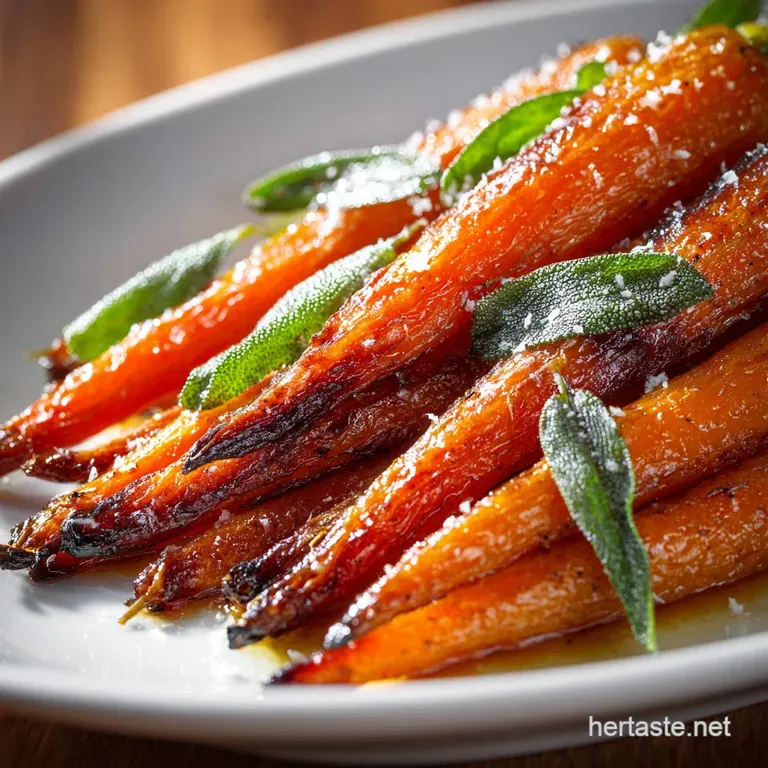
- A Proper Autumnal Stunner: The Ultimate Thanksgiving Side Dish Upgrade
- The Science of Sizzle: Why Brown Butter Makes These Carrots the Best
- Pantry Essentials and Ingredient Notes for the Perfect Holiday Glaze
- Step and by-Step: Crafting Brown Butter and Glazing the Rainbow Carrots
- Pro Tips for Perfect Glazing and Avoiding Common Carrot Mistakes
- Making Ahead: Storage, Reheating, and Stress Reduction for Thanksgiving Side Dishes
- Pairing Perfection: Serving These Vibrant Holiday Vegetables
- Recipe FAQs
- 📝 Recipe Card
A Proper Autumnal Stunner: The Ultimate Thanksgiving Side Dish Upgrade
I swear, the smell of roasting root vegetables and nutty butter is the official perfume of the holidays. Forget the overly sweet, canned and soup based casseroles we grew up with; these Brown Butter & Maple Glazed Carrots are sophisticated, vibrant, and bring such a gorgeous texture contrast to the table.
They’re savory, sweet, and unbelievably complex, hitting all the right notes for a Delicious Thanksgiving .
Listen, Thanksgiving is stressful enough without fighting for oven space or babysitting complicated appetizers. This is one of those Easy Thanksgiving Sides that looks like you spent hours, but actually takes less than forty minutes from start to finish.
I’m telling you, it’s the definition of a make and ahead friendly, crowd and pleasing Thanksgiving Vegetable Sides recipe that simplifies the whole feast.
We are taking humble carrots and turning them into a showstopper using one simple technique: browning the butter. Trust me, learning this trick changes everything. Get ready to ditch the blandness and embrace one of the best thanksgiving side dishes easy you’ll ever make.
The Science of Sizzle: Why Brown Butter Makes These Carrots the Best
Ditching the Casserole: A Flavor Revolution for Holiday Roots
For too long, carrots at Thanksgiving were boiled into submission or drowned in a sugary glaze that masked their natural sweetness. Roasting them high and fast achieves that perfect tender and crisp texture al dente, if you will which is essential.
We are concentrating the natural sugars, giving the carrots a slightly charred, earthy flavour before the glaze even touches them.
Mastering the Brown Butter Technique: Building Depth of Flavor
Brown butter (or beurre noisette ) isn't just melted butter; it’s an absolute flavour bomb and the secret weapon of Best Thanksgiving Side Dishes .
When you heat butter past the melting point, the milk solids separate and caramelize that’s the Maillard reaction doing its beautiful work. This transformation creates nutty, toffee, and almost smoky notes that are infinitely more interesting than plain melted butter.
The Strategic Advantage of Rainbow Carrots (Visual Impact)
While you absolutely can use standard orange carrots, using rainbow varieties just makes the whole plate pop. Holiday tables are often heavy with beige and brown, right? The deep purples, sunny yellows, and crisp whites of a rainbow carrot blend instantly elevate this dish from simple vegetable side to a true autumnal stunner.
This is how we nail the Modern Thanksgiving aesthetic.
Pantry Essentials and Ingredient Notes for the Perfect Holiday Glaze
Choosing Your Carrots: Rainbow vs. Traditional Selection
When selecting carrots, look for ones that are relatively thin and straight; thick, fat carrots require a lot more cooking time and can often taste woody. If using rainbow varieties, keep in mind that the purple ones might bleed colour slightly into the glaze, which I personally love it gives it a rich, rosy hue.
Just ensure all pieces are cut to a uniform 1 inch size for even cooking.
Maple vs. Honey: Achieving the Right Sweetness Profile
I insist on high and quality maple syrup here, ideally Grade A Dark Robust. It has a deeper, more complex earthiness than generic pancake syrup or even honey. Honey can sometimes seize up and crystallize quickly, giving you a clumpy glaze, whereas maple stays smooth and glossy, perfectly suited for coating these delicious thanksgiving side dishes recipes .
Substitutions for Toasted Pecans and Fresh Sage
If you have a nut allergy at the table, just omit the pecans entirely the dish will still be fantastic! Otherwise, walnuts or even slivered almonds make excellent, crunchy substitutions.
As for the sage, while its earthy aroma is magical with the brown butter, you could swap in fresh thyme or rosemary; just reduce the amount of rosemary slightly, as it can be quite potent.
| Ingredient | Viable Substitute | Why It Works |
|---|---|---|
| Pecans | Walnuts or Almonds | Provides the crucial crunch contrast. |
| Maple Syrup | Agave Nectar (or Honey) | Maintains the necessary sweetness and gloss. |
| Fresh Sage | Fresh Thyme or Rosemary | Offers an appropriate aromatic, earthy lift. |
| Apple Cider Vinegar | Lemon or Lime Juice | Provides essential acidity to cut the richness. |
Essential Note: Why Quality Butter is Key for Browning
Since we are highlighting the flavour of the cooked butter itself, use the best quality unsalted butter you can get your hands on. Higher fat content means less water, which results in faster, richer browning and a superior nutty flavor.
It truly makes a difference in these Thanksgiving Side Dishes .
Step and by-Step: Crafting Brown Butter and Glazing the Rainbow Carrots
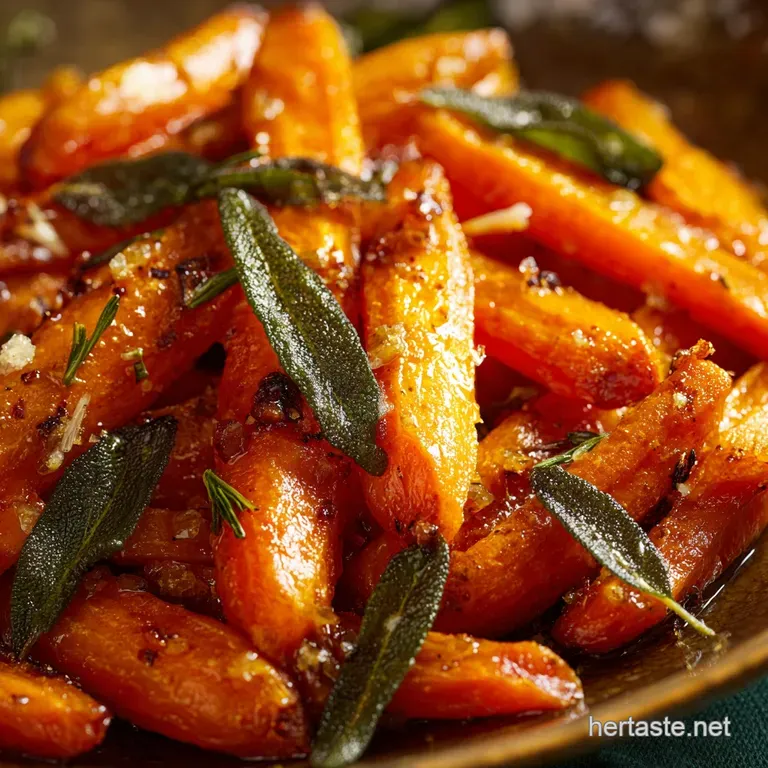
Preparing the Carrots for Optimal Roasting and Glaze Adhesion
First, peel the carrots and slice them on a sharp diagonal. Diagonally cut carrots look prettier and maximize the surface area for caramelization. Toss them with olive oil, salt, and pepper, then spread them in a single layer on your sheet pan.
This is crucial: If the carrots overlap, they will steam instead of roast, and you'll miss out on that beautiful char.
The Three Stages of Browning Butter (Achieving the Nutty Notes)
Start your butter in a small, light and bottomed saucepan over medium heat light and coloured pans let you actually see the colour change, which is vital. The butter will melt, then foam wildly as the water cooks off. Finally, the foam subsides, and you’ll see brown bits forming on the bottom.
Listen closely: the loud sizzling sound will drop to a quiet crackle, signalling the water is gone. That’s your cue!
Chef's Note: The second you smell toasted nuts or toffee, pull the pan off the heat immediately. Those brown solids can turn black and burnt in less than 15 seconds, and then you have to start over. Don't waste that precious butter!
Frying Sage Leaves: Achieving Maximum Crispness and Aroma
If you want the crispy sage garnish, you can toss the whole leaves right into the hot brown butter after you’ve removed it from the heat. They will crisp up very fast, 30 to 60 seconds max. Lift them out immediately with a slotted spoon and place them on a paper towel to drain.
That earthy, slightly oily crunch is the perfect counterpoint to the sweetness of the glaze.
The Final Toss: Combining Glaze, Pecans, and Carrots
Once the carrots and pecans are roasted and perfectly tender and crisp, remove the pan. Return the brown butter to very low heat and whisk in the maple syrup and the apple cider vinegar. This acidity is the perfect balancer.
Pour the warm glaze over the carrots and toss everything right on the sheet pan. Transfer them to a warm serving dish and scatter those crispy sage bits right over the top just before they hit the table.
Pro Tips for Perfect Glazing and Avoiding Common Carrot Mistakes
Ensuring Even Cooking: Sizing Your Root Vegetables Correctly
My biggest mistake when I started cooking these thanksgiving side dishes for a crowd was cutting some carrots too big and others too small. The tiny ones burned, and the massive ones stayed raw.
Taking the extra two minutes to ensure uniformity means every single piece is cooked to tender perfection.
Troubleshooting: Preventing a Syrupy or Clumpy Glaze
If your glaze looks too thick or syrupy after you combine the brown butter and maple, it means the heat was too high or you cooked it too long. Simply whisk in another teaspoon of warm water or, better yet, a splash of apple cider vinegar until it achieves a runny, coating consistency.
The goal is glossy, not sticky taffy!
The Secret to Keeping Pecans and Sage Crunchy After Cooking
Never, ever toss the carrots with the crispy sage until the absolute last second. If you mix the crispy sage into the hot, wet glaze, it instantly goes limp and loses all its magic. The toasted pecans, however, should be tossed with the glaze, as they absorb some of that delicious flavor without getting soggy.
Making Ahead: Storage, Reheating, and Stress Reduction for Thanksgiving Side Dishes
Best Way to Store and Reheat Leftovers (Reactivating the Glaze)
If you have leftovers (a rare occurrence with this recipe!), store the carrots in an airtight container in the fridge for up to 4 days. The glaze will thicken significantly and appear cloudy and separated when cold, but don’t panic!
To reheat, spread them on a foil and lined sheet pan and warm in a 350°F (175°C) oven for about 10 minutes. The heat will melt and reactivate the brown butter and maple, bringing the beautiful gloss right back to life.
Pairing Perfection: Serving These Vibrant Holiday Vegetables
These maple and glazed carrots offer a wonderful sweetness and crunch that cuts through the richer elements of the holiday meal. They truly deserve a spot among your Best Thanksgiving Side Dishes .
If you are serving these vibrant Thanksgiving Side Dishes , make sure you also check out my recipe for [Thanksgiving Side Dishes: Queens Silky Confit Garlic Mashed Potatoes] for the perfect creamy contrast.
The sharpness of the glaze also plays beautifully with rich, savory starters like my [Thanksgiving Appetizers: Easy Cranberry Brie Puff Tartlets (Make and Ahead)].
Ensuring Even Cooking: Sizing Your Root Vegetables Correctly
I know I already mentioned this, but it’s the one thing that separates a good side dish from a stellar one: cut those vegetables the same size! Uniformity is not just for looks; it’s a time and saver because you won't be checking 20 different pieces for doneness.
Troubleshooting: Preventing a Syrupy or Clumpy Glaze
If you find your glaze cooling too fast and sticking to the bottom of the pan instead of the carrots, gently warm it again over low heat and add a tiny splash of hot water. The residual heat from the roasted vegetables should keep the glaze perfectly liquid and glossy for serving.
The Secret to Keeping Pecans and Sage Crunchy After Cooking
The trick is all in the timing. Only toss the carrots and pecans with the glaze once they come out of the oven, and hold the crispy sage until you're literally walking the plate to the table. This guarantees a beautiful mix of textures that makes this side dish so addictive.
Best Way to Store and Reheat Leftovers (Reactivating the Glaze)
Leftovers are actually pretty decent! When you reheat the carrots, make sure they aren’t piled high in a container. Reheat them spread out on a tray so the moisture can cook off and the glaze can re and melt, preventing them from tasting like they came out of the microwave.
Nobody wants mushy Thanksgiving Side Dishes the next day!
Recipe FAQs
Can I make this recipe vegan?
Yes, this recipe is easily adapted. Substitute the dairy butter with a high-quality vegan butter stick or refined coconut oil. Browning vegan butter often takes slightly longer than dairy butter, but you can still achieve a similar rich, nutty depth essential to the glaze.
How far in advance can I prepare this dish?
You can peel and chop the carrots up to 2 days ahead and store them tightly covered in the refrigerator until ready to roast. The brown butter glaze should be made right before roasting, as the flavor is best fresh and the glaze tends to set up quickly as it cools.
I'm short on time. Can I skip browning the butter?
While you can use plain melted butter, skipping the browning process means missing the key nutty, toffee like flavor that defines this side dish. If you must skip it, use plain melted butter and consider adding a tiny pinch of ground nutmeg or allspice for some complexity.
Why is my glaze burning while the carrots are still hard?
The high sugar content in maple syrup can burn easily under prolonged high heat. The solution is to roast the carrots plain or with just oil and salt for the first 15 to 20 minutes. Only toss them with the maple glaze for the final 5 to 10 minutes of cooking.
Why are my carrots coming out soft and mushy instead of slightly caramelized?
Ensure your oven temperature is hot enough (usually 400°F or higher) to promote quick caramelization rather than slow steaming. Crucially, do not overcrowd the baking sheet; the carrots must be spread in a single layer with space between them so moisture can evaporate properly.
I have a pecan allergy. What are good substitutes for the topping?
Toasted walnuts or sliced almonds work exceptionally well, providing a satisfying crunch and nutty flavor profile. For a completely nut-free option, you can use toasted pumpkin seeds (pepitas) or sunflower seeds instead.
What is the best way to store and reheat leftovers?
Store cooled leftovers in an airtight container for up to four days in the refrigerator. To reheat, spread them on a baking sheet in a 350°F oven for 5 7 minutes until warmed through. Avoid microwaving, as this tends to compromise the beautiful caramelized texture.
Brown Butter Carrots Thanksgiving Side
Ingredients:
Instructions:
Nutrition Facts:
| Calories | 618 kcal |
|---|---|
| Protein | 5.9 g |
| Fat | 51.5 g |
| Carbs | 38.3 g |
