The Cloud Nine Shortbread Meltinthemouth Whipped Chocolate Chip Cookies
- Elevating the Classic Shortbread Experience
- Essential Components for Perfect Whipped Chocolate Chip Shortbread
- Prepping Your Pantry Before You Begin
- Step-by-Step Guide to Mastering Whipped Shortbread Dough
- Precision Baking for Pale, Tender Results
- Troubleshooting Your Whipped Chocolate Chip Shortbread Cookies
- Extending the Life and Enjoyment of Your Shortbread
- Recipe FAQs
- 📝 Recipe Card
Elevating the Classic Shortbread Experience
The shortbread cookie holds a treasured place in the world of baking, yet many home bakers settle for a tough or overly crumbly result. This recipe transforms the traditional method by introducing a vital step: aeration.
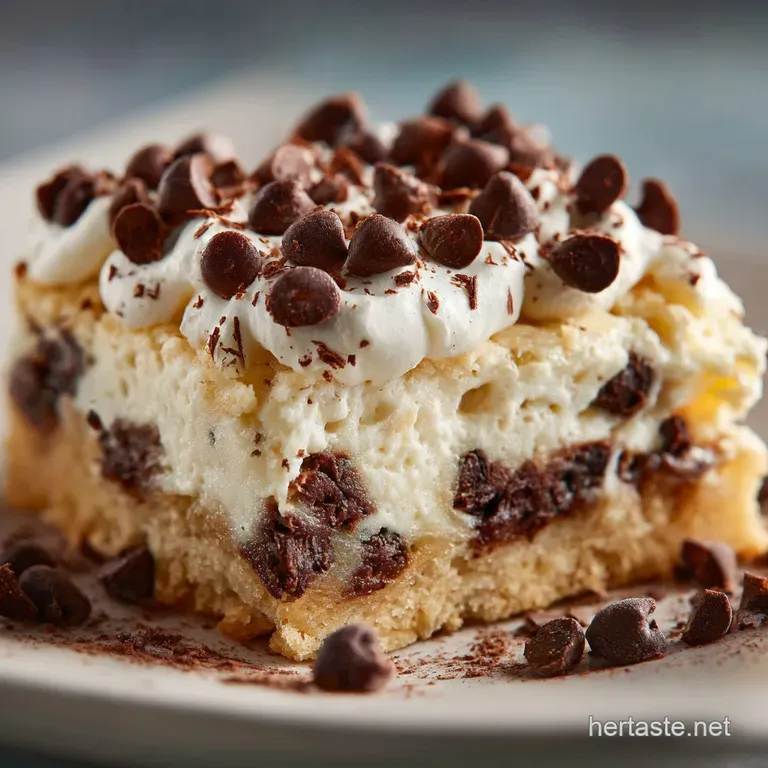
What we are creating is the ultimate melt-in-your mouth experience, resulting in tender, cloud like Whipped Chocolate Chip Shortbread . Unlike the dense versions you might find pre-packaged, these cookies utilize a high fat, high starch ratio combined with meticulous technique to achieve an unparalleled light texture, making them one of the Best Christmas Cookies you will ever bake.
The Secret to Shortbread That Actually Melts
The texture of classic shortbread is typically defined by three simple ingredients: sugar, flour, and butter. However, to create a cookie so delicate that it seems to dissolve on the tongue, we rely on a secret weapon found in the context of many high end bakeries: cornstarch.
By substituting half a cup (60g) of the required flour with cornstarch, we actively inhibit gluten development. This high starch environment ensures that even when the dough is lightly mixed, the structure remains fragile, resulting in the desired ephemeral bite that truly defines an exceptional Shortbread Cookie Recipe .
Why Whipping the Butter Changes Everything
The true innovation in creating Whipped Shortbread Cookies lies in the rigorous creaming of the butter and sugar. This crucial process is not just about blending; it is a mechanical process of incorporating vast amounts of air into the fat molecules.
Using a stand mixer or high powered hand mixer, the butter and powdered sugar are beaten for a dedicated five to seven minutes. This duration is non-negotiable. As the fat lightens, it increases significantly in volume and turns a pale, near white shade.
This incorporated air acts as a natural leavening agent during baking, guaranteeing that the finished cookie is airy, fluffy, and delicate, drastically superior to recipes that simply mix the ingredients together.
This transformative process makes for an Easy chocolate chip whipped shortbread that defies expectations.
A Culinary Trip Through Scottish Baking Techniques
The art of whipping butter for shortbread is a time honored tradition, frequently used in both Scottish and Danish holiday baking where a rich, yet incredibly tender result is prized. Historically, shortbread was reserved for special occasions due to the high cost of butter and the precision required.
By adopting this Scottish technique, we ensure that our contemporary Whipped Chocolate Chip Shortbread maintains that rich, buttery flavor while achieving the desired light structure.
These methods elevate the humble cookie, making this recipe a deserving contender among quintessential Holiday Cookie Recipes .
Essential Components for Perfect Whipped Chocolate Chip Shortbread
Achieving the ethereal texture of these cookies hinges entirely upon precise ingredient selection and measurement. We begin with one cup (225g) of unsalted butter, which provides the rich base.
The dry ingredients include two cups (250g) of all-purpose flour and the aforementioned half cup (60g) of cornstarch, balanced with a half teaspoon of fine sea salt. Crucially, we use three quarters of a cup (90g) of powdered icing sugar, rather than granulated sugar, for optimal smoothness.
The inclusion of pure vanilla extract (1 teaspoon) and half a cup (85g) of mini semi sweet chocolate chips completes the recipe, providing that perfect fudgy contrast within the delicate biscuit.
Prepping Your Pantry Before You Begin
Preparation is the key to success in high fat baking, and a few minutes of foresight will prevent hours of frustration.
Selecting the Best Butter for Optimal Air Incorporation
Only unsalted butter should be used, allowing you total control over the sodium content. More importantly, the butter must be at true room temperature soft enough to leave a dent easily when pressed, but not greasy or melted around the edges.
If the butter is even slightly too cold, the paddle attachment will simply slice through it rather than incorporating the necessary air, which compromises the volume required for genuinely light shortbread.
The Role of Powdered Sugar vs. Granulated Sugar
We choose sifted icing sugar (powdered sugar) for its fine consistency. Granulated sugar, with its sharp edges, can potentially cut through and collapse some of the air pockets you work so hard to create.
On top of that,, the finely ground texture of powdered sugar dissolves instantly into the fat, guaranteeing a smooth, tender crumb that is absolutely necessary for the integrity of Whipped Chocolate Chip Shortbread Cookies .
Must Have Kitchen Tools for the Whipping Process
While many baking tasks can be accomplished manually, this specific recipe necessitates heavy equipment. A sturdy stand mixer fitted with the paddle attachment is the ideal tool for achieving the required high level of aeration.
If a stand mixer is unavailable, a high powered electric hand mixer can suffice, but you must be dedicated to keeping the machine running continuously for the required duration. A digital kitchen scale is also highly recommended, as weighing the flour (250g) and cornstarch (60g) ensures the proper ratio for the delicate structure.
Achieving Room Temperature Butter Quickly and Safely
If you find yourself needing soft butter quickly, avoid microwaving it, as this can create pockets of melted fat. A safe method is to cut the cold butter into small cubes, spreading them out on a plate.
The increased surface area allows the butter to warm up evenly and safely within 10 to 15 minutes, guaranteeing the perfect consistency for the creaming stage.
Sifting Flour: Is It Truly Necessary for Shortbread?
While a full sifting is not always mandatory, ensuring the dry ingredients are fully homogenous is critical. Before adding them to the whipped butter, whisk the all-purpose flour, cornstarch, and salt vigorously together.
This action thoroughly combines the cornstarch which is the tenderizing agent with the flour, guaranteeing an even distribution and preventing pockets of dense dough, reinforcing the cloud like texture of these Chocolate Chip Shortbread Cookies .
Related Recipes Worth Trying
- Best Scottish Shortbread Recipe Crumbly Buttery Foolproof — Achieve meltinyourmouth perfection with this traditional Scottish Shortbread Recipe High butter ratio guarantees a gorgeous sandy crumb that melts instantly...
- The Graveyard Gateau Rich Dark Chocolate Spooky Halloween Cake Recipe — Need spooky Halloween cakes that look brilliant This Gruesome Halloween cake recipe uses dark chocolate layers bloody raspberry filling and crushed biscuit...
- The Chewy Jumper Chewy Oatmeal Cranberry White Chocolate Cookies — Forget dry biscuits These Oatmeal Cranberry White Chocolate Cookies are thick chewy and perfectly balanced The ultimate softcentred bake guaranteed to hold...
step-by-step Guide to Mastering Whipped Shortbread Dough
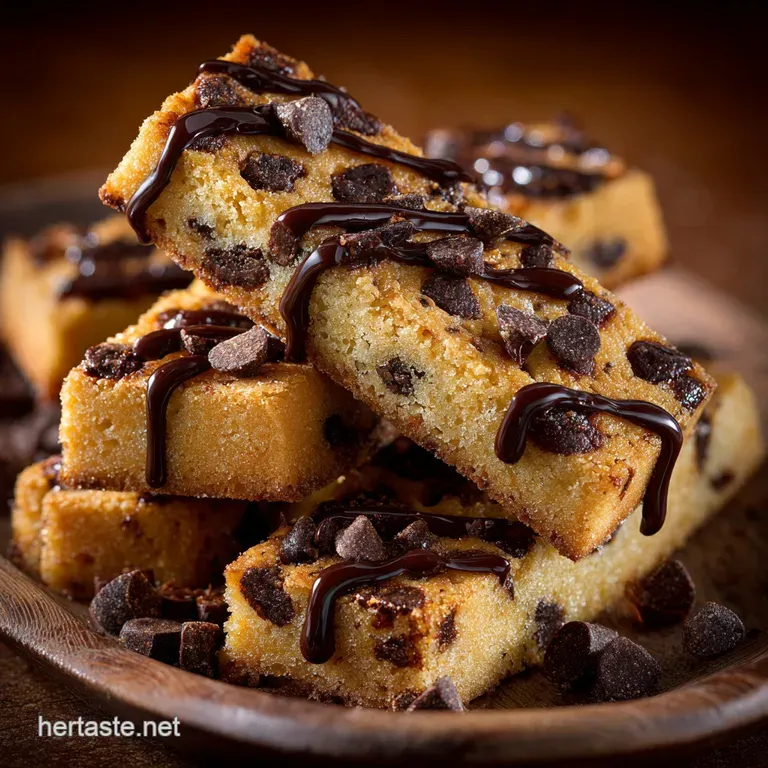
The dough creation follows a three stage sequence: extreme aeration, gentle folding, and prolonged chilling. After the butter and sugar are successfully creamed and the vanilla is incorporated, the dry ingredients must be added quickly.
Introduce the flour mixture gradually on the lowest possible speed, and stop the mixer the instant the last streak of flour disappears. Overmixing even slightly at this stage will rapidly develop gluten, reversing all the delicate work achieved during the whipping stage and leading to a tough cookie.
Following this, the remaining mix-ins are introduced with a rubber spatula.
Precision Baking for Pale, Tender Results
The final success of this recipe lies in controlling temperature and handling the delicate, high fat dough properly throughout the baking process.
The Seven Minute Whip: Creaming Butter to Featherlight Perfection
As previously emphasized, the creaming process dictates the final outcome. Place the soft butter and sifted powdered sugar into the mixer bowl and begin beating on medium high speed. The mixture must transform from yellow to a fluffy, pale white mass.
This aeration is the core technique required to produce truly exceptional Whipped Chocolate Chip Shortbread .
Folding in the Mini Chocolate Chips Without Deflating the Dough
Once the dough has formed a process that should take mere seconds after adding the dry mix remove the bowl from the mixer and introduce the mini chocolate chips. Use a flexible rubber spatula to fold them in gently.
We use mini chips (85g) because their small size integrates smoothly without tearing the already delicate dough or interfering too much with the uniform shape of the finished Chocolate chip shortbread squares or rounds.
Pressing and Shaping: Achieving Uniform Thickness
Turn the resulting dough out onto a piece of plastic wrap. Because this dough is too soft to roll and cut immediately, we form it into two tight logs, each about 1.5 inches (4 cm) in diameter. Wrap these logs tightly and refrigerate them for a minimum of 90 minutes.
This essential chilling time firms up the high fat dough, making it easy to slice into uniform 1/3 inch (8mm) rounds that will hold their shape perfectly in the oven.
Checking for Doneness: Avoiding Brown Edges
The oven should be preheated to a gentle 325° F ( 160° C). Shortbread should always be baked low and slow to maintain its pale, buttery color. Bake the cookies for approximately 18 to 20 minutes, rotating the baking sheets halfway through.
Crucially, the shortbread is done when the edges are set and the tops are still very pale almost white or the lightest blonde hue. Any significant browning means you have overbaked them, compromising the delicate tenderness.
Cooling Protocols for Maximum Structure
Upon removal from the oven, the shortbread will be extremely fragile due to its high butter and low gluten content. Allow the cookies to rest undisturbed on the baking sheet for five minutes.
This critical cooling period allows the fat to re-solidify slightly, giving the cookies enough structure to be transferred carefully to a wire rack where they must cool completely before serving or storing.
Troubleshooting Your Whipped Chocolate Chip Shortbread Cookies
Even experienced bakers can run into snags with a high fat, high technique recipe like this.
My Dough is Too Crumbly: What Went Wrong?
If your mixed dough feels excessively sandy or dry and refuses to come together into a workable log, two common issues are likely at play: inaccurate flour measurement (weighing is best) or under mixing.
If you immediately stopped the mixer upon seeing the first streaks of flour disappear, try mixing for an extra 10 to 15 seconds. The dough requires just enough mixing to unify the butter and dry ingredients without developing the gluten.
Why Did My Cookies Spread Flat? (Temperature Control)
Spreading is almost always a temperature issue. If the cookies flatten excessively during baking, it means the butter was too warm going into the oven. Ensure the dough has completed the full 90-minute chilling period.
If your kitchen is warm, consider slicing the rounds and then chilling them again on the baking sheet for 10 minutes immediately before placing them into the preheated 325° F oven.
Extending the Life and Enjoyment of Your Shortbread
Storing Baked Cookies for Peak Freshness
Once completely cooled, store your Whipped Shortbread Cookies in an airtight container at room temperature. Thanks to their high fat content, they remain fresh and delicious for up to five days. Layering them between pieces of parchment paper prevents any accidental sticking.
Freezing the Dough vs. Freezing the Finished Cookie
Both methods work beautifully. The most convenient option is freezing the dough logs; they keep well, tightly wrapped, for up to three months. When ready to bake, thaw the log slightly until it is firm enough to slice, then bake as directed.
Alternatively, finished, cooled cookies can be frozen in an airtight container for up to two months, though care must be taken to prevent crushing.
Flavor Swaps: Variations on the Cloud Nine Base
The airy, buttery structure of this Easy chocolate chip whipped shortbread base is highly adaptable. For a sophisticated twist, try replacing the vanilla extract with the zest of one whole orange and a teaspoon of orange extract for a bright, seasonal citrus flavour.
You could also substitute the mini chocolate chips entirely for finely chopped toasted pecans, transforming the recipe into a delectable pecan Shortbread Cookie Recipe perfect for gifting.
Recipe FAQs
My shortbread went a bit rogue and spread everywhere! What did I do wrong?
Spreading is usually down to two things: butter temperature or insufficient chilling time. While your butter must be very soft for the initial whipping, the dough must be absolutely rock solid before slicing think hard enough to knock on.
If your kitchen is warm (a common problem in the summer!), try chilling the sliced cookies again on the tray for 10 minutes before they go into the oven; it’s a proper safety net that stops the butter from melting too quickly.
What’s the big fuss about the ‘whipping’ method in this Whipped Chocolate Chip Shortbread recipe?
The "whipped" technique is the secret sauce that delivers a true melt-on-the-tongue texture, differentiating it massively from dense, traditional crumbly shortbread. You are incorporating vast amounts of air into the butter and sugar over 5-7 minutes, creating an incredibly light and aerated dough.
It’s this precise step that gives this specific Whipped Chocolate Chip Shortbread its signature 'Cloud Nine' feel.
These are divine, but how long can I store them, and can I freeze the dough?
Baked shortbread keeps beautifully, which makes them a grand make-ahead treat! Store them in an airtight tin at room temperature for up to two weeks, assuming they last that long. For maximum flexibility, you can freeze the raw, tightly wrapped dough logs for up to three months; just slice them straight from the freezer and bake, adding an extra two minutes to the cooking time.
I’m fresh out of icing sugar and cornstarch are there any good swaps?
For the ultra smooth crumb we are aiming for, it is highly recommended you stick to icing (powdered) sugar, as granulated sugar won't dissolve properly in the short baking time and will result in a grittier cookie.
However, if you are out of cornstarch, you can swap it for an equal volume of finely ground rice flour or tapioca starch. These starches serve the same essential purpose: inhibiting gluten development to keep the shortbread gloriously tender.
I fancy shaking things up. Are there any easy flavour tweaks or variations I can try?
Absolutely, go wild! For a refreshing version, substitute the vanilla extract for 1 teaspoon of lemon extract and the zest of one whole lemon for a vibrant citrus zing. If you prefer a richer flavour, swap the chocolate chips for finely chopped toasted pecans or almonds.
Alternatively, once the cookies are completely cool, dip half of them in tempered dark chocolate and finish with a delicate sprinkle of flaky sea salt.
Whipped Chocolate Chip Shortbread Cookies
Ingredients:
Instructions:
Nutrition Facts:
| Calories | 104 kcal |
|---|---|
| Protein | 0.6 g |
| Fat | 3.7 g |
| Carbs | 11.6 g |
| Fiber | 0.3 g |
| Sodium | 1334 mg |
