Stanley Tucci Pasta Fagioli: Velvety and Hearty
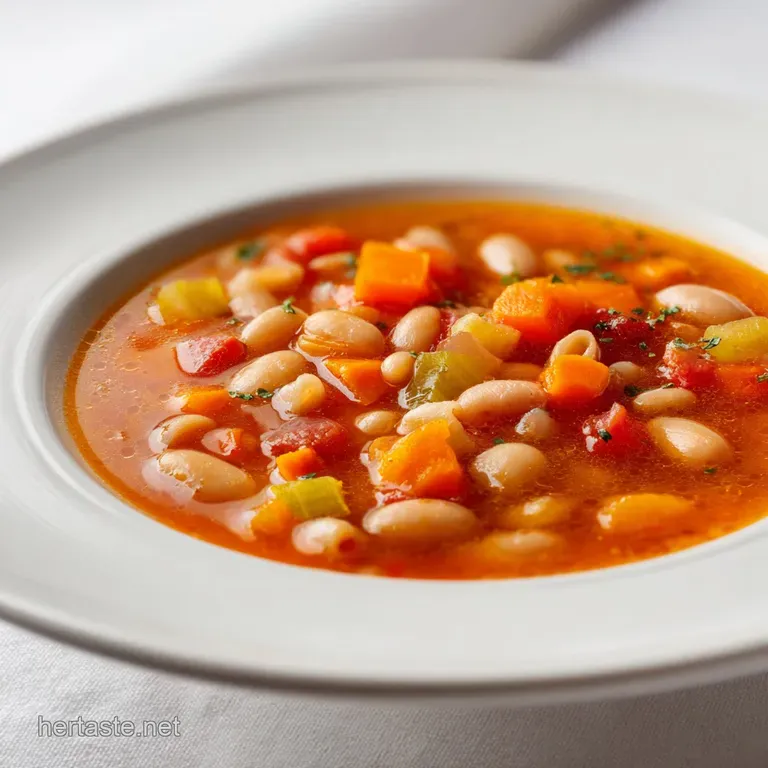
- Time: 10 min active + 30 min cooking = Total 40 mins
- Flavor/Texture Hook: Velvety broth with a pop of fresh lemon and kale
- Perfect for: A rainy Tuesday dinner or a comforting meal prep batch
- The Stanley Tucci Pasta Fagioli Recipe
- The Secrets Behind the Texture
- The Core Ingredient Breakdown
- The Essential Timing and Yield
- The Tools for the Job
- The Cooking Process Step-by-Step
- Solving Common Soup Issues
- Personalizing Your Bean Soup
- The Truth About Bean Myths
- Storage and Reheating Guidelines
- The Best Sides to Serve
- The Final Touch
- High in Sodium
- Recipe FAQs
- 📝 Recipe Card
The Stanley Tucci Pasta Fagioli Recipe
The smell of onions, carrots, and celery hitting hot olive oil is honestly one of my favorite things in the world. There's that specific sizzle, a soft popping sound, as the mirepoix begins to sweat and the kitchen starts smelling like a traditional Italian home.
I remember the first time I tried to make a bean soup; I just tossed everything in a pot and hoped for the best, but the result was watery and lacked that "soul" you find in the real deal.
The difference here is all in the texture. We aren't just boiling beans in water; we're building a base that feels rich and intentional. Using a stanley tucci pasta fagioli recipe means focusing on that balance between the chunky elements and the creamy broth.
It's a dish that feels like a hug in a bowl, and once you get the timing of the pasta right, it's nearly impossible to mess up.
You can expect a soup that's thick but not gloppy, with ditalini pasta that holds its shape and kale that adds a slight bitterness to cut through the richness. It's the kind of meal where you'll find yourself scraping the bottom of the bowl with a piece of crusty bread. Let's crack on and get this started.
The Secrets Behind the Texture
Instead of using a roux or heavy cream to get that thick, satisfying consistency, we rely on the beans themselves. It's a clever trick that keeps the dish lighter but still feels luxurious.
- The Bean Mash: Pulsing a portion of the cannellini beans with an immersion blender releases natural starches, which transforms a thin broth into a velvety liquid.
- The Paste Roast: Cooking the tomato paste until it turns a deep mahogany color caramelizes the sugars and concentrates the umami.
- The Pasta Starch: Cooking the ditalini directly in the soup allows the pasta to release its own starch, further thickening the body of the stew.
- The Acid Balance: A squeeze of fresh lemon at the end cuts through the earthiness of the beans, brightening the entire flavor profile.
| Bean Source | Prep Time | Texture | Best For |
|---|---|---|---|
| Canned (Rinsed) | 2 mins | Soft, consistent | Quick weeknight meals |
| Dried (Soaked) | 12 hours | Firmer, nuttier | Weekend slow cooking |
| Fresh (Shelled) | 30 mins | Very creamy | Peak season gardening |
Right then, while canned beans are the standard for this specific version, you can always go the dried route if you've got the time. Just make sure you soak them overnight to avoid any digestive surprises.
The Core Ingredient Breakdown
Understanding why we use these specific items helps you make better decisions when you're staring at your pantry. For example, if you use the wrong pasta, you might end up with a bowl of mush.
| Ingredient | Science Role | Pro Secret |
|---|---|---|
| Cannellini Beans | Structural Body | Blend 1/3 of the can for a creamier mouthfeel |
| Tomato Paste | Umami Base | Fry it in oil first to remove the "raw" metallic taste |
| Ditalini Pasta | Starch Source | Don't overcook or they'll absorb all the broth |
| Fresh Kale | Bitter Contrast | Stir in at the very end to keep the vibrant green color |
The Essential Timing and Yield
This is a straightforward process, but the flow matters. If you rush the aromatics, you lose the depth. If you overcook the pasta, you lose the texture.
- Yield: 4 servings
- Prep time: 10 minutes
- Cook time: 30 minutes
- Total time: 40 minutes
The Tools for the Job
You don't need a professional kitchen for this, but a few specific tools make the process way smoother. I personally use a heavy bottomed Dutch oven because it distributes heat evenly, preventing the tomato paste from scorching.
If you don't have an immersion blender, you can simply take a cup of the beans and broth, blend them in a standard blender, and pour them back in. Just be careful not to over process, or you'll end up with a bean puree instead of a chunky soup.
A sturdy wooden spoon is also essential for scraping those brown bits (the fond) off the bottom of the pot - that's where the flavor lives.
The Cooking Process step-by-step
Let's get into the actual work. Keep your ingredients prepped and ready before you turn on the heat, as things move quickly once the garlic goes in.
- Heat the olive oil over medium heat in a large Dutch oven. Add the onion, carrots, and celery, sautéing for 5–7 minutes until they are soft and translucent. Note: Don't brown them too much; we want a sweet, soft base.
- Stir in the minced garlic, oregano, and red pepper flakes, cooking for 60 seconds until the aroma fills the room.
- Stir in the tomato paste and cook for 2–3 minutes until the vegetables turn a deep mahogany color. Note: This is where the depth of flavor is built.
- Pour in the vegetable broth and add one can of the drained cannellini beans. Bring to a gentle boil, then reduce to a simmer for 10 minutes.
- Use an immersion blender to pulse the soup 3 4 times until the broth looks thickened while leaving plenty of whole beans intact.
- Stir in the second can of cannellini beans and the ditalini pasta. Simmer for 8–10 minutes, stirring occasionally until the pasta is al dente.
- Stir in the chopped kale, lemon juice, and fresh parsley.
- Season with salt and black pepper to taste until the flavors pop before serving.
Solving Common Soup Issues
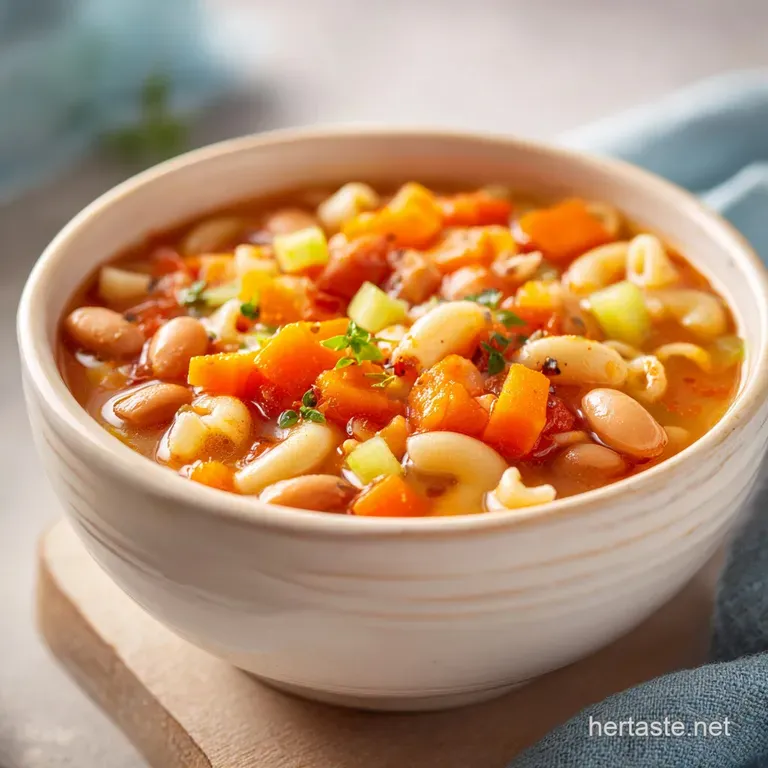
Even with a simple stanley tucci pasta fagioli recipe, things can go sideways. Usually, it's a matter of liquid ratios or timing.
Why Your Soup Is Too Watery
If your soup feels more like a thin broth than a hearty stew, you probably didn't pulse enough of the beans. The cannellini beans act as the primary thickener. You can fix this by taking a ladle of the soup, blending it separately, and stirring it back in.
Preventing Mushy Pasta
The biggest mistake people make is overcooking the ditalini. Remember that pasta continues to cook in the hot liquid even after you turn off the heat. Pull the pot off the stove when the pasta still has a tiny bit of "bite" to it.
Boosting the Umami
If the soup tastes "flat," it usually needs more acid or salt. Don't just add more salt; try adding another squeeze of lemon or a tiny splash of apple cider vinegar. This wakes up the other ingredients.
| Problem | Root Cause | Solution |
|---|---|---|
| Bland taste | Lack of seasoning | Add lemon juice or a pinch more salt |
| Gummy pasta | Overcooked starch | Undercook pasta by 1 minute |
| Bitter kale | Overcooked greens | Add kale in the final 2 minutes |
Common Mistakes Checklist
- ✓ Avoid boiling the soup aggressively; a gentle simmer prevents the beans from breaking.
- ✓ Don't skip the tomato paste roasting step; it's the difference between "okay" and "incredible."
- ✓ Ensure beans are rinsed thoroughly to remove the metallic canning liquid.
- ✓ Don't add the kale too early, or it will turn a dull olive brown.
- ✓ Measure your broth accurately to avoid a soup that's too thick to pour.
Personalizing Your Bean Soup
One of the best parts about a traditional italian pasta fagioli recipe is how forgiving it is. Once you've mastered the base, you can start playing with the additions to fit your mood.
If you're craving something more decadent, you can stir in a tablespoon of butter or a dollop of pesto at the very end. For those who want a bit more punch, a pinch of smoked paprika can add a subtle woodsy note that complements the beans. If you're looking for more pasta inspiration for your weekly rotation, you might enjoy my Garlic Parmesan Pasta when you want something quicker than a soup.
Making it Vegan
This recipe is already naturally vegan as long as you use a high-quality vegetable broth. To add more richness, I suggest adding a teaspoon of nutritional yeast or a bit of miso paste along with the tomato paste for an extra savory hit.
Protein Power Up
While the beans provide a great amount of plant based protein, some people prefer a meatier version. You can brown some pancetta or Italian sausage at the very beginning before adding the vegetables. If you're avoiding meat but want more heartiness, try adding some diced smoked tofu or tempeh.
Choosing Different Greens
Kale is the classic choice because it holds up well to heat, but you can easily swap it for spinach or Swiss chard. Just be aware that spinach wilts much faster than kale, so stir it in literally 30 seconds before serving.
The Truth About Bean Myths
There are a lot of "rules" about beans that are actually just outdated habits. Let's clear some of those up.
Myth: You must soak dried beans for 24 hours. Truth: While a long soak is traditional, a "quick soak" (boiling for 2 minutes and letting sit for an hour) works just as well for most bean varieties.
Canned beans, as used in this stanley tucci pasta fagioli recipe, are perfectly fine and significantly cut down on prep time.
Myth: Cooking pasta in the soup ruins the texture. Truth: Cooking pasta in the soup is actually a technique used to thicken the broth. The starch from the pasta binds with the liquid. The only risk is overcooking, which is easily solved by timing your simmer carefully.
Myth: All pasta fagioli must contain meat. Truth: Historically, this was a "peasant dish," meaning it used whatever was available. Many regions in Italy make a strictly vegetarian version that relies on the richness of the olive oil and the creaminess of the beans for satisfaction.
Storage and Reheating Guidelines
This soup is actually better the next day because the flavors have more time to meld. However, there is one major catch: the pasta.
Fridge Storage: Store in an airtight container for up to 4 days. You'll notice that the pasta absorbs more liquid over time, making the soup much thicker. When reheating, just add a splash of water or vegetable broth to bring it back to the right consistency.
Freezer Storage: I don't recommend freezing the soup with the pasta in it. The pasta will become mushy and lose its structure upon thawing. If you plan to freeze your stanley tucci pasta fagioli recipe, cook the beans and broth base, freeze that, and then add fresh pasta and kale when you're ready to reheat.
It'll stay fresh for up to 3 months.
Zero Waste Tips: Don't throw away the onion skins, carrot ends, and celery leaves from your prep. Toss them into a freezer bag. Once the bag is full, simmer them with water for an hour to create a free, homemade vegetable stock for your next batch of soup.
Also, if you have a bit of leftover tomato paste in the tube, freeze it in small dollops on parchment paper so you can pop one out whenever you need a flavor boost.
The Best Sides to Serve
Since this soup is so filling, you don't need a massive side dish, but a few additions can turn it into a full feast.
A piece of toasted sourdough rubbed with a raw garlic clove is the gold standard here. The crunch of the toast against the velvety soup is a match made in heaven. If you want something fresher, a simple arugula salad with lemon and olive oil balances the heartiness of the beans.
For another Italian inspired meal, you might try my Homemade Marinara Sauce as a base for a simple pasta dish on a different night. But for today, keep it simple. A bowl of this soup and a glass of crisp white wine or a sparkling water with lime is all you really need.
The Final Touch
Making this dish is all about the process. From the initial sizzle of the vegetables to that final, bright squeeze of lemon, every step adds a layer of flavor. It's not just about following a list of ingredients; it's about watching the colors change and smelling the aromas evolve.
Whether you're making this for a cozy night in or prepping it for a busy work week, the stanley tucci pasta fagioli recipe proves that simple ingredients, when treated with a bit of care, can create something truly special. Trust the process, don't overcook your pasta, and enjoy every spoonful.
Right then, grab your Dutch oven and let's get cooking!
High in Sodium
1120 mg 1120 mg of sodium per serving (49% 49% of daily value)
The American Heart Association recommends a daily sodium limit of no more than 2,300 mg, with an ideal limit of 1,500 mg for most adults.
Tips to Reduce Sodium in Your Soup
-
Swap the Broth-30%
Replace standard vegetable broth with low-sodium or no-salt added vegetable broth to drastically lower the sodium base.
-
Omit Added Salt-25%
Eliminate the 'salt to taste' and use the lemon juice and black pepper to provide the necessary flavor contrast.
-
Low-Sodium Beans-20%
Use no-salt added cannellini beans or substitute canned beans with home cooked dry beans.
-
No-Salt Tomato Paste-15%
Select a no-salt added tomato paste to reduce the hidden sodium typically found in concentrated pastes.
-
Boost Natural Aromatics
Increase the amount of fresh parsley and minced garlic to add depth and complexity without needing extra salt.
Recipe FAQs
Can I freeze this soup?
No, do not freeze the soup with the pasta inside. The ditalini will lose its structure and become mushy upon thawing.
Why does the recipe use two cans of beans?
Yes, this creates a balance of texture and thickness. One can is partially blended to cream the broth, while the second ensures there are whole beans in every spoonful.
How to prevent the pasta from becoming mushy?
Simmer the ditalini for exactly 8 10 minutes. Stir occasionally to prevent sticking and remove the pot from the heat immediately after adding the kale and lemon juice.
Is it true that I must blend all the beans to thicken the soup?
No, this is a common misconception. Only pulse the immersion blender 3 4 times to thicken the liquid while keeping most of the beans intact.
How to achieve a thicker broth consistency?
Pulse the broth and the first can of beans with an immersion blender. This releases natural starches into the soup before you add the pasta.
Can I substitute the ditalini pasta?
Yes, any small dried pasta shape works. If you enjoy these Italian flavors, this soup pairs perfectly as a starter before a main like homemade lasagna.
How to reheat the soup without it being too thick?
Add a splash of water or vegetable broth. The pasta absorbs liquid while stored in the fridge, so adding moisture restores the original consistency.
Stanley Tucci Pasta Fagioli