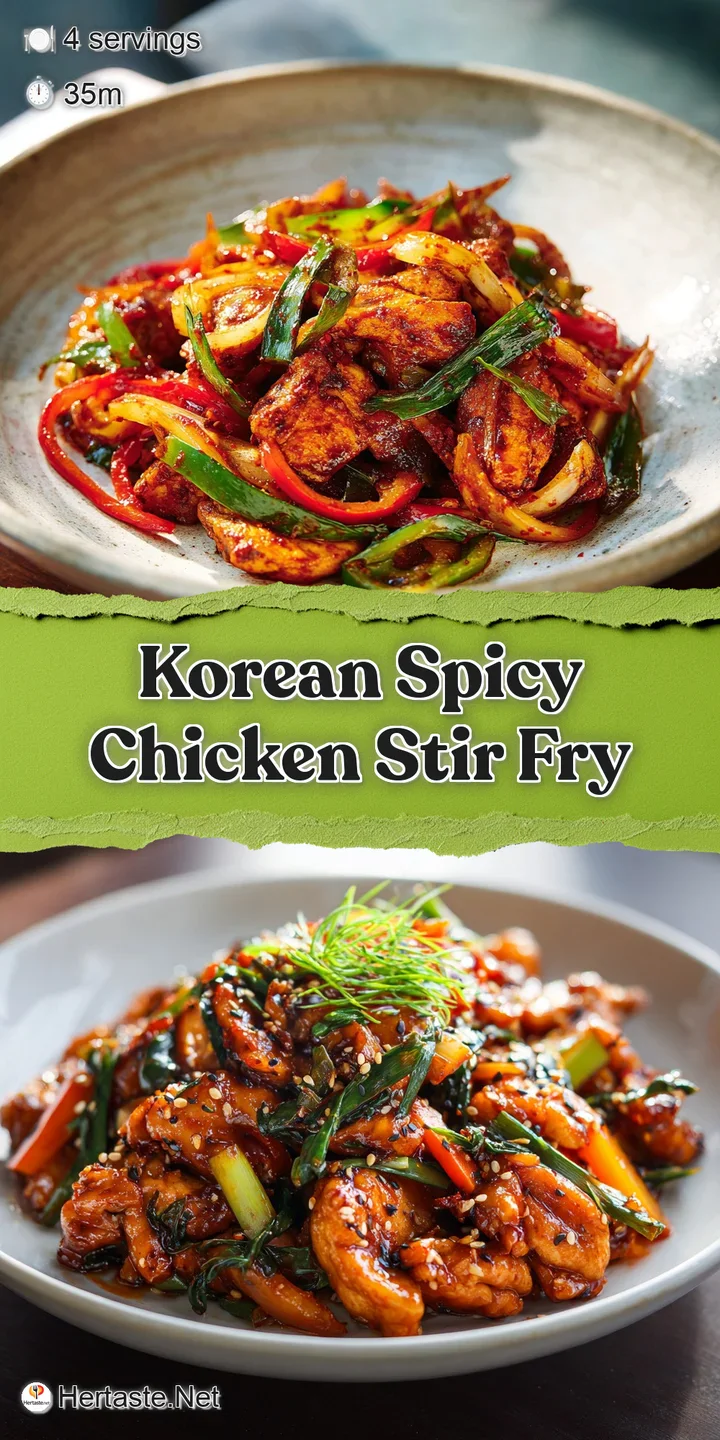
Korean Spicy Chicken Stir Fry: Charred and Velvety
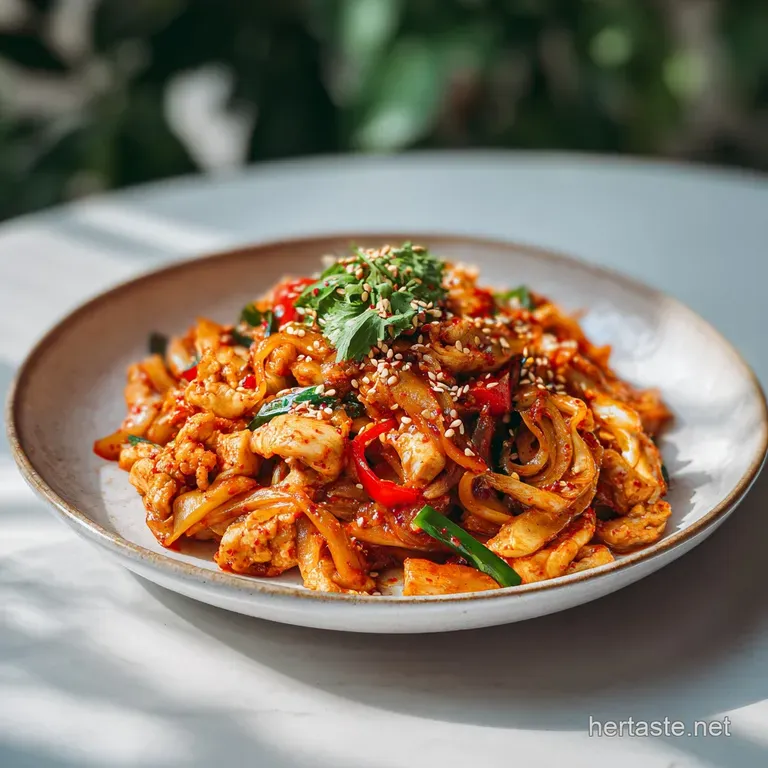
- Time: Active 20 minutes, Passive 15 minutes, Total 35 minutes
- Flavor/Texture Hook: Charred, velvety chicken with a fiery, umami rich glaze
- Perfect for: High energy weeknight dinners or vibrant meal prep sessions
- Weeknight Hero: Korean Spicy Chicken Stir Fry
- Why This Vibrant Meal Works
- Analyzing Key Flavor Components
- Choosing Quality Ingredients and Substitutes
- Minimal Tools for Maximum Efficiency
- Step-by-Step From Prep to Plate
- Fix Common Stir Fry Mistakes Fast
- Scaling and Creative Dish Variations
- Debunking Popular Kitchen Myths
- Smarter Storage and Zero Waste
- Dynamic Ways to Serve Everything
- Very High in Sodium
- Recipe FAQs
- 📝 Recipe Card
Weeknight Hero: Korean Spicy Chicken Stir Fry
The second that dollop of crimson gochujang hits the scorching oil, my entire kitchen transforms. There is a specific, pungent aroma sweet, fermented, and slightly smoky that honestly makes my mouth water before the chicken even touches the pan.
I remember the first time I tried to make this; I was so impatient that I crowded the skillet, and instead of a beautiful char, I ended up with a sad, grey poach. It was a total mess, but it taught me the most valuable lesson about heat management.
Now, I treat this dish as my ultimate weeknight secret weapon. We’ve all had those evenings where we want something that feels like a massive reward for surviving the day but don't want to spend two hours hovering over a stove. This dish hits that sweet spot.
It’s vibrant, it’s punchy, and it has this incredible textural contrast between the soft, melting sweet potatoes and the snap of the cabbage.
You’re going to love how the sauce thickens into a glossy, concentrated lacquer. It isn't just a "sauce" in the thin sense; it’s more of a coating that binds the ingredients together.
Trust me, once you see those charred edges on the chicken and smell the toasted sesame oil, you’ll understand why this is a permanent fixture in my rotation. Let’s get into how we make this happen without overcomplicating things.
Why This Vibrant Meal Works
Capsaicin Solubility: The heat in gochugaru and gochujang is fat soluble, meaning the neutral oil and sesame oil carry the spice evenly across your palate rather than letting it sting in one spot.
Starch Gelatinization: As the sweet potato slices cook, they release just enough starch to naturally thicken the marinade into a velvety glaze that refuses to run off the meat.
Protein Denaturation: The rice wine and soy sauce work together to break down tough fibers in the chicken thighs, ensuring every bite remains supple even under over high heat stir frying.
Maillard Reaction: The brown sugar and the natural sugars in the sweet potato undergo rapid browning at high temperatures, creating those characteristic smoky, bitter sweet notes that balance the fermented funk.
| Thickness | Internal Temp | Rest Time | Visual Cue |
|---|---|---|---|
| 1 inch pieces | 165°F | 3 mins | Opaque center, juice runs clear |
| 1/2 inch half moons | N/A | 0 mins | Fork tender with slight char |
| Diagonally sliced | N/A | 0 mins | Softened but retains a "snap" |
When you are working with a over high heat method like this, the sweet potatoes are actually your best indicator of pan temperature. If they aren't sizzling the moment they touch the metal, your pan isn't hot enough.
Achieving that balance between a softened interior and a blistered exterior is the hallmark of a great stir fry.
Analyzing Key Flavor Components
Understanding the "why" behind your ingredients helps you adjust on the fly. This isn't just about heat; it's about the fermentation that provides a back of-the throat depth you can't get from standard hot sauce. It is a similar depth to what you might find in a Soy Ginger marinade recipe, where the salt and aromatics do the heavy lifting.
| Component | Science Role | Pro Secret |
|---|---|---|
| Gochujang | Emulsifier & Base | Whisk it with the liquid ingredients first to avoid clumps in the pan. |
| Sweet Potato | Texture Contrast | Slice them thin; they provide a creamy mouthfeel that offsets the chili heat. |
| Rice Wine (Mirin) | Enzyme Inhibitor | Helps remove any "gamey" scents from the poultry while adding subtle sweetness. |
| Toasted Sesame Oil | Aromatic Finishing | Add it to the marinade, but keep some for a raw drizzle at the end to maximize scent. |
Notice how the sugar content in the gochujang interacts with the heat. Because it contains fermented rice, it burns more easily than standard chili flakes. This is why we add the vegetables to the pan they release moisture that acts as a natural temperature regulator, preventing the sugar from turning acrid.
Choosing Quality Ingredients and Substitutes
For the best results, stick to the quantities in the list below. I’ve found that boneless, skinless thighs are non negotiable here; breast meat dries out far too quickly in a over high heat stir fry environment.
- 1.5 lbs chicken thighs: Cut into 1 inch pieces. Why this? Higher fat content ensures the meat stays velvety and juicy during searing.
- Sub: Pork shoulder sliced thin.
- 3 tbsp Gochujang: Why this? The backbone of the flavor; provides heat, sweetness, and thick body.
- Sub: 2 tbsp Miso mixed with 1 tbsp Sriracha (flavour will be less authentic).
- 2 tbsp Gochugaru: Why this? Adds a bright red color and a specific smoky tingle.
- Sub: Crushed red pepper flakes (use half the amount).
- 2 tbsp soy sauce: Why this? Provides the essential salt and umami depth.
- Sub: Tamari for a gluten-free version.
- 1 tbsp rice wine (Mirin): Why this? Tenderizes the meat and balances the saltiness.
- Sub: Dry sherry or a splash of white wine.
- 1 tbsp brown sugar: Why this? Encourages the Maillard reaction for those charred, caramelized bits.
- Sub: Honey or maple syrup.
- 2 cups green cabbage: Why this? Adds bulk and a much needed crunch.
- Sub: Bok choy or kale.
- 1 medium sweet potato: Why this? The starch helps thicken the sauce and provides a sweet reprieve.
- Sub: Yukon Gold potatoes or butternut squash.
Minimal Tools for Maximum Efficiency
You don't need a thousand gadgets to make a world class Korean Spicy Chicken Stir Fry. In fact, the fewer tools you use, the more control you have over the heat. I personally swear by a large cast iron skillet or a heavy bottomed carbon steel wok.
These materials hold onto heat like a champ, which is vital when you start tossing in cold vegetables.
If you use a thin non stick pan, you'll notice the temperature drops the second the cabbage hits the surface, leading to "steaming" rather than "frying." We want a sizzle, not a simmer.
A sharp chef's knife is your only other requirement getting the sweet potatoes into consistent 1/4 inch half moons is what ensures they cook through at the same rate as the chicken.
step-by-step From Prep to Plate
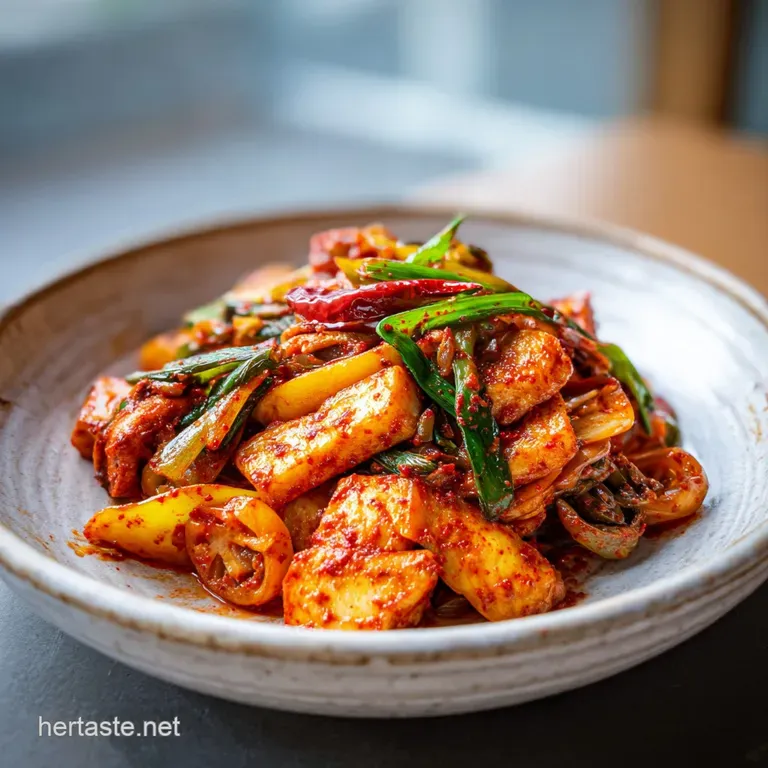
- Whisk the marinade. Combine 3 tbsp Gochujang, 2 tbsp Gochugaru, 2 tbsp soy sauce, 1 tbsp Mirin, 1 tbsp brown sugar, 3 cloves minced garlic, 1 tsp grated ginger, and 1/4 tsp black pepper in a bowl. Note: This creates a concentrated paste that will eventually coat everything.
- Coat the chicken. Toss the 1.5 lbs of chicken thigh pieces into the sauce. Note: Let this sit for at least 15 minutes to allow the salt to penetrate the protein.
- Prep the garden. Chop 2 cups cabbage into squares, slice 1/2 onion, 1 carrot, and the sweet potato into half moons. Note: Uniformity is key for even cooking.
- Heat the pan. Add 1 tbsp neutral oil to your skillet over medium high heat. Cook until the oil shimmers and barely wisps smoke.
- Sear the potatoes. Place the sweet potato slices in the pan first. Cook 2 minutes per side until they show golden brown spots.
- Add the chicken. Push the potatoes to the edges and drop the marinated chicken into the center. Sizzle for 4 minutes without moving them much to build a crust.
- Incorporate aromatics. Toss in the onions and carrots. Stir fry 3 minutes until the onions go translucent.
- Wilt the cabbage. Add the cabbage squares and green onions. Toss 2-3 minutes until the cabbage is bright green and slightly softened but still snaps.
- Finish with fat. Drizzle 1 tbsp toasted sesame oil over the entire pan. Stir once more to emulsify the remaining juices into a glossy glaze.
- Rest and serve. Remove from heat. Rest for 2 minutes to let the juices settle back into the meat before serving.
Fix Common Stir Fry Mistakes Fast
The most frequent heartbreak with this recipe is a watery sauce. This usually happens if the cabbage releases too much moisture before the chicken has had a chance to brown. If you see liquid pooling at the bottom of the pan, don't panic. Just crank the heat to maximum and let it boil off rapidly.
The sugars in the gochujang will eventually stabilize and tighten up.
Another thing to watch for is the sweet potato. Because they are dense, they sometimes stay hard in the center while the chicken is done. This is why we slice them thin. If you realize they are still too firm, add a tablespoon of water to the pan and cover it with a lid for 60 seconds.
The steam will finish the potatoes without overcooking the rest of the dish.
Preventing Burned Chili Paste
The gochujang is thick and sugary, which means it can go from caramelized to scorched in seconds. Keep the ingredients moving once the chicken is half cooked.
| Problem | Root Cause | Solution |
|---|---|---|
| Bitter flavor | Burnt chili paste | Lower heat slightly and add a splash of water or rice wine to deglaze. |
| Rubbery chicken | Overcrowded pan | Cook in two batches if your skillet is smaller than 12 inches. |
| Crunchy potatoes | Slices too thick | Steam for 1 minute with a lid on or slice thinner next time. |
Common Mistakes Checklist
- ✓ Pat the chicken dry with a paper towel before adding the marinade (removes excess moisture).
- ✓ Wait for the pan to be "shimmering hot" before adding the oil and potatoes.
- ✓ Don't skip the ginger; it provides a sharp top note that cuts through the heavy fermentation.
- ✓ Slice the cabbage into 1 inch squares rather than thin shreds so it maintains its structural integrity.
- ✓ Use a neutral oil with a high smoke point (like canola or grapeseed), not extra virgin olive oil.
Scaling and Creative Dish Variations
If you are cooking for a crowd, do not simply double the ingredients and throw them all into one pan. You will end up with a stew. Instead, double the marinade and the prep, but cook in two separate batches. This maintains the over high heat environment necessary for that "charred" flavor profile.
For a lighter version, you can swap the sweet potatoes for zucchini, though you’ll lose that lovely thickening starch. If you’re looking for a different texture entirely, you might enjoy the crunch found in a Crispy Korean Fried recipe, though this stir fry is much faster for a Tuesday night.
- If you want more heat, add an extra tablespoon of Gochugaru or a few sliced Thai bird's eye chilies.
- If you want it milder, increase the brown sugar by half a tablespoon and double the amount of cabbage.
- If you want it "Seoul Style", add a handful of tteokbokki (Korean rice cakes) into the pan with the cabbage for a chewy, pillowy addition.
Debunking Popular Kitchen Myths
One common myth is that you must marinate the chicken for hours for it to be flavorful. While a long soak helps, the gochujang paste is so concentrated that even a 15 minute coat provides a massive hit of flavor.
The sauce is so thick it acts more like a wet rub than a traditional marinade, clinging to the surface area where most of our taste receptors are.
Another misconception is that you need a roaring fire and a professional wok. A heavy cast iron skillet actually provides better heat retention for a home stove, which often lacks the BTUs of a commercial range.
The "breath of the wok" (wok hei) can be mimicked effectively by letting the chicken sit undisturbed for those first few minutes to develop a dark, savory crust.
Smarter Storage and Zero Waste
Storage: This stir fry is a meal prep dream. It stays delicious in the fridge for up to 4 days. The sweet potatoes actually get better as they sit in the sauce. To reheat, I recommend a quick toss in a hot skillet rather than the microwave, which can make the cabbage a bit soggy.
Zero Waste: Don't throw away those cabbage hearts! Slice the tough core very thinly and add it to the pan with the carrots; it has a lovely sweetness and a great crunch.
If you have leftover sauce at the bottom of your marinating bowl, toss some broccoli or green beans in it and roast them the next day for a quick side dish.
Dynamic Ways to Serve Everything
The classic move is to serve this Korean Spicy Chicken Stir Fry over a bowl of steaming short grain white rice. The rice acts as a sponge for that fiery, glossy glaze.
If you want to go the traditional route, serve it with "Ssam" fresh lettuce leaves (perilla or red leaf lettuce) and a little extra gochujang. You wrap a piece of chicken and a slice of sweet potato in the leaf for a refreshing, crunchy bite.
If you have leftovers, they make an incredible fried rice the next morning. Just chop up the remaining chicken and veg, toss them in a pan with cold rice and a fried egg, and you’ve got a breakfast that will wake up your entire system.
For a fusion twist, this mixture is actually fantastic inside a toasted flour tortilla with a little shredded mozzarella the cheese tempers the heat perfectly.
Very High in Sodium
1185 mg mg of sodium per serving (52% of daily value)
The American Heart Association recommends limiting sodium intake to no more than 2,300mg per day for overall cardiovascular health.
Smart Swaps for Lower Sodium Korean Chicken
-
Low-Sodium Soy Sauce-20%
Replace regular soy sauce with a low-sodium or reduced sodium version. This simple swap can significantly cut down the sodium content without sacrificing flavor.
-
DIY Gochujang-15%
Consider making your own Gochujang. store-bought varieties can be very high in sodium. A homemade version allows you to control the sodium levels. If not, use less Gochujang
-
Enhance with Aromatics-10%
Boost flavor with more garlic, ginger, and Gochugaru. These ingredients add depth and complexity, allowing you to use less of the higher sodium ingredients like soy sauce and Gochujang.
-
Fresh Herbs & Spices
Experiment with sodium free herbs and spices like dried basil, thyme, or oregano to enhance the flavor of the dish without adding extra sodium. These offer a flavorful alternative.
Recipe FAQs
What is the essential ingredient for achieving the signature Korean spicy flavor?
Gochujang is essential. This fermented chili paste provides the necessary deep, savory sweetness and thick body for the glaze.
How do I prevent the sauce from becoming watery during the stir fry process?
Cook over maximum heat once vegetables are added. If liquid pools, increase the heat drastically to boil off excess moisture rapidly before the sugars scorch.
Is it necessary to use chicken thighs instead of breasts for this recipe?
Yes, chicken thighs are strongly recommended. Their higher fat content ensures the meat remains velvety and doesn't dry out during the necessary high heat searing.
How long should I marinate the chicken for optimal flavor penetration?
Marinate for a minimum of 15 minutes. The highly concentrated paste acts quickly, but letting it sit for 30 minutes or more deepens the flavor absorption significantly.
How can I prepare the sweet potatoes so they cook through at the same time as the chicken?
Slice the sweet potatoes into consistent 1/4 inch half moons. You should sear them briefly alone first; if they remain hard, add a splash of water and cover the pan for 60 seconds to steam them through.
What should I serve with this stir fry to balance the intense heat?
Serve over plain steamed rice or with fresh lettuce wraps. The neutral starch of the rice or the cooling crunch of the lettuce helps temper the concentrated spice beautifully.
Is it true that I must use a wok to achieve proper charring on the meat?
No, this is a common misconception. A heavy cast iron skillet works very well because it retains high heat, which is the critical factor for developing char, similar to the high temperature searing used in our pan-fried Tilapia recipe.
Spicy Korean Chicken Stir Fry
Ingredients:
Instructions:
Nutrition Facts:
| Calories | 542 kcal |
|---|---|
| Protein | 34.2 g |
| Fat | 31.5 g |
| Carbs | 31.8 g |
| Fiber | 4.8 g |
| Sugar | 11.2 g |
| Sodium | 1185 mg |
