Tuna Omelette Breakfast: Savoury Quick Treat
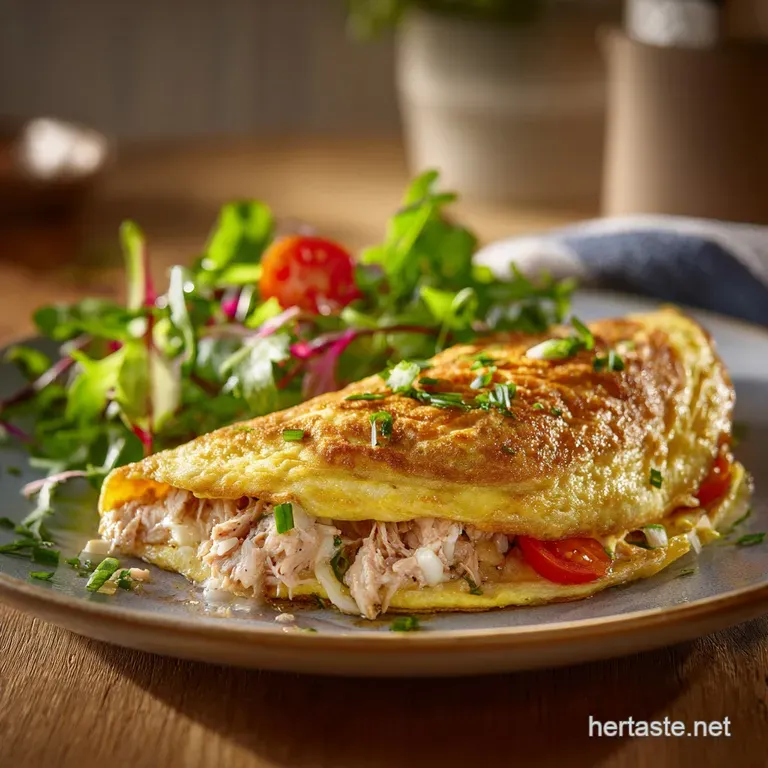
- Elevating Your Morning Routine with a High-Protein Tuna Omelette
- Achieving the Perfect Balance: Texture and Savory Flavor Notes
- The Essential Components: Sourcing the Best Ingredients for Your Tuna Omelette Breakfast
- Step-by-Step Guide: Crafting the Smashing Savoury Tuna Omelette
- Troubleshooting Your Omelette: Expert Tips and Common Preparation Mistakes
- Meal Prep and Storage: Keeping Your Tuna Omelette Fresh
- Serving the Savoury Tuna Omelette: Ideal Pairings and Sides
- Recipe FAQs
- 📝 Recipe Card
Elevating Your Morning Routine with a High Protein Tuna Omelette
Imagine that golden, silky blanket of egg wrapping around a savory, intensely zesty filling. That’s what we’re aiming for today, my friend. This isn't just a basic egg dish; it’s a high protein hug for your breakfast table, warm and satisfying.
You get that incredible savory flavor balanced by a refreshing little crunch from the fresh spring onion.
Seriously, how many times have you stared into the fridge at 7 AM needing real fuel, not just a sugary bowl of cereal? This [Tuna Omelette Breakfast] is the brilliant answer, using those humble pantry heroes you already keep on hand eggs and canned tuna.
It’s ready in under 15 minutes, honestly faster than waiting in the drive thru for coffee.
I’ve messed up countless omelettes in my time, believe me. I’m going to share the actual technique that moves this from a sad, rubbery mistake to a fluffy, creamy masterpiece. Let’s crack on and make this proper, high-quality, protein packed [Egg and Tuna Omelette].
Achieving the Perfect Balance: Texture and Savory Flavor Notes
We are tackling two major challenges here: moisture and texture. Too much liquid from the filling ruins the set of the egg, creating a sloppy mess nobody wants. We use high fat Greek yoghurt to bind the filling, which is much stabler than using oil or water based tuna alone.
The Nutritional Punch: Why Tuna and Eggs Are the Ultimate Power Duo
This combination is a breakfast cheat code, honestly. You are slamming the door on morning hunger with two excellent sources of complete protein the lean fish and the incredible egg. This keeps your energy levels totally stable all morning long.
Ditching the Carbs for a Satisfying Start to the Day
This [Low Carb Tuna Omelette] is naturally low carb and high fat, putting it right in the sweet spot for fueling your morning without a sugar crash. It’s perfect if you are avoiding grains or just need sustained, reliable energy. If you love big, savory, make-ahead breakfasts, this offers a quicker alternative to something like my fantastic MakeAhead Keto Low Carb Breakfast Casserole Sausage Spinach .
Is This Omelette Suitable for Keto or Low-Carb Diets?
Absolutely, yes. Since we skip flour or starches and rely solely on eggs and the high fat yogurt, this recipe is fully compliant. It’s one of the easiest ways to ensure you hit those high protein targets first thing in the morning.
The Secret to Creaminess: Incorporating Greek Yoghurt into the Filling
Using a spoonful of thick Greek yoghurt is truly a game changer for this [Canned Tuna Omelette Recipe]. It acts as a rich binder, ensuring the tuna mixture doesn't dry out when it hits the hot eggs. The slight tang also cuts through the richness of the tuna and egg beautifully.
Fluffy vs. Flat: How to Master the French Omelette Fold
A great omelette should be tender, not rubbery. The key is fast cooking over medium high heat with lots of butter. We aim for a creamy, almost custardy interior, which means pulling the omelette off the heat while it is still slightly wet. That final fold seals in the beautiful, savory tuna.
Why Draining the Tinned Tuna is Critical for Success
This step is non-negotiable, my friends. If you miss this, you will leak water into the egg mixture, and your beautiful omelette will tear and turn into scrambled mush. Drain the tuna until you are absolutely convinced not a single drop of liquid remains.
The Essential Components: Sourcing the Best Ingredients for Your Tuna Omelette Breakfast
Keep the ingredient list short, high-quality, and fresh for the best result. Using fresh herbs like parsley and that hit of lemon zest makes the difference between basic pantry food and something truly special.
Oil vs. Spring Water: Choosing Your Canned Tuna Base
I usually opt for tuna canned in spring water for this [Breakfast Omelette], but only if I drain it aggressively. If you choose tuna in olive oil, the flavor is richer, but you must drain that oil equally well to prevent it from separating in the pan.
Building Flavor with Fresh Aromatics (Spring Onion and Lemon Zest)
The spring onion provides a sharp, clean contrast to the heavy protein, and the lemon zest elevates the entire dish. Don't skip the zest! It adds a volatile oil that just brightens the whole plate.
Ingredient Swaps: dairy-free Alternatives for Creaminess
Sometimes you just don't have Greek yoghurt, or perhaps you're avoiding dairy. No problem! Here are some simple swaps for the key ingredients:
| If you don't have... | Use... |
|---|---|
| Canned Tuna | Canned Salmon or Mackerel (drain extremely well) |
| Greek Yogurt | Full fat Mayonnaise, 1 tbsp soft Cream Cheese, or Cashew Cream |
| Parsley | Finely chopped Chives or fresh Dill |
| Butter | Ghee or over high heat cooking oil (Avocado or Canola) |
Sizing Up: How Many Eggs Per Serving?
For a satisfying, high protein single serving of [Tuna Omelette], I recommend using two large eggs. If you are extremely hungry or use a very large pan, three eggs will make a monster omelette, but it becomes trickier to fold neatly. This recipe is optimized for 2 eggs per omelette, yielding two servings.
step-by-step Guide: Crafting the Smashing Savoury Tuna Omelette

Phase 1: Preparing and Mixing the Zesty Tuna Filling
- Drain Ruthlessly: Seriously, take a moment to press the tuna in the can or place it in a sieve and squeeze the liquid out.
- Mix the Fill: Flake the drained tuna into a bowl. Stir in the Greek yogurt, the finely sliced spring onion, parsley, and that crucial lemon zest. Season with a good pinch of salt and pepper. Set this filling aside, ready to go.
Phase 2: Mastering the Non-Stick Pan and Heat Control
- Whisk the Eggs: Crack your eggs into a separate bowl with the salt and a teaspoon of water that little bit of water helps create steam and lightness. Whisk quickly until the yolks and whites are barely blended, stopping before they turn foamy or pale yellow.
- Heat the Butter: Put your 8 inch non-stick pan over medium high heat. Add half the butter. Wait until it melts, foams up, and then the foam subsides and the butter is sizzling gently. This is the signal to pour.
Phase 3: The Art of the Fold: Sealing the Filling Inside
- Cook Fast: Pour half the egg mixture into the hot pan. Immediately, tilt the pan and use your spatula to gently pull the set edges towards the center. Let the liquid egg run underneath, filling the gap. Repeat until the egg surface is mostly set but still looks wet in the very center (about 60 90 seconds).
- Add Filling and Fold: Place half of the tuna filling across one third of the omelette, closest to the handle. Lift the side furthest away from you using the spatula and fold it over the filling.
- Plate: Tilt the pan over your warm plate and gently roll the omelette out, flipping it slightly as you go. The seam should end up face down for a beautiful, smooth presentation.
Total Time Breakdown: Prep, Cook, and Plate
This process moves quickly. You should spend 5 minutes prepping the filling and then about 2– 3 minutes per omelette once the butter hits the pan. If it takes longer than 90 seconds to cook the egg, your heat is likely too low.
Troubleshooting Your Omelette: Expert Tips and Common Preparation Mistakes
I learned these the hard way, so you don't have to. Omelettes are simple, but timing is everything.
Preventing a Rubbery Omelette: The Importance of Low Heat
Wait, I said medium high heat earlier, didn't I? The critical mistake is leaving it on high heat for too long. Start hot to set the base quickly, then if you need a moment to set the middle, pull the pan off the heat entirely or move it to a lower burner.
A rubbery texture means you overcooked the egg.
Chef's Note: Never cook an omelette until the top is fully dry. The residual heat on the plate will finish setting the custard interior perfectly after folding.
The Filling Overflow: How Much Is Too Much Tuna?
Don't be greedy! Resist the urge to overload the omelette. We are using a modest amount of filling (about 2.5 oz or 70g per omelette). If you stuff it too full, you won't be able to fold it neatly, and the filling will leak out, burning in the pan.
Adding a Crispy Edge: Finishing Touches on the Plate
If you like a slightly crispier edge, use clarified butter (ghee). It has a higher smoke point, allowing the edges to crisp up without the solid milk fats burning.
Meal Prep and Storage: Keeping Your Tuna Omelette Fresh
Can You Prepare the Tuna Filling Ahead of Time?
Yes, please do! This is the best part for meal prepping. You can mix the complete tuna filling (tuna, yogurt, onion, zest) and store it in an airtight container in the fridge for up to 2 days. This makes morning cooking a mere 5 minute affair. If you need portable breakfast ideas that last longer, check out my recipe for MakeAhead Camping Breakfast Burritos Ultimate FreezerSafe Recipe .
Reheating the Omelette Without Drying It Out
If you have leftovers, they keep well in the fridge for up to 3 days. To reheat, the microwave is usually a disaster it makes the egg tough. Instead, gently reheat the omelette in a dry, non-stick pan over low heat until warmed through, or wrap it loosely in foil and reheat it in a 300°F (150°C) oven for about 5 minutes.
Safety Guidelines for Storing Cooked Eggs and Fish
Since this recipe contains both cooked egg and dairy mixed with canned tuna, make sure you cool the leftovers rapidly before refrigerating. Never leave the cooked omelette sitting at room temperature for more than two hours.
Serving the Savoury Tuna Omelette: Ideal Pairings and Sides
This [Healthy Omelette Recipe] is wonderfully robust on its own, but a fresh side really elevates the presentation and cuts through the richness.
- Fresh Greens: Serve alongside a small handful of peppery rocket or microgreens tossed with a simple lemon vinaigrette.
- Grilled Tomatoes: Halve two small tomatoes, drizzle them with olive oil, and grill them quickly while the eggs are cooking. Salt and pepper are all they need.
- Spice Kick: A dash of Tabasco or your favorite hot sauce is never a bad idea here.
If you love savory tuna dishes that hit the spot, you might also adore preparing a proper, cheesy Tuna Melt: The Best Classic Tuna Melt Sandwich Recipe for lunch!

Recipe FAQs
Which type of canned tuna is best for this omelette, and how should I drain it?
Use high-quality tuna packed in water or olive oil, but draining is the critical step for a good omelette. Ensure you press the tuna firmly in a fine mesh sieve or between paper towels until absolutely no excess liquid remains; excess moisture will make the eggs soggy.
Why is my omelette tearing or falling apart when I try to fold it over the filling?
Tearing is usually caused by cooking the omelette over heat that is too high, which sets the eggs too quickly and makes them brittle. Cook over medium low heat, ensure your non-stick skillet is well lubricated, and avoid overloading the center with filling before folding.
Can I prepare the tuna filling ahead of time, and how should I store it?
Yes, the tuna mixture (tuna, yogurt, spring onions, lemon) can be prepared up to 2 days in advance. Store it tightly covered in an airtight container in the refrigerator to maintain freshness.
Can I substitute the Greek yogurt (or omit it) if I need a dairy-free version?
The Greek yogurt adds essential moisture and creaminess, so substituting it is recommended. Use an equal amount of dairy-free cream cheese alternative, mayonnaise, or even a tablespoon of drained soft silken tofu blended smooth.
My filling tasted a bit dry after cooking how can I ensure the tuna stays moist?
If you used tuna packed in water, adding a small drizzle of extra virgin olive oil to the prepared filling mix provides necessary lubrication. Additionally, ensure you are not overcooking the eggs, as the residual heat continues to dry out the filling even after plating.
What are some good herb or spice variations that complement the tuna and egg base?
Fresh herbs like finely chopped dill, chives, and parsley are classic additions that provide brightness. For a gentle warmth, try incorporating a pinch of smoked paprika or a dash of cayenne pepper into the tuna mix before folding it into the omelette.
What is the ideal pan size for cooking a perfect single serving omelette?
For a standard two- or three egg serving, an 8 inch non-stick skillet is considered the ideal size. This allows the egg mixture to spread thinly enough for fast cooking while providing adequate surface area for a tidy roll or half moon fold.
Savoury Tuna Omelette Recipe

Ingredients:
Instructions:
Nutrition Facts:
| Calories | 335 kcal |
|---|---|
| Fat | 22 g |
| Fiber | 1 g |
