Breakfast Casserole: Crispy Hash Browns & Savory Sausage

- Time: Active 15 minutes, Passive 45 minutes, Total 60 minutes
- Flavor/Texture Hook: Savory, protein packed interior with a shattering, golden hash brown topping
- Perfect for: Weekend family brunch or stress free holiday meal prep
- Creating the Best Ever Breakfast Casserole
- Why This Specific Method Works
- Cooking Times and Yield Data
- Smart Pantry Staples for Brunch
- Essential Tools for Even Baking
- Step by Step Assembly Guide
- Solving Common Texture Issues
- Budget Friendly Recipe Adaptations
- Reheating and Storage Instructions
- Pairing Suggestions for Better Brunch
- Kitchen Myths Debunked
- Recipe FAQs
- 📝 Recipe Card
Creating the Best Ever Breakfast Casserole
The morning starts with a specific, sharp sizzle as the bulk pork sausage hits the hot surface of my seasoned cast iron skillet. As I break the meat into small crumbles, the aroma of sage and black pepper begins to fill the kitchen, mingling with the sweet, sharp scent of finely diced yellow onions.
This isn't just a meal; it's a sensory ritual that signals a slow, intentional start to the day. The vibrant red bell peppers soften in the rendered pork fat, turning glossy and bright, while the edges of the sausage develop a deep mahogany sear that promises a concentrated punch of umami in every bite.
Most people treat this dish as a "dump and bake" afterthought, but we're going for something much more intentional. I remember the first time I realized that layering the components rather than just stirring them into a chaotic mess changed the entire structural integrity of the bake.
By placing a foundational layer of hash browns on the bottom and a second layer on top, you create a "starch sandwich" that protects the velvety egg custard while providing that essential, crispy contrast. It's about forging a balance between the rich, creamy interior and the crackling, golden exterior.
We are aiming for a result that feels substantial yet refined. You won't find any soggy, grey potatoes here. Instead, you'll get a slice that holds its shape, revealing distinct layers of melted Monterey Jack, seasoned pork, and colorful vegetables.
Whether you're feeding a hungry crowd or just want a reliable meal prep option that actually tastes better on Tuesday morning, this recipe delivers a consistent, high impact result without breaking your grocery budget.
Why This Specific Method Works
Understanding the mechanics behind the bake allows us to innovate with confidence rather than just following a list of steps. This recipe relies on a few core principles that ensure the texture remains light and the flavors stay bright.
- Fat Protein Emulsification: The dry mustard powder isn't just for flavor; it contains lecithin which acts as a bridge between the egg proteins and the rendered fat from the sausage, preventing a greasy finish.
- Starch Lattice Protection: By topping the custard with a final layer of shredded hash browns and cheese, we create a porous shield that allows steam to escape while the dry oven heat turns the top into a shattering crust.
- Custard Stabilization: The specific ratio of heavy cream to whole milk increases the fat content just enough to lower the coagulation temperature of the egg proteins, ensuring the center stays silky rather than rubbery.
- Residual Heat Management: Draining the fat after sautéing the vegetables prevents the bottom layer of potatoes from becoming waterlogged, which is the primary cause of the "soggy bottom" syndrome in most bakes.
| Cook Method | Time | Texture | Best For |
|---|---|---|---|
| Immediate Bake | 45 minutes | Lighter, fluffier custard | Quick weeknight dinner |
| Overnight Rest | 45 minutes | Dense, flavor infused layers | Holiday morning prep |
| Convection Oven | 35 minutes | Extra crispy top lattice | Texture enthusiasts |
Taking that extra step to rest the casserole overnight actually allows the dry spices the smoked paprika and garlic powder to fully hydrate and permeate the egg mixture. This results in a more cohesive flavor profile where no single spice jumps out, but the overall bite feels deeply seasoned.
If you're in a rush, the immediate bake is still excellent, but that cold rest in the fridge is a secret weapon for maximizing the impact of your ingredients.
Cooking Times and Yield Data
To keep things running smoothly in your kitchen, here are the essential numbers. This recipe is designed to feed a dozen people generously, making it a budget smart way to host a brunch without spending hours at the stove.
- Yield: 12 servings
- Prep Time:15 minutes
- Cook Time:45 minutes
- Total Time: 1 hour
- Oven Temperature:375°F (190°C)
| Component | Science Role | Pro Secret |
|---|---|---|
| 12 Large Eggs | Structural binder | Whisk until frothy to incorporate air for a lighter lift. |
| Shredded Hash Browns | Textural contrast | Thaw slightly and pat dry to ensure the top layer actually crisps. |
| Dry Mustard Powder | Flavor enhancer | Provides a "bright" acidic note that cuts through the heavy fats. |
| Monterey Jack Cheese | Melting agent | Has a high moisture content which keeps the interior layers velvety. |
A quick tip for the potatoes: if you use them straight from the freezer without a slight thaw, they can release too much moisture during the bake, which thins out the custard. Give them about ten minutes on the counter while you prep the sausage.
This small adjustment ensures the starch is ready to crisp up the moment the heat hits it.
Smart Pantry Staples for Brunch
I'm a big believer in using high impact ingredients that don't cost a fortune. For the pork sausage, look for a "bulk" option rather than links; it's easier to crumble and usually more affordable.
The combination of cheddar and Monterey Jack is intentional one brings the sharp, bold flavor, while the other provides that classic, stretchy melt.
- 1 lb Bulk Pork Breakfast Sausage: This is our savory anchor. Why this? It provides fat and seasoning that flavors the entire dish from within.
- 30 oz Frozen Shredded Hash Browns: A budget friendly starch. Why this? They provide a consistent texture and excellent surface area for browning.
- 1 medium Yellow Onion: The aromatic base. Why this? Onions add a natural sweetness when sautéed with the pork.
- 1 Red Bell Pepper: For color and crunch. Why this? Adds a fresh, vegetal note to balance the heavy protein.
- 12 Large Eggs: The core of the custard.
- 1.5 cups Whole Milk: Provides hydration.
- 0.5 cup Heavy Cream: Adds richness and prevents curdling.
- 1 tsp Dry Mustard Powder: The secret flavor "lift."
- 1 tsp Garlic Powder: For deep savory notes.
- 0.5 tsp Smoked Paprika: For a hint of woodsy warmth.
- 1 tsp Kosher Salt: To amplify all other flavors.
- 0.5 tsp Freshly Cracked Black Pepper: For a subtle bite.
- 2 cups Sharp Cheddar Cheese: For flavor punch.
- 1 cup Monterey Jack Cheese: For the perfect melt.
- 2 Green Onions: A fresh, sharp garnish.
If you find yourself out of heavy cream, you can swap it for more whole milk, but the result will be slightly less velvety. For a similar richness without the dairy price tag, a tablespoon of melted butter whisked into the milk can help bridge that gap.
We're looking for that personal touch that makes a "standard" recipe feel like something you've spent years refining.
Essential Tools for Even Baking
You don't need a professional kitchen to make a stunning Breakfast Casserole, but a few specific tools will make the process much easier. A heavy skillet is non negotiable for getting that deep sear on the meat without burning it.
- Large Cast Iron Skillet: Perfect for browning the sausage (I prefer a 12 inch Lodge).
- 9x13 Inch Baking Dish: The standard size for this volume of eggs and potatoes.
- Large Mixing Bowl: You'll need plenty of room to whisk 12 eggs without splashing.
- Sturdy Whisk: Necessary for getting the custard frothy and homogenous.
- Box Grater: If you're shredding your own cheese (which I highly recommend for a better melt).
Using a glass or ceramic baking dish is generally better for this recipe than metal. Metal pans heat up very quickly and can cause the edges of the casserole to overcook or become rubbery before the center has fully set.
A ceramic dish provides gentler, more even heat distribution, which is exactly what a delicate egg custard needs to thrive.
step-by-step Assembly Guide
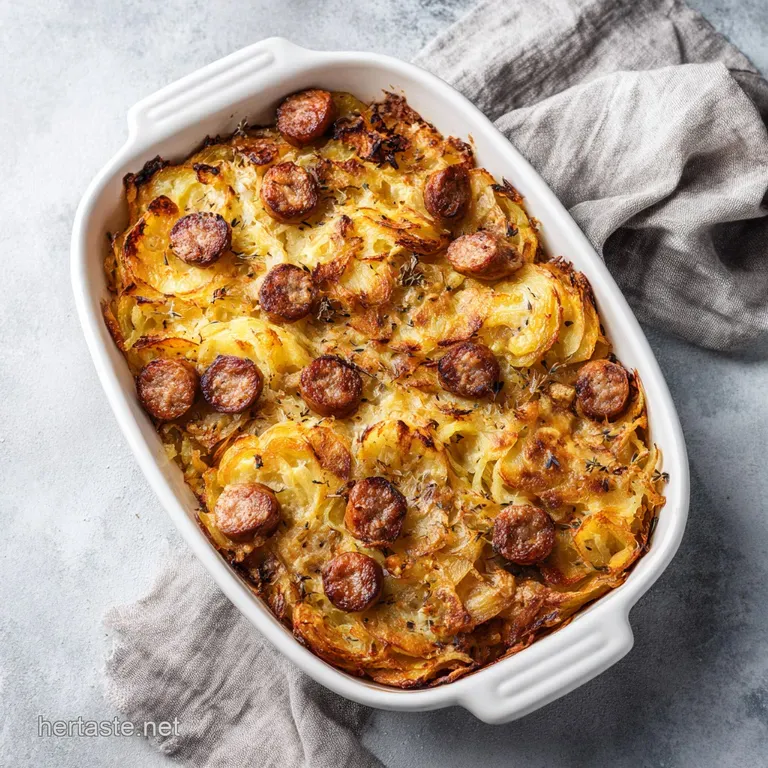
Now, let's get into the actual process. This is where we bring the sizzle and the crunch together. Pay close attention to the visual cues they are more important than the timer.
- Brown the sausage. Place the pork in a large cast iron skillet over medium high heat. Use a wooden spoon to break it into small, uniform crumbles until no pink remains and a deep mahogany sear develops.
- Sauté the vegetables. Add the diced yellow onion and red bell pepper directly into the skillet with the sausage. Sauté for 3-5 minutes until the vegetables are softened and the onions are translucent. Drain every drop of excess fat from the pan. Note: This prevents a greasy casserole.
- Prepare the custard. In a large mixing bowl, whisk the 12 eggs, whole milk, heavy cream, mustard powder, garlic powder, paprika, salt, and pepper until the mixture is completely homogenous and frothy.
- Layer the base. Grease your 9x13 dish. Spread exactly half of the shredded hash browns in an even layer on the bottom. Top this with the sausage and vegetable mixture.
- Add the first cheese layer. Sprinkle half of the shredded cheddar and Monterey Jack over the meat to act as a binder for the custard.
- Pour the liquid. Carefully pour the egg custard mixture over the layers, ensuring it reaches the corners of the dish.
- Create the crust. Top the liquid with the remaining hash browns and the rest of the cheese until the surface is completely covered.
- Bake or chill. Place in the oven at 375°F for 45 minutes until the top is golden brown and the center has a slight, stable jiggle.
- Rest before slicing. Let the casserole sit for at least 10 minutes to allow the custard to fully set.
- Garnish and serve. Sprinkle the sliced green onions over the top for a fresh, sharp finish.
If you want to serve this with something extra, it pairs beautifully with my English Muffins for a DIY breakfast sandwich experience. The soft muffin is the perfect vehicle for a thick, cheesy slice of this bake.
Solving Common Texture Issues
Even the most seasoned home cooks can run into trouble with egg dishes. The most common complaint is a "weeping" casserole, where water pools at the bottom of the dish after baking. This is almost always due to the vegetables releasing moisture or the eggs being overcooked.
Why Your Casserole Is Watery
This usually happens because the onions and peppers weren't sautéed long enough to release their internal water, or the hash browns were soaking wet when added. If you notice liquid at the bottom, try increasing the resting time by 5 minutes.
The starches in the potatoes will often reabsorb some of that moisture as the dish cools.
| Problem | Root Cause | Solution |
|---|---|---|
| Rubbery eggs | Oven temperature too high | Bake at 375°F and check for a slight jiggle in the center. |
| Greasy surface | Sausage fat not drained | Use a colander to drain meat/veg thoroughly before layering. |
| Soggy potatoes | Potatoes were too cold/wet | Pat thawed hash browns dry with a paper towel before using. |
Why Your Casserole Is Dry
If the edges are brown but the interior feels crumbly rather than creamy, you likely skipped the heavy cream or overbaked the dish. Eggs continue to cook even after you take them out of the oven due to carryover heat. Pull the dish when the center is just barely set; it will finish firming up on the counter.
Common Mistakes Checklist
- ✓ Drain the sausage and veg fat completely (prevents a "slick" of oil on top).
- ✓ Whisk the eggs until they are frothy (incorporates air for a lighter texture).
- ✓ Layer the potatoes on top AND bottom (provides structure and crunch).
- ✓ Let it rest for 10 full minutes before slicing (prevents the slices from falling apart).
- ✓ Don't use pre shredded cheese if possible (cellulose coating prevents a smooth melt).
Budget Friendly Recipe Adaptations
One of the best things about a Breakfast Casserole is how forgiving it is with substitutions. If you're looking to save a few dollars or just use what's in the fridge, there are plenty of ways to keep the quality high while swapping ingredients.
| Original Ingredient | Substitute | Why It Works |
|---|---|---|
| Pork Sausage | Ground Turkey + 1 tbsp oil | Similar texture but leaner. Note: Add 1 tsp sage to mimic breakfast flavor. |
| Red Bell Pepper | Canned Diced Green Chiles | Adds a mild heat and tang for a fraction of the price. |
| Sharp Cheddar | Shredded Mozzarella | Gives a neutral, gooey melt. Note: Add more salt to compensate for less flavor. |
The Tater Tot Swap
If hash browns aren't on sale, frozen tater tots are a fantastic alternative. They contain more starch and binder, which leads to an even crispier top layer. Just arrange them in a single, tight layer on top of the egg mixture. This is a huge hit with kids and adds a fun, nostalgic twist to the dish. For a different protein heavy morning, you might also enjoy my Sizzling Steak and Eggs, which offers a similar savory satisfaction.
The Meatless Morning
You can easily turn this into a vegetarian masterpiece by swapping the sausage for sautéed mushrooms or a plant based crumble. If using mushrooms, be sure to cook them until all their liquid has evaporated, or they will make the custard soggy.
Adding a splash of soy sauce to the mushrooms provides that "meaty" depth that you'd otherwise get from the pork.
Reheating and Storage Instructions
This casserole is a meal prep dream because the flavors continue to develop as it sits. However, reheating eggs can be tricky you want to warm them through without turning them into rubber pellets.
Storage: Once completely cooled, cover the dish tightly with foil or transfer slices to an airtight container. It will stay fresh in the refrigerator for up to 4 days.
Freezing: You can freeze the baked casserole for up to 2 months. Slice it into individual portions first, wrap each tightly in plastic wrap, and then place them in a freezer bag. To reheat from frozen, let it thaw in the fridge overnight before following the reheating steps.
Reheating: For the best texture, avoid the microwave if you have the time. Instead, place a slice in a toaster oven or a regular oven at 350°F (180°C) for 10-15 minutes.
This helps the potato crust regain some of its original "shatter" while gently warming the center. If you must use a microwave, cover the slice with a damp paper towel and use 50% power in 45 second intervals.
Zero Waste: Don't toss those onion and pepper scraps! Toss the ends and peels into a bag in your freezer for a future vegetable stock. If you have a small amount of leftover egg mixture that didn't fit in the dish, scramble it up for a quick "cook's snack" while the main event bakes.
Pairing Suggestions for Better Brunch
To make this Breakfast Casserole feel like a complete restaurant experience, think about contrasting textures and flavors. Since the casserole is rich, cheesy, and savory, it benefits from something bright and acidic on the side.
- Fresh Fruit Salad: A bowl of citrus segments or berries provides a necessary pop of acid that cleanses the palate between bites of rich egg and sausage.
- Hot Sauce Flight: Offer a few different types of heat a vinegar based sauce like Tabasco for tang, or a smoky chipotle sauce to echo the paprika in the bake.
- Greens: A simple arugula salad with a lemon vinaigrette might seem odd for breakfast, but it's an innovative way to add freshness to a heavy meal.
If you are hosting a larger gathering, consider serving this alongside a tray of French Butter Croissants. The flaky, buttery layers of the pastry complement the velvety texture of the eggs perfectly. It's about forging a menu that feels cohesive and intentional.
Kitchen Myths Debunked
There are a few "rules" floating around about breakfast bakes that simply don't hold up under scrutiny. Let's clear those up so you can cook with more freedom.
Myth: You must let it sit overnight. While the "overnight breakfast casserole" is a popular concept for convenience, it isn't strictly necessary for flavor. In fact, baking it immediately often results in a lighter, fluffier custard.
The overnight rest makes the dish denser and more unified in flavor, but if you're hungry now, just bake it. The difference is subtle.
Myth: Searing the sausage "seals in the juices." Searing doesn't seal anything; it's all about the Maillard reaction. We sear the sausage to create complex, savory flavor compounds that would otherwise be missing if we just boiled the meat in the egg mixture.
That "mahogany" color is where the depth of the dish truly lives.
Myth: Pre shredded cheese is just as good. Pre shredded cheese is coated in potato starch or cellulose to keep it from clumping in the bag. This coating prevents the cheese from melting into a smooth, cohesive layer.
For the best "velvety" finish, take the three minutes to grate a block of cheddar yourself. It's a small change that makes a massive difference in the final mouthfeel.

Recipe FAQs
What are the ingredients in a breakfast casserole?
This recipe features a blend of hearty proteins and aromatics. You will need 1 lb of bulk pork breakfast sausage, 30 oz of frozen shredded hash browns, one yellow onion, one red bell pepper, 12 large eggs, 1.5 cups whole milk, 0.5 cup heavy cream, and a blend of sharp cheddar and Monterey Jack cheeses
seasoned with dry mustard, garlic powder, smoked paprika, salt, and black pepper.
What is Jackie Kennedy's casserole?
This is a common misconception, as this recipe has no association with Jackie Kennedy. The dish relies on the classic combination of sausage, eggs, potatoes, and cheese listed in our official ingredients.
Why is it called John Wayne casserole?
This is a common misconception, as this dish is simply a traditional breakfast casserole. Recipes sharing that specific name typically feature a biscuit based crust, whereas this version focuses on a hash brown base for added texture; if you enjoy using biscuits as a base, see how the same principle works in our savory sausage muffins.
Should a breakfast casserole be baked, covered or uncovered?
Bake this casserole uncovered. Leaving it uncovered allows the top layer of hash browns and cheeses to develop a signature crispy crust while the egg custard sets perfectly underneath.
How to ensure the casserole slices cleanly without falling apart?
Rest the casserole for 10 full minutes after removing it from the oven. This resting period allows the egg custard to firm up and the fats to stabilize, ensuring clean, sharp edges when you slice into it.
How to keep the top from becoming greasy?
Drain the rendered fat from the skillet after sautéing the sausage and vegetables. Ensuring you remove the excess oil before assembling the layers prevents a greasy film from forming on the surface during the 45-minute bake at 375°F.
How to achieve a lighter texture in the egg base?
Whisk the eggs, milk, cream, and seasonings until the mixture is completely frothy. This mechanical aeration incorporates air bubbles into the custard, which prevents the final dish from becoming too dense or rubbery.
Sausage And Hash Brown Casserole

Ingredients:
Instructions:
Nutrition Facts:
| Calories | 401 kcal |
|---|---|
| Protein | 19.3 g |
| Fat | 25.2 g |
| Carbs | 16.4 g |
| Fiber | 1.6 g |
| Sugar | 2.1 g |
| Sodium | 655 mg |
