Roasted Tomato Soup with Cheddar Swirl a Deeply Flavorful Comfort
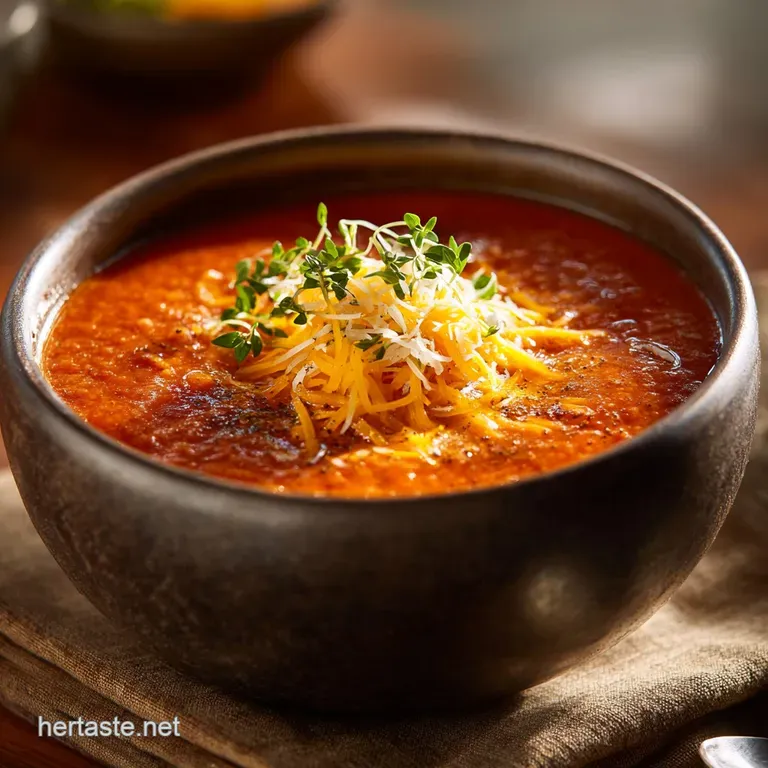
- Elevating the Classic: Why Slow Roasting Changes Everything
- Securing the Best Produce for Your Roasted Tomato Soup with Cheddar
- Essential Kitchen Tools for a Smooth and Velvety Finish
- Mastering the Roasting Process: Getting Maximum Flavor Out of Your Tomatoes
- Bringing It Together: The Final Simmer and Signature Cheddar Swirl
- Expert Tips and Troubleshooting for Your Homemade Soup
- Customizing Your Comfort: Variations and Topping Suggestions
- Recipe FAQs
- 📝 Recipe Card
Elevating the Classic: Why Slow Roasting Changes Everything
Look, we all know the tinned stuff. We grew up on it. It’s comforting, sure, but it tastes mostly of water, salt, and nostalgia. When I say we are making Roasted Tomato Soup with Cheddar, I mean we are ditching the memory of that pale orange liquid and jumping straight into the deep end of flavor.
Roasting is the secret sauce here. You are not just cooking the tomatoes; you are fundamentally changing their entire personality.
Think about a fresh tomato. It’s bright, acidic, watery. Now, think about sun and dried tomatoes. Intense, sweet, almost savory. Roasting takes us halfway there by concentrating the sugars and eliminating that excess moisture.
If you skip the roasting step and just boil them in stock, you end up with a decent, but ultimately flat, tomato broth. We want velvety, earthy depth. We want a soup that tastes like summer afternoons and cozy firesides all at once.
It takes maybe an extra hour of hands and off time, but I promise, the resulting Roasted Tomato Soup is worth waiting for.
The Flavor Science: How Caramelization Deepens Sweetness
This is where the magic happens, and it’s pretty simple science, really. When you expose those tomatoes and onions to high, dry heat for a long time (I like 400°F or 200°C), you trigger something called the Maillard reaction. That’s just a fancy term for browning and caramelization.
All those naturally occurring sugars in the tomato start to turn into deep, complex, savory and sweet compounds. We are literally building flavor on the sheet pan before the vegetables even touch the stock pot.
What happens to the acidity? It mellows out beautifully. The bright, sometimes harsh tang you get from raw tomatoes transforms into a soft, rounded, intense tomato flavor. You end up needing less added sugar later to balance the final dish, too, which is a win in my book.
The Essential Pairing: Understanding the Role of Sharp Cheddar
You cannot, under any circumstances, use mild cheddar here. You just can’t. Trust me. I once thought, "Oh, cheese is cheese." Big mistake. Mild cheese melts fine, but its flavor vanishes completely against the powerful backdrop of baked tomato soup with cheese.
We need something with backbone. We need mature or vintage cheddar. That sharp, slightly salty, almost nutty bite cuts through the richness of the cream and the sweetness of the roasted tomatoes perfectly. The goal isn’t to make it taste like cheesy goo.
The goal is a rich, warm, velvety soup where the cheddar provides a slight, luxurious tang right at the end of every spoonful. It elevates the dish from a simple Roasted Tomato Soup recipe to a full and on comfort meal.
Securing the Best Produce for Your Roasted Tomato Soup with Cheddar
The success of any simple dish rests entirely on the quality of its ingredients. Since tomatoes are 90% of the show here, don't skimp.
When shopping for the ultimate Roasted Tomato Soup, look for plum tomatoes (like Romas or San Marzano style). Why plum? They have a much lower water content than the big, juicy beefsteak varieties. Less water means more flesh, which means quicker concentration of flavor in the oven.
If you use big beefsteaks, they’ll essentially steam themselves on the sheet pan, and we don't want that kind of watery nonsense. We want shrivel, sizzle, and caramelization.
I try to buy mine on the vine if I can find them, just because they tend to be slightly riper and sweeter. And please, use proper onions and whole garlic. If you try to cheat and use pre and minced stuff, you’re missing the point of the slow roast.
The garlic, in particular, gets incredibly sweet and buttery under the skin.
Essential Kitchen Tools for a Smooth and Velvety Finish
You really don't need much. If you have an oven, a pot, and a way to blend, you are sorted. But let’s talk about the nuances of the equipment.
| Tool | Pro | Con |
|---|---|---|
| Immersion Blender | Easiest cleanup, can blend right in the pot. | Can sometimes leave small bits unblended. |
| Standard Blender | Achieves the smoothest, most velvety texture. | Mandatory safety steps; requires batch blending. |
Choosing Your Tomatoes: Plum vs. Beefsteak Varieties
As mentioned, plum tomatoes are the king for this specific recipe. They have fewer seeds and more meat. If you absolutely can't find good plums, cherry or grape tomatoes are an excellent, albeit more expensive, substitute. They roast beautifully and burst with sweetness.
Avoid the giant slicing tomatoes; they just have too much internal liquid and won't caramelize well.
Aromatics and Boosters: Building the Base Flavor Profile
We are keeping it simple: onion, garlic, and thyme.
A quick tip about the garlic, because I made this mistake early on and regretted scrubbing burnt, papery skins from my pan: Roast the garlic whole and unpeeled. Just separate the cloves, toss them onto the tray with everything else, and let the skins protect them.
When the roasting is done, the roasted garlic will squeeze out like butter, leaving behind the papery skin, and the flavor is unbelievable. It tastes roasted, not acrid.
Don't forget the olive oil. You need a generous coating. It helps conduct the heat, prevent sticking, and ensures those gorgeous edges get dark and crispy.
Blender vs. Immersion: Selecting the Right Blending Technique
I am loyal to my immersion blender (a stick blender) purely for the lack of mess. You just stick it in the pot and whir away. It's the least stressful route to a creamy roasted tomato soup consistency.
However, if you want that truly professional, silky and smooth restaurant and style finish, you need a high and speed countertop blender. If you go this route, heed this crucial warning:
CRITICAL WARNING: When blending hot liquids in a standard blender, steam builds up rapidly. Never seal the lid completely. Always remove the small central cap, place a folded kitchen towel securely over the hole, and hold it down firmly while blending.
If you seal it, the lid will blow off, coating your kitchen (and yourself) in hot, acidic soup. Trust me, I learned this the hard way.
Related Recipes Worth Trying
- Creamy Chicken Tortilla Soup Rich Smoky and Easy Weeknight Comfort — This Creamy Chicken Tortilla Soup is the ultimate comfort dish We use cream cheese to make a velvety hearty basefar better than watery versions Try this...
- Carrot Cookies with Orange Icing Soft Chewy Spiced Teatime Cookies — Make the Best Carrot Cookies with Orange Icing featuring a soft chewy texture reminiscent of carrot cake This old fashioned carrot cookie recipe is crowned...
- Spinach Tomato Fresh Mozzarella Pasta Salad The Easy Summer Caprese Dish — This Spinach Tomato Fresh Mozzarella Pasta Salad is your ultimate Easy Cold Pasta Salad It combines fresh ingredients with a tangy red wine vinaigrette for...
Mastering the Roasting Process: Getting Maximum Flavor Out of Your Tomatoes
Right then, let's get those veggies sizzling.
Preheat the oven to a solid 400°F (200°C). Don't go lower. You need dry heat, not steaming heat.
Halve the tomatoes. Quarter the onion. Separate the garlic. Toss it all onto a baking sheet (or two, if you have 4.5 lbs of tomatoes; don't overcrowd the pan!). Drizzle on the olive oil. Use the salt, pepper, and dried thyme. Toss it with your hands until every piece is glistening. This is tactile.
You must ensure they are all coated.
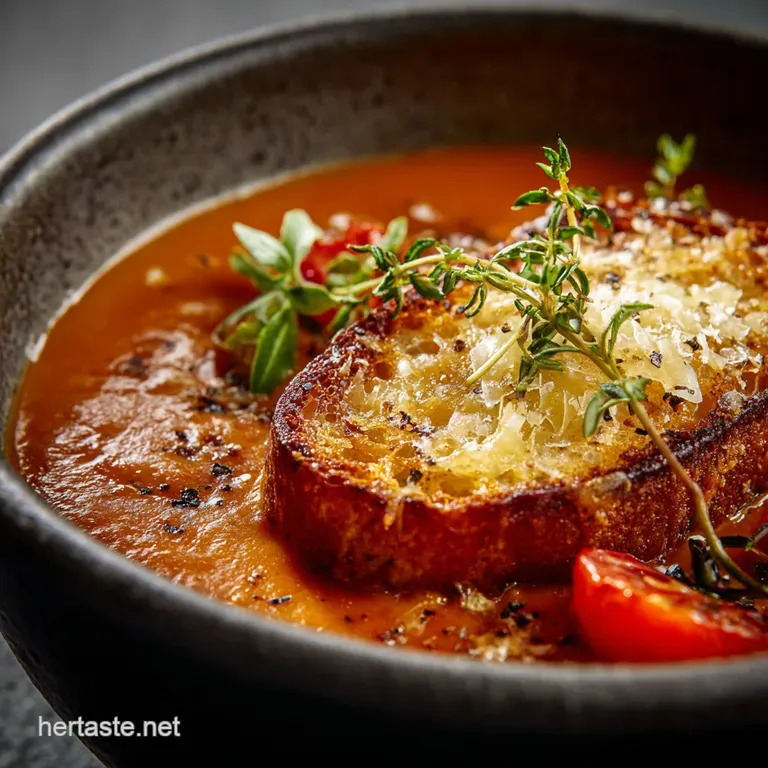
Roast for 45 to 55 minutes. Check them halfway. If one pan is browning faster, swap their positions. You are looking for shriveled skins, soft centers, and darkened, sticky, caramelized bits around the edges of the pan. That brown stuff? That is the gold.
Bringing It Together: The Final Simmer and Signature Cheddar Swirl
Once the roasting is done, the hard work is over. The rest is assembly.
Prep and Seasoning: Setting Up the Perfect Sheet Pan
Before roasting, make sure your sheet pan is robust. Parchment paper is optional, but it makes cleanup a dream, especially since the tomato juices get sticky when they caramelize. If you skip parchment, just make sure you oil the pan really well.
Timing the Oven: Visual Cues for Ideal Caramelization
How do you know when they are done? The edges of the onions should be slightly crispy, and the tomatoes should have reduced by about a third in size. If they still look plump and watery, give them another ten minutes. The longer they go, the more flavor they develop.
Once they are done, squeeze that gorgeous, soft, roasted garlic out of its casing and scrape everything (all the oil, all the brown bits) into your soup pot.
Achieving the Perfect Consistency for Creamy Roasted Tomato Soup with Cheddar
I like my soup substantial, but not stew and thick. I start by making a very quick roux (butter and flour) in the bottom of the pot. This gives the soup a lovely, silky body that prevents the cream from separating later.
After blending the roasted vegetables with the stock, the texture will be quite liquid. The final consistency comes from the cream (or whole milk) and the mature cheddar. Add the cream and bring it back up to a gentle heat, letting it warm through for five minutes.
Crucial tip for the cheddar: Turn off the heat before you add the cheese. Dairy is sensitive. If you boil it, the cheese will seize up and turn gritty. We want smooth velvet!
Remove the pot from the heat, drop in the handfuls of grated cheddar, stir until it melts into a homogenous, gorgeous swirl, and then you can adjust your seasonings. This is the difference between cheese soup and Roasted Tomato Soup with Cheddar.
Expert Tips and Troubleshooting for Your Homemade Soup
Here are the things I learned after making this recipe approximately a hundred times:
- Don't Skimp on the Oil: Olive oil helps the caramelization process, but more importantly, it forms an emulsifying base for the final soup.
- Use Good Stock: Since you’re using low and sodium stock, the flavour is totally up to you. If you use poor quality, watery stock, your final soup will taste like it. I prefer vegetable stock here, as chicken stock can sometimes overpower the fresh tomato flavor.
- The Sugar Balance: Tomatoes, even roasted ones, are acidic. A teaspoon of sugar added during the simmer stage is a flavor enhancer, not a sweetener. It just smooths out the rough edges.
- Blending Temperature: While blending, make sure the mixture is hot (or at least very warm). Cold soup tends to split when you add hot dairy.
Customizing Your Comfort: Variations and Topping Suggestions
This Roasted Tomato Soup recipe is brilliant on its own, but sometimes you need a little pizzazz.
Dealing with Acidity: Balancing the Final Flavor
If, after the final simmer, you taste the soup and it still feels too bright or sharp (this can happen if your tomatoes weren't super ripe), you have a few options:
- Add a small pinch more sugar.
- Add a small splash of heavy cream. Fat cuts acidity beautifully.
- A tiny bit (no more than 1 tsp) of balsamic vinegar, added at the very end, paradoxically deepens the sweet and acid balance rather than making it sour.
Reheating and Storage: Keeping the Soup Fresh
This soup keeps beautifully in the fridge for up to 4 days. When reheating, do it gently on the stovetop over low heat. If you reheat it too quickly, the fat and liquid can separate (especially because of the cheese content).
If it looks a little separated, just hit it quickly with an immersion blender for 10 seconds to bring it back together. It also freezes well, but if you plan to freeze it, I suggest adding the cream and cheddar after thawing and reheating, right before serving, for the best texture.
Making It Dairy and Free: Substitutions That Maintain Creaminess
Want to skip the dairy? No problem. For richness, use high and quality, full and fat canned coconut milk (not the drinking kind!). It adds a beautiful creaminess without a huge coconut flavor. For the cheesy tang, stir in 2 to 3 tablespoons of nutritional yeast after blending. It’s brilliant.
What to Serve Alongside: The Ultimate Dipping Companions
Is there any question? You absolutely must serve this with some form of cheese toastie. It’s the law.
- The Classic Dip: A grilled cheese made with thick sourdough bread and the same mature cheddar you swirled into the soup. This creates the ultimate, iconic Soup And Sandwich moment.
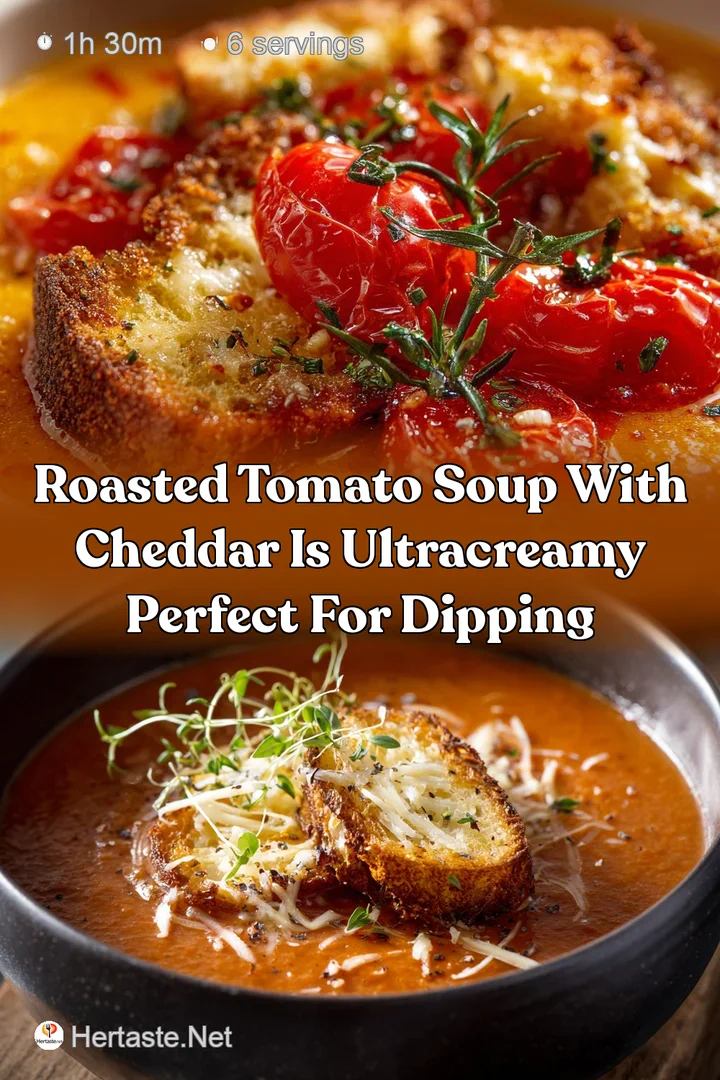
- Garnish: My favorite garnish for Roasted Tomato Soup with Cheddar is either fresh basil or, even better, making quick brown sugar and roasted tomato soup with cheddar croutons (bake small cubes of bread tossed in oil, sprinkle with salt and cheddar, bake until crispy).
- Other options: A simple scattering of chopped chives, or maybe a tiny drizzle of quality olive oil and a few cracks of black pepper. Perfection.
Recipe FAQs
Old fashioned roasted tomato soup with cheddar
Ensure the head of garlic is roasted unpeeled; this steam roasting process caramelizes the cloves, giving them a sweet, mellow flavor essential for the soup's depth. Once slightly cooled, simply squeeze the softened garlic flesh directly from the skin into your Dutch oven, discarding the peels before you begin simmering.
For storage, freeze the soup base (prior to adding the cream and cheddar swirl) for up to three months, incorporating the dairy only upon reheating.
Simple roasted tomato soup with cheddar
This deeply flavored soup is an excellent candidate for batch cooking and freezing. After blending, allow the soup to cool completely and store it airtight for up to three months. To maintain the luxurious texture and avoid any curdling, always freeze the soup before stirring in the final double cream and sharp cheddar swirl; incorporate those fresh components only during the reheating process.
Easy roasted tomato soup with cheddar
Maximize the caramelization of your tomatoes by ensuring they are spread in a single layer, allowing them to brown beautifully. For an equally savory finish, you may substitute the mature cheddar with sharp Gruyère or a good quality aged Parmesan, stirring it in off the heat.
This soup is excellent for meal prepping; store leftovers in the refrigerator for up to four days or freeze them securely for up to three months.
Roasted tomato soup Jamie Oliver
This soup freezes beautifully for up to three months; however, to maintain the creamy, luxurious texture, freeze the base before adding the double cream and sharp cheddar. Ensure the roasted garlic is thoroughly squeezed from its skins before blending, as this step is crucial for the sweet, buttery depth that defines the soup's robust flavor.
Should you prefer a richer, silky finish without the cheddar, substitute half a cup of mascarpone cheese for the cheddar swirl just before serving.
Roasted Tomato Soup With Cheddar Swirl
Ingredients:
Instructions:
Nutrition Facts:
| Calories | 340 kcal |
|---|---|
| Fat | 22 g |
| Fiber | 5 g |
