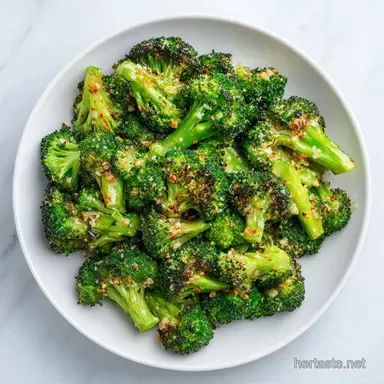
Roasted Broccoli at 425: Crispy and Charred
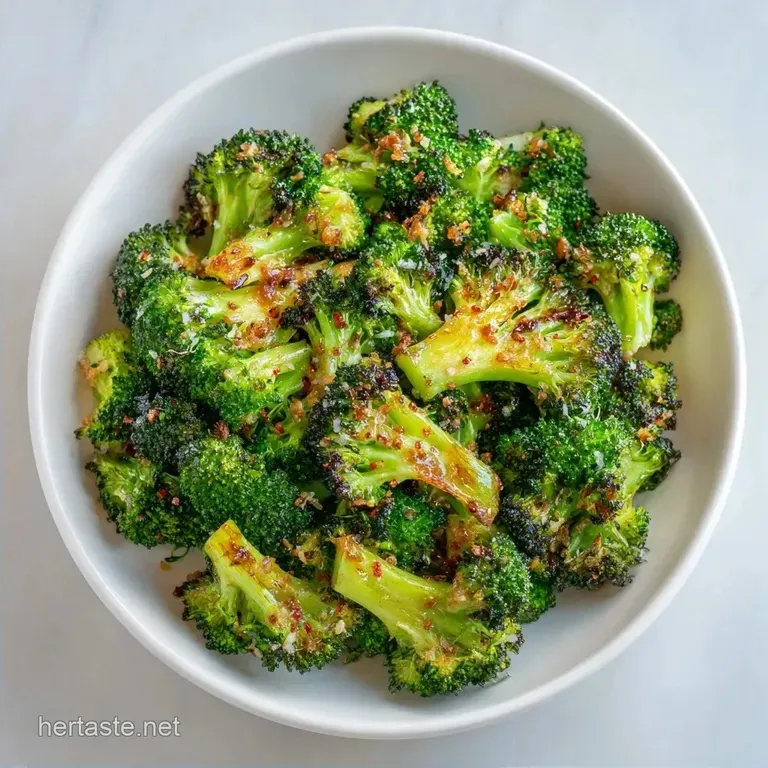
- Time: 5 min active + 20 min roasting
- Flavor/Texture Hook: Charred, mahogany edges with a salty Parmesan punch
- Perfect for: A fast weeknight side that actually tastes like a restaurant dish
That specific scent hits you the second you open the oven door, a mix of toasted nuts and something slightly smoky. It's a far cry from the sulfurous smell of boiled broccoli that used to make me dread the vegetable as a kid.
For me, the obsession started when I stopped treating broccoli like a steamed side and started treating it like a steak.
I used to make the mistake of roasting at 350 or 375 because I was afraid of burning the tops. All that did was dry out the vegetable and leave it limp. When I finally tried Roasted Broccoli at 425, everything shifted. The high heat creates a crisp, almost fried texture on the outside that holds up against the lemon and cheese.
You can expect a side dish that isn't just "healthy," but something you'll actually crave. We're going for those dark, mahogany brown tips that taste sweet and concentrated. It's a simple process, but there are a few small tweaks that keep it from becoming a soggy mess.
What Nobody Tells You
The real secret isn't just the heat, it's the pan. Most people put their vegetables on a cold tray and slide it into the oven. This causes the broccoli to sit in its own moisture for the first five minutes, essentially steaming it before it ever starts to roast.
By preheating the baking sheet, the broccoli sizzles the moment it touches the metal. This instant sear locks in the structure and jumpstarts the browning process.
Another thing that gets ignored is the cut. If your florets are all different sizes, the small ones will turn to charcoal while the big ones are still raw in the center. I spend an extra minute making sure every piece is roughly the same size.
It feels tedious, but it's the difference between a consistent crunch and a mixed bag of textures.
Finally, don't be afraid of the "char." Those black edges aren't burnt in a bad way, they are where the flavor lives. That's the natural sugars in the broccoli caramelizing. If you pull them out the second they turn yellow, you're missing out on the best part of the dish.
Recipe Specs
- Heat Management
- High temperatures rapidly evaporate surface moisture, allowing the oil to fry the edges of the florets.
- Surface Area
- Cutting florets into bite sized pieces increases the contact points with the hot pan and air.
- Fat Distribution
- Oil acts as the heat conductor, transferring the oven's energy directly into the plant fibers.
- Acid Balance
- Lemon juice added at the end cuts through the richness of the olive oil and the saltiness of the cheese.
| Fresh Broccoli | Frozen Broccoli | Impact on Result | Savings |
|---|---|---|---|
| Crisp, snappy stems | Softer texture | Higher moisture, less char | Low |
| Bright green color | Dull green/grey | Tastes more "cooked" | Medium |
| Better "shatter" | More tender | Harder to get crispy edges | Low |
Ingredient Deep Dive
| Ingredient | Science Role | Pro Secret |
|---|---|---|
| Olive Oil | Heat Conductor | Use a high smoke point EVOO for a cleaner taste |
| Garlic Powder | Flavor Base | Powder sticks better than fresh garlic, which burns at 425 |
| Parmesan | Salty Crust | Grate it fresh for a melt that doesn't clump |
| Lemon Juice | Brightener | Adds a sharp contrast to the toasted, nutty notes |
Equipment Needed
You don't need a fancy kitchen to make this happen, but a few things make it easier. A large, rimmed baking sheet is mandatory. The rim prevents the oil from dripping onto your oven floor and causing a smoke show. If you have a convection setting, use it, as the moving air helps dry out the florets faster.
I also recommend a large mixing bowl. Trying to season the broccoli directly on the pan usually leads to uneven coating, meaning some pieces get burnt and others stay bland. Toss them in a bowl first to ensure every single nook and cranny of the floret is coated in oil and spices.
Bringing It Together
The Arsenal
- 450g (1 lb) broccoli florets, cut into uniform bite sized pieces Why this? Uniform size ensures even cooking
- 30ml (2 tbsp) extra virgin olive oil Why this? Essential for the over high heat sear
- 3g (1/2 tsp) kosher salt Why this? Draws out moisture for better browning
- 1g (1/4 tsp) freshly cracked black pepper Why this? Adds a subtle, woody heat
- 1g (1/4 tsp) garlic powder Why this? Provides savory depth without burning
- 25g (1/4 cup) freshly grated Parmesan cheese Why this? Adds a salty, umami crust
- 5ml (1 tsp) fresh lemon juice Why this? Cuts through the fat and brightens the dish
Step-by-step Process
- Preheat your oven to 425°F (220°C). Place a large rimmed baking sheet inside the oven while it preheats Note: This ensures the pan is searing hot.
- In a large mixing bowl, toss the dry broccoli florets with olive oil, salt, pepper, and garlic powder until evenly coated.
- Carefully remove the hot baking sheet from the oven. Spread the broccoli in a single layer, ensuring at least an inch of space between florets Note: Overcrowding leads to steaming, not roasting.
- Roast for 16-20 minutes until the edges are mahogany brown and charred.
- Remove the pan from the oven.
- Immediately sprinkle the grated Parmesan cheese over the hot broccoli.
- Squeeze the fresh lemon juice evenly over the tray.
- Toss gently with a spatula to combine the cheese and lemon before serving.
How to Fix Common Problems
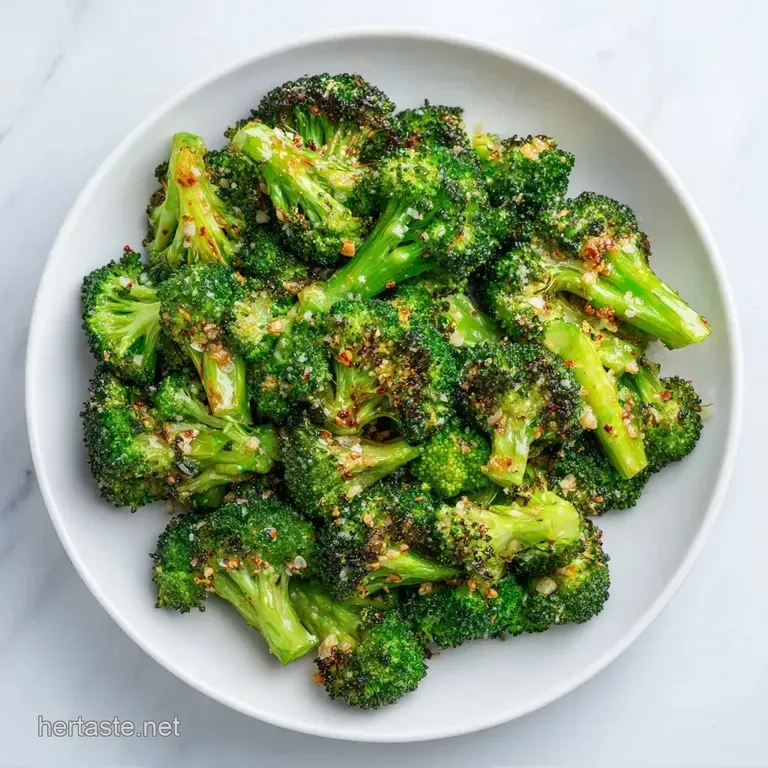
Troubleshooting Common Issues
| Issue | Solution |
|---|---|
| Why Your Broccoli Is Soggy | This usually happens because of too much moisture or too many vegetables on one tray. If the florets are touching, they release steam that gets trapped, turning your roast into a boil. |
| Why The Tips Burn Too Fast | If the florets are too small or the oven has a hot spot, the tips can go from mahogany to black in seconds. |
| Why The Cheese Clumps | Pre shredded cheese is coated in potato starch or cellulose to keep it from sticking in the bag. This prevents it from melting smoothly into the broccoli. |
Common Mistakes Checklist
- ✓ Did you preheat the pan? (Cold pans = soggy broccoli)
- ✓ Is there space between florets? (No touching allowed)
- ✓ Are the pieces the same size? (Prevents uneven cooking)
- ✓ Did you use a dry towel to dry the broccoli after washing? (Water is the enemy of the char)
- ✓ Did you add the lemon juice after roasting? (Adding it before can hinder browning)
Creative Twists and Swaps
If you want to shake things up, you can easily add other vegetables to the mix. Adding roasted broccoli and onions is a personal favorite of mine. Just slice a red onion into thick wedges and toss them in with the broccoli. They'll caramelize at a similar rate and add a lovely sweetness.
For those avoiding dairy, you can swap the Parmesan for nutritional yeast. It provides a similar nutty, cheesy flavor without the milk products. If you're looking for more heat, a pinch of red pepper flakes added during the tossing phase works wonders.
I've also found that adding a teaspoon of maple syrup to the oil mixture creates a glaze that pairs beautifully with the lemon. It turns the dish into something slightly more "gastropub" and less "side dish." If you love this flavor profile, you might also enjoy my Garlic Parmesan Chicken which uses similar savory notes.
| If you want... | Do this... | Result |
|---|---|---|
| More Crunch | Use a wire rack | Air circulates under the florets |
| Spicy Kick | Add 1/2 tsp red pepper flakes | Warm, tingling heat |
| Vegan Version | Swap Parmesan for Nutritional Yeast | Nutty, cheese like flavor |
Common Misconceptions
One big myth is that roasting at such high heat destroys all the nutrients. While some Vitamin C is lost to heat, the fact that most people actually enjoy eating the vegetable means you're getting far more nutrition than if you left the steamed broccoli to rot in the fridge.
Another misconception is that you have to peel the stems. The stems are actually the sweetest part of the plant. As long as you peel the tough, woody outer skin with a vegetable peeler, the inside of the stem roasts up just as well as the florets.
Storage & Reheating
Store any leftovers in an airtight container in the fridge for up to 4 days. The broccoli will lose some of its crunch, but the flavor remains. For the best results, avoid the microwave when reheating. Microwaves add moisture, which will make the broccoli soggy again.
Instead, pop the leftovers back into a 400°F (200°C) oven or an air fryer for 3-5 minutes. This brings back the crispness and wakes up the Parmesan.
I don't recommend freezing roasted broccoli, as the cell structure breaks down during the freeze thaw cycle, leaving you with a mushy texture.
To keep things zero waste, don't throw away the broccoli stems. Peel them, dice them small, and sauté them into a morning omelet or blend them into a pesto. They have a mild, sweet flavor that's often better than the florets themselves.
Serving Suggestions
This Roasted Broccoli at 425 is versatile enough to fit almost any meal. It's a great pairing for a lean protein like grilled salmon or a roasted chicken breast. If you're looking for a full vegetarian meal, I suggest serving it alongside a creamy pasta. My Broccoli Pasta recipe is a great way to use up more of your produce.
For a more rustic approach, serve the roasted broccoli on a platter with a dollop of Greek yogurt or a drizzle of tahini. The coolness of the dip contrasts the heat of the charred edges.
If you're hosting a dinner, this dish works perfectly as part of a sheet pan meal where you roast the meat and veg together (just be sure to add the broccoli later since it cooks faster than most meats).
Ultimately, Roasted Broccoli at 425 is about trusting the heat. Don't be afraid of the oven, don't crowd the pan, and definitely don't skip the lemon juice. Once you see those mahogany edges, you'll never go back to steaming again.
Recipe FAQs
Is 425°F too hot for broccoli?
No, 425°F is the ideal temperature. This high heat triggers the Maillard reaction, creating mahogany brown charred edges without overcooking the stems.
How long does broccoli take in a 400 or 450 degree oven?
Stick to 425°F for 16-20 minutes. Lower temperatures like 400°F often steam the broccoli instead of roasting it, while 450°F can burn the delicate tips too quickly.
Can I use frozen broccoli?
No, use fresh florets. Frozen broccoli releases excess moisture during roasting, which leads to a mushy texture rather than a crisp char.
Why is my roasted broccoli mushy?
You likely overcrowded the baking sheet. When florets touch, they release steam that traps moisture on the tray; ensure at least an inch of space between pieces for proper roasting.
How do I make it more flavorful without adding a lot of extra ingredients?
Squeeze fresh lemon juice over the florets and sprinkle with Parmesan cheese immediately after they leave the oven. This adds bright acidity and saltiness using the existing ingredients.
How to roast broccoli?
Preheat your oven and baking sheet to 425°F. Toss florets with olive oil, salt, pepper, and garlic powder, then roast in a single layer for 16-20 minutes.
What is the best way to serve this roasted broccoli?
Serve it immediately while the cheese is melted. This charred side dish pairs perfectly with a protein like garlic chicken breast for a balanced meal.
Roasted Broccoli At 425