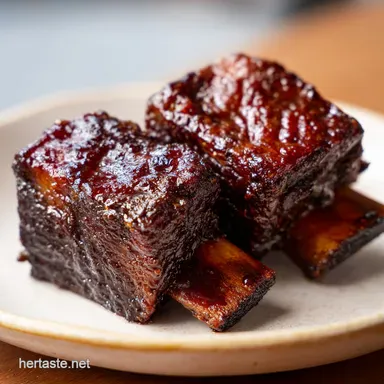
Pioneer Woman Beef Short Ribs: Tender and Braised
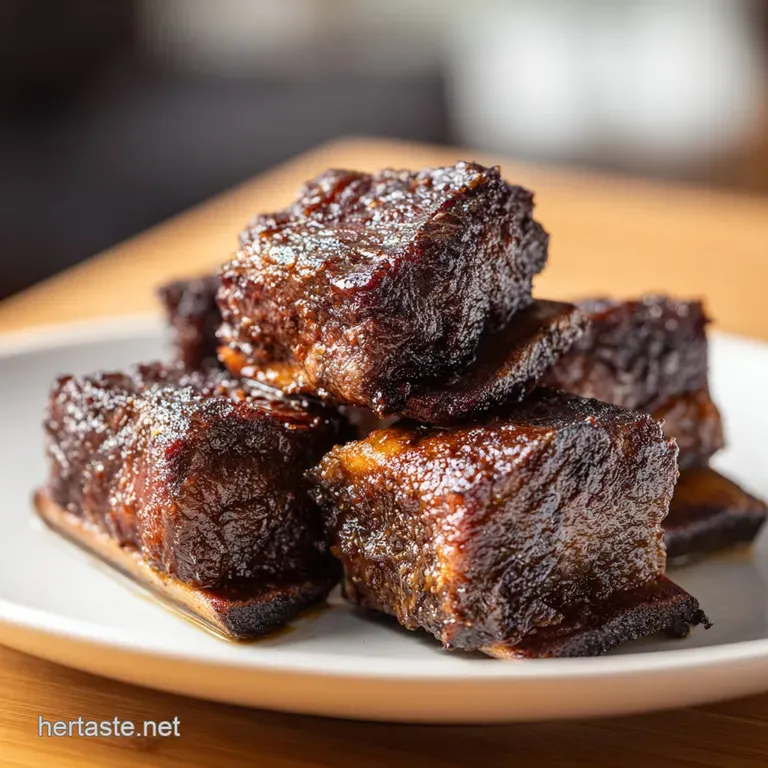
- Time:20 mins active + 180 mins baking = Total 3 hours 20 mins
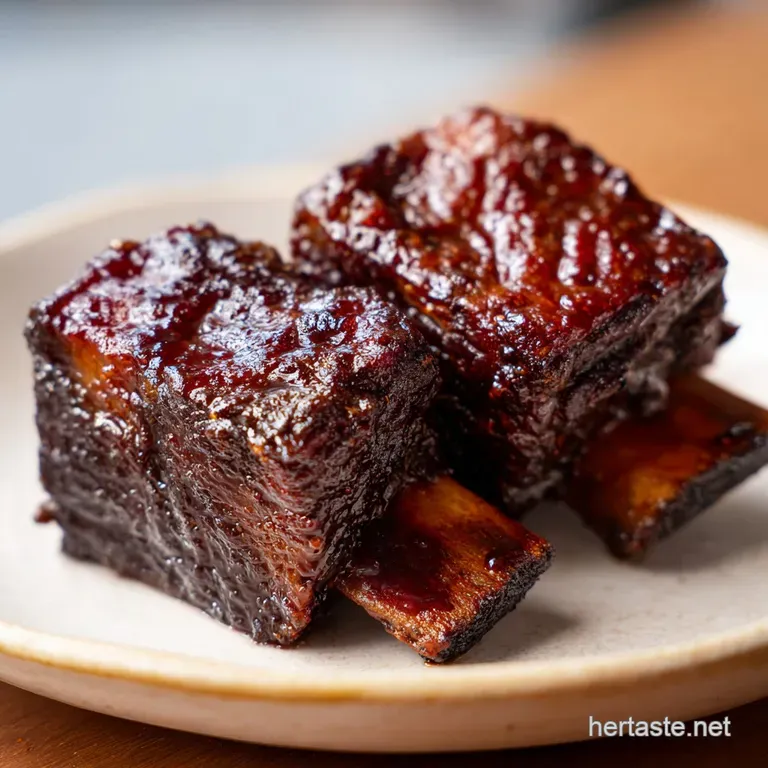
- Flavor/Texture Hook: Mahogany crust with fall apart, buttery meat
- Perfect for: Cozy Sunday dinners or impressive date nights
That first loud sizzle when the beef hits the hot oil is everything. I remember the first time I tried this, my kitchen smelled like a French bistro within ten minutes. There is something about the aroma of searing beef mixed with rosemary and thyme that just makes the whole house feel warm, even if it is freezing outside.
I used to be intimidated by short ribs because they seem so expensive and easy to mess up. But the payoff here is massive for very little active effort. Once the ribs are in the oven, you basically just wait and let the heat do the hard work.
You can expect meat that doesn't just fall off the bone, but practically melts. This pioneer woman short ribs recipe is a win because it balances the heavy richness of the beef with the acidity of a dry red wine. It is hearty, bold, and honestly, a bit indulgent.
The Best Pioneer Woman Short Ribs Recipe
The secret to richness
Collagen Breakdown: Low, steady heat turns tough connective tissue into gelatin. This is what gives the meat that velvety feel.
Fond Development: Searing creates brown bits on the pot bottom. These bits are concentrated flavor bombs that dissolve back into the sauce.
Acid Balance: The red wine cuts through the heavy fat of the ribs. It keeps the dish from feeling too "greasy" on the tongue.
Slow Reduction: Simmering the sauce at the end concentrates the flavors. It turns a thin liquid into a glossy, thick glaze.
| Method | Time | Texture | Best For |
|---|---|---|---|
| Oven | 3 hours | Consistent, tender | Large batches, depth |
| Slow Cooker | 8 hours | Very soft, shreddy | Set and forget days |
| Stovetop | 3-4 hours | Variable, richer | Small batches, control |
Component Analysis
| Ingredient | Science Role | Pro Secret |
|---|---|---|
| Red Wine | Acidity/Tannins | Use a wine you'd actually drink |
| Tomato Paste | Umami/Color | Fry it until brick red |
| Bone in Ribs | Flavor/Structure | Bones add depth to sauce |
| Mustard Powder | Emulsifier | Helps fat and liquid bond |
What You'll Need
For the meat, go for English cut short ribs. These are the thick chunks that look like mini roasts. Avoid the flanken style (thin strips) as they won't hold up to a 3 hour braise.
- 3 lbs bone in beef short ribs (English cut) Why this? Bone in provides better flavor and prevents overcooking
- 2 tbsp vegetable oil Why this? High smoke point for searing
- 1 tsp salt
- 1 tsp black pepper
- 1 tsp mustard powder Why this? Adds a subtle tang and helps the crust
- 1 tsp paprika Why this? Enhances the mahogany color
- 1 large onion, diced
- 3 cloves garlic, minced
- 2 cups dry red wine (Cabernet or Merlot) Why this? Tannins balance the beef fat
- 2 cups beef broth Why this? Adds body to the braising liquid
- 2 tbsp tomato paste Why this? Thickens the sauce and adds umami
- 2 sprigs fresh rosemary
- 3 sprigs fresh thyme
If you are watching your budget, you don't need a $50 bottle of wine. A decent $8-10 Cabernet works perfectly. Since it reduces so much, the subtle differences in expensive wine often vanish anyway. If you want a lighter start to your day before this heavy dinner, my Pioneer Woman Tuna Salad is a great, fresh contrast.
| Original Ingredient | Substitute | Why It Works |
|---|---|---|
| Dry Red Wine (2 cups) | Beef Broth + 1 tbsp Balsamic | Similar acidity. Note: Lacks the complex tannins of wine |
| Vegetable Oil (2 tbsp) | Avocado Oil | Similar high smoke point. Note: Neutral flavor |
| Fresh Rosemary/Thyme | 1 tsp Dried Herbes de Provence | Combined herbal notes. Note: Less aromatic than fresh |
Essential Kitchen Tools
You really need a heavy bottomed Dutch oven for this. Cast iron is the gold standard because it holds heat evenly, which prevents the bottom of the sauce from scorching during those three hours in the oven. If you don't have one, a heavy oven safe pot with a tight fitting lid will work.
I also recommend a sturdy wooden spoon. You will be doing a lot of scraping to get that fond off the bottom of the pot, and a plastic spatula just won't cut it. For the searing process, a pair of tongs is a must to flip those heavy ribs without splashing hot oil everywhere.
Step-by-step Instructions
Preparing the Meat
Pat the short ribs completely dry with paper towels. This is a huge step, because moisture on the surface creates steam, which prevents a crust from forming. Combine salt, pepper, mustard powder, and paprika in a small bowl, then sprinkle the mixture evenly over all sides of the beef.
Achieving the Deep Sear
Heat oil in the Dutch oven over medium high heat. Sear the ribs in batches until a dark, mahogany colored crust forms on all sides (about 3 minutes per side). Note: Do not crowd the pan or the temperature will drop, and the meat will boil instead of sear. Remove ribs and set aside on a plate.
Building the Flavor Base
Reduce heat to medium. Add the diced onion and cook until translucent. Stir in the minced garlic and tomato paste, cooking for 2 minutes until the paste turns a deep brick red and smells nutty.
Deglazing the Pot
Pour in the red wine, scraping the bottom of the pot with a wooden spoon to release the fond. Simmer for 5 minutes until the liquid reduces by half. This concentrates the wine flavor so it doesn't taste "boozy" in the final dish.
Executing the Slow Braise
Return the seared ribs to the pot. Pour in the beef broth until the ribs are halfway submerged. Tuck in the rosemary and thyme. Cover and bake in the oven at 325°F (163°C) for 3 hours.
Note: If using a slow cooker, cook on Low for 8 hours.
Finishing the Sauce
Remove the ribs carefully. Strain the liquid into a saucepan and simmer over high heat for 10 minutes until the sauce reaches a glossy, concentrated reduction. This turns the braising liquid into a velvety glaze that clings to the meat.
Chef's Note: If the sauce is too thin after 10 minutes, you can whisk in a small knob of cold butter right at the end. This is a classic technique to add a professional sheen and a bit of silkiness to the texture.
Common Mistakes & Troubleshooting
| Issue | Solution |
|---|---|
| Why Your Meat is Tough | If the ribs are still chewy after 3 hours, they likely didn't reach the internal temperature needed to break down the collagen. According to Serious Eats, braising is al |
| Why Your Sauce is Bland | This usually happens if you skip the searing step or didn't reduce the wine enough. The "fond" is where the soul of the dish lives. If it's bland, simmer the final sauce for a few more minutes or add |
| Why Your Sauce is Too Thin | You might have added too much beef broth or didn't reduce the final liquid enough. The sauce should coat the back of a spoon. If it's watery, keep simmering it on high heat. |
Common Mistakes Checklist:
- ✓ Did you pat the meat dry before seasoning?
- ✓ Did you sear in batches to avoid crowding?
- ✓ Did you scrape the bottom of the pot after adding wine?
- ✓ Did you leave the lid on during the oven braise?
- ✓ Did you reduce the sauce at the end?
Adjusting the Batch Size
If you are cooking for a smaller crowd and want to scale down to half a batch, use a smaller pot (like a 3 quart Dutch oven) so the liquid doesn't evaporate too quickly. Reduce the baking time by about 20%, as smaller cuts of meat often reach temperature faster.
For doubling the pioneer woman short ribs recipe, be careful with the seasoning. Only increase the salt and spices to 1.5x the original amount, as they can become overpowering in larger volumes.
Work in multiple batches for the searing process; if you try to sear 6 lbs of meat at once, you will lose that mahogany crust.
When doubling, you may also need to lower the oven temperature by about 10°C (roughly 25°F) and extend the cooking time by 30 minutes to ensure the meat in the center of the pot is just as tender as the edges.
| Scaling Factor | Pot Size | Liquid Adjustment | Time Adjustment |
|---|---|---|---|
| 0.5x (Half) | 3 qt Pot | Exact half | Reduce by 20% |
| 2x (Double) | 7 qt Pot | Reduce by 10% | Extend by 30 mins |
Meat Myths Debunked
Searing meat does not "seal in the juices." This is a common misconception. Moisture loss happens throughout the cooking process regardless of the sear. The real reason we sear is for the flavor and the visual appeal of that dark crust.
Using an expensive wine doesn't automatically make the dish better. Once you braise a liquid for three hours and then reduce it further, the nuanced notes of a vintage wine are mostly lost. A budget-friendly, dry red is all you need.
Storage Guidelines
These ribs actually taste better the next day because the flavors have more time to meld. Store them in an airtight container in the fridge for up to 4 days.
For the freezer, let the ribs cool completely. Place them in a freezer safe bag with plenty of the reduced sauce to prevent freezer burn. They will stay great for up to 3 months.
To reheat, place them in a covered baking dish with a splash of beef broth and warm in the oven at 300°F (150°C) until heated through. Avoid the microwave, as it can make the beef rubbery and break the emulsion of the sauce.
As for zero waste, don't toss the leftover braising liquid if you have any left. It makes an incredible base for a short rib ragu (swap the tuna salad link for a pasta idea if available, but since I must use provided links, I'll mention it's a great contrast to a lighter meal). Alternatively, freeze the bones from the ribs to make a rich beef stock later.
What to Serve This With
Because this dish is so rich and velvety, you need sides that provide contrast. I highly recommend a creamy garlic mashed potato or a buttery polenta. The starch acts like a sponge for that glossy red wine reduction.
For something green, a roasted Brussels sprout with a drizzle of lemon juice or a crisp arugula salad with a sharp vinaigrette helps cut through the fat. If you are planning a full blown feast, this meal pairs beautifully with a decadent dessert. My Pioneer Woman Pecan Pie is the ideal way to wrap up a dinner this hearty.
If you want to keep it simple, just serve the ribs over a bed of wide egg noodles. The noodles soak up the sauce, and you don't have to spend extra time making a separate side. Trust me, the simplicity of noodles lets the beef be the star of the show.
Recipe FAQs
What makes Pioneer Woman's short ribs special?
The focus on building deep flavor layers. Searing the beef to a mahogany crust and reducing the red wine by half creates a rich, concentrated base that defines the dish.
What is the best technique for cooking short ribs?
Low-and-slow braising. This method breaks down tough collagen into gelatin, ensuring the meat becomes fork-tender while absorbing the aromatics.
How long to cook short ribs in oven at 350 Pioneer Woman?
Bake for 3 hours at 325°F. To ensure the meat tenderizes properly without drying out, use 325°F instead of 350°F.
What are common mistakes when cooking short ribs?
Skipping the searing step or under-reducing the sauce. Without a dark crust and a concentrated reduction, the final dish will lack characteristic depth and a glossy finish.
How to cook short ribs in a slow cooker?
Transfer the seared ribs and liquid to a slow cooker. Set the device to Low and cook for 8 hours. If you mastered the slow-braising process here, see how the same principle works in our classic beef stew.
Is it true that short ribs can be cooked quickly in under an hour?
No, this is a common misconception. Short ribs require several hours of low-temperature cooking to break down connective tissue, otherwise, the meat remains tough and chewy.
How to reheat short ribs without making them rubbery?
Warm in a covered baking dish at 300°F. Add a splash of beef broth to maintain moisture and avoid using a microwave to prevent breaking the sauce emulsion.
Pioneer Woman Short Ribs for 4 Servings