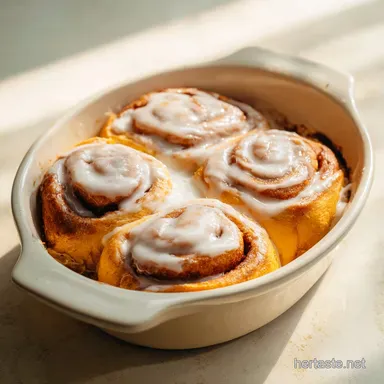
Lighter Pioneer Woman Cinnamon Rolls: Buttery
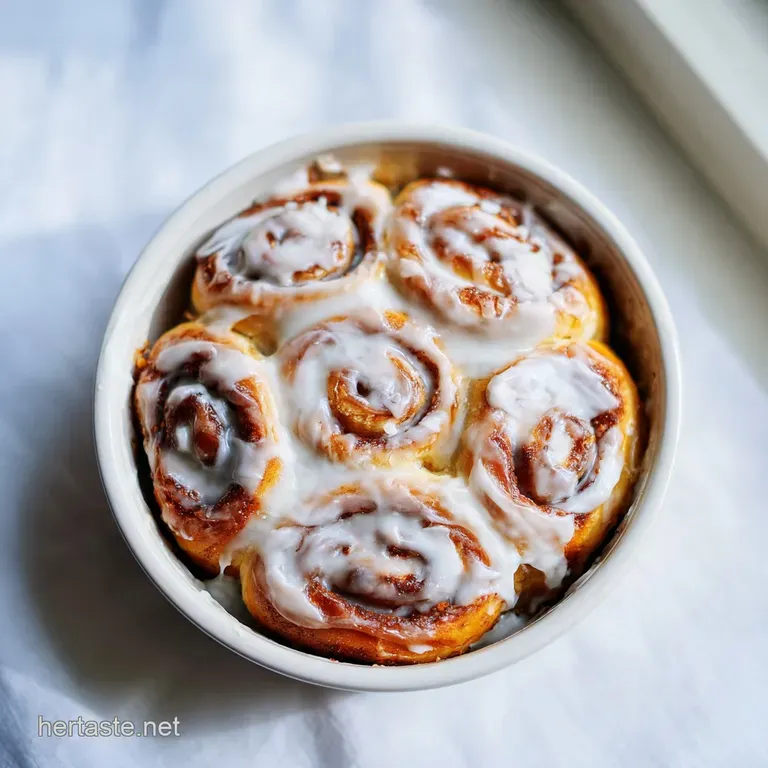
- Time:30 mins active + 2 hours chilling = Total 2 hours 50 mins
- Flavor/Texture Hook: Velvety cream cheese glaze over a gooey, cinnamon spiked center
- Perfect for: Slow weekend brunches, holiday mornings, or a cozy treat for the family
Pioneer woman cinnamon roll recipe
Ever had one of those mornings where the house just needs to smell like a hug? That's exactly what happens when the scent of warm cinnamon and bubbling yeast starts drifting from the oven. I remember one rainy October Sunday when I decided to tackle these for the first time.
I was convinced I'd mess up the rise, but as I pulled the tray out, the rolls were puffed and golden, with that signature gooey center that practically begs for a glass of cold milk.
The magic of this particular approach is in the patience. It isn't a "throw it together and go" kind of bake, but the reward is a roll that feels like it came from a high end bakery in a small country town. You get this wonderful contrast between the slightly toasted edges and the soft, almost melted heart of the roll.
If you've been looking for a way to bring a bit of rustic joy into your kitchen, this pioneer woman cinnamon roll recipe is the one. We're talking about a dough that's tacky but manageable, a filling that caramelizes into a syrup, and an icing that is thick and tangy.
Let's get into how to make these happen without any stress.
How the Dough Stays Soft
I used to think yeast did all the heavy lifting, but this recipe is clever because it doesn't rely on just one thing to make the rolls fluffy. It's all about the layering of textures and leavening.
Double Leavening: Using both active dry yeast and baking powder creates a dual action rise. The yeast provides that deep, fermented flavor and initial lift, while the baking powder gives an extra boost in the oven.
Fat Saturation: The amount of butter in the dough prevents the flour from forming too many tight gluten bonds. This is why the texture remains velvety rather than chewy like a bagel.
Temperature Control: Keeping the milk at exactly 110°F ensures the yeast wakes up without being scorched. If the milk is too hot, you kill the yeast; too cold, and they just stay asleep.
Cold Fermentation: The two hour fridge chill isn't just for convenience. It slows down the yeast, allowing the sugars to break down and develop a more complex, rustic flavor profile.
| Method | Time | Texture | Best For |
|---|---|---|---|
| Oven (Standard) | 2 hours 50 mins | Fluffy, golden crust, gooey center | Traditional batches, holiday breakfasts |
| Stovetop (Steam) | 1 hour 15 mins | Steamed, soft, moist (no crust) | Quick cravings, no oven setups |
The Component Breakdown
Before we dive into the mixing, it helps to understand what each part is actually doing. It's not just about following a list; it's about knowing how the flavors build.
| Ingredient | Science Role | Pro Secret |
|---|---|---|
| Active Dry Yeast | Primary lift and flavor | Bloom it with a pinch of sugar to "feed" the yeast |
| All Purpose Flour | Structural framework | Measure by spooning into the cup to avoid packing |
| Brown Sugar | Moisture and caramelization | Pack it tight for a deeper, molasses like swirl |
| Cream Cheese | Tangy stability for icing | Ensure it's truly softened to avoid lumps |
Ingredients and Substitutes
For the dough, we need items that provide a sturdy but soft base. If you're missing something, don't panic, but keep in mind that some swaps change the rustic vibe.
The Dough Base
- 1 cup warm milk (110°F/43°C)Why this? Provides proteins and sugars for yeast to eat
- 2 1/4 tsp active dry yeastWhy this? Classic lift and traditional aroma
- 1/3 cup granulated sugarWhy this? Feeds yeast and sweetens the crumb
- 1/2 cup unsalted butter, melted and cooledWhy this? Adds richness and softens the dough
- 1 large egg, room temperatureWhy this? Acts as an emulsifier for a smoother rise
- 4 cups all purpose flourWhy this? Balanced protein for a soft roll
- 1 tsp saltWhy this? Controls yeast growth and enhances flavor
- 1 tsp baking powderWhy this? Extra lift during the bake
- 1/2 tsp baking sodaWhy this? Helps with browning and tenderness
The Cinnamon Filling
- 1/2 cup unsalted butter, softenedWhy this? Binds the cinnamon and sugar
- 3/4 cup light brown sugar, packedWhy this? Adds a caramel note
- 2 tbsp ground cinnamonWhy this? The star flavor
- 1 pinch saltWhy this? Cuts through the intense sweetness
The Cream Cheese Icing
- 4 oz cream cheese, softenedWhy this? Provides the signature tang
- 1/4 cup unsalted butter, softenedWhy this? Makes the icing glossy
- 1 cup powdered sugarWhy this? Creates a smooth, spreadable texture
- 1 tsp vanilla extractWhy this? Adds aromatic warmth
- 2 tbsp milkWhy this? Adjusts the consistency
| Original Ingredient | Substitute | Why It Works |
|---|---|---|
| All Purpose Flour | Bread Flour | More protein. Note: Result is chewier, less pillowy |
| Warm Milk | Almond Milk | Similar liquid ratio. Note: Lacks dairy fats, slightly less rise |
| Brown Sugar | Coconut Sugar | Similar molasses profile. Note: Slightly grainier texture |
| Cream Cheese | Greek Yogurt | High tang. Note: Much thinner icing, less stable |
If you're looking for other rustic treats to pair with these, a Pioneer Woman pecan pie makes for an incredible dessert spread during the holidays.
Step by step Baking
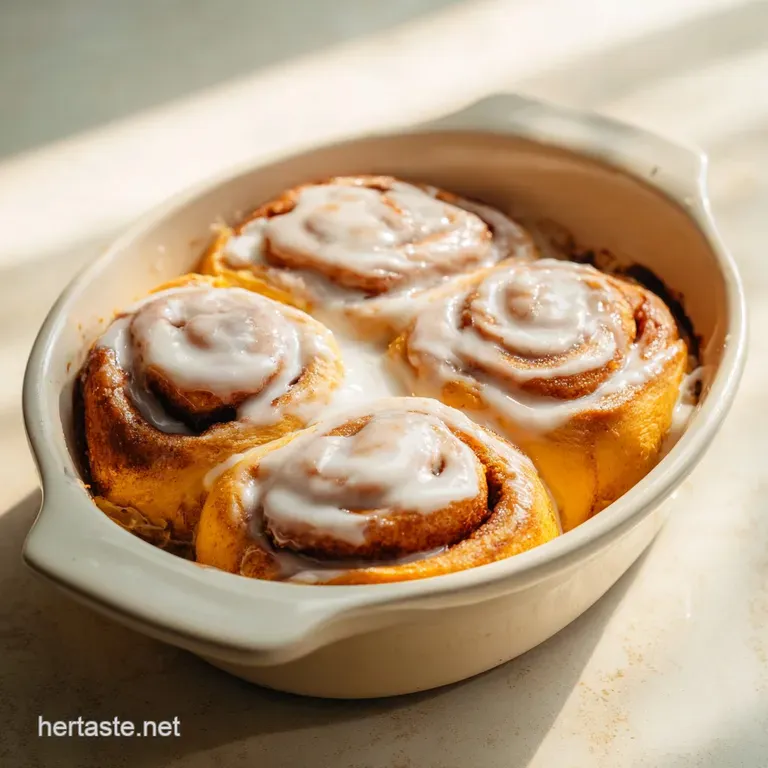
Let's get our hands messy. The key here is not to overwork the dough, but to make sure it's well developed.
Phase 1: Activating and Mixing the Dough
- Bloom the yeast. Combine warm milk and a pinch of sugar in a mixer bowl. Stir in yeast and let sit for 5-10 minutes until it looks frothy and bubbly. Note: If it doesn't bubble, your yeast is dead; start over!
- Combine wet ingredients. Whisk in the remaining sugar and melted butter, then add the egg and beat until smooth.
- Integrate dry ingredients. Gradually add flour, salt, baking powder, and baking soda. Mix on low speed until a shaggy, clumpy dough forms.
- Knead. Increase speed to medium low and knead for 5-7 minutes until the dough is smooth and pulls away from the bowl sides. It should feel tacky, not sticky.
Phase 2: Rolling and Filling
- First rise. Place dough in a greased bowl, cover with a damp cloth, and let rise in a warm spot for 1 hour until it has doubled in size.
- Roll out. Punch down the dough to release air and roll it into a 12x18 inch rectangle, about 1/4 inch thick.
- Layering. Spread softened butter across the dough, then sprinkle evenly with the mixed brown sugar and cinnamon.
- Spiral. Roll the dough tightly starting from the long edge, creating a long log.
Phase 3: The Chill and Bake
- Cut and chill. Slice the log into 12 even rolls using dental floss (this prevents squishing) and place in a greased 9x13 inch pan. Refrigerate for 2 hours. Note: This is the "secret" to the perfect structure.
- Bake. Place in the oven at 350°F (180°C) for 20 minutes until the tops are golden and the edges sizzle.
Phase 4: Finishing with Icing
- Icing. Beat together cream cheese, softened butter, powdered sugar, vanilla, and milk until velvety and smooth. Spread over the rolls while they're still warm.
Chef's Tip: To get perfectly round rolls, don't use a knife. Use a piece of unflavored dental floss. Slide it under the log, cross it over the top, and pull quickly. It "snaps" the dough without compressing the layers.
Fixing Common Roll Problems
Even the most experienced cooks hit a snag with yeast. Usually, it's just a matter of temperature or timing.
Troubleshooting Common Issues
| Issue | Solution |
|---|---|
| Why Your Dough Is Too Sticky | If the dough is sticking to everything, you likely had too much moisture or didn't knead long enough. Don't just dump in more flour, or you'll end up with a brick. Try adding flour one tablespoon at a |
| Why Your Rolls Didn't Rise | This is usually a yeast issue. Either the milk was too hot (killing the yeast) or too cold (not activating it). Ensure your milk is exactly 110°F. Also, check your yeast expiration date; old yeast is |
| Why the Icing Looks Curdled | This happens when the butter or cream cheese is too cold, causing the fat to separate from the sugar. Let the ingredients come to room temperature before beating them together. If it's already curdled |
Common Mistakes Checklist
- ✓ Did you check the milk temperature with a thermometer?
- ✓ Did you let the butter cool before adding it to the yeast?
- ✓ Did you use dental floss instead of a knife to cut the rolls?
- ✓ Did you wait the full 2 hours for the fridge chill?
- ✓ Is the cream cheese truly room temperature for the icing?
Flavor and Dietary Twists
Once you've mastered the homemade pioneer woman cinnamon rolls, you can start playing with the flavor profile. Since this dough is so rich, it handles variations quite well.
The Maple Twist Replace the vanilla extract in the icing with 1 tablespoon of pure maple syrup. It gives the rolls a woody, autumnal feel that's incredible in the winter.
Low Sugar Adaptation You can reduce the granulated sugar in the dough by half without affecting the rise too much. However, don't reduce the brown sugar in the filling, as that's where the caramelization happens.
If you must, try using a brown sugar alternative, but the texture will be slightly less gooey.
Dairy-free Options For a dairy-free version, use a high-quality vegan butter and unsweetened soy milk. According to King Arthur Baking, soy milk is often the best plant based substitute for yeast breads because of its protein content, which helps with the structure.
If you enjoy this kind of buttery dough, you might also love a foolproof all-butter pie dough for your next baking project.
Make-ahead and Leftover Tips
Life is busy, and waiting 2 hours and 50 minutes isn't always possible. The good news is that this recipe is built for planning.
The Freezer Method You can make these pioneer woman freezer cinnamon rolls by shaping them and placing them in the pan, then freezing them raw. Wrap the pan tightly in plastic wrap and foil.
When you're ready to bake, thaw them in the fridge overnight, let them sit at room temperature for 30 minutes, and then pop them in the oven.
Storage Guidelines Store leftover rolls in an airtight container at room temperature for up to 2 days. For longer storage, keep them in the fridge for 5 days. The icing acts as a natural barrier, keeping the bread from drying out too quickly.
The Best Way to Reheat Never microwave these for more than 15 seconds, or they'll become rubbery. Instead, wrap a roll in a damp paper towel and heat it in a 300°F (150°C) oven for 5-8 minutes.
This restores the softness of the dough and remelts the icing.
Zero Waste Tips If you have leftover cinnamon sugar filling, don't toss it! Spread it on a slice of toast or stir it into your morning oatmeal for a quick flavor boost. If you have leftover icing, it makes a great dip for apple slices.
Serving and Enjoying
The best way to eat these is while they are still slightly warm, so the icing is just beginning to melt into the spirals. I love serving them on a big rustic platter in the center of the table, letting everyone pull their own roll away from the group.
For a full brunch spread, pair these with some salty bacon or a fresh fruit salad to balance the sweetness. If you want to go all out, serve them with a side of warm maple syrup for dipping.
Trust me on this: don't be afraid to over ice them. The tang of the cream cheese is what keeps the sugar in check, and that velvety layer is what makes this roll a classic. Whether it's a quiet morning or a crowded holiday table, these rolls bring a sense of comfort and joy that's hard to beat.
Right then, let's get baking!
Recipe FAQs
What one ingredient trick improves the texture of these cinnamon rolls?
Add both baking powder and baking soda to the yeast. This triple leavening approach creates a fluffier, more consistent crumb than using yeast alone.
What is the secret to achieving a commercial style softness at home?
Use a combination of biological and chemical leaveners. Mixing yeast with baking soda and powder mimics the light, airy texture of professional bakery rolls.
How to ensure the yeast activates properly?
Warm the milk to exactly 110°F. This specific temperature ensures the yeast blooms and becomes frothy without being killed by excessive heat.
Is it true that I can skip the two-hour refrigeration step?
No, this is a common misconception. Chilling the rolls for two hours is necessary to set the structure and ensure they maintain their shape during baking.
How to cut the dough rolls without squashing them?
Slice the log using dental floss. Cross the floss over the top of the dough and pull quickly to create a clean cut without compressing the spiral.
What are common mistakes when making homemade cinnamon rolls?
Over flouring the dough or using milk at the wrong temperature. Too much flour makes the rolls dense, while milk above 110°F kills the yeast and prevents rising.
What other sweet treats complement these cinnamon rolls?
Pair them with a tart dessert. The richness of the cream cheese icing balances perfectly with the raspberry filling found in Austrian Linzer Cookies.
Pioneer Woman Cinnamon Rolls