Chocolate Peanut Butter Protein Bars with Rice Cereal
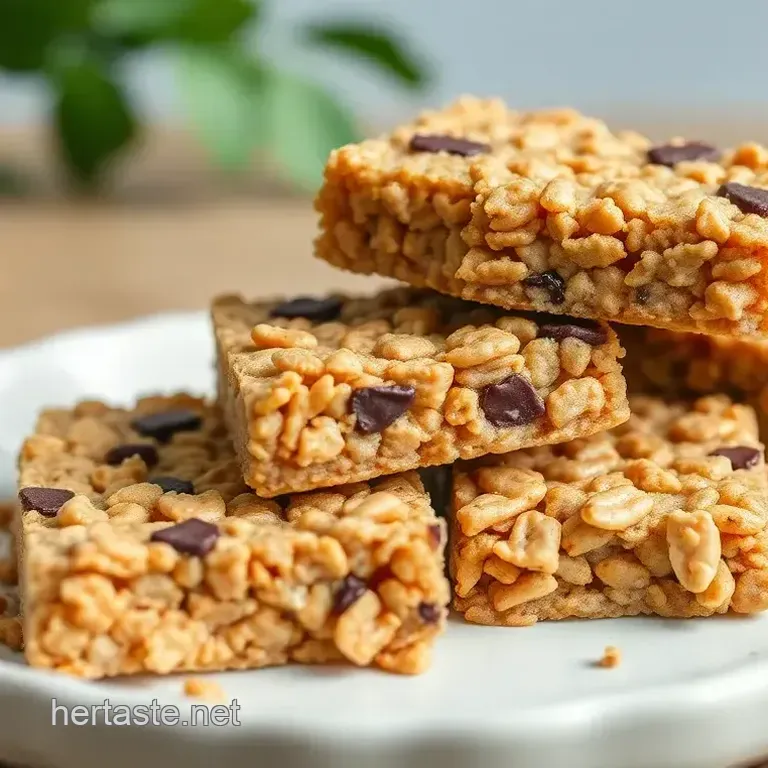
- Time: 10 min active + 30 min chilling
- Flavor/Texture Hook: Shattering rice crisp crunch with a fudgy center
- Perfect for: Post workout fuel or a kid friendly afternoon snack
The first thing you'll notice is the snap. That sharp, satisfying break of dark chocolate giving way to a salty, peanut-infused crunch is exactly why this recipe works. While it feels like a decadent indulgence, it is actually designed to fuel your body.
Learn how to create the ideal No Bake Chocolate Peanut Butter Protein Crispy Bar with Sea Salt.
For a long time, the "protein bar" landscape seemed divided. You either had commercial options that tasted like synthetic sweeteners and cardboard, or homemade versions that were essentially dense blocks of dates and nuts.
This recipe bridges that gap, blending the nostalgia of a classic childhood cereal treat with a modern protein upgrade.
The goal is to satisfy a candy craving while ensuring you actually stay full. There is no oven involved and no need for precise temperature checks, just a few minutes of stirring and a little patience while they set in the freezer.
You get a No Bake Chocolate Peanut Butter Protein snack that offers a gourmet taste with minimal effort.
No Bake Chocolate Peanut Butter Protein
The logic here is all about temperature and texture. Most homemade protein bars feel chalky because the powder doesn't integrate with the fats.
- Warm Base: Heating the peanut butter and syrup lets the protein powder dissolve into the fats. This removes the dry, powdery mouthfeel.
- Puffed Rice: Unlike oats or nuts, puffed rice stays light. It provides a shattering crunch that doesn't soften over time.
Ingredients You'll Need
To prepare the base, you'll need stir-style natural peanut butter, maple syrup, and your preferred protein powder. Puffed rice cereal provides a classic airy crunch, paired with vanilla extract and a pinch of sea salt.
For the topping, use dark chocolate chips and a bit of coconut oil to ensure the chocolate doesn't crack too abruptly.
| Ingredient | Role | If You Don't Have It |
|---|---|---|
| Natural Peanut Butter | Binder & Flavor | Almond butter (offers a milder, nuttier taste) |
| Protein Powder | Protein Boost | Collagen peptides (smoother texture, less sweet) |
| Maple Syrup | Glue & Sweetener | Honey (creates a slightly chewier consistency) |
| Coconut Oil | Chocolate Fluidity | Unsalted butter (tastes richer, but melts faster) |
You'll also want a bit of flaky sea salt for the finish. It balances the deep chocolate and makes the peanut butter flavor pop.
Quick Recipe Specs
This recipe is built for speed. You aren't waiting for an oven to preheat or for a cake to cool. The "cooking" part is just a few bursts in the microwave to get everything fluid.
- Prep time: 10 minutes
- Cook time: 5 minutes
- Total time: 45 minutes
- Yield: 10 bars
These bars are dense and satisfying. With about 9g of protein per bar, they work well as a bridge between lunch and dinner.
Tools for the Job
Basic equipment will do the trick here. A simple microwave-safe bowl and a spatula are the primary tools you'll use.
- 8x8 inch square pan: This size ensures the bars have the ideal thickness.
- Parchment paper: This is a must. Because the peanut butter mixture is so sticky, the paper prevents a nightmare cleanup.
- Microwave: Essential for melting the chocolate and heating the binder quickly.
- Offset spatula: Great for leveling the chocolate, though a regular spoon works just as well.
Making Your Protein Bars
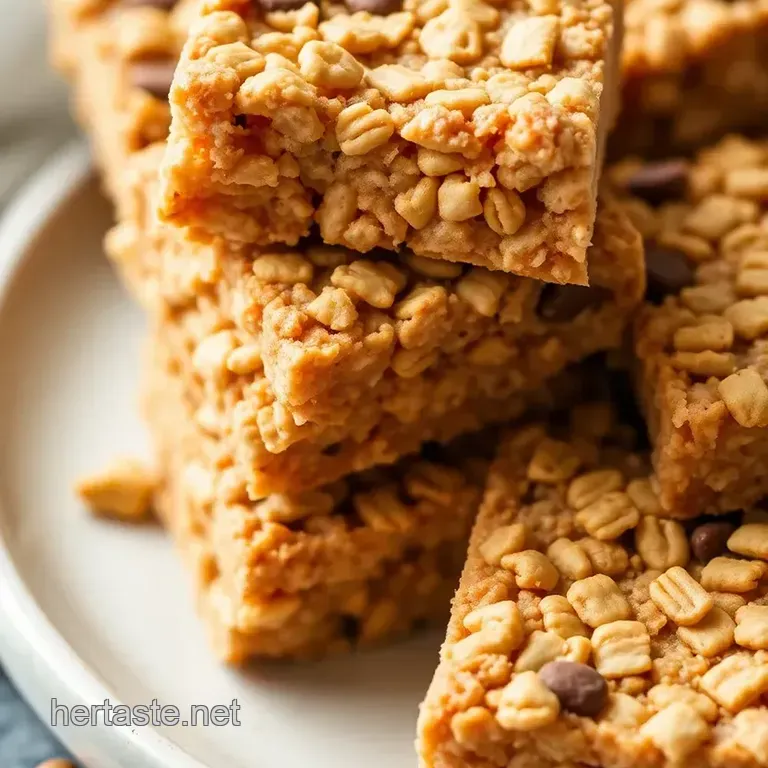
Let's dive in. This recipe follows a three-step process: blending, pressing, and glazing.
Phase 1: Blending the Protein Base
In a microwave-safe bowl, combine the peanut butter, maple syrup, and vanilla extract. Heat for 30 seconds until the mixture is fluid and glossy. Stir in the sea salt and protein powder, mixing until a thick, mahogany-colored paste forms.
Gently fold in the puffed rice cereal, taking care not to crush the grains so they remain whole and well-coated.
Phase 2: Pressing and Setting
Line an 8x8 inch pan with parchment paper, leaving a bit of overhang on the sides to make lifting easier. Transfer the peanut butter mixture into the pan. Using a spatula, press the mixture firmly into the corners to create a flat, dense surface. If the base is too loose, the bars may crumble when sliced.
Phase 3: Glazing and Finishing
Combine the dark chocolate chips and coconut oil in a bowl. Heat in 20 second bursts, stirring in between, until the chocolate is velvety and smooth. Pour the melted chocolate over the base, smoothing it to the edges. Immediately top with flaky sea salt.
Place the pan in the freezer for 30 minutes until the topping has set.
Chef's Note: If the chocolate is too thick to pour, stir in another half teaspoon of coconut oil. This improves the flow and prevents the glaze from shattering when you slice the bars.
Fixing Common Texture Issues
Depending on the specific brands of peanut butter or protein powder you use, the results may vary slightly.
Managing Sticky Dough
If your dough is too tacky and refuses to set in the pan, the syrup may be too runny or the protein powder lacks absorbency. To fix this, mix in a handful of puffed rice or one additional tablespoon of protein powder. This will firm up the consistency so the bars maintain their structure.
Preventing Cracked Chocolate
When the chocolate layer cracks like glass during slicing, it is usually because the glaze was too cold or lacked sufficient fat. Allow the bars to reach room temperature for 5 minutes before cutting. For future batches, add a bit more coconut oil to make the topping more pliable.
Correcting a Grainy Base
A gritty texture typically indicates that the protein powder wasn't properly blended, often because the peanut butter wasn't warm enough during mixing. Make sure the binder is fully liquid before stirring in the dry components.
While you can't reverse graininess once it's set, chilling the bars in the refrigerator can help smooth out the texture.
Storage and Freezing Tips
Unlike standard cookies, these aren't meant for the kitchen counter. Since they use natural fats and no preservatives, they need to stay chilled.
Keep them in a sealed container in the fridge for 10 days. If you're prepping a month's worth, use your freezer. Wrap each piece individually in parchment and store them in a freezer bag to keep them fresh for 2 months.
You can eat these straight from the freezer for a fudge-like texture, or let one thaw for 10 minutes. To avoid waste, don't rinse the leftover chocolate from your bowl. Spread it on a piece of parchment, freeze it, and you've created chocolate shards for another snack.
Great Ways to Serve These
These bars are delicious alone, but they also make a wonderful addition to a larger snack platter. I enjoy pairing a Peanut Butter Protein Crispy Bar with Sea Salt with crisp apple slices and a few almonds; the tart apple provides a refreshing contrast to the dense peanut butter.
For a crowd, try cutting them into 1-inch squares to create bite-sized treats. To go a more traditional route, pair these with some classic peanut butter cookies for the ultimate peanut butter feast.
Tweaking the Recipe
You can easily swap things around to fit your goals. If you want a different crunch, try swapping the puffed rice for crushed pretzels. It adds a deeper saltiness that goes great with dark chocolate.
| Goal | What to change |
|---|---|
| Sweeter | Add 1 tbsp maple syrup |
| Chewier | Increase protein powder by 2 tbsp |
| Saltier | Double the flaky sea salt garnish |
For a vegan version, ensure your protein powder is plant based (pea or soy works well) and use a dairy-free dark chocolate. If you love a variety of textures, you can add a layer of crushed nuts or seeds. For another inspiration on nut based treats, check out these nut bars which use a similar flavor profile but a different method.
For a "Salted Caramel" Profile
Replace the maple syrup with a bit of date syrup or a drizzle of melted caramel before adding the chocolate layer. This gives the No Bake Chocolate Peanut Butter Protein bars a deeper, more complex sweetness.
For Lower Calories
Use a lower calorie chocolate chip or a sugar-free alternative. You can also swap the maple syrup for a monk fruit syrup, though the "glue" effect might be slightly weaker, so you may need an extra tablespoon of peanut butter to hold it together.
Debunking Protein Bar Myths
A lot of people think no bake bars are always chalky. That's only true if you mix everything cold. Warming the peanut butter allows the protein powder to emulsify into the fat, creating a smooth texture.
Another myth is that you need artificial gums or thickeners to keep them from falling apart. The natural fats in peanut butter combined with the sugars in maple syrup create a strong enough bond on their own, especially once chilled.
This No Bake Chocolate Peanut Butter Protein Crispy Bar with Sea Salt is the proof that you don't need a lab to make a high protein snack that actually tastes like a treat. Just keep the proportions right, don't skip the freezer time, and enjoy that satisfying crunch.
Recipe FAQs
What ingredients are needed for these protein bars?
Combine peanut butter, maple syrup, protein powder, puffed rice cereal, vanilla, and sea salt. Top the mixture with a smooth layer of melted dark chocolate chips and coconut oil.
Where does the crunch come from?
Fold in puffed rice cereal after mixing the peanut butter paste. This addition provides a light, airy texture that prevents the bars from feeling too heavy.
Are these bars high in calories?
Each bar contains 228 kcal. This makes them a satisfying, energy-dense option for a quick snack or post-workout fuel.
How to melt chocolate chips and coconut oil?
Microwave in 20-second bursts, stirring between each interval. This gradual heating ensures the chocolate remains smooth and doesn't scorch.
Is it true that these must be baked to set?
Not true. These firm up in the freezer for 30 minutes; if you enjoyed the cold, dense texture here, see how the same principle works in our cookie dough ice cream.
Chocolate Peanut Butter Protein in 15 Min

