Italian Drunken Noodles with Sausage and Pappardelle
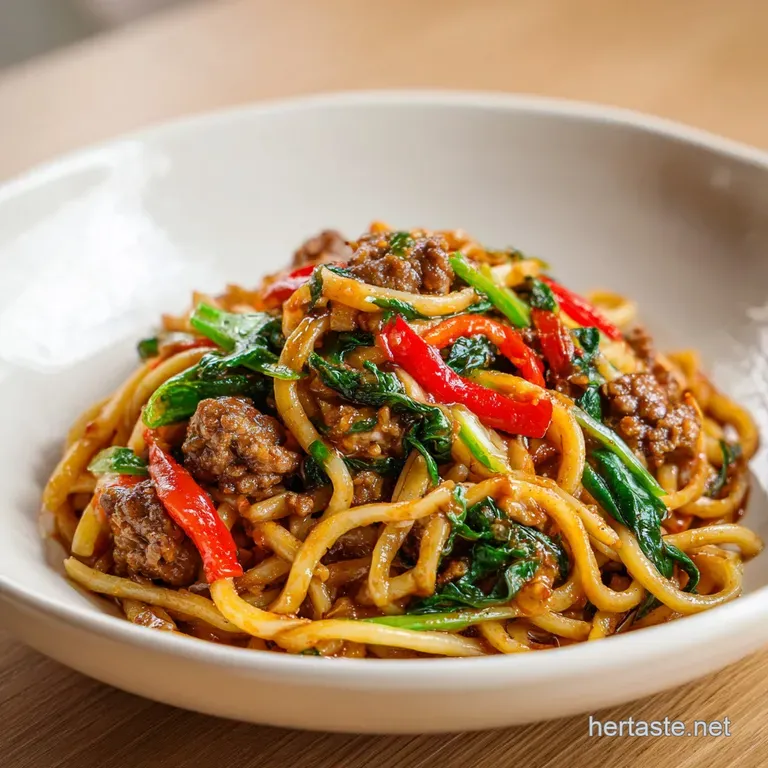
- Time: Active 15 minutes, Passive 20 minutes, Total 35 minutes
- Flavor/Texture Hook: Silky pappardelle ribbons coated in a spicy, wine infused sizzle.
- Perfect for: High energy weeknight dinners or impressive date night cooking.
- Italian Drunken Noodles Bold Spicy Pasta Recipe with Italian Sausage
- Essential Meal Performance Data
- The Component Breakdown
- Tools for Minimalist Cooking
- The Alchemy of Elements
- Master the Sauté Method
- Avoiding Common Cooking Blunders
- Clever Ingredient Alternatives
- Scaling for Any Crowd
- Keeping Leftovers Fresh
- Perfect Plate Presentations
- Myths Regarding "Drunken" Pasta
- Very High in Sodium
- Recipe FAQs
- 📝 Recipe Card
Italian Drunken Noodles Bold Spicy Pasta Recipe with Italian Sausage
The kitchen starts to hum the second that 1 lb spicy Italian sausage hits the hot olive oil. There is a specific, aggressive sizzle that happens when the fat begins to render out, turning the base of your pan into a goldmine of flavor.
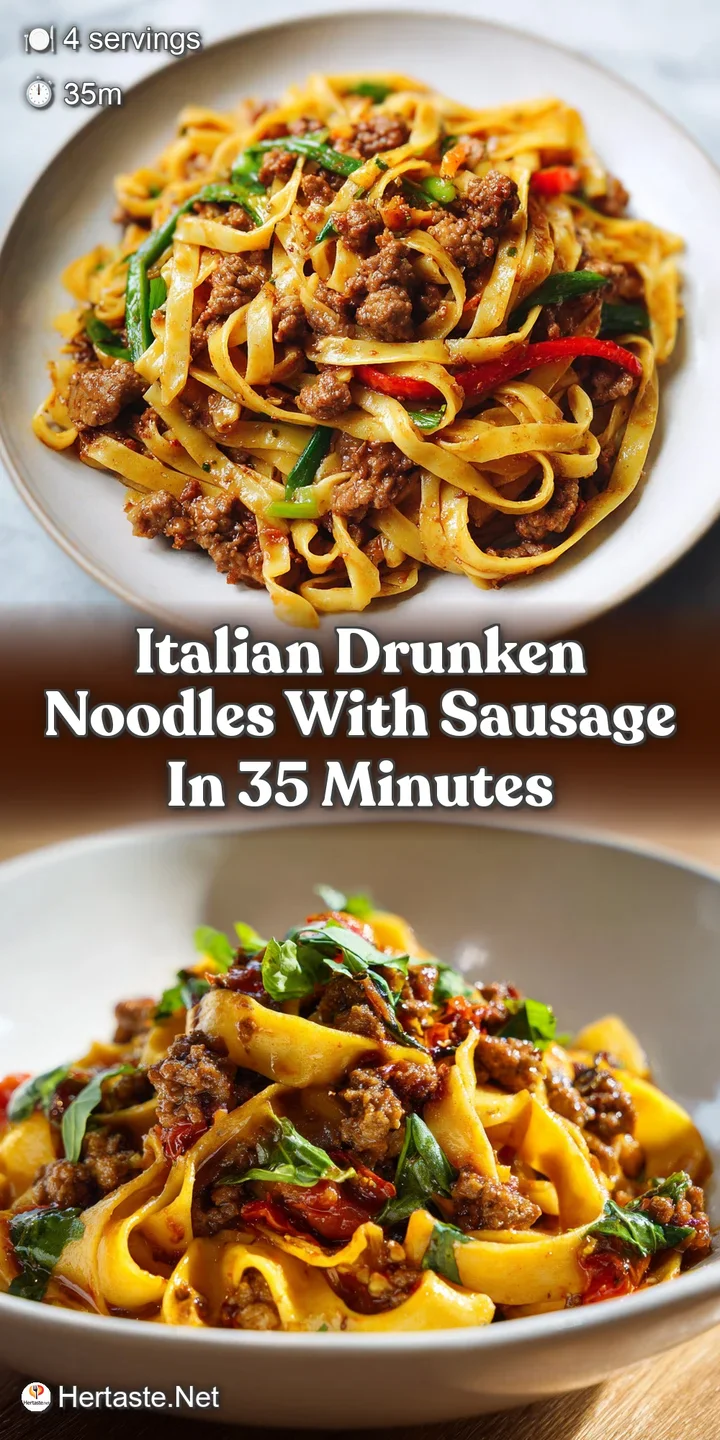
I remember the first time I tried this specific combination; I was tired of standard marinara and wanted something that felt a bit more rebellious. This Italian Drunken Noodles Bold Spicy Pasta Recipe with Italian Sausage will become your new favorite weeknight meal because it relies on high impact ingredients rather than hours of simmering.
When you pour that 1/2 cup dry red wine into the pan, the aroma is instant and intoxicating. It’s not just about the smell, though it is about watching the liquid lift every single browned bit of sausage from the bottom of the skillet.
The noodles, wide and ribbon like, eventually dive into that pool of crushed tomatoes and wine, emerging with a glossy, velvety coating that clings to every curve. You aren't just making dinner; you are forging a masterpiece out of a few simple, high-quality components.
We often think that deep flavor requires a slow cooker or a Sunday afternoon, but that is a total myth. By using the heat of the pan and the acidity of the wine, we are fast tracking the development of a complex sauce. I've made the mistake of using a cheap, sugary wine before, and trust me, it’s not worth it.
Grab something you would actually enjoy drinking, and you'll see exactly why this dish has earned its "drunken" reputation.
Essential Meal Performance Data
Before we get the water boiling, let's look at how this fast paced version compares to a slow simmered classic. We are focusing on efficiency here without sacrificing that essential depth of flavor.
| Feature | This Recipe (Fast) | Traditional Italian Ragu |
|---|---|---|
| Total Cook Time | 35 minutes | 3 to 4 hours |
| Acid Source | Quick wine deglaze | Long tomato reduction |
| Texture | Bright and chunky | Homogeneous and thick |
This recipe relies on the intense heat of the initial sear to create the Maillard reaction, which is the same chemical process that gives a steak its crust. In a traditional ragu, you get that flavor over hours of slow breakdown, but here, we are forcing it to happen in minutes. If you are looking for a similar flavor profile but in a different format, you might also enjoy my Louisiana Chicken Pasta recipe which uses spice to achieve that same bold impact.
Molecular Deglazing Effects
Acidic Solvency: The ethanol and tartaric acid in the red wine dissolve flavor compounds that are neither water- nor fat soluble. This allows the pan seared sausage essence to fully integrate into the crushed tomatoes.
Starch Emulsification Benefits
Viscosity Control: Starch molecules released from the pappardelle into the 4 quarts of salted water act as a bridge between the sausage fats and the tomato liquid. Adding a splash of this liquid creates a creamy, stable emulsion without needing heavy cream.
The Component Breakdown
Selecting the right elements is vital for a dish with so few moving parts. I always suggest going to the butcher counter for the sausage if you can; the texture is usually much better than the pre packaged links.
| Component | Science Role | Pro Secret |
|---|---|---|
| Pappardelle | Surface area for sauce | Finish cooking inside the sauce |
| Red Wine | Solvent for aromatics | Use a high tannin Chianti or Syrah |
| Red Bell Pepper | Natural fructose balance | Slice ultra thin for rapid softening |
| Italian Sausage | Fat and protein base | Don't break it into tiny grains |
Chef's Tip: Freeze your Parmesan cheese for 10 minutes before grating. It prevents the cheese from clumping and creates a snow like texture that melts instantly into the hot pasta.
Tools for Minimalist Cooking
You don't need a kitchen full of gadgets for this Italian Drunken Noodles Bold Spicy Pasta Recipe with Italian Sausage. In fact, keeping it simple helps you move faster. A heavy bottomed skillet I prefer a 12 inch cast iron or a thick stainless steel pan is the most important tool you'll own.
It holds heat consistently, which is necessary for that initial sausage sear.
You'll also need a large pot for the 4 quarts of water. Don't crowd the pasta; it needs room to dance. A simple pair of tongs is better than a pasta fork here because pappardelle is delicate.
Tongs allow you to gently lift the noodles from the water directly into the sauce, which naturally brings along some of that liquid gold (the pasta water).
Finally, a sharp chef's knife makes quick work of the large red bell pepper and onion. If your knife is dull, you'll end up crushing the onion cells instead of slicing them, which can lead to a more bitter flavor and unnecessary tears. Keep it sharp, keep it simple, and the process becomes much more enjoyable.
The Alchemy of Elements
Using the exact quantities from our schema ensures the balance between heat, fat, and acidity is hit every single time.
- 12 oz pappardelle pasta: The wide ribbons are essential for holding the heavy sauce. (Sub: Wide fettuccine - similar bite, slightly less surface area).
- 1 lb spicy Italian sausage: Provides the primary fat and seasoning. (Sub: Ground turkey with 1 tsp fennel seeds - leaner but less traditional flavor). Why this? The casings removed allow for a better sear on the meat.
- 2 tbsp extra virgin olive oil: The medium for sautéing the aromatics. (Sub: Avocado oil - higher smoke point, neutral flavor).
- 1 large red bell pepper: Adds sweetness and crunch. (Sub: Yellow bell pepper - slightly less sweet, same texture).
- 1 medium yellow onion: The aromatic foundation. (Sub: Shallots - more delicate, refined sweetness).
- 4 cloves garlic: For that essential pungent bite. (Sub: 1 tsp garlic powder - less aromatic, use only in a pinch).
- 1/2 cup dry red wine: The "drunken" element that deglazes the pan. (Sub: Beef broth with 1 tsp balsamic vinegar - adds depth without alcohol). Why this? Red wine adds a specific fruity acidity that white wine lacks.
- 15 oz crushed tomatoes: The body of the sauce. (Sub: Diced tomatoes pulsed in a blender - more texture).
- 1 tsp crushed red pepper flakes: Controls the "bold" factor. (Sub: Cayenne pepper - more linear heat, less texture).
- 1/2 cup fresh basil: Adds a floral finish. (Sub: Fresh parsley - earthier, less sweet).
- 1/4 cup Parmesan cheese: Saltiness and fat to finish. (Sub: Pecorino Romano - saltier, sharper tang).
- 4 quarts water: Must be heavily salted to season the pasta from the inside out.
Master the Sauté Method
This process is all about timing and heat management. Follow these steps to ensure your noodles don't turn to mush and your sauce stays vibrant.
- Boil water. Bring 4 quarts water to a rolling boil and add a generous palmful of salt.
- Sear sausage. Heat 2 tbsp olive oil in a large skillet over medium high heat. Add 1 lb spicy Italian sausage and cook 8 minutes until browned and crispy, breaking it into bite sized chunks.
- Sauté aromatics. Add the sliced onion and red bell pepper to the sausage fat. Cook 5 minutes until softened and slightly charred.
- Add garlic. Stir in 4 cloves minced garlic and 1 tsp red pepper flakes. Sauté for 1 minute until fragrant but not brown.
- Deglaze pan. Pour in 1/2 cup dry red wine. Scrape the bottom of the pan vigorously to release the browned bits.
- Simmer sauce. Stir in 15 oz crushed tomatoes. Reduce heat to medium low and simmer for 10 minutes until the sauce thickens slightly.
- Cook pasta. Drop 12 oz pappardelle into the boiling water. Cook for 2 minutes less than the package directions until very al dente.
- Combine elements. Use tongs to transfer the pasta directly into the skillet. Add a splash of pasta water if the sauce looks too thick.
- Finish dish. Toss the pasta in the sauce for 2 minutes. Fold in 1/2 cup torn basil and 1/4 cup Parmesan cheese until the sauce is glossy.
Chef's Tip: Don't drain the pasta into a colander. Lifting it directly into the sauce preserves the starch on the surface of the noodles, helping the sauce stick like glue.
Avoiding Common Cooking Blunders
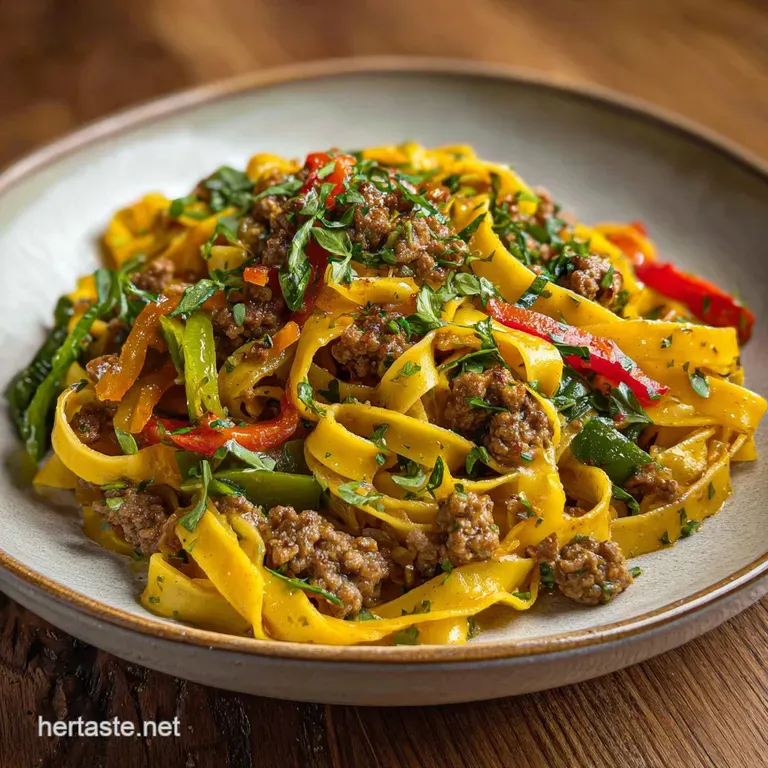
Even the best cooks can run into issues with pasta dishes. The most common problem I see is "sauce shock," where the pasta and sauce never truly become one. If you find your sauce sitting at the bottom of the bowl while your noodles stay bare, it’s usually a lack of pasta water or undercooked noodles in the sauce.
The "Broken Noodle" Syndrome
Pappardelle is broad but thin. If you overcook it in the water, it will shatter the moment you try to toss it with the heavy sausage. Always pull the pasta out when it still has a firm "white core" in the center.
It will finish softening in the tomato and wine liquid, absorbing those flavors instead of just plain water.
Sauce is Too "Tight" or Sticky
If your sauce looks like paste rather than a velvety coating, you’ve likely let too much moisture evaporate. This is a quick fix. Keep a mug of that starchy pasta water nearby. Adding it one tablespoon at a time while tossing the pasta will loosen the proteins and create a silky sheen.
| Problem | Root Cause | Solution |
|---|---|---|
| Bland Pasta | Under salted water | Add 2 tbsp salt to 4 qts water |
| Bitter Garlic | Burned during sauté | Add garlic after onions are soft |
| Oily Sauce | Sausage fat not emulsified | Add starchy pasta water and toss |
Common Mistakes Checklist
- ✓ Never rinse your pasta after boiling; you need that starch for the sauce to stick.
- ✓ Don't use a "cooking wine" from the grocery aisle; they are loaded with salt and ruin the balance.
- ✓ Ensure the skillet is hot before adding the sausage to get a proper sear rather than steaming the meat.
- ✓ Tear the basil by hand instead of chopping with a knife to prevent the leaves from bruising and turning black.
- ✓ Wait until the very end to add the Parmesan to prevent it from grainy over melting.
Clever Ingredient Alternatives
If you can't find spicy Italian sausage, you can create a similar profile by using ground beef and adding a heavy hand of fennel seeds, garlic powder, and extra red pepper flakes. This is often referred to as the "Pioneer Woman" style of adaptation, focusing on pantry staples to mimic specialty items.
| Original Ingredient | Substitute | Why It Works |
|---|---|---|
| Pappardelle | Tagliatelle | Similar flat shape; provides great sauce adhesion. |
| Dry Red Wine | Red Wine Vinegar (2 tbsp) | Provides acidity. Note: Lacks the body/sugar of wine; add a pinch of sugar. |
| Spicy Sausage | Ground Beef | Neutral protein. Note: Requires extra seasoning (fennel/chili) to match flavor. |
For those who want to avoid the alcohol entirely but still want that "drunken" depth, try using a splash of my KnockYourSocksOff spicy marinara recipe as a base modifier. It has the concentrated tomato flavor that can help bridge the gap when you aren't using wine to deglaze.
The gluten-free Modification
If you're skipping gluten, look for a high-quality brown rice fettuccine. Be warned: gluten-free pasta releases a lot more starch and can make the sauce gummy if you use too much pasta water. Start with half the amount of water you think you need.
Scaling for Any Crowd
When cutting this recipe in half (2 servings), you can use a smaller skillet, but keep the heat high. Because there is less volume in the pan, the wine will evaporate much faster. Be ready to add the tomatoes immediately after deglazing to prevent the pan from burning.
When doubling the recipe for 8 people, do not crowd the sausage. Work in two batches to ensure the meat sears and browns. If you pile 2 lbs of sausage into one pan, it will release too much moisture at once and boil in its own juices instead of getting those crispy edges.
For the spices, only increase the red pepper flakes to 1.5x the original amount; heat tends to multiply exponentially in larger batches!
Keeping Leftovers Fresh
This dish actually holds up surprisingly well because the pappardelle is sturdy. Store any leftovers in an airtight container in the fridge for up to 3 days. When reheating, do not use the microwave if you can avoid it it tends to make the sausage rubbery.
Instead, toss the pasta in a skillet with a splash of water or beef broth over medium heat until the sauce becomes glossy again.
Freezing is possible, but not ideal for the noodles. If you want to meal prep, I suggest making the sausage and tomato sauce base and freezing that for up to 2 months. When you're ready to eat, boil fresh noodles and toss them into the thawed, heated sauce.
This prevents the "mushy noodle" disaster that happens with frozen pasta.
To practice zero waste cooking, save the ends of your onions and bell peppers in a bag in the freezer for a future vegetable stock. Also, if you have leftover wine that didn't make it into the sauce or your glass, freeze it in ice cube trays. You can pop one or two into your next Spicy Chicken Noodle recipe to add a quick hit of acidity.
Perfect Plate Presentations
Presentation for a "drunken" noodle dish should be rustic but intentional. I like to serve this in wide, shallow bowls rather than flat plates. It keeps the sauce pooled at the bottom where it belongs.
Use your tongs to twirl the pappardelle into a high nest in the center of the bowl, then spoon the extra sausage and peppers over the top.
The Classic Pairing
A simple arugula salad with a lemon vinaigrette is the perfect partner. The peppery bite of the greens cuts through the heavy fat of the sausage. If you're feeling adventurous, a side of crusty charred bread is a must for "scarpetta" the Italian tradition of wiping the plate clean with bread.
The Fresh Balance
Don't underestimate the power of fresh herbs. While we cook with basil, adding a few small, un torn leaves of Thai basil or even a crack of fresh black pepper at the very end can brighten the entire dish. It provides a sensory contrast to the deep, cooked flavors of the wine and tomatoes. If you love this balance of heat and comfort, you'll find similar vibes in a well made Cheeseburger Pasta, though the flavor profile is more Americana than Italian.
If you want X, do Y: If you want a creamier mouthfeel, stir in 2 tbsp of unsalted butter at the very end with the cheese. If you want more heat, sauté the red pepper flakes in the oil before adding the sausage to infuse the fat.
If you want a smokier flavor, swap half the red bell pepper for roasted red peppers from a jar.
Myths Regarding "Drunken" Pasta
One common misconception is that the "drunken" part of the name means the dish will taste like a glass of wine. In reality, the alcohol cooks off almost entirely, leaving behind only the complex sugars and acids.
The wine’s role is functional it acts as a bridge between the ingredients, not as a primary flavor.
Another myth is that you need expensive pasta for this to work. While high-quality egg pappardelle is lovely, the "Italian Drunken Noodles Bold Spicy Pasta Recipe with Italian Sausage" is remarkably forgiving.
Even a standard box of dried fettuccine will turn out beautifully as long as you don't overcook it in the water. The magic is in the technique of finishing the pasta in the sauce, not the price tag on the box.
Very High in Sodium
1150 mg mg of sodium per serving (50% % of daily value)
The American Heart Association recommends limiting sodium intake to no more than 2,300mg per day for most adults. Reducing sodium can significantly benefit your health.
Sodium Reduction Tips for Your Pappardelle with Sausage Recipe:
-
Skip the Salted Water-25%
Eliminate the heavily salted water for cooking the pasta. The sauce already contains sodium, and the pasta will absorb enough flavor without added salt. This will dramatically reduce the overall sodium content.
-
Choose Lower Sodium Sausage-20%
Opt for sweet Italian sausage or a lower sodium version of spicy Italian sausage. Look for sausages with reduced sodium content on the label or consider using ground turkey or chicken with Italian seasonings instead.
-
Select No-Salt Added Tomatoes-15%
Use no-salt added crushed tomatoes. This can significantly cut down on the sodium from canned goods without compromising flavor. Check the labels carefully!
-
Reduce Parmesan Cheese-10%
Use less Parmesan cheese as a garnish. Parmesan is high in sodium, so using a smaller amount or opting for a low-sodium cheese alternative will help.
-
Boost Flavor with Herbs & Spices
Enhance the flavor profile with fresh herbs and spices like oregano, fennel seeds, and black pepper. These can compensate for the reduced sodium without adding any sodium.
-
Add More Garlic
Increase the amount of minced garlic to enhance flavor without adding any sodium. Garlic provides a pungent aroma to the dish.
Recipe FAQs
Can I substitute the red wine with something non-alcoholic?
Yes, use beef broth with a touch of vinegar. The wine provides acidity and depth; substitute with 1/2 cup beef broth mixed with 1 teaspoon of balsamic vinegar to mimic the flavor profile.
How do I ensure the sauce properly coats the pappardelle noodles?
Finish cooking the pasta directly in the sauce. Always undercook the noodles by about two minutes, then transfer them to the skillet with a splash of starchy pasta water to emulsify and bind the sauce.
Is it true that I must use high heat searing for the sausage?
Yes, searing is crucial for deep flavor. The high heat initiates the Maillard reaction, creating browned, flavorful bits on the pan floor that the wine deglazes into the sauce base.
What is the best way to prevent the sauce from becoming too oily?
Add starchy pasta water gradually while tossing. This water contains starches released from the noodles which act as an emulsifier, binding the rendered sausage fat into the tomato liquid for a creamy finish.
If I use ground turkey instead of Italian sausage, what seasonings are essential?
Add fennel seeds, extra garlic, and red pepper flakes. Ground turkey lacks the fat and savory profile of Italian sausage, so you must supplement with spices like 1 teaspoon of fennel seeds to replicate that traditional taste.
How long can I safely store the leftover pasta and sauce?
Refrigerate leftovers in an airtight container for up to 3 days. Reheat gently on the stovetop with a splash of water to restore the sauce's gloss, as microwaving can make the sausage rubbery.
How do I ensure the garlic doesn't burn and turn bitter during cooking?
Add the minced garlic only after the onions and peppers have softened. Garlic cooks very quickly; adding it during the last minute of sautéing prevents it from scorching and creating a harsh flavor, a technique similar to balancing flavors in our Zesty Chimichurri Sauce recipe.
Italian Drunken Noodles Recipe
Ingredients:
Instructions:
Nutrition Facts:
| Calories | 795 kcal |
|---|---|
| Protein | 32g |
| Fat | 36g |
| Carbs | 76g |
| Fiber | 6g |
| Sugar | 8g |
| Sodium | 1150mg |
