Instant Pot Hard Boiled Eggs: the Perfect-Peel 5-5-5 Method
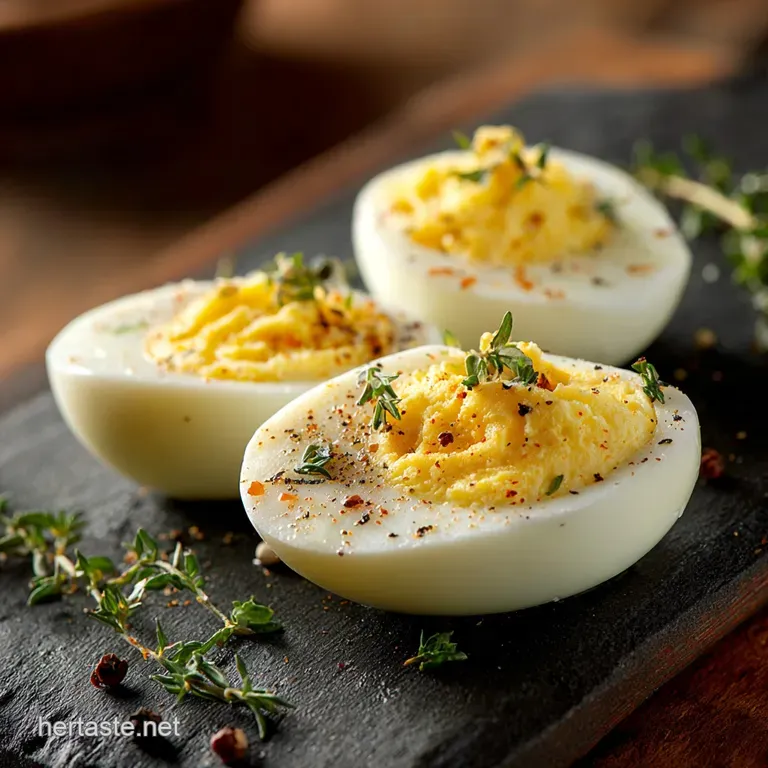
- Say Goodbye to Sticky Shells: The Ultimate Guide to Instant Pot Hard Boiled Eggs
- The Science of the Peel: Why the Instant Pot Creates Perfect Texture
- Essential Ingredients and Setup for Instant Pot Hard Boiled Eggs
- Step-by-Step: Mastering the Non-Negotiable 5 5-5 Instant Pot Hard Boiled Eggs Method
- Troubleshooting and Expert Tips for Instant Pot Hard Boiled Eggs
- Practical Kitchen Prep: Storage and Shelf Life
- Creative Ways to Use Your Perfect Instant Pot Eggs
- Recipe FAQs
- 📝 Recipe Card
Say Goodbye to Sticky Shells: The Ultimate Guide to Instant Pot Hard Boiled Eggs
If you’ve ever had the soul crushing experience of peeling a hard boiled egg only to have half the beautiful white stick stubbornly to the shell, leaving a ragged mess, you know true kitchen despair. It’s an absolute waste of time and perfectly good protein.
But imagine lifting a shell segment and having it slip off cleanly, exposing a flawless, smooth, creamy egg white ready for slicing. That, my friend, is the reality of using your Instant Pot.
This cheap, easy, and lightning fast method is a meal prep lifesaver. Hard boiled eggs are one of the most cost effective sources of protein available, perfect for quick salads, breakfast sandwiches, or just a fast snack. Stop boiling them on the stove where the temperature fluctuates and the results are unpredictable.
We are diving straight into the famous, non-negotiable 5 5-5 Instant Pot Hard Boiled Eggs method today. Trust me on this one; once you try it, you will never, ever go back to the stovetop. Let’s get you peeling like a pro.
The Science of the Peel: Why the Instant Pot Creates Perfect Texture
The beauty of the Instant Pot Hard Boiled Eggs method isn't magic; it’s just physics taking advantage of high pressure and steam. The controlled, humid environment inside the pot is key.
When you boil eggs traditionally, the temperature is never perfectly uniform, leading to inconsistent cooking and sticky shells.
Decoding the 5 5-5 Pressure Cooking Formula
The Instant Pot Hard Boiled Eggs 5 5-5 method refers to the three crucial steps, each timed precisely to five minutes. The first 5 minutes is the High Pressure Cook time. This cooks the egg perfectly, ensuring the yolk reaches that ideal texture.
The second 5 is the natural pressure release (NPR), which slightly cools the eggs and relaxes the membrane. The final 5 is the immediate, non-negotiable ice bath.
Why Pressure Cooking Trumps the Stovetop Method
The superheated steam environment created by the Instant Pot is what makes the peeling easy. This constant, high humidity heat gently separates the inner membrane from the egg white, almost acting like a lubricant. Stovetop boiling simply cannot achieve this consistent level of steam saturation.
If you want perfect peel hard boiled eggs , ditch the saucepans forever.
Necessary Tools for Instant Pot Egg Success
You don't need fancy gadgets for this process, but you absolutely must use the correct setup. You need an electric pressure cooker, obviously. You also need the metal trivet (the little wire rack that came with your IP) or a steamer basket. Never place the eggs directly on the bottom of the Instant Pot.
Direct heat transfer will make them crack.
Preventing the Dreaded Green Ring (Sulfur Science)
Have you ever cut an egg and seen that sickly green grey ring around the yolk? Yuck. That colour is formed when sulfur in the egg white reacts with iron in the yolk due to excessive or prolonged high heat.
The Instant Pot Hard Boiled Eggs method controls the cook time precisely, and the immediate ice bath stops the cooking process dead in its tracks. This dual approach ensures your yolks remain a beautiful, sunny yellow.
How Steam Detaches the Shell Membrane
Steam is the real hero here. The high pressure steam forces its way into the tiny gaps between the shell and the egg white membrane. This gentle infiltration helps stretch and detach the membrane from the white before the egg is fully cooked.
When you then shock the egg in the ice bath, the membrane shrinks rapidly and contracts, causing a clean, easy separation from the shell.
Achieving Uniform Yolk Doneness
Because the pressure cooker maintains a perfectly even temperature, the heat penetrates the eggs consistently. This results in yolks that are cooked evenly from edge to centre no overcooked edges and undercooked middles.
If you prefer a slightly softer, fudgy yolk, you can adjust your cooking time down to 4 minutes and still utilize the 5 5 release and chill steps.
Essential Ingredients and Setup for Instant Pot Hard Boiled Eggs
This is the shortest ingredient list on my entire blog, but every element plays a crucial role.
Best Practices: Fresh vs. Older Eggs
This is where the Instant Pot truly shines. Historically, you had to use eggs that were at least a week old for decent peeling results the older the egg, the weaker the membrane bond. With the Instant Pot Hard Boiled Eggs Recipe, freshness doesn't matter.
You can use eggs you just bought this morning and still get that perfect peel. I usually use large grade A eggs, straight from the fridge.
The Crucial Role of One Cup of Water
You need exactly 1 cup (240 ml) of water in the bottom of your Instant Pot (regardless of whether you’re cooking 1 egg or 12). This water is solely there to generate the high pressure steam needed for the process. Don't add more; it won't help.
Equipment Checklist (Trivets and Slings)
- Instant Pot: Any 6 quart model or larger works perfectly.
- Metal Trivet/Steamer Basket: Essential for elevating the eggs above the water.
- Ice Bath: Have a large bowl ready, fully loaded with ice and water.
| Equipment Necessity | Notes |
|---|---|
| Metal Trivet | Must be used to prevent cracking. |
| Cold Water (1 cup) | Non-negotiable for steam generation. |
| Ice Bath | Needs to be ready before the eggs finish cooking. |
step-by-step: Mastering the Non-Negotiable 5 5-5 Instant Pot Hard Boiled Eggs Method
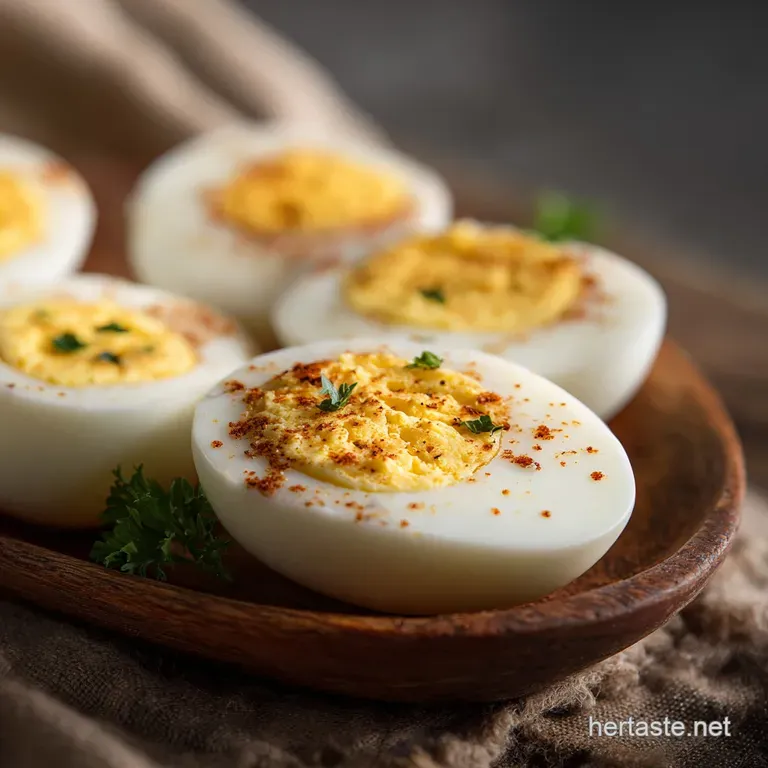
This is the standard 5 5-5 method that gives you firm, but still creamy, perfect hard boiled eggs.
Step 1: Pressure Cooking (The Initial 5 Minutes)
- Prep the Pot: Pour 1 cup of cold water into your Instant Pot liner. Place the metal trivet inside.
- Load the Eggs: Carefully arrange your eggs on the trivet. I routinely cook up to 12 eggs at once for meal prep. They can touch, but don’t try to force too many in.
- Set and Seal: Secure the lid, making sure the sealing valve is set to Sealing . Hit the Pressure Cook/Manual button and set the time for 5 minutes on High Pressure.
Step 2: Natural Release (The Crucial Resting 5 Minutes)
- Wait for the Beep: Once the 5 minutes of high pressure cooking is complete, the IP will beep and start counting up (L0:00).
- Partial NPR: Let the pressure release naturally (Natural Pressure Release) for 5 minutes . Do not touch the valve during this time. This brief resting period helps stabilize the pressure and relaxes that stubborn membrane.
- Quick Release: After 5 minutes, move the valve to the Venting position (Quick Release). Use a wooden spoon or towel to protect your hand from the burst of steam. Wait until the floating valve drops entirely.
Step 3: The Ice Bath Shock (The Final 5 Minutes)
- Immediate Transfer: As soon as the lid is open, use tongs to immediately move every single hot egg into the waiting ice bath. This step is critical.
- The Chill: Let the eggs sit completely submerged for a full 5 minutes . This shock stops the cooking and maximizes the separation of the shell.
Chef's Note: If you want a creamier yolk (medium boiled), change the initial cook time to 4 minutes, but stick absolutely to the 5 minute NPR and the 5 minute Ice Bath. The release and shock are non-negotiable for easy peeling.
The Perfect Peel Technique
After chilling, gently tap the wide end of the egg on a countertop to create a tiny crack. Then, roll the egg between your palms to crack the rest of the shell. The key is to start peeling from the wide end where the air pocket is located.
Peel under cold running water or submerged in the ice bath water; the water helps wash away shell fragments and guides the membrane right off.
Troubleshooting and Expert Tips for Instant Pot Hard Boiled Eggs
Even though this method is fantastic, sometimes things go sideways. Here are my fixes.
Adjusting for Altitude and Egg Size (XL Eggs)
If you live at a high altitude (above 3,000 feet), you may need to increase your cook time slightly to compensate for the lower boiling point. Try increasing the cook time to 6 minutes instead of 5, keeping the release and chilling times the same.
If you are using Extra Large (XL) eggs, add 1 minute to the pressure cook time.
What to Do If Your Eggs Are Still Difficult to Peel
If you followed the 5 5-5 exactly and still have peeling trouble, the culprit is usually the ice bath shock . Was the water cold enough? Did you delay the transfer even for a minute? Ensure your ice bath is mostly ice and that the eggs go in immediately.
Another trick: Try peeling the eggs 1– 2 hours later after they have fully stabilized in the fridge.
Avoiding Cracking During Pressure Cook
Cracked eggs happen when they are exposed to sudden, direct, extreme temperature shifts or vibration. Always use a trivet. If your eggs are very cold (straight from the back of a refrigerated shelf), let them sit out for 5 minutes before cooking.
This minimal warming helps prevent thermal shock.
How Long Do Hard Boiled Eggs Last (Shelled vs. Un-shelled)?
The life span varies dramatically based on whether you peel them immediately.
Safe Refrigeration Techniques
Always store eggs in an airtight container to prevent them from absorbing fridge odours no one wants a hard boiled egg that tastes faintly of leftover onion. Make sure the container is tightly sealed.
Freezing Hard Boiled Eggs: Is It Recommended?
Absolutely not. You can freeze the yolks separately for things like sauces or garnishes, but freezing the whole egg or just the white creates a terribly rubbery, watery, and sponge like texture when thawed. Do not freeze them; just enjoy them fresh or use them up within the week. If you’ve made a big batch, consider making something like a platter of Christmas Tree Deviled Eggs: Get the Perfect Piped Festive Platter which are always devoured quickly.
Practical Kitchen Prep: Storage and Shelf Life
| Storage Method | Shelf Life (Approximate) | Best Use |
|---|---|---|
| Un-shelled (In Fridge) | Up to 10 days | Better for long term meal prep. |
| Peeled (In Fridge) | 5 7 days | Best for immediate salads or snacks. |
Creative Ways to Use Your Perfect Instant Pot Eggs
Now that you have a dozen perfect eggs, let’s get cooking! I love slicing them into a Cobb Salad, mixing them into curried egg salad, or simply topping my breakfast toast.
You can also mash them up, mix them with a spicy mayonnaise and sprinkle them over something like Smashed Sweet Potatoes: Crispy Garlic Thyme Oven Recipe for a hearty, savory breakfast bowl. The possibilities are endless when the peeling isn't a headache!

Recipe FAQs
What is the 5-5-5 method for Instant Pot eggs?
The 5-5-5 method is a popular technique ensuring perfect, easy-to-peel hard boiled eggs. It refers to five minutes of High Pressure cooking, followed by five minutes of Natural Pressure Release (NPR), and finally, five minutes submerged in an immediate ice bath.
Is an Instant Pot egg rack or trivet required for this recipe?
Yes, using the trivet or a dedicated egg rack is essential for this method. The eggs must be elevated out of the water and should not touch the base of the insert pot.
Direct contact with the heating element can cause the shells to crack or result in unevenly cooked whites; the pressure cooker relies on steam, not direct boiling, to cook the eggs properly.
Can I adjust the pressure cooking time if I prefer soft boiled eggs?
Absolutely. For soft boiled eggs with a runny yolk, reduce the pressure cooking time significantly, usually to 3 minutes on High Pressure. However, you must maintain the 5 minutes of Natural Pressure Release and the immediate 5-minute ice bath to prevent overcooking once the pressure is released.
Why do some Instant Pot recipes call for 7 minutes of pressure cooking?
A 7-minute cook time is often used for eggs that have been refrigerated or for cooks who prefer a firmer, more fully set yolk that is closer to the edge of dry. While 7 minutes ensures the yolk is completely cooked through, the 5-5-5 method is generally superior for achieving a creamier texture and minimizing the grey green ring around the yolk.
My eggs still didn't peel cleanly. What might have gone wrong?
Peeling issues are usually related to two factors: the age of the egg or omitting the rapid cooling step. The immediate ice bath is crucial, as the sudden temperature change causes the egg white to contract away from the shell membrane, guaranteeing an easier peel.
Also, very fresh eggs (less than one week old) are notoriously difficult to peel, regardless of the cooking method, so using eggs that are 10 14 days old often yields better results.
Can I cook a full dozen eggs using the same 5-5-5 timing?
Yes, the 5-5-5 timing is based on the temperature and pressure required to cook the egg protein, not the quantity of eggs being processed. Whether you cook 1 egg or 12 eggs, the time required to maintain the proper pressure remains consistent.
What is the best way to store cooked Instant Pot hard boiled eggs?
Hard boiled eggs should be refrigerated within two hours of cooking. Store unpeeled eggs in an airtight container for up to seven days.
If you peel them ahead of time, store them in a container sealed with a damp paper towel or submerged in cold water (changing the water daily), and they will keep well for about five days.
Instant Pot Perfect Peel Eggs 5 5 5
Ingredients:
Instructions:
Nutrition Facts:
| Calories | 232 kcal |
|---|---|
| Protein | 19.5 g |
| Fat | 16.5 g |
| Carbs | 1.5 g |
