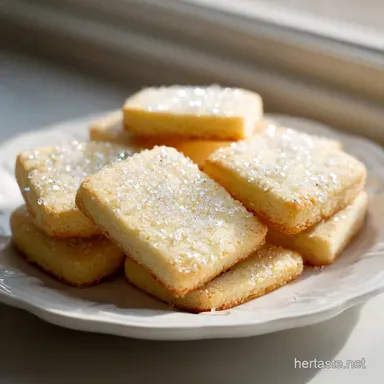
Ina Garten Shortbread Cookies: Buttery and Crisp
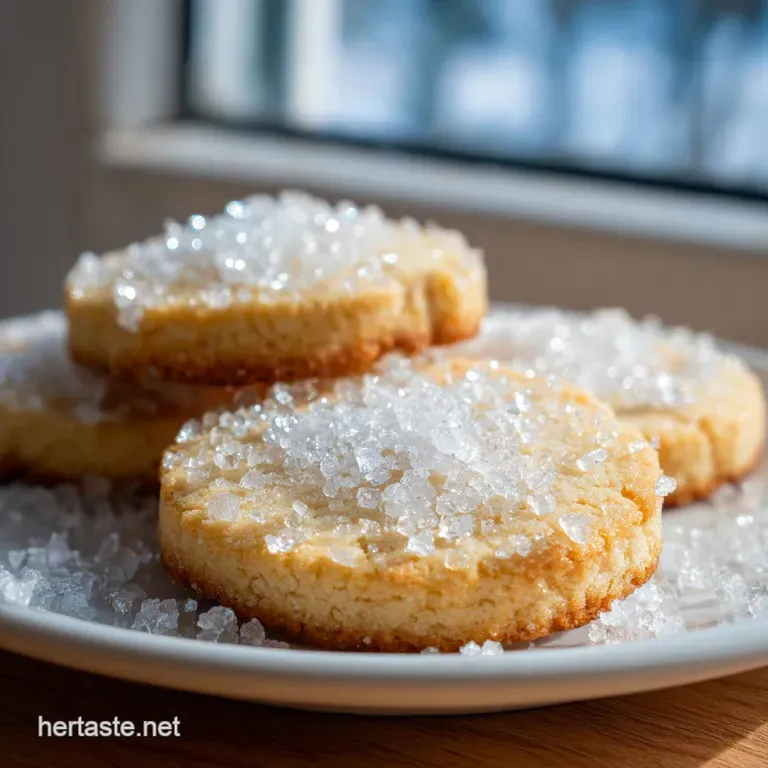
- Time: 20 min active + 1 hours chilling = Total 1 hours 45 mins
- Flavor/Texture Hook: Velvety, buttery crumb with a shatter crisp edge
- Perfect for: Afternoon tea, holiday gift tins, or a cozy rainy day
The first thing that hits you isn't the taste, it's that heavy, golden scent of browning butter and warm vanilla wafting through the hallway. It's the kind of aroma that makes everyone in the house wander into the kitchen asking, "What are you making?" I remember the first time I tried this, I was desperate for something that felt fancy but didn't require a trip to a specialty store.
I wanted a cookie that felt rustic and comforting, something that tasted like a European bakery but felt like home. This specific approach is a total win because it doesn't rely on complex techniques, just patience with the chilling process.
If you've been looking for a reliable, buttery treat, this ina garten shortbread cookies recipe is the one. It’s simple, straightforward, and gives you that signature "snap" that defines a real shortbread.
Ina Garten Shortbread Cookies Recipe
The magic here is in the simplicity. We aren't adding a dozen different extracts or fancy sugars. Instead, we're letting the butter do the heavy lifting. When you beat the butter and sugar, you're creating tiny air pockets that keep the cookie from becoming a hard brick.
But here is the real secret: the chill. I once tried to skip the fridge step because I was impatient. The result? My cookies spread into one giant, buttery pancake on the tray. Don't be like me. Let that dough firm up so the butter stays cold until it hits the oven.
This recipe produces a cookie that is velvety on the inside and slightly crisp on the edges. It’s the kind of treat that pairs perfectly with a strong cup of coffee or a glass of cold milk. It's not about being complex, it's about getting the basics exactly right.
Key Techniques Explained
Fat Encapsulation: The high butter content coats the flour proteins, which stops gluten from forming. This is what gives the cookie its "short" or crumbly texture.
Air Incorporation: Beating the butter and sugar creates a stable foam. This ensures the cookies have a light lift instead of being overly dense.
Temperature Control: Chilling the dough solidifies the fats. This prevents the cookies from spreading too fast, keeping those clean, rectangular edges.
Sugar Crystallization: The extra sprinkle of sugar on top creates a thin, crackling crust. It adds a sensory contrast to the soft interior.
| Style | Chill Time | Texture | Best For |
|---|---|---|---|
| Fast Path | 0 mins | Softer, spread | Quick cravings |
| Classic | 1 hours | Shatter crisp | Gift giving |
| Pro | 24 hours | Deep flavor | Maximum snap |
Component Analysis
| Ingredient | Science Role | Pro Secret |
|---|---|---|
| Unsalted Butter | Provides structure and richness | Use European style butter for more fat |
| All Purpose Flour | Creates the bulk/frame | Measure by weight to avoid dryness |
| Granulated Sugar | Adds sweetness and crispness | Don't overbeat after adding flour |
| Vanilla Extract | Aroma and depth | Add at the very end to keep scent |
What You'll Need
- 1 cup (225g) unsalted butter, softened Why this? High fat content creates the classic melt away feel
- 1/2 cup (60g) granulated sugar Why this? Provides the necessary crispness and sweetness
- 2 cups (250g) all purpose flour Why this? Standard protein level for a balanced crumb
- 1/2 tsp (3g) salt Why this? Cuts through the richness of the butter
- 1 tsp (5ml) vanilla extract Why this? Adds that comforting, bakery style aroma
- 2 tbsp (25g) granulated sugar (for sprinkling) Why this? Creates a shimmering, crunchy top
If you're looking for a different vibe, you could try strawberry shortbread cookies for something a bit more fruity and colorful. For the base of this recipe, though, stick to the classics.
Equipment Needed
You don't need a professional kitchen for this, but a few things make it easier. A stand mixer such as KitchenAid is great for the creaming stage, but a hand mixer works just as well. You'll also need a rolling pin and a sharp knife or a rectangle cutter to get those clean lines.
A parchment lined baking sheet is a must. While the recipe says ungreased, I've found that parchment prevents any sticking and makes cleanup a breeze. Finally, have some plastic wrap ready for the chilling phase.
Key Steps
- Beat the softened butter and sugar together on medium high speed until the mixture is light, fluffy, and pale in color. Note: This incorporates the air needed for texture
- Slowly add the flour and salt on low speed, mixing just until the dough comes together. Stop as soon as the flour streaks disappear.
- Stir in the vanilla extract. Note: Stir by hand here to avoid overworking the gluten
- Shape the dough into a log or press it into a disk, wrap tightly in plastic wrap, and refrigerate for at least 1 hour. The dough should feel firm and cool to the touch.
- Preheat your oven to 325°F (160°C). Note: A lower temp ensures the cookies bake evenly without burning
- Roll the chilled dough to 1/2 inch thickness and cut into rectangles. Use a sharp knife to avoid squishing the edges.
- Place cookies on an ungreased baking sheet and sprinkle the tops with the additional granulated sugar.
- Bake for 20 to 25 minutes until the edges begin to brown slightly. You should smell a toasted, buttery scent filling the kitchen.
Chef's Tip: If your kitchen is very warm, pop the cut rectangles back in the fridge for 10 minutes right before they go into the oven. This keeps them from spreading.
Pro Tips & Pitfalls
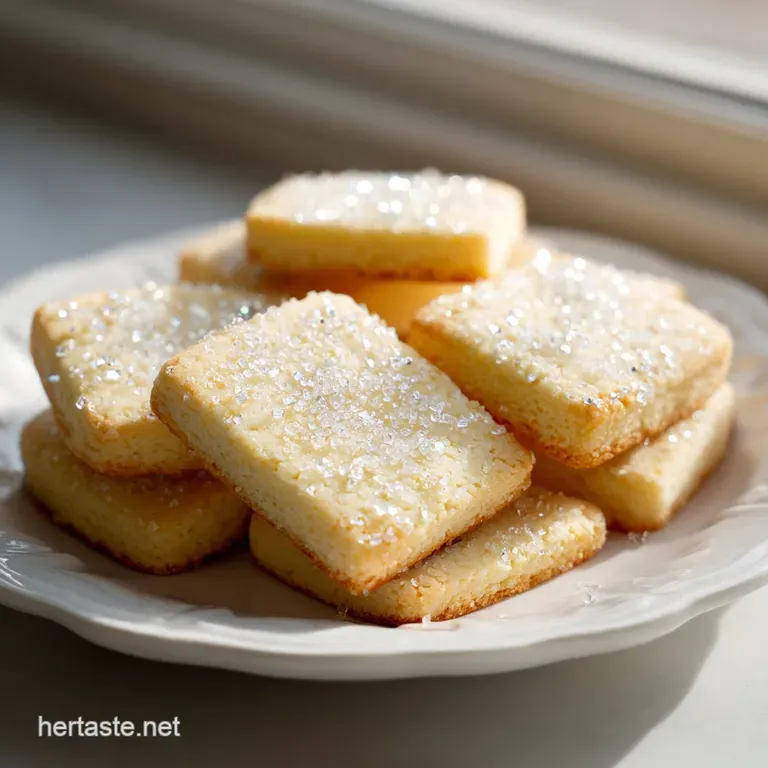
One thing I've learned the hard way is the "softened butter" trap. If your butter is too soft (almost melting), your cookies will be flat. It should be cool to the touch but leave an indent when pressed. According to King Arthur Baking, temperature is the most critical variable in shortbread.
Another trick: don't over roll. If you press too hard with the rolling pin, you push the air out of the dough, and you lose that velvety texture. Use a light touch.
Troubleshooting Common Issues
| Issue | Solution |
|---|---|
| Why Your Cookies Spread | If your cookies look more like puddles than rectangles, it's almost always a temperature issue. Either the butter was too warm when mixing, or the dough didn't chill long enough. |
| Why the Texture is Gritty | This happens if the sugar isn't fully incorporated during the creaming stage. Ensure the butter and sugar are pale and fluffy before adding flour. |
| Why the Edges Burned | Your oven might run hot. Check your cookies at the 20 minute mark. If the edges are dark but the center feels soft, lower your oven by 10 degrees next time. |
Common Mistakes Checklist:
- ✓ Used softened butter, not melted butter
- ✓ Chilled dough for the full hour
- ✓ Mixed flour on low speed
- ✓ Rolled to a consistent 1/2 inch thickness
- ✓ Checked for slight browning at the edges
Dietary Adaptations
For those avoiding gluten, you can swap the all purpose flour for a 1:1 gluten-free blend. Note that gluten-free flour can sometimes make the cookie more fragile, so let them cool completely on the pan before moving them.
If you want a nuttier profile, replace 1/4 cup of the flour with almond flour. This adds a lovely richness and a slightly more rustic crumb. It's a great way to vary the ina garten shortbread cookies recipe without changing the fundamental process.
| Original Ingredient | Substitute | Why It Works |
|---|---|---|
| All Purpose Flour | 1:1 GF Blend | Similar structure. Note: May be slightly more crumbly |
| Unsalted Butter | Vegan Butter (sticks) | Similar fat content. Note: Flavor is slightly more tangy |
| Granulated Sugar | Caster Sugar | Finer grains. Note: Dissolves faster for a smoother texture |
If you love the idea of a filled cookie, you might enjoy Austrian Linzer Cookies which use a similar buttery base but add a jam center.
Adjustment Guidelines
Cutting the Batch in Half: If you only need 12 cookies, use 1/2 cup butter, 1/4 cup sugar, and 1 cup flour. Use a smaller log for chilling. Your bake time will likely decrease by about 3-5 minutes since there's less mass in the oven.
Doubling the Batch: When making 48 cookies, work in batches. Don't try to cream 2 cups of butter in a small bowl. I recommend keeping the salt and vanilla exactly as scaled, but be careful not to over mix the larger volume of flour.
Baking Adjustments: If you're baking two trays at once, rotate them halfway through (top to bottom, front to back). This ensures that the bottom tray gets the same heat as the top one. Lower your temperature to 315°F if you notice the bottom cookies are browning too fast.
Texture Truths
You might hear people say you need to use powdered sugar for shortbread to get that "melt in-the mouth" feel. This is a myth. Granulated sugar, when creamed properly with butter, provides the same result but adds a better crunch to the exterior.
Another common belief is that you must "cut in" the butter with a pastry cutter. While that works for pie crusts, the creaming method used in this recipe creates a lighter, more joyful texture that feels less like a cracker and more like a cookie.
Storage Guidelines
Fridge and Freezer: These cookies stay fresh in an airtight container at room temperature for about 5 days. In the fridge, they'll last 2 weeks. For long-term storage, freeze them for up to 3 months.
Wrap them individually in parchment paper and then place them in a freezer bag to prevent them from picking up "freezer smells."
Zero Waste Tips: Don't throw away the butter wrappers if they have a bit of grease left. Use a rubber spatula to scrape every last bit into the bowl. If you have leftover dough scraps from cutting your rectangles, don't toss them.
Roll them into small balls, flatten them, and bake them as "tester" cookies.
Pairing Ideas
These cookies are a blank canvas. They go beautifully with a tart raspberry jam or a thin layer of lemon curd. If you're serving them for a brunch, try pairing them with fresh sliced pears and a drizzle of honey.
For a drink pairing, I love a dark roast coffee or a spicy masala chai. The bitterness of the coffee cuts through the richness of the butter, making each bite feel fresh. If you're feeling fancy, a glass of dessert wine or a cold glass of sparkling cider works brilliantly for a holiday spread.
Recipe FAQs
What dessert Ina Garten calls the best recipe she's ever developed?
Her shortbread cookies. She frequently describes this specific recipe as the finest one she has ever created due to its perfect texture.
What are common shortbread baking mistakes?
Overmixing the dough or skipping the chilling phase. Overworking the flour makes cookies tough, while skipping the fridge time causes them to lose their shape and spread.
What is the 3:2:1 rule for shortbread?
A ratio of three parts flour, two parts butter, and one part sugar. This traditional proportion creates the classic sandy crumb associated with authentic Scottish shortbread.
When making shortbread cookies, should you use salted or unsalted butter?
Use unsalted butter. This allows you to control the exact amount of salt added to the dough for a more balanced flavor profile.
How to prevent shortbread cookies from spreading in the oven?
Chill the dough for at least one hour before rolling. Cold fat prevents the dough from melting too quickly, ensuring the rectangles hold their sharp edges during baking.
Why is the texture of my shortbread cookies gritty?
The sugar was not fully incorporated during the creaming stage. Beat the butter and sugar on medium-high until the mixture is pale and fluffy before adding the flour.
How to store shortbread cookies to keep them fresh?
Keep them in an airtight container. They stay fresh at room temperature for 5 days or in the freezer for up to 3 months. If you enjoyed mastering this buttery texture, see how the same principle works in our homemade chessmen.
Ina Garten Shortbread: Shatter Crisp