Artisan Marshmallow Recipe with Natural Honey
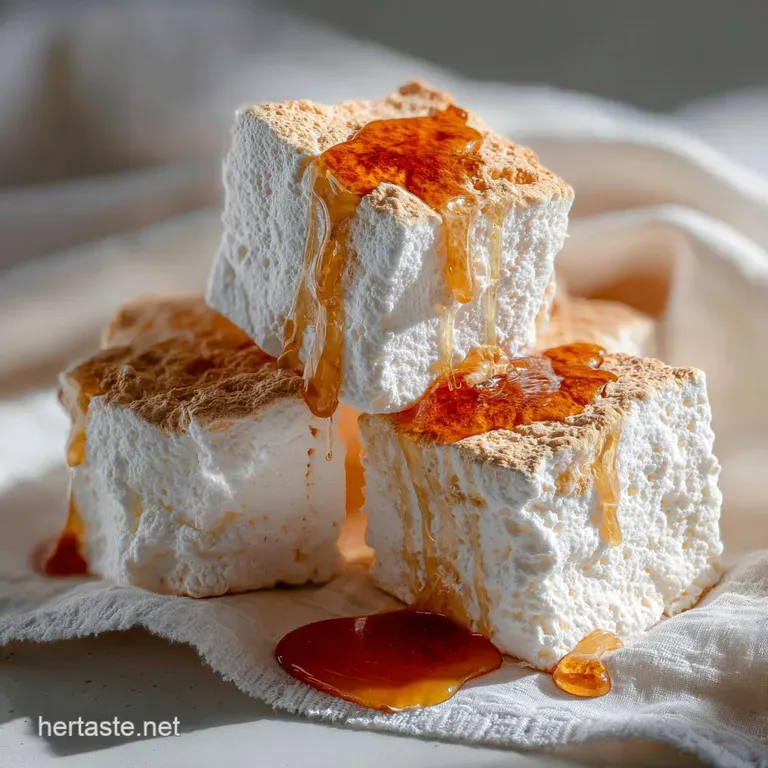
- Time: Active 15 minutes, Passive 6 hours, Total 6 hours 15 mins
- Flavor/Texture Hook: Spongy, floral honey notes with a clean, melt in-the mouth finish
- Perfect for: Gourmet hot cocoa toppings, campfire roasting, or thoughtful homemade gifting
- Stop Buying Bags: Try This Marshmallow Recipe
- Finding Flavor Freedom with This Marshmallow Recipe
- Crucial Benchmarks for Crafting Aerated Honey Clouds
- Analyzing the Essential Components of Homemade Fluff
- Essential Gear for Successfully Creating Marshmallow Magic
- A Detailed Guide to Achieving Pillowy Perfection
- Solving Frequent Pitfalls During the Whipping Process
- Creative Ways to Customize Your Sweet Treats
- Keeping Your Confections Soft and Fresh Longer
- Ideal Pairings for Your Handcrafted Sweet Creations
- Recipe FAQs
- 📝 Recipe Card
Stop Buying Bags: Try This Marshmallow Recipe
The first time I stood over a stand mixer, watching a clear, golden syrup transform into a shimmering, white mountain of fluff, I knew I could never go back. There is a specific moment in this process where the whirring blades catch the light and the mixture turns from a sticky liquid into something that looks like a captured cloud.
The aroma of floral honey and warm vanilla fills the kitchen, replacing that weird, chemical plastic smell you get when you rip open a bag of the mass produced stuff.
Honestly, I used to be intimidated by candy thermometers and gelatin blooms. I thought it was a dark art reserved for pastry chefs with expensive degrees. But after a few sticky disasters one of which involved a bowl of "marshmallow" that was more like a bouncy ball than a treat I figured out the rhythm.
It is all about the temperature and the timing. Once you see how easy it is to whip up a batch using real ingredients, you will realize that the "problem" of store-bought junk has a very sweet, very homemade solution.
We are going to skip the corn syrup entirely here. Instead, we are using honey and sea salt to create a flavor profile that is deep and nuanced rather than just cloyingly sweet. This isn't just a snack; it's a technical triumph you can eat.
We will walk through exactly how to get that signature "shatter" on the outside when toasted, while keeping the inside as soft as a pillow. Trust me, your hot chocolate is about to get a serious upgrade.
Finding Flavor Freedom with This Marshmallow Recipe
- Protein Matrix Formation: Gelatin acts as the structural scaffolding, trapping air bubbles within a network of proteins to create that iconic bounce.
- Sucrose Inversion Control: Using honey provides natural invert sugar, which prevents the marshmallow from becoming grainy or crystallizing over time.
- Hydrocolloid Stabilization: The "bloom" phase ensures every gelatin granule is fully hydrated, which prevents a gritty texture in the final set.
- Kinetic Aeration: High speed whipping introduces millions of tiny air pockets, expanding the volume of the syrup by nearly 300 percent.
| Method | Time | Texture | Best For |
|---|---|---|---|
| Stand Mixer | 10 minutes | Maximum loft and airiness | Traditional fluffy cubes |
| Hand Mixer | 18 minutes | Denser, chewier consistency | Sturdy shapes for roasting |
| Food Processor | 5 minutes | Low volume, very dense | Filling for sandwich cookies |
The choice of equipment really changes the "vibe" of your fluff. While a stand mixer is the gold standard for getting that velvety, cloud like height, you can absolutely make this work with a hand mixer if you have the patience and a strong wrist.
Just know that the more air you beat into the mixture, the softer the final bite will be.
Crucial Benchmarks for Crafting Aerated Honey Clouds
The physics of a successful batch depends on the transition from a liquid to a solid foam. This is where we pay attention to the "soft ball" stage of the syrup. If you stop too early, your marshmallows will weep and turn into a sticky puddle by morning. If you go too far, they will be tough and rubbery.
| Component | Science Role | Pro Secret |
|---|---|---|
| Gelatin Powder | Structural Binder | Bloom in ice cold water to prevent "cooked" protein smells |
| Honey | Humectant | Use a light colored honey like Clover for a neutral, clean base |
| Arrowroot Powder | Moisture Barrier | Mix with coconut sugar to create a silky, non clumping dust |
Analyzing the Essential Components of Homemade Fluff
- 3 tbsp Unflavored Gelatin Powder: This provides the "snap" and structure. Why this? Essential for setting; look for high bloom strength for the best bounce.
- Substitute: Agar Agar (Note: Texture will be more brittle and less "spongy").
- 1/2 cup Cold Filtered Water (for bloom): This hydrates the gelatin. Why this? Filtered water ensures no chlorine taste interferes with the delicate honey scent.
- Substitute: Cold fruit juice for a flavored version.
- 1/2 cup Honey: Our primary sweetener and stabilizer. Why this? Adds depth of flavor and prevents sugar crystallization better than white sugar.
- Substitute: Maple syrup (Note: Creates a darker, more earthy marshmallow).
- 1/2 cup Water (for syrup): The medium for dissolving the honey and salt. Why this? Standard ratio to reach the correct temperature without burning the sugars.
- Substitute: Strong brewed coffee (similar to the base in this How to Make recipe).
- 1/4 tsp Sea Salt: The flavor balancer. Why this? Cuts through the sweetness and highlights the floral notes of the honey.
- Substitute: Himalayan pink salt.
- 1 tsp Pure Vanilla Bean Paste: For those beautiful little black flecks. Why this? Offers a more intense, rounded aroma than liquid extract.
- Substitute: 1 tbsp vanilla extract.
- 1/4 cup Arrowroot Powder: The coating agent. Why this? Keeps the cubes from sticking without the chalky taste of cornstarch.
- Substitute: Tapioca starch.
- 2 tbsp Powdered Coconut Sugar: Adds a hint of caramel to the dusting. Why this? Lower glycemic index and a warmer color than white powdered sugar.
- Substitute: Traditional powdered sugar.
Essential Gear for Successfully Creating Marshmallow Magic
You don't need a lab, but precision is your best friend here. A stand mixer is almost non negotiable if you value your arm muscles, as the whipping process takes a solid ten minutes of high speed action. You will also need a small, heavy bottomed saucepan.
Thin pans are prone to hot spots, which can scorch the honey and leave you with a bitter, burnt sugar taste.
A candy thermometer is the most vital tool in your kit. Guessing the temperature by looking at the bubbles is a recipe for heartbreak. We are aiming for 240°F, which is the magic number where the water content is just right for a stable set. Finally, keep a parchment lined 8x8 inch pan ready.
Once that fluff is whipped, it sets fast, and you do not want to be fumbling with paper while the mixture hardens in the bowl.
A Detailed Guide to Achieving Pillowy Perfection
- Bloom the gelatin. Sprinkle 3 tbsp gelatin over 1/2 cup cold water in your mixer bowl. Note: Let it sit for at least 5 minutes until it looks like thick applesauce.
- Heat the syrup. Combine 1/2 cup honey, 1/2 cup water, and salt in a saucepan.
- Boil with precision. Bring to a boil over medium heat until the thermometer reads exactly 240°F.
- Listen for the sizzle. When the syrup hits the gelatin, it should hiss slightly as the hot liquid dissolves the bloom.
- Whisk on low. Turn the mixer to low and slowly pour the hot syrup down the side of the bowl.
- Increase to high. Whip on the highest setting until the bowl feels lukewarm and the mixture is white and billowing.
- Add the aroma. Pour in the vanilla bean paste during the last 2 minutes of whipping.
- Prepare the landing. Dust your parchment lined pan generously with the arrowroot and coconut sugar mix.
- Transfer the fluff. Pour the mixture into the pan until the surface is level and glossy.
- Set and cure. Leave the pan uncovered at room temperature until the surface is dry to the touch and bouncy (about 6 hours).
Chef's Note: If your kitchen is very humid, the marshmallows might take longer to cure. You can lightly dust the top with extra arrowroot if it feels tacky after four hours.
Solving Frequent Pitfalls During the Whipping Process
Why Your Marshmallows Are Weeping
If you find a puddle of syrup at the bottom of your pan the next day, it usually means the syrup didn't reach a high enough temperature. That extra water remains liquid and eventually seeps out of the protein structure. It's frustrating, but it's a great lesson in thermometer calibration.
Why Your Marshmallows Are Rubbery
This usually happens if the mixture was whipped for too long after it cooled down. The gelatin starts to set while it is still being agitated, which breaks the delicate bonds and creates a tough, chewy texture instead of a soft melt.
| Problem | Root Cause | Solution |
|---|---|---|
| Sticky Cubes | High humidity or low dust | Increase arrowroot in the coating; store with silica gel |
| Grainy Texture | Sugar crystallized | Ensure all honey is dissolved before the boil starts |
| Flat Marshmallows | Mixer speed too low | Use high speed to incorporate maximum air volume |
Common Mistakes Checklist ✓ Never scrape the sides of the saucepan while boiling (prevents crystals). ✓ Ensure the mixer bowl is bone dry before starting the bloom. ✓ Don't try to rush the setting process in the fridge; room air is better for the cure.
✓ Grease your knife or pizza cutter with a tiny bit of oil before slicing. ✓ Sift the dusting powder to ensure there are no clumps on the surface.
Creative Ways to Customize Your Sweet Treats
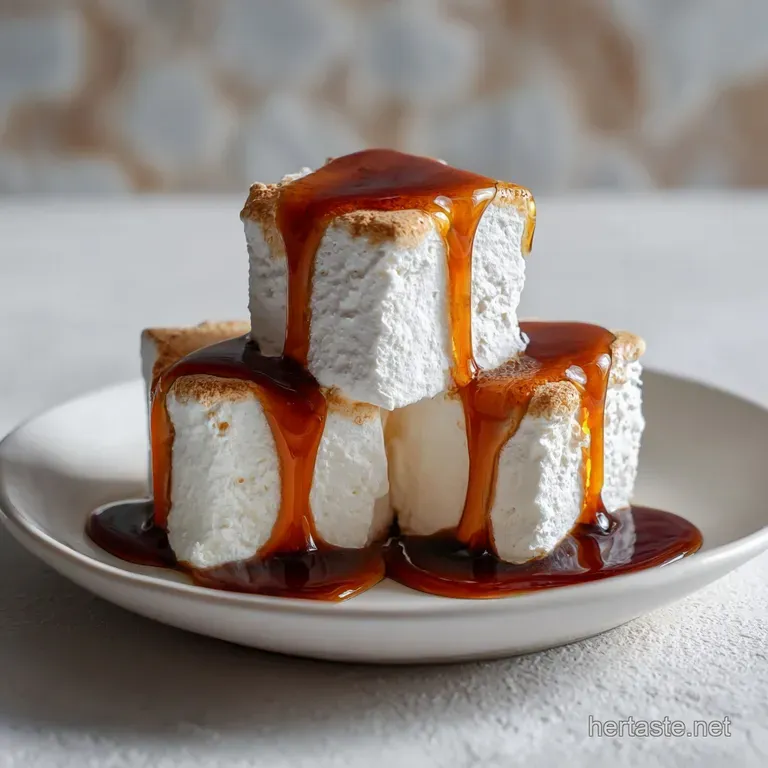
Once you have mastered the base, the variations are endless. If you want a deep, caramelized flavor, try drizzling some SugarFree Caramel Sauce recipe over the fluff before it sets for a marbled look. It adds a sophisticated saltiness that pairs beautifully with the honey.
| Premium | Budget | Flavor Impact | Savings |
|---|---|---|---|
| Vanilla Bean Paste | Vanilla Extract | Less visual "speckle" but same great scent | Save $15 per jar |
| Manuka Honey | Clover Honey | Milder floral notes, lighter color | Save $20 per batch |
| Arrowroot Powder | Cornstarch | Slightly more "chalky" mouthfeel | Save $3 per bag |
If you want a caffeine kick, replace the water in the syrup with cold brew concentrate. This creates an espresso marshmallow that is absolutely transformative when dropped into a cup of warm milk. For a holiday vibe, you can add a drop of peppermint oil and a tiny bit of beet juice powder for a natural pink swirl.
Keeping Your Confections Soft and Fresh Longer
Homemade marshmallows are a "live" product compared to the shelf stable ones at the store. To keep them from turning into hard sugar bricks, store them in an airtight container at room temperature. They will stay perfectly spongy for about two weeks.
If you live in a very dry climate, placing a small piece of bread in the container can help maintain the internal moisture of the cubes.
For long term storage, you can actually freeze these! Because of the high sugar and air content, they don't freeze solid. You can pull a cube out of the freezer and it will be ready to eat in about five minutes.
Just make sure they are well tossed in their arrowroot coating before freezing so they don't fuse into one giant marshmallow mass.
Don't toss the leftover "scraps" from when you trimmed the edges. Those little bits are amazing when melted down. You can fold them into rice cereal treats or use them as a base for a quick marshmallow fluff spread.
If you have extra dusting powder left in the pan, save it in a jar for your next batch or use it to sweeten a bowl of oatmeal.
Ideal Pairings for Your Handcrafted Sweet Creations
These marshmallows are essentially the "jewelry" of the dessert world. They make everything look more expensive and intentional. For a real show stopper, try placing a few large toasted cubes on top of a How to Bake recipe involving a dark chocolate ganache. The contrast between the bitter chocolate and the floral honey marshmallow is pure sophistication.
If you are feeling adventurous, skip the chocolate and go for fruit. The honey notes in this marshmallow recipe pair exceptionally well with tart flavors like passionfruit or raspberry. You can even skewer them with fresh strawberries and give them a quick torching for a simplified version of a summer kebab.
- For a classic campfire: Pair with high percentage dark chocolate and graham crackers.
- For a cozy night: Drop two large cubes into a mug of thick Italian style hot chocolate.
- For a party platter: Arrange them next to sliced green apples and a salty nut butter dip.
There is something deeply satisfying about watching a guest realize that the marshmallow they just ate didn't come from a factory. It has a soul, a scent, and a texture that invites you to slow down and savor the sweetness. Now, get that mixer whirring!
Recipe FAQs
What are the core ingredients of a standard marshmallow?
Gelatin, honey (or corn syrup), water, and sugar (or powdered coating) are essential. Gelatin provides the structure, while the hot syrup mixture (sugar/honey and water) is whipped to incorporate air, creating the foam.
How can I make marshmallows using just three main ingredients?
You need gelatin, a liquid sweetener, and water to make a basic marshmallow. For a true three ingredient version, you would bloom the gelatin in water, then mix it into a hot syrup made only of honey and water, skipping the external dusting powder.
Is marshmallow fluff simply melted down commercial marshmallows?
No, traditional fluff is not the same as simply melting a store-bought cube. Fluff uses specific stabilizers and high speed aeration to create a stable, pipeable emulsion, which is different from the texture you get by heating pre-set gelatin.
How do I make old-school, traditional marshmallows without modern stabilizers?
Bloom gelatin thoroughly in cold water before adding the hot sugar syrup. Old-school methods relied heavily on precise sugar stages (soft ball stage, 240°F) and extensive whipping to build structure, much like when you are trying to master texture control for items like our Pecan Pie: The Classic Southern Recipe That Sets Perfectly.
What temperature must the sugar syrup reach to ensure the marshmallows set correctly?
The syrup must hit exactly 240°F (soft ball stage). This temperature ensures the correct water content has been cooked out, allowing the gelatin structure to form a stable, non-weeping foam upon cooling.
Why are my homemade marshmallows sticking together even after dusting?
This usually indicates the humidity is too high or the coating mixture is insufficient. Ensure you liberally coat the cubes with a mixture of arrowroot and powdered sugar, or use a knife lightly oiled with coconut oil when cutting them.
Can I substitute honey for corn syrup and still achieve a light texture?
Yes, honey works well and adds superior flavor, but monitor the texture carefully. Honey contains natural invert sugars which keep the marshmallow soft, similar to how acid balances richness in recipes like our Frozen Lemonade Concentrate: Bright, Bracing Homemade Recipe.
Honey Marshmallow Recipe
Ingredients:
Instructions:
Nutrition Facts:
| Calories | 35 calories |
|---|---|
| Protein | 1g |
| Fat | 0g |
| Carbs | 8.2g |
| Fiber | 0.1g |
| Sugar | 6.8g |
| Sodium | 25mg |
