Traditional Sauerkraut Recipe
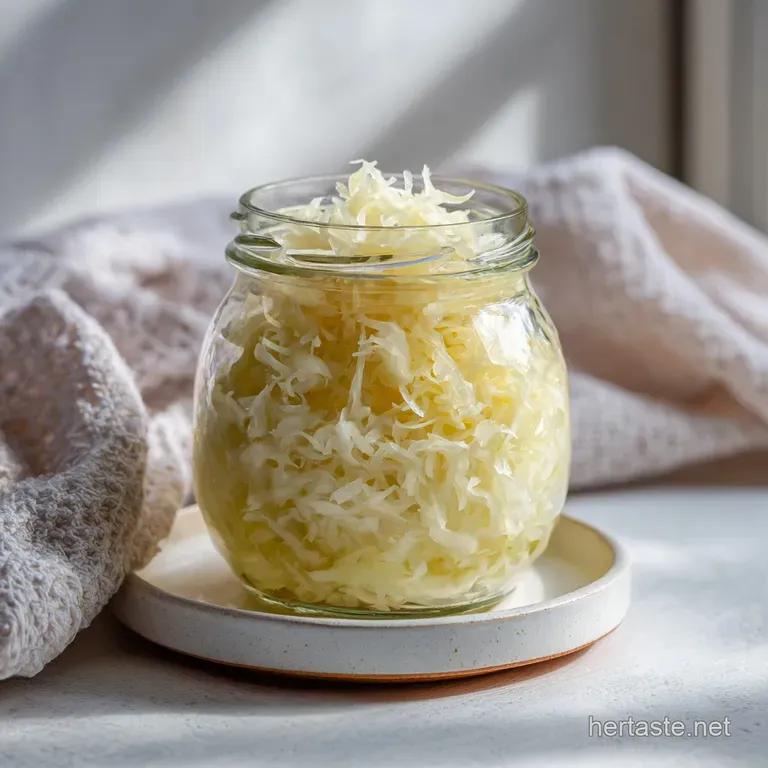
- Time: Active 25 minutes, Passive 21 days, Total 21 days 25 mins
- Flavor/Texture Hook: Sharply tangy with a satisfying, glass like shatter
- Perfect for: Gut health enthusiasts and topping grilled sausages
- Create a Tangy Traditional Sauerkraut Recipe at Home
- Why This Fermentation Method Actually Works
- Precise Metrics for a Perfect Batch
- Selecting Quality Ingredients for Longevity
- Essential Tools for Successful Fermentation
- Transforming Cabbage into Probiotic Gold
- Solving Frequent Kraut Making Issues
- Innovative Ways to Change the Flavor
- Keeping Your Kraut Fresh Longer
- Creative Ideas for Serving Your Kraut
- Debunking Common Fermentation Myths
- High in Sodium
- Sauerkraut Recipe FAQs
- 📝 Recipe Card
Create a Tangy Traditional Sauerkraut Recipe at Home
Have you ever stood in your kitchen, cabbage in hand, and wondered how a little salt could turn something so simple into a zingy, crunch heavy masterpiece? I remember my first attempt vividly.
I didn't massage the leaves long enough, and I ended up with a jar of dry, salty cabbage that never quite "soured." It was a total flop, but it taught me the most important lesson in fermentation: the brine is everything.
When you finally get it right, the first thing you notice is that crisp, peppery aroma filling the room as you shred the head. It's a fresh, cool scent that promises something special.
Now, I don't go a week without a jar of this stuff bubbling away on my counter. There is something deeply satisfying about watching the tiny bubbles rise, knowing that invisible, helpful bacteria are doing all the hard work for you. It's not just about the tang, though that’s a huge part of it.
It’s about that specific, clean "snap" when you bite into a cold forkful straight from the fridge. Trust me, once you've tasted the zing of a batch you made yourself, the store-bought versions will feel flat and uninspired.
We are going to skip the shortcuts today. No vinegar, no "quick" hacks that ruin the texture. We’re leaning into the traditional way because that’s how you get the most complex flavor profile.
You'll learn exactly how much pressure to use when packing the jar and why the smell of your kitchen will change from grassy to bright and yeasty over the next three weeks. Let's get your hands messy and make something your gut will actually thank you for.
Why This Fermentation Method Actually Works
The Physics of the Crunch: Salt draws out the cabbage’s internal moisture through osmosis while simultaneously strengthening the pectin in the cell walls. This ensures the leaves stay firm and snappy rather than turning into a soft, unappealing mush during the long sit.
- Selective Environment: A 2% salt concentration inhibits "bad" spoilage bacteria while allowing salt tolerant Lactobacillus to thrive.
- Anaerobic Transformation: Keeping the cabbage submerged prevents mold growth by cutting off oxygen, which is essential for the fermentation to stay clean.
- Lactic Acid Production: As the bacteria consume natural sugars, they produce lactic acid, which acts as a natural preservative and provides that signature tang.
- Flavor Development: Caraway and juniper berries release their oils slowly into the brine, creating a layered, aromatic profile that develops over weeks.
| Method | Total Time | Texture | Flavor Profile |
|---|---|---|---|
| Traditional Ferment | 21 days | Extreme crunch | Complex, acidic, deep |
| Quick Pickling | 1 hour | Soft/Wilting | Sharp vinegar, one note |
| Warm Ferment | 7 days | Slightly soft | Mild, yeasty, light |
The length of time you choose fundamentally changes the structure of the cabbage. While a week long ferment is edible, the three week mark is where the magic happens, allowing the harsher sulfur notes of the raw cabbage to mellow out completely into a refined, savory condiment.
Precise Metrics for a Perfect Batch
Getting the ratio right is the difference between a successful ferment and a jar of mold. We use weight measurements whenever possible because "one medium cabbage" can vary wildly. For this recipe, we are aiming for roughly 900g of prepared vegetable.
| Ingredient | Science Role | Pro Secret |
|---|---|---|
| Green Cabbage | Primary sugar source | Use heavy, dense heads for more juice and better crunch. |
| Sea Salt | Microbial regulator | Avoid iodized salt; it can discolor the kraut and stall bacteria. |
| Juniper Berries | Anti microbial boost | Lightly crush them to release essential oils that fight off wild yeasts. |
If you find yourself making a massive feast, this kraut is the ultimate palate cleanser. It cuts through the richness of a buttery Green Bean Casserole Recipe perfectly, refreshing your taste buds between every bite.
Selecting Quality Ingredients for Longevity
For a successful sauerkraut recipe, you need ingredients that haven't been sitting under fluorescent lights for weeks. Look for cabbage that feels heavy for its size; that weight is the water we need to create our brine.
- 1 medium green cabbage (approx. 2 lbs / 900g): Shredded thin. Why this? Thin shreds provide more surface area for salt to extract water quickly.
- 1.5 tablespoons sea salt: Non iodized is best. Why this? Iodine can inhibit the growth of the beneficial lactobacillus we want.
- 1 teaspoon caraway seeds: Whole seeds. Why this? They provide the classic earthy, anise like flavor found in traditional German recipes.
- 4 juniper berries: Whole. Why this? These add a subtle piney aroma and help keep the ferment stable.
| Original Ingredient | Substitute | Why It Works |
|---|---|---|
| Sea Salt | Pink Himalayan Salt | Contains trace minerals that support fermentation. Note: Ensure it is finely ground. |
| Caraway Seeds | Fennel Seeds | Offers a sweeter, milder licorice flavor. |
| Green Cabbage | Red Cabbage | Similar structure. Note: Will turn the entire jar a vibrant, deep purple. |
Using red cabbage is a great way to add visual flair to your table, but keep in mind it can sometimes have a slightly earthier, tougher texture than the green variety. If you're looking for a sweet finish to your meal after all those fermented flavors, a classic Pecan Pie recipe provides the perfect sugary contrast to the kraut's acidity.
Essential Tools for Successful Fermentation
You don't need fancy crocks to make a great sauerkraut recipe, but clean equipment is non negotiable. A wide mouth Mason jar is my favorite because it's easy to pack and easy to clean.
- Wide mouth glass jar: 1 liter capacity is perfect for this amount of cabbage.
- Large mixing bowl: Glass or stainless steel only; avoid plastic that might hold old food smells.
- Fermentation weight: A glass disk or even a smaller jar filled with water to keep everything submerged.
- Sharp chef's knife: Or a mandoline if you want perfectly uniform, thin ribbons.
Chef's Tip: If you don't have a fermentation weight, take one of the outer cabbage leaves you removed at the start, fold it up, and wedge it on top of the shredded cabbage to keep the small bits from floating to the surface.
Transforming Cabbage into Probiotic Gold
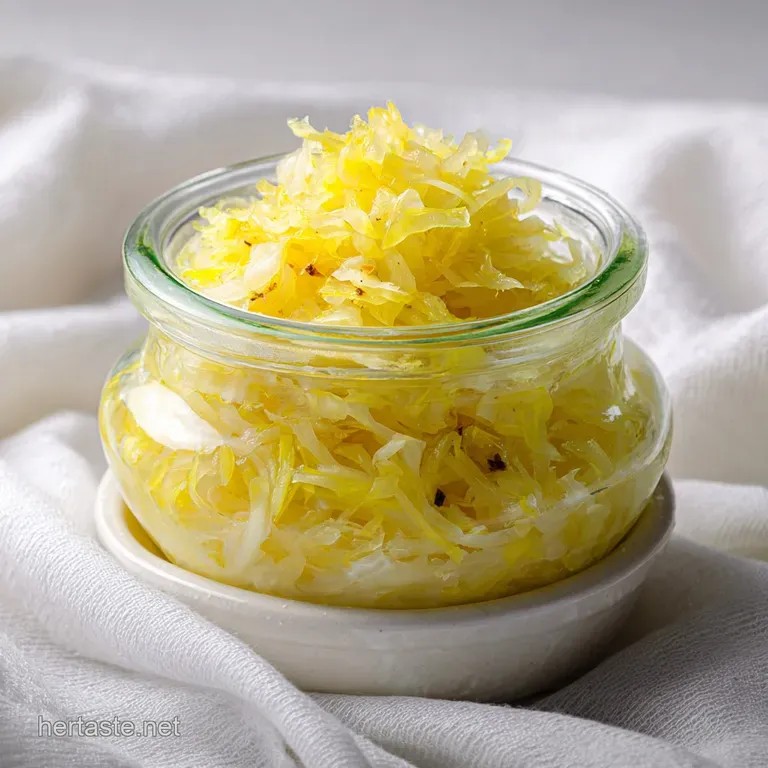
Phase 1: The Precision Shred and Salt
Remove the tattered outer leaves of your 900g cabbage and set one aside. Quarter the head, remove the core, and slice the leaves into very thin ribbons. Smell Checkpoint: You should notice a sharp, peppery, "green" aroma as the knife breaks the cell walls.
Place the shreds into your large bowl and sprinkle the 1.5 tablespoons of sea salt over the top.
Phase 2: The Deep Tissue Massage
Using clean hands, massage the salt into the cabbage for about 10 minutes. Smell Checkpoint: The grassy scent will start to turn sweeter, almost like wet hay or fresh cut lawn.
You are looking for the cabbage to turn translucent and for a pool of liquid (the brine) to collect at the bottom of the bowl.
Phase 3: The Oxygen Free Pack
Stir in your 1 teaspoon of caraway seeds and 4 juniper berries. Grab handfuls of the mixture and pack them into your glass jar. Press down firmly with your fist or a wooden spoon after every few handfuls. Note: You want to eliminate all air pockets to prevent spoilage.
Phase 4: The Controlled Ferment
Pour any remaining liquid from the bowl over the cabbage. Place your fermentation weight on top, ensuring the liquid rises at least 2cm above the vegetables. Cover the jar with a breathable cloth or a loose lid.
Phase 5: The Waiting Game
Place the jar in a cool, dark spot (18°C to 22°C is the sweet spot). Check it daily to ensure the cabbage is still submerged. Smell Checkpoint: Around day 7, the aroma will shift from "salty vegetable" to a bright, tangy, vinegar like punch that tickles the nose.
Phase 6: The Taste Test
After 14 days, take a clean fork and try a little. If it's tangy enough for you, move it to the fridge. If you want more "funk," let it go the full 21 days.
Phase 7: The Final Chill
Once the flavor is reached, wipe the rim of the jar, seal it with a tight lid, and refrigerate. The cold temperatures will significantly slow down the fermentation process, locking in that specific level of acidity.
Solving Frequent Kraut Making Issues
Why Your Sauerkraut Is Soft
If your kraut feels mushy rather than crunchy, it's usually a temperature or salt issue. If the room was too warm (above 24°C), the bacteria worked too fast, breaking down the structure before the acid could preserve it. Always aim for a slow, cool ferment to keep that "snap."
Dealing With Surface Growth
Sometimes you'll see a white, filmy layer on the surface called Kahm yeast. It’s not harmful, but it can affect the flavor. Simply scrape it off with a clean spoon. If you see fuzzy, colorful mold (green, black, or pink), that's a sign oxygen got in, and you must discard the batch.
| Problem | Root Cause | Solution |
|---|---|---|
| Smells like sulfur | Trapped gases | "Burp" the jar daily or use a water lock lid to let gas escape. |
| Brine level dropped | Evaporation or absorption | Top it off with a 2% salt water brine (1 tsp salt to 1 cup water). |
| Kraut turned brown | Oxidation | Ensure the weight is heavy enough to keep all cabbage under the liquid. |
Common Mistakes Checklist
- ✓ Ensure your hands and equipment are "squeaky clean" but not sanitized with harsh bleach.
- ✓ Never use tap water with high chlorine levels if you need to add extra brine; use filtered water instead.
- ✓ Don't skip the massage; the cabbage must be limp and releasing liquid before it goes into the jar.
- ✓ Avoid placing the jar in direct sunlight, which can fluctuate temperatures and kill the good bacteria.
- ✓ Always use a clean fork when taste testing to avoid introducing new bacteria to the jar.
Innovative Ways to Change the Flavor
Once you've mastered the basic sauerkraut recipe, you can start playing with the aromatics. One of my favorite tricks is to add a tablespoon of grated ginger and a pinch of red pepper flakes for a "Zesty Fusion" version that bridges the gap between German kraut and Korean kimchi.
For a Vibrant Color Boost
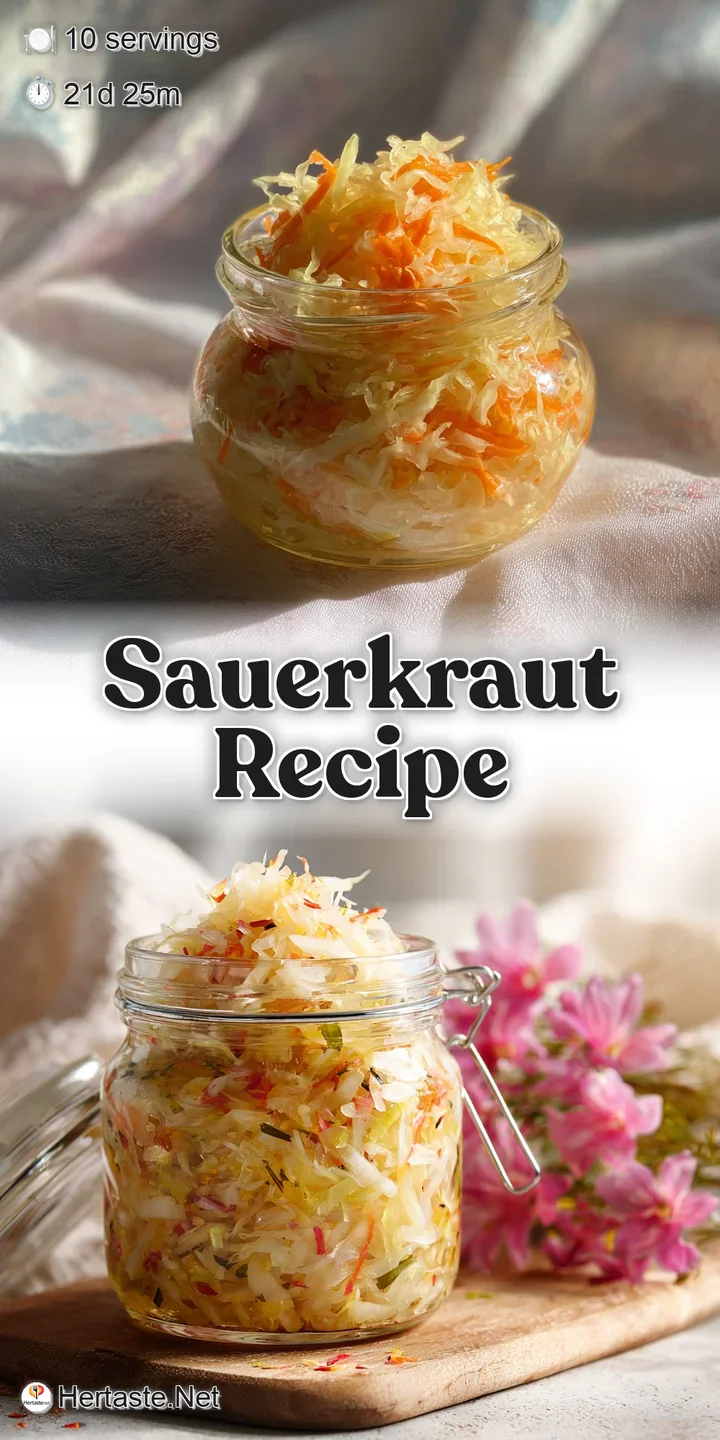
Shred one medium carrot into the mix. The sugars in the carrot feed the bacteria, often speeding up the fermentation by a day or two, and it gives the final product a beautiful golden hue.
For a Spicy Kick
Add two sliced jalapeños (seeds included if you're brave) to the jar during packing. The heat mellows out during the three weeks, leaving behind a warm, tingly finish that is incredible on fish tacos.
Scaling the Batch
- Down (½ batch): Use a smaller 500ml jar. Ensure you still use 1.5% to 2% salt by weight (about 7g of salt for 450g of cabbage).
- Up (2x batch): Use a large 2 liter jar. You don't need to double the juniper berries; 6 berries are usually enough for a double batch to avoid an overpowering pine flavor.
- Mass Production: If making 5kg or more, use a traditional ceramic crock with a water seal to manage the larger volume of gas production.
Keeping Your Kraut Fresh Longer
Storage is simple: keep it in the fridge. The cold temperature acts like a "pause button" for the bacteria. In a sealed jar, your sauerkraut will stay perfectly crisp and safe to eat for up to 6 months. Honestly, it usually tastes even better after a month of "maturing" in the cold.
If you find yourself with too much cabbage juice (the brine) at the end of the jar, don't pour it down the drain! That liquid is liquid gold. I use it as a "starter" for my next batch of kraut to jumpstart the fermentation, or I stir a tablespoon into salad dressings for an instant probiotic boost and a hit of salt.
Creative Ideas for Serving Your Kraut
The most obvious use is on a bratwurst, but let's think bigger. A heap of cold sauerkraut on top of a hot, seared pork chop is a texture sensation. The heat of the meat slightly warms the kraut, releasing those caraway aromas, while the kraut cuts right through the fat.
The Ultimate Reuben Sandwich
Toast rye bread, pile on high-quality corned beef, Swiss cheese, and a massive amount of your homemade kraut. The crunch of your 21 day ferment is what makes this sandwich "pro level." If you're feeling adventurous, a little SugarFree Caramel Sauce recipe on a side of roasted apples provides a weirdly perfect sweet salty companion to a Reuben lunch.
A Fresh Morning Start
Believe it or not, a spoonful of kraut alongside avocado toast is a game changer. The acidity of the cabbage breaks up the creaminess of the avocado, making for a bright, energizing breakfast that doesn't feel heavy.
If you want X, do Y
- If you want a milder flavor: Ferment for only 10 days and move to the fridge immediately.
- If you want maximum probiotics: Let it go the full 21 days at a stable 20°C.
- If you want it extra crunchy: Add a tannin rich leaf to the jar, like a grape leaf or a black tea bag, to keep the cell walls strong.
Debunking Common Fermentation Myths
Myth: You need a "starter culture" or whey to make sauerkraut. Truth: Cabbage is naturally covered in the exact bacteria needed for fermentation. Adding salt and removing oxygen is all it takes to activate them.
Myth: Sauerkraut is just "rotten" cabbage. Truth: Rotting is putrefaction caused by spoilage bacteria in the presence of oxygen. Fermentation is a controlled, acidic process that actually prevents rot and preserves the vegetable.
Myth: If it doesn't bubble, it's not working. Truth: While bubbles are common, some ferments are "quiet." As long as the cabbage smells tangy and looks translucent, the bacteria are doing their job.
High in Sodium
1061 mg of sodium per serving (46% of daily value)
The American Heart Association recommends limiting sodium intake to 2,300mg per day for overall cardiovascular health.
Easy Tips to Reduce Sodium in Your Sauerkraut
-
Reduce Sea Salt-25%
Sea salt is the primary source of sodium in this recipe. Try reducing the amount of sea salt by 25% (about 0.4 tablespoons) to lower the overall sodium content.
-
Rinse the Cabbage-5%
After shredding the cabbage, rinse it thoroughly with cold water for a few minutes. This can help remove some of the surface sodium, leading to a small reduction.
-
Enhance with Herbs & Spices
Experiment with other herbs and spices like dill, fennel seeds, or bay leaf to enhance the flavor without adding sodium. The caraway seeds and juniper berries already contribute flavorful notes.
Sauerkraut Recipe FAQs
What can I add to sauerkraut to make it taste better?
Add aromatics and spices. Try caraway seeds, juniper berries, diced garlic, or even a pinch of chili flakes for a kick. You can also experiment with adding shredded carrots or apples for sweetness and color.
How to make proper sauerkraut?
Shred cabbage finely and massage with salt. Ensure the cabbage is limp and releasing its own brine, then pack it tightly into a clean jar. Keep it submerged under the brine with a weight, and let it ferment in a cool, dark place for 2-4 weeks.
How to eat sauerkraut for gut health and weight loss?
Incorporate a tablespoon or two daily into meals. Its probiotics support gut flora, and its fiber can promote satiety, aiding weight management. Enjoy it as a side dish or topping, similar to how you might add a flavorful condiment to a Homemade Stuffing Recipe.
What are the ingredients in sauerkraut?
The core ingredients are simply cabbage and salt. Traditional recipes often include caraway seeds and juniper berries for added flavor. No other preservatives or ingredients are necessary for proper fermentation.
Why is my sauerkraut mushy instead of crunchy?
Likely too warm fermentation temperature or not enough salt. High temperatures speed up bacterial breakdown of cabbage cell walls. Ensure you're using at least 2% salt by weight and fermenting in a cool spot (18-22°C).
Can I use red cabbage for sauerkraut?
Yes, red cabbage makes a visually stunning sauerkraut. It ferments similarly to green cabbage but will turn the entire batch a vibrant purple color. The texture can be slightly firmer and earthier.
How long does homemade sauerkraut last?
Refrigerated sauerkraut lasts for 6 months or longer. Once the desired tanginess is reached, seal the jar tightly and store it in the refrigerator. The cold significantly slows down the fermentation process.
Homemade Sauerkraut Recipe
Ingredients:
Instructions:
Nutrition Facts:
| Calories | 23 kcal |
|---|---|
| Protein | 1.2 g |
| Fat | 0.1 g |
| Carbs | 5.3 g |
| Fiber | 2.3 g |
| Sugar | 2.9 g |
| Sodium | 1061 mg |
