Cowboy Queso: Bold and Smoky
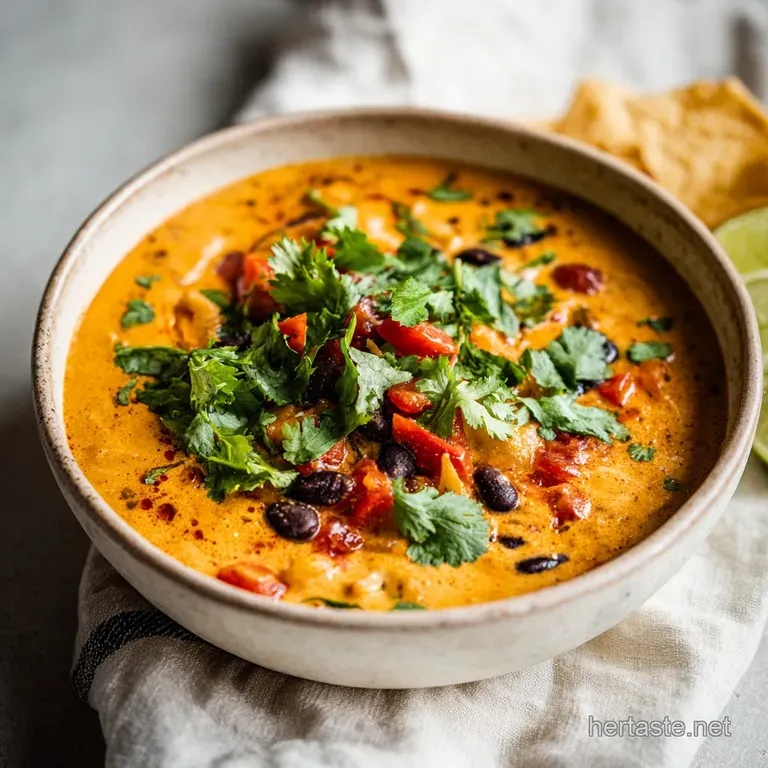
- Making the Ultimate Cowboy Queso for Game Day Crowds
- Understanding the Precision and Timing for Perfect Dip
- The Urban Pantry Essentials for Bold Flavor Profiles
- Professional Tools to Achieve the Perfect Molten Texture
- Step by Step Evolution of a Premium Cheese Sauce
- Fixes for Common Texture and Consistency Hurdles
- Flavor Variations to Suit Every Possible Palate
- Preserving the Integrity of Your Liquid Gold Leftovers
- Visual Presentation and the Art of the Perfect Scoop
- Searing Away the Myths
- Very High in Sodium
- Recipe FAQs
- 📝 Recipe Card
Making the Ultimate Cowboy Queso for Game Day Crowds
Picture this: the living room is vibrating with the roar of a pre game show, the air is crisp outside, and your kitchen smells like a high end smokehouse. There is something primal and electric about the moment the chorizo hits a scorching pan, releasing that vibrant, paprika stained oil that coats the lean beef.
You aren't just making a dip; you're creating the gravitational center of the party. I remember the first time I served this; people stopped watching the game and started hovering around the stovetop like it was a campfire. It’s that bold, urban flair meeting rugged comfort.
We’ve all been to those parties where the "queso" is just a sad, translucent yellow puddle in a slow cooker. This isn't that. This is a structured, layered masterpiece with a mahogany crust on the meat and a velvety, molten core that actually holds onto a chip.
We are going for a texture so silky it glides, yet chunky enough to feel like a meal. The secret lies in how we layer the fats and use a splash of craft beer to bridge the gap between the heavy proteins and the creamy base.
Trust me, once you bring this out in a heavy cast iron skillet, the visual impact alone sets the tone. It looks intentional, polished, and heavy hitting. We are going to treat these ingredients with respect searing the beef until it's nearly crispy and deglazing the pan to capture every ounce of flavor.
It’s about taking those classic "cowboy" elements and presenting them with a bit more sophistication. Let’s get the burners going and build something worth talking about.
Why the Layers Stay Silky
- The Solubility Bridge: The alcohol and acidity in the pale ale act as a natural binder, helping the fats from the chorizo and the proteins in the cheese stay integrated rather than separating into an oily mess.
- The Fond Factor: By searing the meat until a crust forms, we create "fond" (those browned bits), which then dissolves into the cheese base, giving the entire dip a deep, toasted undertone.
- Three Point Fat Balance: Using a mix of processed melting cheese, sharp pepper jack, and rich cream cheese ensures the dip stays liquid at lower temperatures while maintaining a complex mouthfeel.
- Moisture Control: Draining the fire roasted tomatoes and rinsing the beans prevents the dip from becoming a watery soup, keeping the "shatter crisp" texture of your tortilla chips intact.
| Method | Total Time | Texture Outcome | Best For |
|---|---|---|---|
| Stovetop | 40 minutes | Ultra creamy and controlled | Immediate serving and precision melting |
| Oven Finish | 50 minutes | Bubbling edges and crust | Achieving a rustic, baked presentation |
| Slow Cooker | 2 hours | Fully melded and soft | Keeping warm for a 4 hour game window |
The stovetop method is my absolute go to because it allows you to monitor the emulsification of the cheeses in real time. When you use the oven, you risk the edges browning too quickly before the center is fully molten, but the stovetop gives you that impeccable, consistent velvet finish throughout the entire pan.
Understanding the Precision and Timing for Perfect Dip
When we talk about "Cowboy Queso," timing is everything. You have 15 minutes of prep where you’re basically a line cook chopping jalapeños, cubing cheese, and rinsing beans. Then, 25 minutes of active cooking where the magic happens.
This isn't a "dump and stir" situation if you want it to look restaurant quality. You need to focus on the sear. If you rush the meat, you lose that textural contrast that makes a loaded dip so addictive.
The temperature control is the silent hero here. We start high to get that aggressive sizzle on the sirloin and chorizo, then drop it low to coddle the cheeses. If you keep the heat too high while adding the dairy, the proteins in the cheese will tighten up and turn grainy.
We want a gentle melt, a slow motion swirl that incorporates the pale ale into the cream cheese. It’s a 40 minute commitment that pays off the second you see that first long, stretchy cheese pull.
| Component | Role | Pro Secret |
|---|---|---|
| Mexican Chorizo | Flavor & Color | Render the fat fully; it acts as a "spice oil" for the entire base. |
| Pale Ale | Emulsifier | Use a floral hop profile to cut through the richness of the beef. |
| Cream Cheese | Stabilizer | Ensures the dip doesn't "break" or become oily when it cools slightly. |
| Pepper Jack | Texture | Adds a tiny bit of stretch and a sharp, grassy kick to the finish. |
The cream cheese is arguably the most important "scientific" addition here. While the Velveeta provides the melt, the cream cheese provides the body and prevents that "plastic" feel some processed cheeses can have. It creates a bridge between the liquid beer and the solid proteins.
The Urban Pantry Essentials for Bold Flavor Profiles
To achieve that elevated look and taste, we aren't just grabbing any old ground beef. We want 1 lb of Lean Ground Sirloin (90/10). The lean profile is crucial because we are already getting a massive amount of flavorful fat from the 0.5 lb of Mexican Chorizo.
If you use a fattier beef, your dip will end up with a literal orange moat of grease on top not exactly the "stunning visuals" we’re aiming for.
For the cheese, we’re using 1 lb of a premium melting cheese like Velveeta for that classic base, but we’re sophisticated enough to fold in 1 cup of shredded Pepper Jack for kick and 4 oz of room temperature Cream Cheese for silkiness.
The "cowboy" elements come from the 10 oz of Fire Roasted Rotel (drained, please!), 1 cup of canned black beans, 1 cup of sweet corn, and a 0.25 cup of chopped pickled jalapeños. Don't forget the 1 tsp of Smoked Paprika it bridges the gap between the spicy chorizo and the sweet corn.
- 1 lb Lean Ground Sirloin (90/10): High protein, low mess.
- 0.5 lb Mexican Chorizo: The soul of the dish.
- 1 tsp Smoked Paprika: For that "just off-the grill" aroma.
- 1 lb Premium Melting Cheese: Our structural foundation.
- 1 cup Shredded Pepper Jack: For the "bite."
- 0.5 cup Pale Ale: To deglaze and emulsify.
- 4 oz Cream Cheese: The secret to a velvety finish.
- 10 oz Rotel Fire Roasted Tomatoes: Acid and heat.
- 1 cup Black Beans: For earthiness and texture.
- 1 cup Sweet Corn: A necessary pop of sweetness.
- 0.25 cup Pickled Jalapeños: Briny, sharp heat.
- 0.5 cup Fresh Cilantro: The essential green finish.
| Original Ingredient | Substitute | Why It Works |
|---|---|---|
| Pale Ale | Beef Broth | Provides depth without the floral notes or alcohol. |
| Mexican Chorizo | Italian Sausage | Less spicy, more herbal; add red pepper flakes to compensate. |
| Pepper Jack | Sharp Cheddar | Adds a bolder, aged flavor but won't be as melt friendly. |
If you find yourself missing the heat of the chorizo, you can always lean into a more traditional bean profile. If you love that smoky, Western vibe, you might enjoy trying my Smoky Cowboy Beans recipe as a side for your next BBQ. It uses a lot of the same flavor notes but in a hearty, spoonable format.
Professional Tools to Achieve the Perfect Molten Texture
To pull this off, you need a large, heavy bottomed skillet. A cast iron pan (like a 12 inch Lodge) is my favorite because it holds heat beautifully and looks incredible when you bring it straight to the table.
If you don't have cast iron, a heavy stainless steel sauté pan works, but avoid thin aluminum pans; they have "hot spots" that will scorch your cheese before it even thinks about melting.
You’ll also need a sturdy wooden spoon or a over high heat silicone spatula. You’re going to be doing a lot of scraping first to break up the meat into tiny crumbles, and then to lift the "fond" off the bottom of the pan after you pour in the beer.
A slotted spoon is non negotiable for removing the cooked meat and letting the excess fat drain away. Finally, have a few small bowls ready for your "mise en place" (everything in its place).
This recipe moves fast once the cheese starts melting, so you don't want to be fumbling with a can opener while your dairy is simmering.
Chef's Note: If you’re planning to keep this dip out for the duration of a game, a small fondue pot or a 1.5 quart slow cooker is great for the "holding" phase. But for the actual cooking? Stick to the skillet. The surface area of a skillet allows for better evaporation and a thicker, more concentrated flavor.
step-by-step Evolution of a Premium Cheese Sauce
1. Sear and Render
Place your large heavy bottomed skillet over medium high heat. Add the 1 lb of ground sirloin and 0.5 lb of chorizo, breaking them into small, uniform crumbles. Note: Small crumbles ensure you get meat in every single bite of dip.
2. Develop the Crust
Cook the meat for about 8 to 10 minutes until a deep, mahogany crust forms. You want to hear that aggressive sizzle. Use a slotted spoon to remove the meat and set it aside on paper towels to drain. Discard all but 1 tablespoon of the rendered fat.
3. Deglaze the Foundation
Reduce your heat to medium low. Pour in the 0.5 cup of pale ale. Use a spatula to scrape up the browned bits from the bottom of the pan until the liquid is dark and bubbling. This is where the flavor lives.
4. Build the Cheese Base
Add the 1 lb of cubed melting cheese and the 4 oz of room temperature cream cheese to the pan. Stir constantly until the mixture is completely smooth. You'll see small bubbles begin to form around the edges.
5. The Folding Phase
Fold the cooked meat, 1 cup of shredded pepper jack, and the 10 oz of drained Rotel back into the sauce. Add the 1 cup of black beans, 1 cup of corn, and the chopped pickled jalapeños.
6. Season and Spice
Sprinkle in the 1 tsp of smoked paprika. Stir everything together gently until the pepper jack is fully melted and the beans and corn are heated through.
7. The Finishing Touch
Taste the dip. It shouldn't need salt because of the chorizo and cheese, but adjust if you like. Remove from heat and garnish with the 0.5 cup of fresh cilantro.
8. Serve Immediately
Bring the skillet to the table while it's still bubbling and sending up clouds of smoky aroma. Serve with heavy duty tortilla chips that won't snap under the weight of the loaded dip.
Fixes for Common Texture and Consistency Hurdles
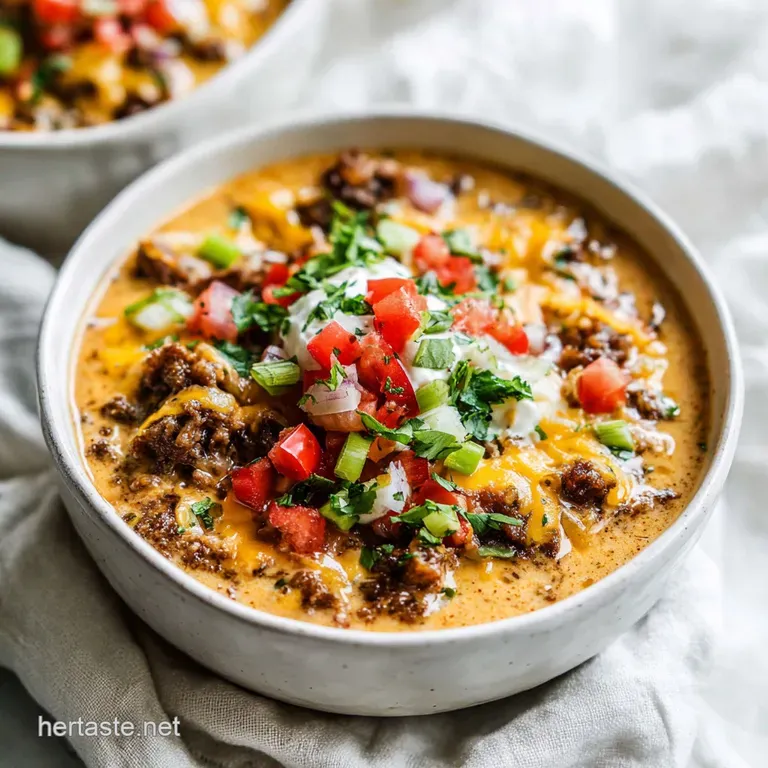
Why Your Cowboy Queso Is Oily
This usually happens because the heat was too high or the chorizo wasn't drained properly. If you see orange pools of oil on top, it’s not the end of the world. Take a folded paper towel and very gently dab the surface to soak up the excess.
In the future, make sure you really let that meat drain on paper towels before adding it back to the cheese.
Why Your Cowboy Queso Is Grainy
Graininess is a sign of "broken" cheese. If the cheese gets too hot, the proteins clump together and push the fat out. To fix this, turn the heat to the lowest setting and stir in a tablespoon of warm milk or a little more of that pale ale.
Stir vigorously; the extra liquid can sometimes help re emulsify the sauce into a velvety state.
| Problem | Root Cause | Solution |
|---|---|---|
| Too Thick | Evaporation or high heat | Whisk in a splash of beer or warm milk. |
| Bland Flavor | Drained too much fat/fond | Add a pinch of salt or more pickled jalapeño juice. |
| Vegetables Sinking | Sauce is too thin | Simmer on low for 5 mins or add more shredded cheese. |
Common Mistakes Checklist
- ✓ Drain the Rotel thoroughly: Skipping this step results in a pink, watery dip.
- ✓ Room temp cream cheese: If it's cold, it will leave tiny white lumps in your sauce.
- ✓ Don't skip the deglazing: Those brown bits on the pan are concentrated "umami" gold.
- ✓ Rinse the black beans: The canning liquid is starchy and gray; it will dull the colors of your dip.
- ✓ Use a sturdy chip: This is a heavy dip; flimsy chips will fail you.
Flavor Variations to Suit Every Possible Palate
The beauty of a "Cowboy" recipe is its rugged flexibility. If you want to lean into the smoky side, you can swap the ground sirloin for leftover smoked brisket. This is a game changer. The brisket adds a level of complexity that ground beef just can't touch.
For those who want more "urban flair," try using a local IPA instead of a pale ale; the bitterness of the hops can be a really interesting counterpoint to the sweet corn.
If you’re looking for a different kind of "Cowboy" meal that's a bit more substantial for dinner, you have to try an Easy Cowboy Casserole recipe. It takes these same flavor profiles the meat, the corn, the cheese and turns them into a bake that feeds a crowd. It’s perfect if you have leftovers from this dip and want to incorporate them into a weekday meal.
1. The Smokey Outlaw
Replace the ground sirloin with 1 lb of chopped, smoked brisket. Use a dark stout instead of a pale ale for a deeper, molasses like undertone. This version is incredibly rich and pairs best with thick cut kettle chips.
2. The Vegetarian Rancher
Swap the beef and chorizo for 1.5 lbs of plant based crumbles. Add 1 tsp of liquid smoke and an extra tsp of smoked paprika to mimic the depth of the chorizo. Increase the jalapeños to keep the heat levels high.
Preserving the Integrity of Your Liquid Gold Leftovers
If you actually have leftovers (a rare occurrence), you need to store them properly to maintain that velvety texture. Place the cooled dip in an airtight glass container. It will stay good in the fridge for up to 4 days. When it's cold, it will be solid as a brick that’s normal!
To reheat, don't just blast it in the microwave. The uneven heat will cause the cheese to break and turn oily.
Instead, put the dip back into a small saucepan over low heat. Add a splash of milk or water (about 1 tablespoon per cup of dip) and stir constantly until it’s molten again. If you must use a microwave, do it in 30 second bursts, stirring intensely between each interval.
I don't recommend freezing this dip; the dairy and the vegetables change texture too much during the thawing process, often resulting in a grainy, mushy mess.
Zero Waste Tip: Use leftover cold queso as a spread for a "Western Style" grilled cheese sandwich. Or, dollop it onto a baked potato for the most luxurious lunch of your life. You can even stir a cup of leftover dip into a pot of mac and cheese to give it a smoky, spicy upgrade.
Visual Presentation and the Art of the Perfect Scoop
Plating is where you transform a "good" dip into a "stunning" center piece. We want to avoid just dumping it into a plastic bowl. The vessel matters. Let's look at three ways to elevate your presentation.
Plating Levels
| Level | Presentation Style | Visual Key |
|---|---|---|
| Simple | Large ceramic bowl | Focus on the colors of the corn and beans. |
| Polished | 10 inch cast iron skillet | Rustic, "straight from the fire" aesthetic. |
| Restaurant | Individual mini crocks | Topped with micro cilantro and a lime wedge. |
For the Simple approach, choose a wide, shallow bowl so everyone can see the "top" of the dip. Scatter the cilantro over the entire surface. For Polished, serve it in the skillet you cooked it in, but wipe the rim of the pan with a paper towel first to remove any grease splatters.
Place the skillet on a wooden board surrounded by a variety of chips (blue corn, yellow corn, and even some flour tortilla wedges).
If you want to go Restaurant style, it's all about the garnish. Instead of just mixing everything in, save a tablespoon of the corn, black beans, and chorizo. Once the dip is in the bowl, pile those reserved bits in the center for a "loaded" look.
Add a swirl of Mexican Crema or sour cream and a few fresh rings of jalapeño. It looks intentional and premium.
The Science of the "Shatter"
We often talk about the dip, but the "dipper" is 50% of the experience. You want a chip with high structural integrity. Look for "stone ground" or "restaurant style" chips that are thick enough to hold a massive scoop of meat and cheese without breaking.
The contrast between the velvety cheese and the "shatter" of a crisp chip is what creates that addictive sensory experience.
Searing Away the Myths
One big myth is that you need "real" cheese (like a block of cheddar) for a premium dip. In reality, aged cheeses like cheddar have a high protein to fat ratio and don't contain the emulsifiers needed to stay liquid. If you use 100% cheddar, you'll end up with a clump of grease and a ball of rubber.
You need a melting base like Velveeta or American cheese to act as a stabilizer for the other "real" cheeses like pepper jack.
Another misconception is that the beer will make the dip taste like a pub. Because we deglaze and simmer, the harsh alcohol notes evaporate, leaving behind the malty, floral essence of the hops. It doesn't taste like beer; it tastes like a more complex, grown up version of cheese.
Finally, people think you shouldn't drain the fat from the chorizo because "that's where the flavor is." While true, too much fat prevents the cheese from emulsifying, leading to a broken sauce. One tablespoon is all you need to keep that flavor without the mess.
Right then, you're ready to dominate the next tailgate or house party. This Cowboy Queso is bold, it’s elevated, and it’s going to be the only thing people remember about the menu. Just remember: sear that meat, deglaze that pan, and keep that heat low once the cheese goes in. Let's get cooking!
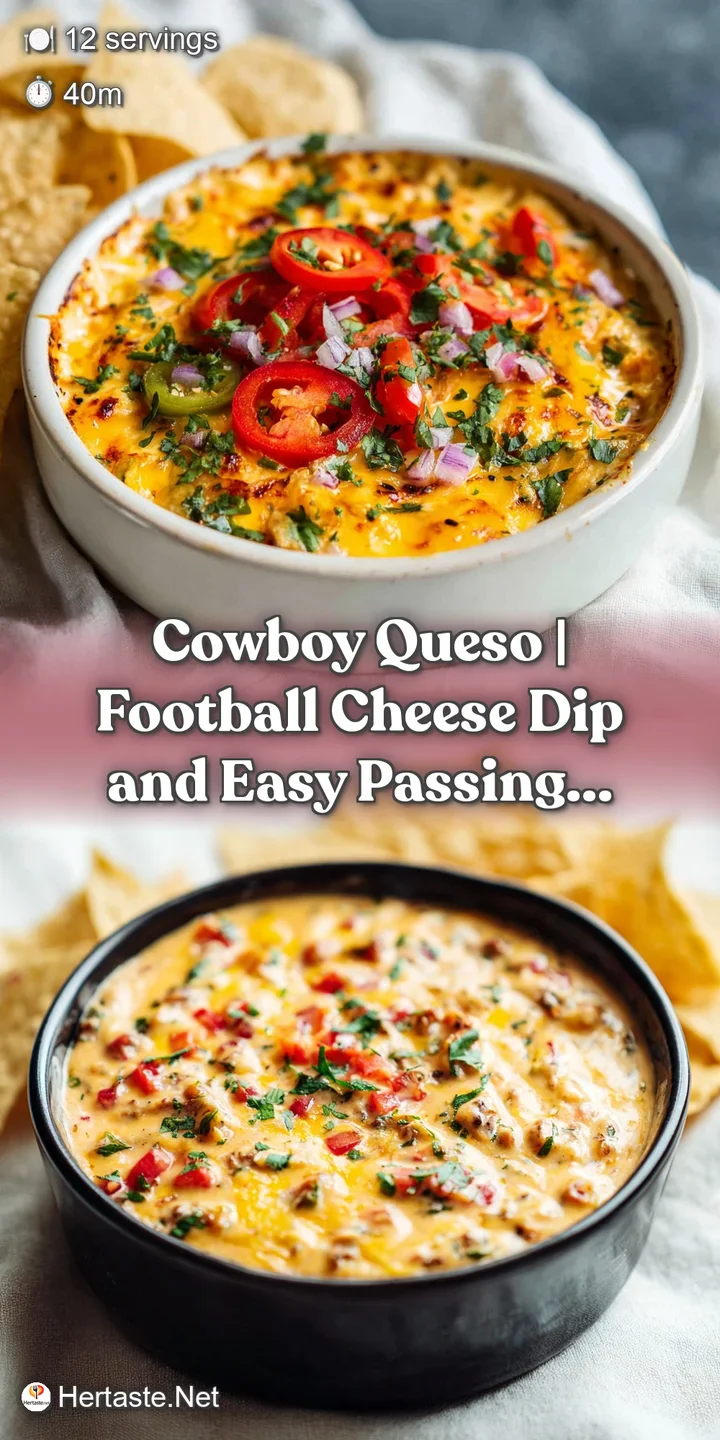
Very High in Sodium
1095 mg 1095 mg (48% 48%)
The American Heart Association recommends limiting sodium intake to less than 2,300mg per day, with an ideal limit of about 1,500mg for most adults.
Tips to Reduce Sodium
-
Choose Lower Sodium Cheese-15%
Replace Premium Melting Cheese (Velveeta) with a lower sodium version or a blend of low-sodium cheddar and plain cream cheese. This can significantly cut down on sodium.
-
Opt for Fresh Tomatoes & Chilies-20%
Instead of Rotel Fire Roasted Diced Tomatoes & Green Chilies, use fresh diced tomatoes and fresh or frozen green chilies. This avoids the added salt in canned products.
-
Rinse and Drain Canned Goods Thoroughly-10%
While you're already rinsing the Canned Black Beans, ensure you rinse them very well. For any other canned items, a thorough rinse and drain can remove a good portion of the sodium.
-
Boost Flavor with Herbs and Spices
Emphasize the use of fresh herbs like cilantro and aromatic spices like smoked paprika. Add garlic powder, onion powder, or a pinch of cumin to enhance the flavor without added salt.
-
Use Less Chorizo or Low-Sodium Version-25%
The Mexican Chorizo is a major sodium contributor. Try using half the amount or look for a low-sodium chorizo option if available.
-
Reduce Pickled Jalapeños-5%
Pickled items are often high in sodium. Try using fewer Pickled Jalapeños or opt for fresh jalapeños and a touch of vinegar for a less salty kick.
Recipe FAQs
What is cowboy queso?
Cowboy queso is a robust, hearty cheese dip featuring ground sirloin and spicy Mexican chorizo. It elevates standard cheese sauce by incorporating textured mix-ins like black beans, sweet corn, and fire roasted chilies for a complete, satisfying snack.
Can a diabetic have cheese dip?
No, this is a common misconception. While cheese itself is low-carb, this recipe contains corn and beans which add carbohydrates that require careful monitoring for those managing blood sugar levels.
What is the secret ingredient for great queso?
The secret is deglazing the pan with pale ale. Scraping up the browned bits, or fond, from the meat creates a depth of flavor you cannot achieve otherwise. If you mastered the flavor balancing technique here, you will notice how the acidity in the ale cuts through the richness of the cheese.
What's in southwestern queso?
It includes a base of melting cheese, cream cheese, and pale ale, loaded with sirloin, chorizo, Rotel, black beans, corn, and pickled jalapeños. Each batch is finished with smoked paprika and fresh cilantro to round out the flavor profile.
How to keep the queso smooth without lumps?
Use room temperature cream cheese and stir constantly over medium low heat. Adding cold cream cheese directly from the fridge will almost always result in stubborn white lumps that refuse to melt into the sauce.
How to avoid a watery dip?
Drain the Rotel tomatoes thoroughly and rinse your black beans before adding them to the skillet. Excess liquid from these canned goods will dilute your cheese base and turn the dip into a thin, unappealing sauce rather than a thick, dippable consistency.
How to get the best flavor from the meat?
Cook the ground sirloin and chorizo over medium high heat until a deep, mahogany crust forms. This browning process is essential; if you cook the meat too quickly or overcrowd the pan, you will steam the meat instead of developing that crucial, savory crust.
Homemade Cowboy Queso
Ingredients:
Instructions:
Nutrition Facts:
| Calories | 306 calories |
|---|---|
| Protein | 19.1g |
| Fat | 19.4g |
| Carbs | 11.8g |
| Fiber | 1.9g |
| Sugar | 4.2g |
| Sodium | 1095mg |
