Garlic Parmesan Shirataki Noodles: Speedy, Cheesy, Low Carb Perfection
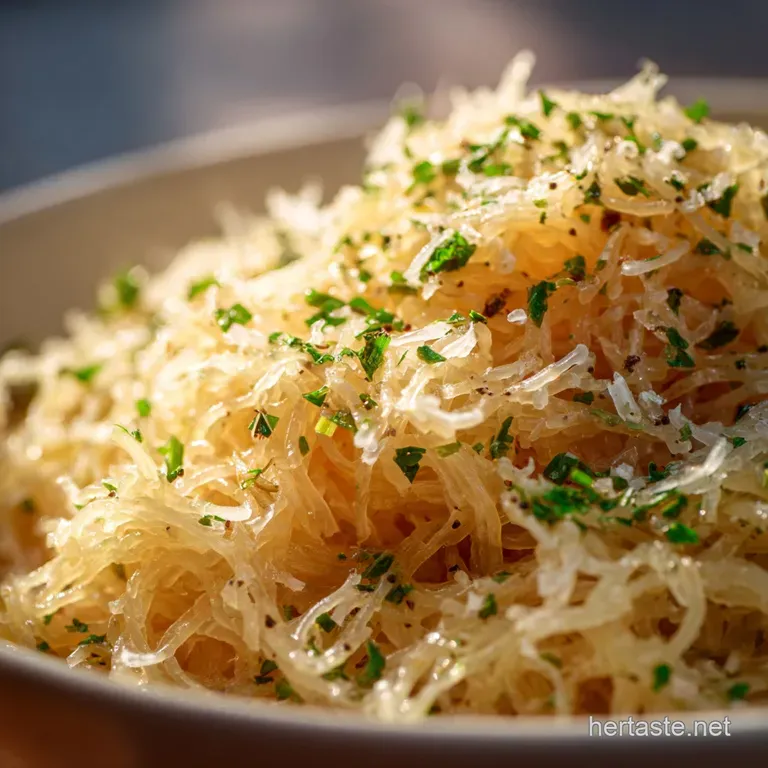
- The Ultimate Low-Carb Comfort: Garlic Parmesan Shirataki Noodles
- The Science of Flavor: Why This Shirataki Recipe Works
- Essential Ingredients for Proper Garlic Parmesan Shirataki Noodles
- Step-by-Step: Crafting Your Zero-Carb Garlic Noodles
- Troubleshooting and Chef's Tips for Success
- Storage and Meal Prep Guide
- Low-Carb Serving Suggestions and Pairings
- Recipe FAQs
- 📝 Recipe Card
The Ultimate Low-Carb Comfort: Garlic Parmesan Shirataki Noodles
Stop everything. Can you smell that? It’s the intensely savory aroma of freshly blooming garlic mixed with rich butter and nutty Parmesan cheese. This isn't your grandma’s spaghetti; it's the fastest, most ridiculously satisfying low-carb pasta substitute you will ever make.
The texture, once you know the secret trick, is springy and delightfully chewy, not at all what you expect from zero net-carb noodles.
Seriously, this recipe is an absolute lifesaver when you need a proper Keto dinner in fifteen minutes flat. It hits every single comfort food note creamy, cheesy, buttery, and deeply satisfying without any of the carb guilt.
If you’re craving a big bowl of aglio e olio but are strictly counting macros, this is your new best friend.
Now, before you throw those "miracle noodles" straight into the pot, we need to talk preparation. Shirataki requires a very specific treatment, but trust me, taking two extra steps makes the difference between an oily, watery mess and deeply flavorful, proper garlic parmesan noodles recipe.
Let's crack on and master this essential low-carb skill.
The Science of Flavor: Why This Shirataki Recipe Works
You might look at the ingredient list and think, "I know how to make garlic butter." But when you’re dealing with Konjac noodles, which are mostly water and fiber, the usual rules don't apply. We have to use specific techniques to fool your brain into thinking you’re eating creamy, fatty, high carb pasta.
What Exactly Are Shirataki Noodles?
Shirataki are translucent, gelatinous noodles made from glucomannan, a type of fiber derived from the root of the konjac yam. They are basically pure fiber and water, which means they have virtually no calories and zero net carbohydrates.
Because they are flavorless and porous, they need a high impact sauce, which is why the shirataki garlic noodles combo is so legendary in the low-carb community.
Why This Isn't Your Average Pasta Substitute
Most people try to just dump these noodles into a sauce, and they end up with a watery disaster. Shirataki (or Konjac Noodles ) don't absorb water like wheat pasta; they actually release it. Our success hinges entirely on forcing the excess moisture out before we add the sauce.
It changes everything.
The Speed Advantage: Ready in Under 15 Minutes
This is truly one of the fastest Keto Recipes Dinner options in my arsenal, and I am a massive fan of speedy meals. Because shirataki is already cooked, we aren't waiting for the water to boil forever, nor do we need a long simmering time for the noodles to soften.
The majority of the cooking time is focused on the critical prep work.
Mastering the Shirataki Prep: Removing the Konjac Scent
Here’s the thing: those noodles come packed in water that smells… funky. I once skipped the mandatory thorough rinse, thinking I was clever, and my kitchen smelled like a forgotten aquarium for three days.
Never skip the triple rinse: 1) Drain, 2) Rinse under cold water for 2 minutes, and 3) Boil for 3 minutes. That kills the smell.
Achieving the Perfect Creaminess Without Heavy Cream
The secret to keeping this dish saucy and not oily is the stock and cold butter technique. The little bit of stock helps deglaze the pan and introduces a necessary liquid component. We then remove the pan from the heat and swirl in the final dose of cold butter and Parmesan.
This method (called monté au beurre ) creates a beautiful, stable, velvety emulsion you get the texture of cream without adding a drop of heavy cream.
The High Impact Flavor Layering of Garlic and Butter
For the best garlic butter shirataki noodles , you have to treat the aromatics right. We start with both olive oil and butter; the oil keeps the temperature stable and prevents the butter from burning while the garlic blooms.
We cook the garlic low and slow until it is soft and fragrant, ensuring the oil is fully infused before we finish with the fresh, cold butter.
Essential Ingredients for Proper Garlic Parmesan Shirataki Noodles
| Ingredient | Why it Matters | Substitution Tip |
|---|---|---|
| Shirataki Noodles | Must be properly rinsed and dried. | Use Palmini or zucchini noodles (zoodles) if unavailable. |
| Fresh Garlic | Needs to be minced/pressed finely for maximum surface area. | Use 1 tsp of good quality garlic powder in a pinch (but fresh is far superior). |
| Unsalted Butter | Crucial for the nutty, creamy finish. | Use high-quality ghee, or a trusted vegan butter alternative. |
| Fresh Parmesan | Melts beautifully into the emulsion. | Grana Padano, or use 3 Tbsp of nutritional yeast mixed with 1 tsp of olive oil for dairy-free. |
| Stock (Chicken/Veg) | Needed for deglazing and stabilizing the sauce. | Reserved pasta boiling water, or just plain water. |
Choosing the Best Shirataki Noodle Type (Fettuccine vs. Angle Hair)
I highly recommend the fettuccine style Low Carb Pasta if you can find it. It holds up best during the dry-fry process and has a better mouthfeel that mimics a thicker pasta. The angel hair can sometimes break down too easily, becoming slick rather than chewy.
The Role of Quality Parmesan Cheese
This is a three ingredient sauce, so every ingredient needs to pull its weight. Always use freshly grated Parmesan cheese. The pre-shredded stuff has anti caking agents that make it melt weirdly, resulting in a gritty, clumpy sauce.
You want that fine, powdery fluff that melts instantly into the hot butter.
Notes on Garlic Prep and Butter Selection
I use a ridiculous amount of garlic six cloves is mandatory for two servings. Don't be shy! For the butter, I prefer unsalted so I can control the seasoning, but if you only have salted butter, just hold back on the added salt until the very end.
Ingredient Swaps and Low-Dairy Alternatives
If you are sensitive to dairy, you can use high-quality vegan butter and substitute the Parmesan with nutritional yeast. It won't be exactly the same, but you still get that rich umami flavor that makes this dish so satisfying. For a side that complements the intense garlic flavor, consider trying my recipe for Garlic Butter Green Beans Recipe: Tender, Crisp, and Ready in 25 Minutes — they offer the perfect contrast.
step-by-step: Crafting Your Zero Carb Garlic Noodles
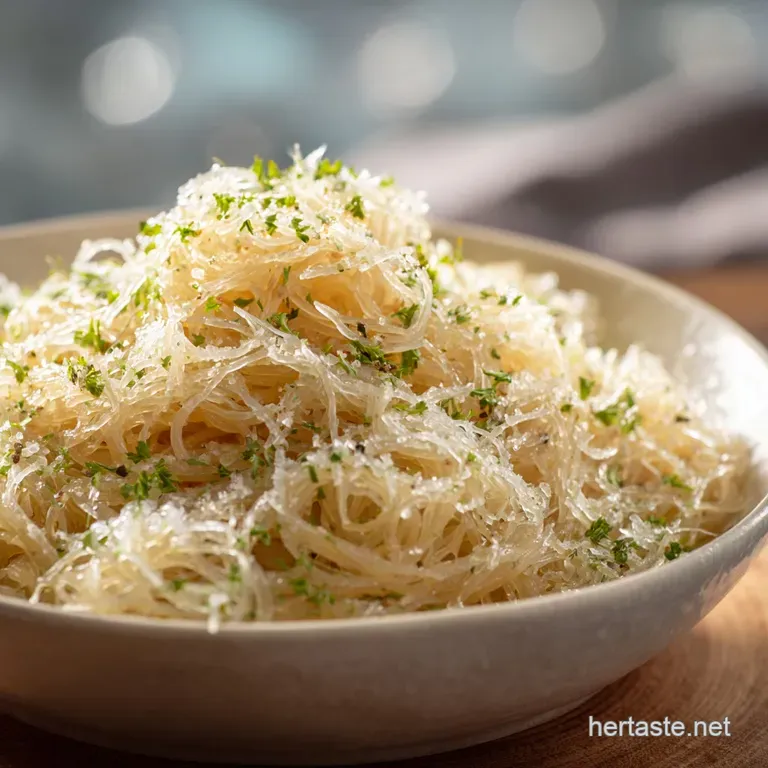
Follow these steps exactly, especially the dry-frying, and you will achieve nirvana.
Phase 1: Rinsing and Drying the Shirataki Base
- Release the Smell: Drain the two packages of shirataki and dump them into a colander. Rinse them vigorously under cold running water for at least two full minutes. This is critical for removing that fishy packaging odor.
- Par-Boil: Boil the noodles in salted water for three minutes. This helps further neutralize the flavor and change the noodle texture. Drain them immediately and give them a quick shake.
- The Dry-Fry Technique: Transfer the wet, drained noodles into a large, dry frying pan (cast iron is amazing here) over medium high heat. Cook them, tossing constantly, for 5 to 7 minutes. You should hear a squeaking noise as the moisture evaporates. Cook them until they look visibly dry and slightly shrunken. Set them aside and grab that garlic.
Crucial Chef’s Note: The dry-fry step is non-negotiable for success. If the noodles are wet when you add the sauce, the sauce will immediately split and become watery.
Phase 2: Blooming the Garlic and Butter
- Sauté the Aromatics: Reduce the heat to medium low. Add the olive oil and half of the butter (2 Tbsp) to the pan. Once the butter is melted, add the minced garlic and red pepper flakes.
- Be Patient: Cook the garlic gently for 60 to 90 seconds, stirring the entire time. It must soften and smell highly fragrant, but it must not brown. Browned garlic tastes bitter and ruins the whole dish.
Phase 3: Tossing, Coating, and Finishing the Sauce
- Deglaze: Pour in the 1/4 cup of stock or water. Scrape up any tasty little bits from the bottom of the pan as the liquid reduces rapidly. This adds depth and body to our sauce base.
- Emulsify the Fat: Remove the pan from the heat entirely. Add the dry-fried shirataki noodles and the remaining 2 tablespoons of cold butter. Toss everything continuously the cold butter helps the sauce emulsify rather than separate.
- Add the Cheese: Immediately mix in the finely grated Parmesan cheese. Keep tossing until the sauce becomes a smooth, velvety coating that clings perfectly to the noodles. If it looks too thick, splash in another teaspoon of stock.
- Season: Taste and adjust the seasoning with lots of fresh cracked pepper and sea salt. Stir in the fresh parsley.
Phase 4: Serving Immediately for Best Results
- Serve Hot: Get these babies into bowls immediately. Finish with a final dusting of fresh Parmesan because, honestly, you can never have too much cheese.
Troubleshooting and Chef's Tips for Success
Making Garlic Parmesan Shirataki Noodles is easy, but the margin for error is small if you try to cut corners. Here are the most common pitfalls I’ve encountered.
The #1 Mistake: Skipping the Dry Sauté
If your final dish is soupy, you didn't dry-fry the noodles long enough. They retained too much internal moisture, which they then released into the beautiful butter sauce. Fix: If this happens, remove the noodles from the pan, turn the heat up high, and rapidly boil off the excess water.
Then return the noodles and toss quickly.
How to Fix a Sticky or Clumpy Sauce
This usually means the sauce got too hot after the cheese was added, or you used poor quality pre-grated cheese. Parmesan can seize up quickly. Fix: Add a tablespoon of warm water or stock and whisk vigorously off the heat.
The small amount of extra moisture and the vigorous stirring should loosen the proteins and smooth the sauce back out.
Adding Acidity: A Final Flavor Boost
Because this dish is so rich in fat (butter and cheese), adding a tiny splash of acid at the end brightens the flavor considerably. I often stir in the juice of half a lemon right before serving. It cuts through the richness beautifully and makes the entire dish taste fresher.
Storage and Meal Prep Guide
Shirataki noodles make fantastic leftovers because they are so resilient, but you need to know how to store them right.
Refrigerating Leftover Garlic Noodles
These garlic parmesan noodles keep really well in the fridge. Transfer them to an airtight container and store for up to 4 days . The noodles will tighten up a bit when cold, but the flavor is often even better the next day because the garlic has had more time to meld into the fiber.
Can Shirataki Noodles Be Frozen?
You can technically freeze shirataki, but I strongly advise against freezing this recipe. The high fat content of the sauce (butter and Parmesan) tends to separate during the freezing and thawing process.
The texture will become grainy and oily upon reheating, completely ruining that perfect emulsion we worked so hard for.
Best Methods for Reheating
The microwave is acceptable, but the stovetop is far superior. Put the noodles in a pan over medium low heat and add a tablespoon of water or stock. Cover the pan and let it warm slowly, stirring occasionally.
The added liquid helps recreate the steam needed to restore the moisture and the sauce texture without scorching the butter.
Low-Carb Serving Suggestions and Pairings
Because these noodles are pure indulgence, they function best as a rich side dish (perfect for Keto Side Dishes ) or paired with something light and green.
- A Crisp Salad: A simple side of butter lettuce or rocket with a light lemon vinaigrette offers the perfect tangy counterpoint to the cheesy richness.
- Simple Proteins: If you need a complete meal, pair the noodles with a quickly pan-seared piece of salmon or a perfectly grilled steak.
- The Carb Lover’s Treat: If you aren't strictly low-carb, serving these alongside freshly made Garlic Butter Bread Rolls: The Ultimate Fluffy Homemade Dinner Roll is pure heaven for dipping up every last drop of the garlic butter sauce.
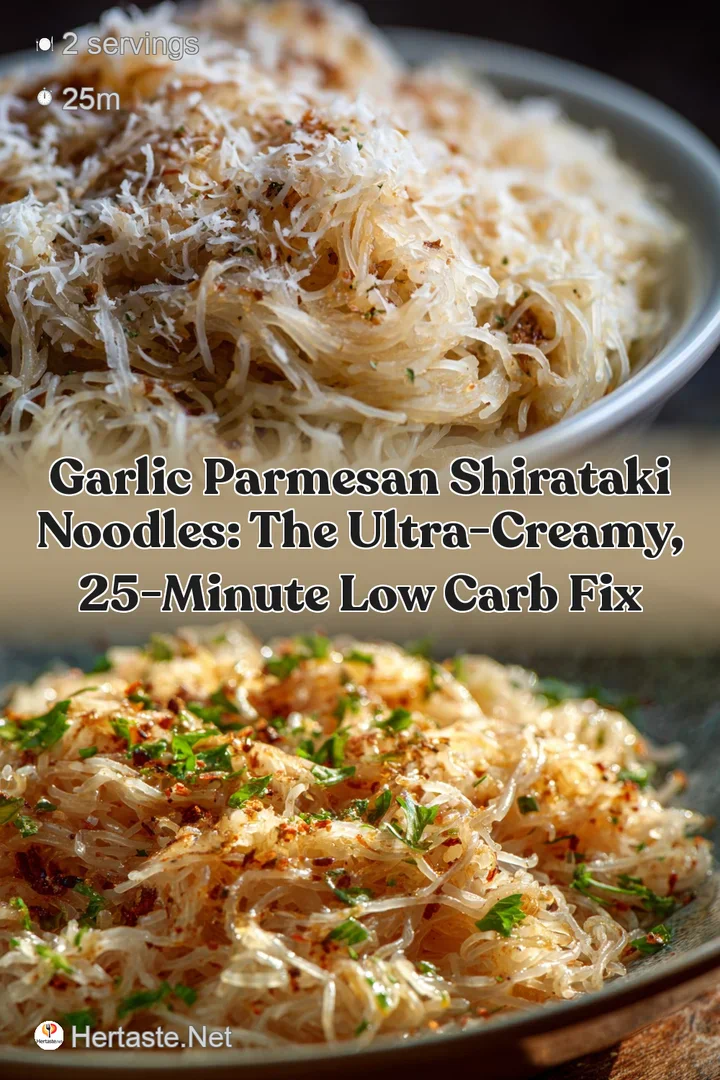
Recipe FAQs
Why do my Shirataki noodles taste rubbery or watery?
The primary issue is insufficient drying after the initial rinse. To achieve a pleasant texture, you must dry-fry the noodles in a hot skillet for 5 to 7 minutes until the excess water evaporates and they stop ‘squeaking’ against the pan.
This essential step dramatically improves the noodle's ability to absorb the rich garlic sauce.
I notice a strange odor when I open the shirataki package. Is this normal?
Yes, the slight fishy or earthy smell is normal; it comes from the preserving liquid (calcium hydroxide) used in the packaging of the konjac root. A thorough, vigorous rinse under cold water is mandatory, and the subsequent dry-frying step completely eliminates any residual odor.
Why isn't the Garlic Parmesan sauce sticking to my noodles?
Shirataki noodles are hydrophobic (water repelling) until fully dried, meaning the sauce will not adhere if they are still wet. Ensure the noodles are completely dry from the frying process and that you are using enough fat, as the butter/oil is what helps the Parmesan cling to the surface.
Can I make this Garlic Parmesan Shirataki dish dairy-free or vegan?
Absolutely; swap the butter for a high-quality vegan butter alternative or olive oil, and substitute the grated Parmesan with nutritional yeast or a compliant vegan Parmesan substitute. Nutritional yeast provides the savory, cheesy, umami punch necessary to replace the aged cheese flavor.
How should I store leftovers, and can I freeze this dish?
Store any leftovers in an airtight container in the refrigerator for up to 3 days, and reheat gently on the stovetop or microwave. Freezing is not recommended for shirataki noodles, as their high water content will cause them to become mushy and compromise the texture upon thawing.
What are some good protein or vegetable additions to this recipe?
This savory dish pairs exceptionally well with quick proteins such as pan-seared shrimp, grilled chicken breast, or crumbled Italian sausage. For vegetables, try sautéing baby spinach, quartered mushrooms, or blistered cherry tomatoes alongside the garlic for added color and nutritional value.
I don't have shirataki noodles; can I substitute them with a different low-carb pasta?
You can successfully use other zero carb options like zucchini spirals (zoodles) or spaghetti squash, but adjust the cooking time significantly, as these require only minimal heating to prevent them from becoming waterlogged. If using zoodles, you may need to blot them dry before adding the sauce.
Garlic Parmesan Shirataki Noodles Recipe
Ingredients:
Instructions:
Nutrition Facts:
| Calories | 417 kcal |
|---|---|
| Protein | 7.2 g |
| Fat | 2.8 g |
| Carbs | 102.8 g |
