Chicken Tenderloin Recipe with Garlic and Herbs
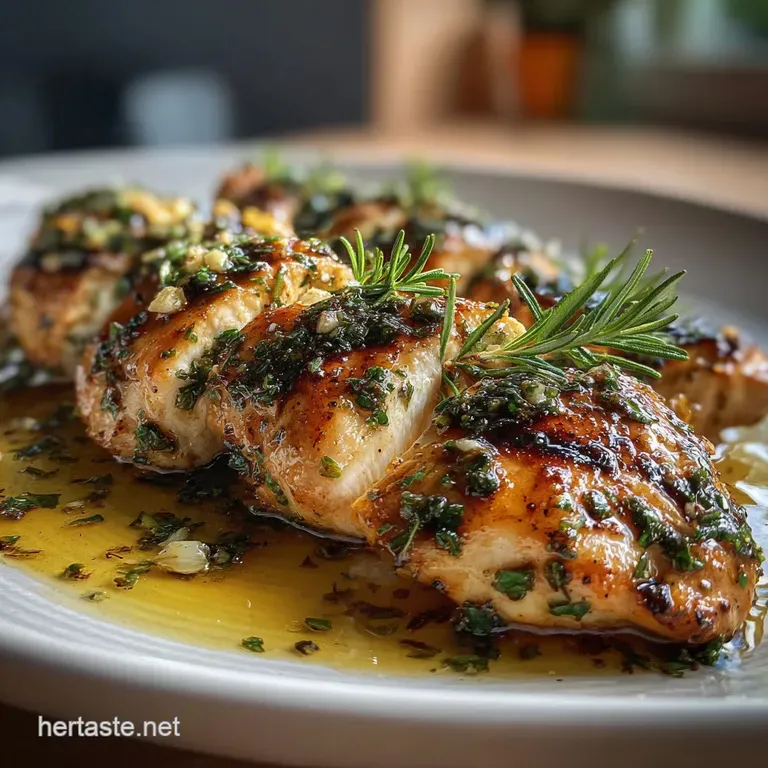
- Time: Active 10 minutes, Passive 10 minutes, Total 20 minutes
- Flavor/Texture Hook: Velvety butter finish with a shatter crisp golden crust
- Perfect for: High protein weeknight dinners and meal prep
- Chicken Tenderloin Recipe with Garlic and Herbs
- Essential Timing and Yield Numbers
- The Science of the Golden Crust
- Component Analysis and Culinary Roles
- Choosing Your Aromatic Building Blocks
- Tools Needed for Professional Results
- Mastering the Art of Flavor Basting
- Solving Problems Before They Happen
- Smart Ingredient Swaps and Adaptations
- Creative Twists on the Classic Base
- Storage Guidelines for Future Meals
- Plating Suggestions and Side Dishes
- Recipe FAQs
- 📝 Recipe Card
Chicken Tenderloin Recipe with Garlic and Herbs
Imagine the high pitched sizzle as cold poultry hits a shimmering, hot pan. That sound is the start of something special, but for years, I actually messed this up by being too impatient.
I used to throw the chicken in while the oil was still lukewarm, resulting in a rubbery, pale mess that looked more boiled than fried. This chicken tenderloin recipe with garlic and herbs will become your new go to favorite because it teaches you the patience required for a truly golden crust.
The first time I got this right, the aroma of toasted rosemary and garlic filled my entire apartment, smelling more like a high end bistro than my cramped little kitchen. It was a total epiphany. I realized that the secret isn't just the ingredients, but how you layer them into the pan at exactly the right moment.
We've all been there, staring at a pack of chicken tenders wondering how to make them not boring. Trust me, the transition from "dry health food" to "velvety herb infused indulgence" is much shorter than you think. You just need to follow the sequence of the sear.
Essential Timing and Yield Numbers
Getting the logistics right is the difference between a relaxed dinner and a chaotic kitchen. I always tell my friends to weigh their meat because "1.5 lbs" can look different depending on how the butcher trims the tenders.
If they're particularly large, you might need an extra minute of cook time to reach that safe internal temperature.
| Method | Time | Texture | Best For |
|---|---|---|---|
| Cast Iron | 10 minutes | Maximum crust | Ultimate flavor |
| Non stick | 12 minutes | Soft, even gold | Easy cleanup |
| Air Fryer | 12 minutes | Very crispy | Hands off cooking |
Right then, let's talk about why we use these specific methods. While the air fryer is great for a hands off approach, you lose the ability to baste the chicken in that liquid gold butter. I almost always recommend the cast iron skillet for this specific dish because the heat retention is unmatched.
The Science of the Golden Crust
Maillard Reaction: High heat causes a chemical reaction between amino acids and reducing sugars, creating hundreds of new flavor compounds. Butter Emulsification: Adding cold butter at the end creates a silky sauce as the fat binds with the chicken's natural juices.
Component Analysis and Culinary Roles
Understanding what each item brings to the party helps you become a better cook. We aren't just tossing things in a pan; we're building a foundation of flavor. For example, using avocado oil instead of olive oil allows us to hit those high temperatures needed for a sear without the oil breaking down and tasting bitter.
| Ingredient | Science Role | Pro Secret |
|---|---|---|
| Chicken Tenders | Lean protein base | Pat them bone dry for a better sear |
| Unsalted Butter | Fat and flavor carrier | Use cold butter to control the melt |
| Fresh Rosemary | Oil soluble aromatics | Bruise the leaves first to release oils |
| Lemon Juice | Acidic balancer | Brightens the heavy fats at the very end |
Using fresh herbs here is non negotiable for the basting stage. Dried herbs tend to burn and turn gritty in the hot butter, whereas fresh sprigs of rosemary and thyme gently infuse the fat with their essential oils. It’s the difference between a "good" meal and one that makes you want to lick the plate.
Choosing Your Aromatic Building Blocks
Here is everything you need to grab from the pantry. I've included some swaps just in case you're missing something, but try to stick to the fresh stuff if you can.
- 1.5 lbs chicken tenderloins: Why this? They cook faster and more evenly than full breasts. (Substitute: Sliced chicken breast)
- 1 tsp kosher salt: Why this? Larger grains make it easier to season evenly. (Substitute: 1/2 tsp table salt)
- 1/2 tsp coarse black pepper: Why this? Adds a punchy, textured heat. (Substitute: White pepper)
- 1 tbsp avocado oil: Why this? High smoke point prevents kitchen smoke. (Substitute: Grapeseed oil)
- 3 tbsp unsalted butter: Why this? Lets you control the salt levels perfectly. (Substitute: Ghee)
- 4 cloves garlic, minced: Why this? Provides the aromatic backbone of the dish. (Substitute: 1 tsp garlic powder)
- 1 tbsp fresh thyme leaves: Why this? Earthy notes that pair with poultry. (Substitute: 1 tsp dried thyme)
- 1 sprig fresh rosemary, chopped: Why this? Adds a piney, sophisticated depth. (Substitute: Fresh sage)
- 1 tsp lemon zest: Why this? Contains oils for long lasting citrus flavor. (Substitute: Lime zest)
- 1 tbsp fresh flat leaf parsley: Why this? Adds a grassy, fresh finish. (Substitute: Fresh chives)
- 1/2 lemon, juiced: Why this? Cuts through the richness of the butter. (Substitute: Apple cider vinegar)
Chef's Tip: Freeze your butter for 10 minutes before adding it to the pan. This delayed melt gives the garlic more time to soften without the butter solids burning too quickly.
Tools Needed for Professional Results
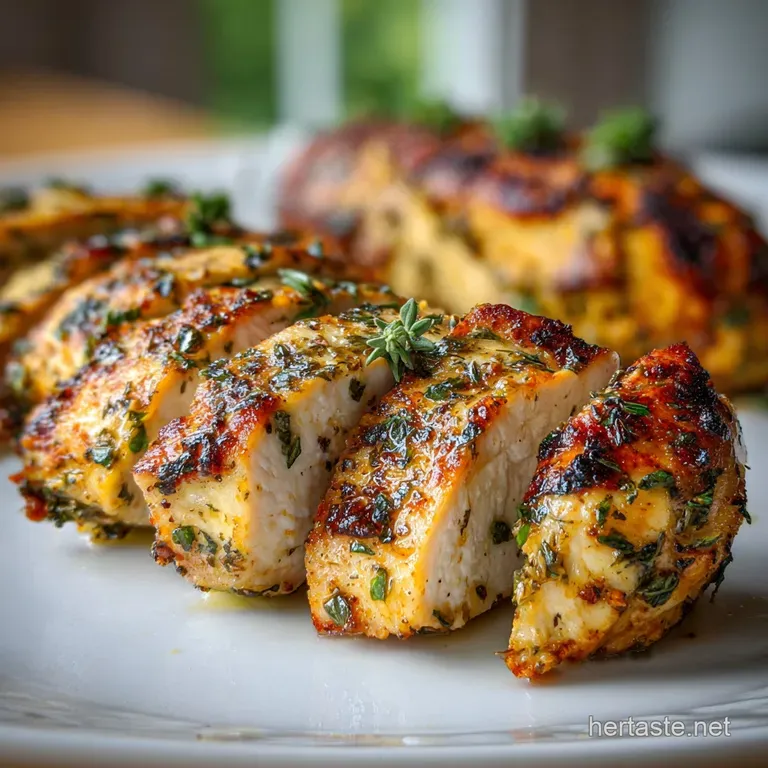
You don't need a million gadgets, but a few specific items make this much easier. A heavy bottomed skillet, like a Lodge cast iron, is my top choice here. It holds heat so well that the temperature won't drop when you add the cold meat.
You'll also want a pair of sturdy tongs. Slicing into the chicken to "check if it's done" is a crime in my kitchen it lets all the velvety juices escape. Instead, use an instant read thermometer to hit that 165°F mark exactly.
Mastering the Art of Flavor Basting
- Dry the protein. Pat the 1.5 lbs chicken tenderloins with paper towels until they feel tacky. Note: Moisture is the enemy of a crisp crust.
- Season thoroughly. Sprinkle 1 tsp kosher salt and 1/2 tsp black pepper over both sides of the chicken.
- Heat the pan. Add 1 tbsp avocado oil to a large skillet over medium high heat until the oil shimmers and wisps of smoke appear.
- Sear the first side. Place chicken in the pan and cook for 3-4 minutes until a deep golden crust forms and it releases easily.
- Flip the meat. Turn the tenders over and cook for another 2 minutes. Note: We finish the cooking process in the butter sauce.
- Lower the heat. Reduce to medium and add 3 tbsp unsalted butter, 4 minced garlic cloves, 1 tbsp thyme, and the chopped rosemary.
- Baste the chicken. Tilt the pan and spoon the foaming herb butter over the chicken repeatedly for 2-3 minutes until the butter smells nutty and the chicken is opaque.
- Add the aromatics. Stir in 1 tsp lemon zest and 1 tbsp parsley.
- Finish with acid. Squeeze the 1/2 lemon over the pan and remove from heat immediately.
- Rest the meat. Transfer to a plate and let sit for 5 minutes until the juices redistribute through the fibers.
If you find yourself wanting a more complex citrus profile, you might enjoy the technique used in this Zesty Lemon Garlic recipe. It uses a similar browning method but leans harder into the bright, acidic notes.
Solving Problems Before They Happen
The biggest issue people face is the garlic burning. If your garlic turns dark brown or black, it will taste incredibly bitter and ruin the whole vibe. This happens because the pan is too hot when the garlic goes in. Always drop your heat a notch before the butter and garlic hit the metal.
The Chicken is Rubbery
This usually happens from overcooking or "stewing" the chicken in its own juices. If you crowd the pan, the temperature drops, the chicken releases water, and it boils rather than sears. Work in batches if your pan isn't big enough to keep space between each tenderloin.
| Problem | Root Cause | Solution |
|---|---|---|
| Burnt Garlic | Heat too high or added too early | Add garlic only after reducing heat to medium |
| Pale Chicken | Pan wasn't hot enough | Wait for oil to shimmer before adding meat |
| Dry Meat | Overcooked past 165°F | Use a thermometer and remove at 160°F (carryover) |
Another common hurdle is the "no crust" dilemma. If you're using a non stick pan, you won't get the same deep brown color as cast iron, but you can help it along. Make sure you aren't moving the chicken around! Let it sit undisturbed for at least 3 minutes to develop that Maillard magic.
Common Mistakes Checklist
- ✓ Pat chicken completely dry (prevents steaming)
- ✓ Ensure the oil is shimmering before the meat touches the pan
- ✓ Leave space between the tenders (don't overcrowd)
- ✓ Use fresh herbs for the basting stage, not dried
- ✓ Let the meat rest for 5 minutes before serving
Smart Ingredient Swaps and Adaptations
Sometimes you're halfway through a recipe and realize the rosemary bush in the garden has seen better days. Don't panic. You can easily pivot this dish to fit different flavor profiles or dietary needs.
| Original Ingredient | Substitute | Why It Works |
|---|---|---|
| Unsalted Butter | Ghee | Higher smoke point but same buttery flavor. |
| Fresh Thyme | Dried Oregano | Note: Use 1/3 the amount; adds a Mediterranean vibe. |
| Avocado Oil | Light Olive Oil | Similar high heat tolerance. Avoid Extra Virgin here. |
If you want to try a different approach to poultry, the method in my Juicy Lemon Herb recipe shows how these same flavors work when roasted slowly in the oven rather than seared.
The "If You Want X, Do Y" Guide If you want a crunchy coating, dredge the seasoned chicken in a little cornstarch before searing. If you want a spicy kick, add 1/2 tsp of red pepper flakes to the butter during the basting stage.
If you want it dairy-free, use a high-quality vegan butter or extra avocado oil with a dash of nutritional yeast.
Creative Twists on the Classic Base
Baked Version
If you prefer the oven, you can sear the chicken for just 1 minute per side, then transfer the whole skillet to a 400°F oven for 5-7 minutes. This is great if you're cooking for a crowd and don't want to stand over the stove basting individual tenders.
Mediterranean Variation
Swap the rosemary for oregano and add 1/4 cup of crumbled feta and some halved cherry tomatoes at the very end. The tomatoes will soften in the garlic butter and create a light, chunky sauce that is brilliant over pasta.
Storage Guidelines for Future Meals
This chicken tenderloin recipe with garlic and herbs is actually a meal prep superstar. Because of the butter coating, the meat stays relatively moist even after reheating.
Fridge: Store in an airtight container for up to 4 days. Keep the leftover herb butter from the pan pour it right over the chicken so it solidifies and protects the meat.
Freezer: You can freeze these for up to 3 months. I recommend wrapping them individually in parchment paper before putting them in a freezer bag. This prevents them from sticking together.
Zero Waste Tip: Don't throw away those herb stems! Throw the leftover rosemary and thyme stems into a bag in your freezer. When you have enough, use them to flavor homemade chicken stock or bone broth.
Plating Suggestions and Side Dishes
Since this dish is so buttery and rich, I love serving it with something that can soak up the sauce. A pile of fluffy mashed potatoes or some crusty sourdough bread is essential for getting every last drop of that garlic butter.
If you're keeping things light, a simple arugula salad with a lemon vinaigrette provides a sharp contrast to the savory chicken. The bitterness of the greens cuts through the fat of the butter perfectly. Honestly, don't even bother with heavy cream based sides here; the chicken provides all the richness you need.
For a more filling option, a simple wild rice pilaf or even some roasted asparagus works wonders. The key is to keep the sides relatively simple so the herb infused chicken remains the star of the show. Trust me, once you master the basting technique, you'll be looking for reasons to make this every single week.
It's just that good.
Recipe FAQs
Can I use dried herbs instead of fresh for this chicken tenderloin recipe?
No, it's best to stick with fresh herbs. Dried herbs tend to burn and can become gritty in the hot butter during the basting process, whereas fresh herbs infuse the fat more gently and effectively.
How do I prevent the garlic from burning during the basting stage?
Reduce the heat to medium before adding the butter and garlic. If the pan is too hot when the garlic hits, it will quickly turn bitter and ruin the flavor of the sauce.
Why is my chicken tenderloin rubbery instead of seared?
This usually happens when the pan isn't hot enough or the chicken is overcrowded. For a proper sear, ensure your oil is shimmering before adding the meat, and cook in batches if necessary to maintain pan temperature and prevent steaming.
What's the secret to a golden brown crust on the chicken?
Pat the chicken completely dry and ensure your pan is hot. Moisture prevents browning, and a sufficiently heated pan is crucial for initiating the Maillard reaction that creates that desirable crust.
How long should I rest the chicken tenderloins after cooking?
Rest the chicken for at least 5 minutes. This allows the juices to redistribute throughout the meat, ensuring it remains moist and tender, similar to how resting is crucial for perfectly cooked Authentic Homemade Chicken and Dumplings Recipe Fluffy Drop Dumplings.
Can I make this recipe dairy-free?
Yes, you can adapt it for a dairy-free diet. Use a high-quality vegan butter alternative or substitute with an additional tablespoon of avocado oil and a dash of nutritional yeast for a similar richness and depth of flavor.
What are some good side dishes for these garlic herb chicken tenderloins?
Serve with something that can soak up the sauce, like mashed potatoes or crusty bread. For a lighter option, a simple arugula salad with lemon vinaigrette provides a nice contrast, much like the bright flavors in our Chicken Sausage Puffs with Creamy Mustard Dipping Sauce Recipe, balancing the richness.
Garlic Herb Chicken Tenders
Ingredients:
Instructions:
Nutrition Facts:
| Calories | 312 calories |
|---|---|
| Protein | 38.6 g |
| Fat | 16.8 g |
| Carbs | 1.8 g |
| Fiber | 0.3 g |
| Sugar | 0.2 g |
| Sodium | 582 mg |
