Greek Lemon Potatoes: the Ultimate Patates Lemonates
- Beyond the Basic Roast: Mastering Patates Lemonates
- Essential Components for Authentic Greek Lemon Potatoes
- The Method: How to Achieve the Perfect Tangy Glaze
- The Science of Texture: Why These Potatoes are Creamy Inside and Golden Outside
- Expert Tips and Troubleshooting: Solving Common Patates Lemonates Problems
- Storage, Reheating, and Traditional Greek Pairings
- Recipe FAQs
- 📝 Recipe Card
Beyond the Basic Roast: Mastering Patates Lemonates
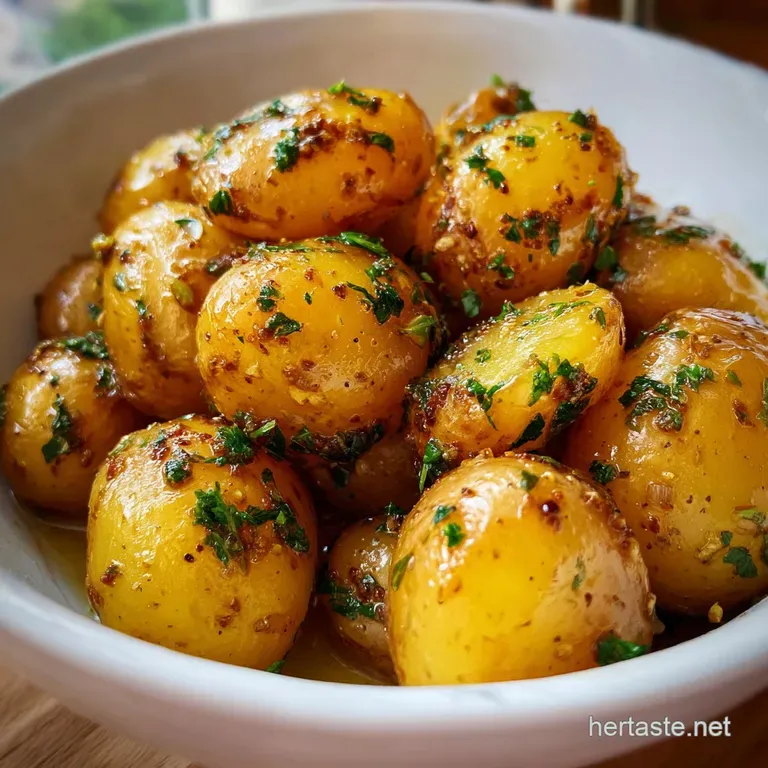
The moment the pan of Greek Lemon Potatoes slides out of the oven, you know dinner is saved. That smell? It’s potent a glorious, tangy blend of caramelized lemon, earthy oregano, and rich olive oil that hits you immediately.
But these aren’t just scented potatoes; they’re coated in a thick, mahogany colored glaze that promises to be simultaneously crisp on the outside and impossibly tender within.
I used to struggle with this recipe, ending up with dry, pale spuds swimming in a watery, separated oil slick. Ugh. But when you get it right, this dish is pure magic, requiring only five cheap, staple ingredients and minimal active cooking time.
It’s my absolute go-to when I want a show stopping side without the headache.
Today, we are diving deep into the secrets of Patates Lemonates, ensuring you get that perfect, irresistible glaze every single time. Trust me, once you master the liquid-to-potato ratio, you’ll never look back.
What are Patates Lemonates? A Culinary Overview
Patates Lemonates literally translates to "Lemon Potatoes," and they are the undisputed champions of Greek side dishes. They bridge the gap between braising and roasting, using a tangy, savory liquid that both cooks the potato through and then reduces down into a flavor packed, glossy reduction.
Making these Easy Greek Lemon Potatoes is less about high speed chopping and more about patience while the oven does the heavy lifting.
The Alchemy of the Sauce: Why Lemon and Olive Oil Emulsify
The real genius here is the combination of fat (olive oil), acid (lemon juice), and moisture (stock). When you whisk the initial sauce together, you are creating a temporary emulsion.
As the pan bakes and the stock evaporates, that emulsion breaks down, concentrating the flavor compounds and allowing the starch released by the potatoes to interact. This process is how the thin liquid transforms into that luxurious, sticky, thick glaze we crave. Don't skip the vigorous whisking!
It's key to starting the process.
Difficulty Level Assessment and Time Commitment
While the ingredient list is straightforward, I rate this recipe as medium difficulty. Why? Because the enemy of great Greek Lemon Potatoes is impatience. Achieving the ultimate texture tender inside, slightly crispy outside, and completely coated in sauce requires careful management of oven temperature and liquid evaporation over 75 to 85 minutes.
It’s mostly hands off, but you must be ready to intervene if the sauce is disappearing too quickly or, conversely, refusing to thicken.
Essential Components for Authentic Greek Lemon Potatoes
If you want the best result, you have to start with the best components. We aren't just dumping spuds in water here; we're crafting a complex, rustic side dish.
Selecting the Starch: Which Potato Variety Holds Up Best?
My favorite choice for any Greek Lemon Potatoes Recipe is the mighty Yukon Gold. They have a fantastic, slightly waxy texture that holds its shape beautifully during the long, wet cook time but still gets creamy on the inside.
Russets work too, but they contain more starch and are more prone to falling apart if you over stir them late in the game. Tip: If you only have Russets, cut them slightly larger and handle them gently during the mid-cook rotation.
The Crucial Role of high-quality Olive Oil and Fresh Lemon Juice
Since the olive oil and fresh lemon juice are the central flavor components, do not cheap out here! I once tried this recipe with old bottled lemon juice and cheap cooking oil, and the results were flat and metallic. The sauce simply separated into a greasy mess.
The bright, tangy notes of fresh lemon juice are irreplaceable. If you absolutely cannot find fresh lemons, you can use bottled juice, but compensate by adding a teaspoon of good quality white wine vinegar to bring back some complexity.
Chef's Note: Use Extra Virgin Olive Oil. Its rich, grassy flavor carries the oregano beautifully through the heat of the oven, resulting in a much deeper, more satisfying final sauce.
Troubleshooting the Broth: Stock vs. Water and Alternative Acids
For truly amazing Lemon Potatoes , you need depth. I always use low-sodium chicken or vegetable stock because it provides a foundational layer of savoriness that water simply cannot match. If you are in a pinch and only have water, you need to add back flavor.
Dissolve 1/2 tsp of good quality chicken bouillon powder into the water before adding the lemon and oil. This ensures your final sauce is rich, not just sour.
| Ingredient | Substitute (If Necessary) | Why? |
|---|---|---|
| Yukon Gold Potatoes | Waxy Red Potatoes or Small Russets | Need a potato that holds shape but softens readily. |
| Chicken/Veg Stock | Water + 1/2 tsp Bouillon Powder | Boosts essential savory depth lost with plain water. |
| Fresh Lemon Juice | Quality Bottled Juice + White Wine Vinegar | Mimics the complex acidity of fresh fruit. |
| Dried Oregano | Dried Thyme or Rosemary | If out of oregano, these herbs complement the lemon flavor. |
The Method: How to Achieve the Perfect Tangy Glaze
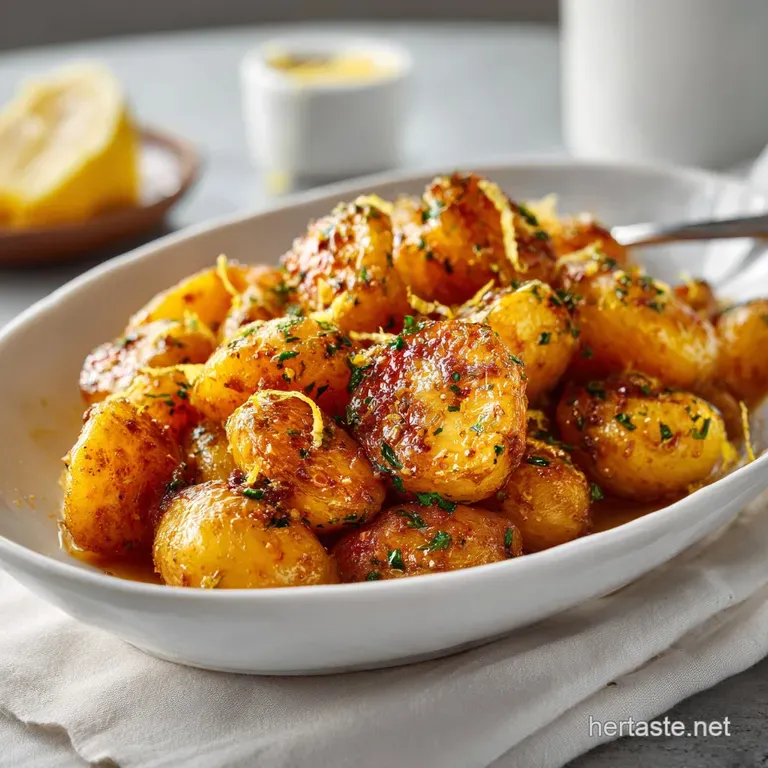
The difference between okay Greek Lemon Potatoes and the kind that make your friends beg for the recipe is all in the method. Getting that perfect, thick glaze requires uniform cuts and timely intervention.
Achieving Maximum Surface Area: The Ideal Potato Cut and Rinse
When preparing these Slow Roasted Greek Lemon Potatoes , uniformity is your absolute best friend. Cut all your potatoes into roughly equal wedges or quarters. If you have large pieces mixed with small chunks, the small ones will turn to mash before the large ones are tender.
After cutting, give them a quick, light rinse in cold water. This removes some of the excess surface starch, preventing the potatoes from sticking together aggressively in the pan later.
Combining the Sauce and Potatoes: Ensuring Uniform Coating and Submersion
Place the potatoes and your roughly smashed garlic cloves (which will melt and become tender during the bake) directly into your roasting dish. Pour that whisked lemon broth right over them. Gently toss everything until the potatoes are thoroughly coated and settle neatly into the pan.
You want the potatoes to be submerged by about two-thirds in the liquid. If the liquid isn't high enough, add a little extra stock. This ensures they braise first, which is the key to that incredible creamy interior.
The Mid-Cook Shift: Rotating and Basting for Even Browning
The first 30 minutes are for braising. After that, pull the dish out, and this is where you engage in the mid-cook shift. Using tongs, carefully turn every potato piece so that the submerged side is now facing up.
This allows the liquid to kiss the exposed surface, encouraging beautiful caramelization and a glossy crust. Return the dish to the oven for the remaining cook time. Watch the liquid closely! It should be reducing rapidly now.
The Science of Texture: Why These Potatoes are Creamy Inside and Golden Outside
The secret to this incredible dual texture lies in the dual cooking method . We start by braising the potatoes (cooking them submerged in liquid at 400°F). This gentle, moist heat allows the starchy core of the potato to cook thoroughly and become incredibly creamy without drying out.
Then, as the liquid evaporates and the remaining reduced sauce is absorbed or caramelizes around the edges, the potatoes essentially start roasting in the high heat and fat, creating a beautifully golden, slightly crispy shell.
This simultaneous braise and roast technique is the reason this dish is superior to simply boiling and then roasting potatoes.
Expert Tips and Troubleshooting: Solving Common Patates Lemonates Problems
I’ve made every mistake, so you don't have to! Getting the perfect final result for these Baked Greek Lemon Potatoes means avoiding the following pitfalls.
The Dual Cooking Method: Braising and Roasting in One Pan
Many people try to rush the process or use too much stock. Remember, the first 30– 40 minutes are sacred braising time. The potatoes must absorb that beautiful liquid and its flavor.
If you use a shallow dish or a pan that is too large, the liquid will evaporate before the potatoes are tender, leaving you with dry spuds and burnt sauce residue. Use a dish with high sides!
Why is My Sauce Not Thickening? Addressing the Emulsion Failure
This is the most common issue. If your sauce is still watery after 60 minutes and the potatoes are tender, one of two things happened: either your initial liquid volume was too high for the size of your pan, or your oven temperature dipped.
The Fix: If the potatoes are tender, remove them from the pan. Place the sauce on the stovetop over medium high heat and let it rapidly reduce for 3– 5 minutes until syrupy.
You can also deploy the cornstarch trick I mentioned earlier: Mix 1 tsp of cornstarch with 1 tbsp of cold water, whisk it into the residual sauce, and cook until thick.
The Temperature Sweet Spot: Baking Low and Finishing High
We bake these at a consistent 400°F (200°C), which is high enough to encourage browning once the liquid is gone but low enough to allow the potatoes time to soften without burning the sauce. But remember to check your potatoes!
If they are tender but the sauce is taking ages to reduce, turn the heat up to 425°F for the last 10 minutes. Getting the right amount of caramelization around the edges elevates these Greek Lemon Potatoes from good to fantastic.
Storage, Reheating, and Traditional Greek Pairings
Can you make these ahead? Yes, mostly. But they are best served fresh, right out of the reduced sauce.
When storing leftovers, transfer the Greek Lemon Potatoes and any remaining sauce into an airtight container and refrigerate for up to 3 days. Freezing? Not recommended. The potatoes get grainy and mushy upon thawing, and the sauce emulsion separates badly.
Just make a smaller batch if you’re worried about waste!
Reheating the Leftovers: The best way to revive them is not the microwave. Spread the leftovers out on a lined baking sheet and reheat them in a preheated oven (350°F / 175°C) for 10– 15 minutes until sizzling hot.
This restores some crispness to the exterior that was lost in the fridge.
What to Serve Alongside Patates Lemonates (Ideal Pairings)
These Best Greek Lemon Potatoes are designed to accompany simple, hearty mains. The bright acid cuts through rich, slow cooked meats perfectly. While they pair beautifully with classic lamb or chicken, they are equally amazing alongside a simple grilled fish.
For a complete meal, try serving them next to Steamed Green Beans: Crisp Tender with Brown Butter Lemon Zest for a fresh vegetable contrast. Or, if you need a crunchier side, the tangy texture of Shredded Brussel Sprouts: Crispy Slaw with Lemon Pancetta is surprisingly delicious next to the soft, creamy potatoes.
Once you’ve mastered this Greek Lemon Potatoes technique, you’ll never settle for a boring roasted potato again. This is truly an essential recipe for every home cook!

Recipe FAQs
Why is my lemon sauce thin or watery instead of thick and glossy?
This usually means the sauce hasn't properly reduced or emulsified. Ensure you are using the specified amount of olive oil, as the fat is crucial for creating the glossy emulsion with the lemon juice and stock.
Make certain the potatoes are baked uncovered for the final 15 20 minutes to allow the liquid to evaporate sufficiently and reduce down into that signature thick sheen.
What is the best type of potato to use for Patates Lemonates?
Russets (Idaho) or Yukon Golds are ideal, as they hold their shape well but still absorb the flavorful liquid beautifully during the long cook time.
Avoid waxy varieties like new potatoes, which tend to resist absorbing the cooking liquid and may not achieve the desired creamy interior texture.
The recipe calls for stock. Can I use water instead, or what stock should I choose?
While you can use water in a pinch, using vegetable or chicken stock adds necessary richness and depth that greatly enhances the final sauce.
If you opt for water, consider adding a pinch of bouillon powder or a touch more oregano and salt to compensate for the lost savory flavor profile.
My potatoes aren't browning properly. How do I get a nice golden crust?
Ensure your baking dish is not overcrowded, as this will cause the potatoes to steam rather than roast, hindering browning.
If the potatoes are tender but still pale at the end of the cooking time, crank the oven temperature up to 425°F (220°C) for the last 10 minutes, ensuring the sauce doesn't scorch.
Can I prepare the potatoes ahead of time?
Yes, you can cut the potato wedges and submerge them in cold water up to 24 hours ahead of time to prevent oxidation.
However, mix the lemon juice, oil, and stock separately, and only pour the liquid over the potatoes immediately before baking, as the acid can prematurely soften the potato texture.
How should I store and reheat leftover Greek Lemon Potatoes?
Store leftovers in an airtight container in the refrigerator for up to 3 to 4 days; this dish does not freeze well due to the high liquid content and potato texture.
Reheat them gently in a 350°F (175°C) oven until warmed through, or use a skillet, but be aware the sauce may thin slightly upon reheating.
Can I make this dish vegan and dairy-free?
This recipe is naturally vegan and dairy-free, provided you use quality vegetable stock instead of chicken stock.
The richness required for the sauce comes entirely from the quality olive oil, making it an excellent plant based side dish.
Easy Greek Lemon Potatoes

Ingredients:
Instructions:
Nutrition Facts:
| Calories | 629 kcal |
|---|---|
| Protein | 13.4 g |
| Fat | 16.7 g |
| Carbs | 109.7 g |
