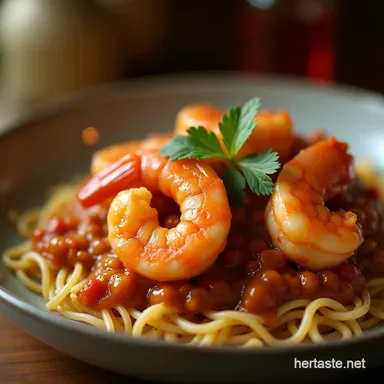
The True Taste of Louisiana Robust Easy Shrimp Creole
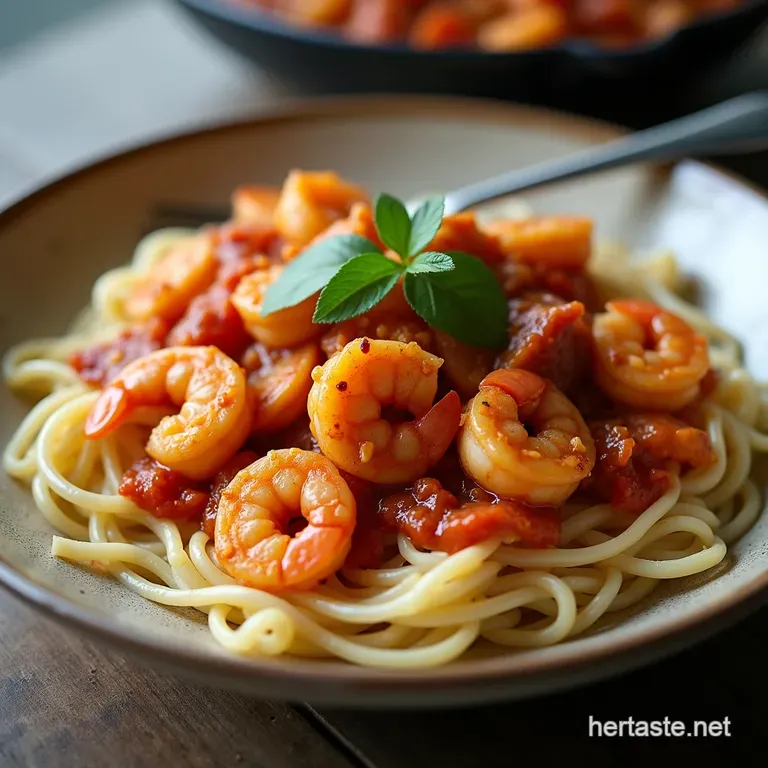
- Unearthing the Soul of Louisiana: What Makes This Shrimp Creole Recipe Essential
- Distinguishing True Creole Flavor from Its Cajun Counterpart
- Assembling Your Bayou Bounty: Essential Components for Authentic Flavor
- Step-by-Step Journey to Perfect Homemade Shrimp Creole
- Achieving Velvety Texture: Simmering and Thickening Techniques
- Serving Suggestions That Elevate Your Creole Experience
- Recipe FAQs
- 📝 Recipe Card
Unearthing the Soul of Louisiana: What Makes This Shrimp Creole Recipe Essential
There’s a comforting warmth and undeniable vibrancy that comes with authentic Shrimp Creole . It’s more than just seafood in tomato sauce; it’s a deep, layered experience that tells the story of Louisiana’s unique culinary history, a beautiful marriage of European technique, African flavour profiles, and indigenous American ingredients.
This particular Shrimp Creole recipe is crafted to be robust yet approachable for the home cook, delivering that true, soulful taste we associate with the bustling kitchens of New Orleans.
When you master this dish, you unlock a cornerstone of Southern gastronomy, one that moves far beyond the simple, quick weeknight fare and into the realm of slow-cooked satisfaction. It’s hearty, flavourful, and truly satisfying, promising a genuine taste of the bayou right on your dinner plate.
Distinguishing True Creole Flavor from Its Cajun Counterpart
While often confused by those outside the region, Creole and Cajun cooking boast distinct differences, and understanding them is key to perfecting Authentic Shrimp Creole . The primary divergence lies in the use of tomatoes and the preparation style.
Cajun cooking, often rooted in the swamps and bayous, tends to be darker, relying heavily on browned roux and less emphasis on fresh acidity. Creole cooking, historically centered in the city environments like New Orleans, embraces the tomato more readily, resulting in sauces that are generally brighter and built upon a foundation of slow-sweated vegetables.
This recipe leans squarely into the Creole tradition, utilizing the richness of canned tomatoes alongside the essential aromatic base that defines Louisiana cooking.
The 'Holy Trinity': Building the Flavor Foundation
No journey into Louisiana cuisine is complete without acknowledging the sacred "Holy Trinity": onions, celery, and green bell peppers. This aromatic combination is the backbone of nearly every great Creole dish.
For our Shrimp Creole sauce , these vegetables are not merely chopped and tossed in; they must be meticulously sweated down in butter until they are incredibly soft, sweet, and translucent.
This slow application of heat draws out their essential sugars and oils, creating a foundational layer of flavour that no amount of seasoning can replicate later. We are aiming for texture surrender here, a soft, melded background note, not crisp chunks.
Why Slow Simmering is Non-Negotiable for Depth of Taste
The difference between a good Creole sauce and a spectacular one often comes down to time. After building the initial flavour with the trinity and incorporating the tomatoes, the sauce requires a minimum simmer time of 30 minutes.
This period allows the acidic bite of the tomatoes to mellow out, marrying fully with the sweetness of the softened vegetables and the spices. This slow reduction concentrates the liquids and deepens the overall flavour profile, resulting in a sauce that tastes like it’s been simmering for hours, even if your total cook time is closer to an hour and a quarter.
Patience during this stage is absolutely critical for achieving the profound depth expected in Classic Shrimp Creole .
A Thrilling Alternative to Standard Tomato Sauces
While traditional Italian marinara relies on herbs like basil and oregano dominating the flavour profile, the Shrimp Creole experience is elevated by a different, more complex spice mix.
We incorporate a high-quality Creole or Cajun seasoning blend, which typically includes salt, pepper, paprika, garlic powder, and onion powder, providing a savory depth often missing in simpler tomato preparations.
Combined with specific additions like dried thyme, oregano, and that essential whisper of cayenne pepper, the resulting sauce offers a robust savoury character with a signature, warming kick that sets it thrillingly apart from standard tomato-based dishes.
Assembling Your Bayou Bounty: Essential Components for Authentic Flavor
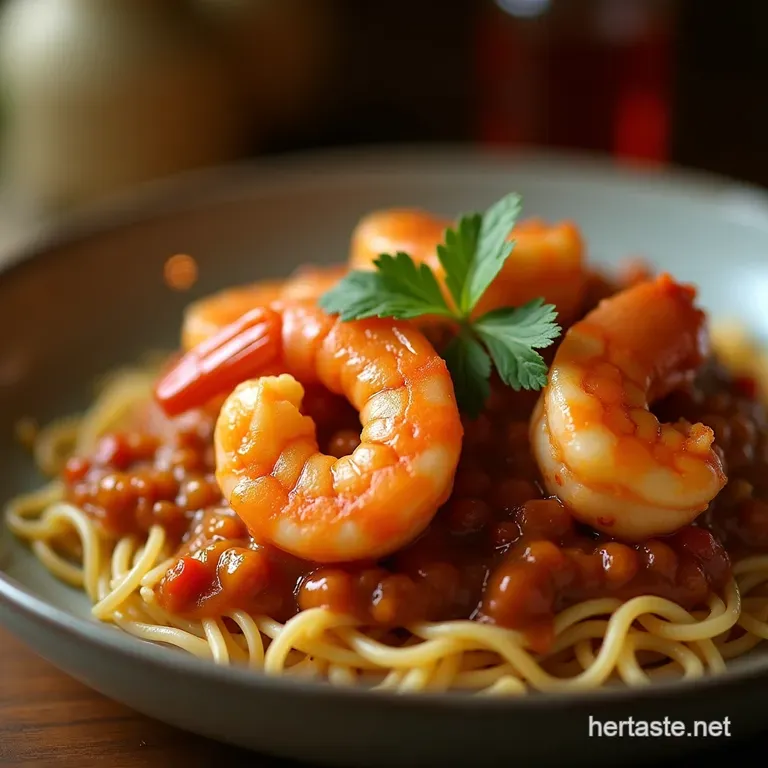
To successfully execute this dish, gathering and selecting the right components beforehand makes the entire cooking process seamless. We are focusing on quality where it counts, the seafood and the foundational vegetables.
This preparation demands approximately 25 minutes of focused chopping and measuring before the cooking commences. For those planning ahead, remember that the flavour improves overnight, making it an excellent choice for entertaining.
Navigating the Pantry: Selecting the Perfect Shrimp and Produce
When choosing your Shrimp Creole ingredients , start with the seafood. Aim for large shrimp, about 21 to 25 count per pound, peeled and deveined, using about 1.5 pounds for four generous servings.
Whether you keep the tails on or remove them is purely aesthetic, but peeled is essential for easy eating in the stewed sauce. For the produce, select firm, brightly coloured bell peppers and celery stalks.
The key vegetable selection here is high-quality canned tomatoes; ditch the budget cans, as the acidity and texture of premium diced tomatoes and tomato sauce will directly influence the final success of your New Orleans Shrimp Creole .
Mastering the Spice Blend for Maximum Impact
The seasoning blend is the voice of your Creole dish. While store-bought Cajun seasoning is convenient, you must taste it first, some brands are very salty, while others lean heavily on cayenne.
We recommend about 2 teaspoons of a trusted blend, bolstered by ½ teaspoon each of dried thyme and oregano, and a crucial ¼ teaspoon of cayenne pepper for the necessary heat.
If you are attempting a variation like Shrimp Creole with okra , the okra itself will absorb seasoning, so you may need to be slightly more assertive with the sauce seasoning upfront.
Recommended Stock Choices for Your Creole Base
The liquid component helps the sauce achieve the right viscosity while adding underlying flavour. While water technically works in a pinch, the superior choice is low-sodium chicken or vegetable broth (about 1 cup).
If you happen to have high-quality fish stock on hand, it will lend a subtle oceanic undertone that beautifully complements the shrimp. Always opt for low-sodium options, as the Cajun seasoning blend already introduces a significant amount of salt, allowing you to control the final salinity precisely when seasoning the shrimp themselves.
The Tools You Need to Successfully Execute This Dish
Because this dish involves long, slow simmering and sautéing, the right cookware is your best friend. A large, heavy-bottomed Dutch oven or a deep, quality skillet is highly recommended.
The heavy base ensures that the heat is distributed evenly, preventing the tomato sauce from scorching on the bottom while it reduces. Beyond this, a sharp chef’s knife for handling the trinity and a sturdy wooden spoon for regular stirring are all that stand between you and perfectly cooked Shrimp Creole .
Related Recipes Worth Trying
- Honey Garlic Shrimp Bowls Your Weeknight Winner — Irresistible Honey Garlic Shrimp Bowls Forget takeout This easy Asianinspired recipe is ready in 25 mins Sticky sweet and savory a guaranteed hit Get the...
- Easy Grilled Shrimp Bowl Recipe Zesty Avocado Delight — My goto Easy Grilled Shrimp Bowl Recipe with zesty avocado dressing Ready in 30 mins its a healthy quick dinner Get the secret to perfectly grilled shrimp
- Garlic Shrimp Bowl Recipe Tasty Takeout Made Easy — Ditch takeout This Garlic Shrimp Bowl Recipe Tasty is ready in 30 Garlicky shrimp and fluffy rice even better than your local Get the quick easy recipe
Step-by-step Journey to Perfect Homemade Shrimp Creole
The beauty of this Shrimp Creole recipe lies in its sequential layering of flavour. We begin with establishing the aromatic base, move into developing the tomato richness, and finish with the swift cooking of the main protein.
The entire process, from mise en place to final seasoning, should take just over an hour, yielding four ample portions of this classic stew.
Achieving Velvety Texture: Simmering and Thickening Techniques
The textural goal for any great Creole stew is a sauce that clings beautifully to the shrimp and the rice it’s served over, not watery, but certainly not pasty. We achieve this through a gentle flour dusting early on, followed by patient simmering.
Sautéing the Trinity Until Sweet Perfection
Begin by melting 2 tablespoons of butter over medium heat in your Dutch oven. Introduce the diced large onion, celery stalks, and green bell pepper. The instruction here is gently cook them for a good 8 to 10 minutes.
They must soften completely, turning translucent and sweet, releasing their aromatic oils into the butter. Next, stir in 4 minced cloves of garlic and 2 tablespoons of tomato paste. Cook for just one minute more until the paste darkens slightly; this deepens the tomato flavour profile immeasurably.
Incorporating Tomatoes and Reducing the Sauce
Now, we introduce the slightest bit of thickening by sprinkling 1 tablespoon of all-purpose flour over the softened vegetables and stirring constantly for 60 seconds, this cooks out the raw starch flavour. Immediately follow this by whisking in the seasonings: the Creole blend, thyme, oregano, and cayenne.
Then, pour in one 14.5-ounce can of diced tomatoes (undrained), one 15-ounce can of tomato sauce, and 1 cup of chicken broth. Drop in one bay leaf, bring the mixture to a low boil, then immediately reduce the heat.
Cover loosely and let this beautiful base simmer for a minimum of 30 minutes, stirring every 10 minutes to prevent sticking. This step is what separates Shrimp Creole vs etouffee —this extended, tomato-rich simmer defines the Creole style.
The Crucial Final Moments: Adding Shrimp Without Overcooking
Once the sauce has developed, increase the heat slightly until you have a gentle, steady simmer again. It is now time for the 1.5 pounds of peeled and deveined shrimp. Add them directly to the simmering sauce and stir gently to submerge them.
Shrimp cook incredibly quickly; they require only 3 to 5 minutes. Watch closely! As soon as they curl into distinct C-shapes and turn opaque pink throughout, they are done. Overcooked shrimp will turn rubbery. Remove the bay leaf, taste the sauce, and adjust salt and pepper as needed.
Stir in half of your fresh chopped parsley right before serving.
Serving Suggestions That Elevate Your Creole Experience
Serving this rich dish correctly is the final flourish that makes the meal memorable. The robust flavour profile of the Shrimp Creole sauce demands a neutral, absorbent companion to soak up every last drop of that seasoned liquid.
Perfect Pairings: Rice vs. Grits vs. Cornbread
The undisputed classic accompaniment for Shrimp Creole with rice is perfectly cooked, fluffy, long-grain white rice. The rice acts as the perfect sponge, carrying the flavour beautifully from bowl to mouth.
While it is traditionally served over rice, a close second for a brunch variation would be creamy, slightly savory grits, especially if you are leaning into the more soulful, Southern presentation.
On the side, you absolutely need crusty French bread or, better yet, homemade cornbread to ensure no bit of that incredible sauce goes to waste.
Scaling the Heat: Creative Variations on Spice Level
Adjusting the heat level is simple and highly customizable. If you prefer a milder dish, a true introduction before diving into full heat, reduce the cayenne pepper to just a tiny pinch or omit it entirely, relying only on the inherent spice in your Cajun blend.
Conversely, if you love serious fire, add a few dashes of your favourite hot sauce (Tabasco is traditional) along with the tomatoes, or even introduce a finely minced habanero during the initial sauté of the trinity (handle with gloves!).
Make-ahead Secrets for Effortless Weeknight Meals
One fantastic aspect of this recipe is its make-ahead potential. The sauce itself, the stewed vegetables and tomato base, can be made entirely up to two days in advance. Store it covered in the refrigerator.
The night you plan to eat, gently reheat the sauce until simmering, then proceed with Step 7: adding the fresh, raw shrimp and cooking them for those final 3–5 minutes.
This method drastically cuts down on the active cooking time needed for a weeknight meal while ensuring the deepest possible flavour development. You might even find that incorporating certain vegetables like Shrimp Creole with okra works better when prepared ahead, as the okra has time to fully soften into the sauce.
Recipe FAQs
What’s the secret to getting that deep, rich flavour in the Shrimp Creole sauce?
The secret lies in two main areas: first, you must properly sweat down your ‘holy trinity’ (onion, celery, and bell pepper) until they are completely soft, don't rush this step!
Second, allow the tomato base to simmer gently, uncovered, for at least 30 minutes after adding the liquids; this concentrates the tomato flavour beautifully.
My shrimp always turn out rubbery! How do I avoid overcooking them in the Shrimp Creole?
Shrimp cook quicker than you think, bless them! They should only be added right at the end once the sauce is simmering nicely. Once you stir them in, cook them for a maximum of 3 to 5 minutes, just until they curl into a C-shape and turn opaque pink. Pull the heat immediately when they look done!
Can I make this Shrimp Creole ahead of time, or is it best served fresh?
It's actually fantastic made a day ahead, much like a good stew! The flavours have time to meld together overnight, making it even better the next day. Just be sure to cool it completely, refrigerate, and add the shrimp only during the last 5 minutes of reheating the sauce.
I don't like things too spicy. How can I dial down the heat in this recipe?
That’s easily done; the heat comes mainly from the cayenne pepper and your chosen Cajun seasoning blend. Simply omit the added cayenne entirely, and when using your seasoning, start with only half the recommended amount, tasting before you add more. You can always add spice, but you can’t take it out!
What do I serve with Shrimp Creole besides plain white rice?
While fluffy white rice is the traditional canvas for soaking up that glorious sauce, you have a few cracking alternatives! Consider serving it over creamy grits for a breakfast-for-dinner feel, or use polenta if you want something a bit richer. Crusty French bread is non-negotiable for mopping up the bowl!
Authentic Shrimp Creole Recipe Rich Flavor Easy Prep