The Best Coconut Chicken Fingers Recipe: Crispy & Juicy
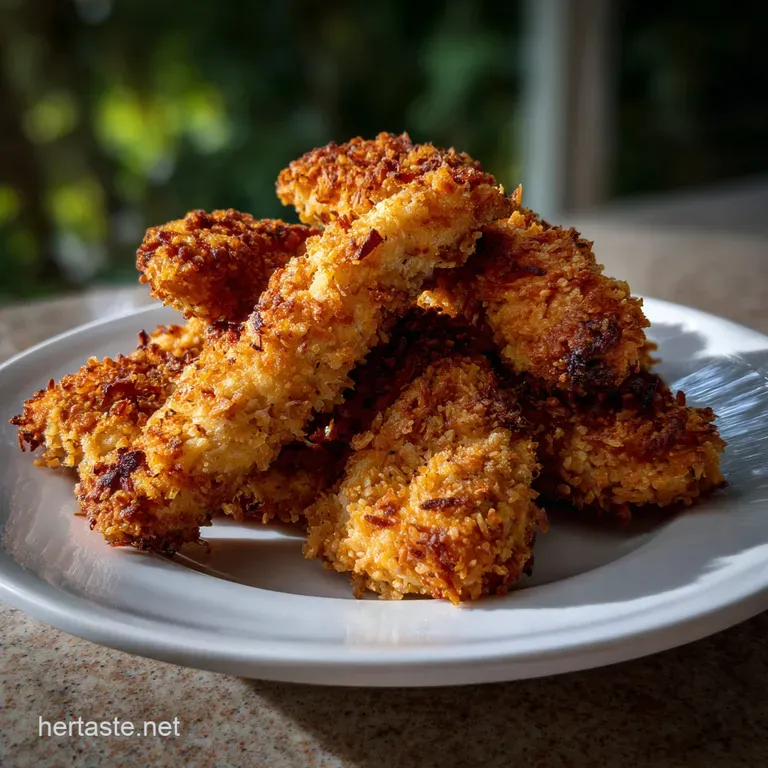
- Effort/Time: 40 minutes total (Active: 20 minutes)
- Flavor Hook: Nutty, toasted coconut meets a savory, garlic-paprika punch.
- Perfect for: Weeknight dinners, grab-and-go lunches, or high-protein game-day snacks.
- The Ultimate Coconut Chicken Fingers Recipe: Masterclass in Tropical Crunch
- Why This Works: The Science of the Perfect Tropical Crunch
- Ingredients and Smart Substitutions
- Step-by-Step Instructions for the Coconut Chicken Fingers Recipe
- Pro Tips and Common Mistakes to Avoid
- Common Myths
- Storage and Freezing Instructions
- Serving Suggestions and Dipping Sauce Pairings
- Recipe FAQs
- 📝 Recipe Card
The Ultimate Coconut Chicken Fingers Recipe: Masterclass in Tropical Crunch
Introduction to the Ultimate Coconut Chicken Fingers Recipe
That first bite should sound like a dry branch snapping a literal shatter of toasted coconut and panko. Most versions of this Coconut Chicken Fingers Recipe fail because they end up "soggy sweet" or, worse, the chicken becomes a rubbery mess.
We’ve all been there: staring at a pile of breading that slid off the meat the second it hit the plate.
I spent years chasing that restaurant style crunch at home, eventually realizing the secret isn't the oil it’s the science of the interface between the meat and the crust.
This Coconut Chicken Fingers Recipe solves the "sliding breading" problem using a specific three stage dredging sequence. By leveraging the fat content of coconut milk as a marinade, we ensure the meat stays juicy even at high heat.
Get ready to hear that sizzle as the sugars in the coconut caramelize. We are using a scientific approach to moisture management to ensure every strip is a golden brown masterpiece. Let's get into why this Coconut Chicken Fingers Recipe actually works.
Why This Works: The Science of the Perfect Tropical Crunch
- Maillard Reaction Optimization: The combination of panko and shredded coconut increases surface area, allowing for rapid browning and complex flavor development at 400°F.
- Protein Denaturation Control: The lauric acid in the Thai Kitchen Full Fat Coconut Milk acts as a gentle tenderizer, slowing down the tightening of muscle fibers during the cook.
- Adhesion Physics: The all-purpose flour layer creates a dry, "tacky" surface that allows the egg wash to form a permanent protein bridge between the chicken and the crust.
- Moisture Barrier: The shredded coconut contains natural oils that create a hydrophobic barrier, preventing the steam from the chicken from softening the outer panko layer.
A Healthier Alternative to Traditional Fried Chicken
This Coconut Chicken Fingers Recipe relies on high velocity air or convection heat rather than deep submersion frying. By using the natural fats in the coconut, we achieve a fried like texture without the 30g of extra grease found in fast food alternatives. If you are looking for a hearty main to pair with a cozy dinner, this recipe bridges the gap between light tropical flavors and comfort food, much like how a SlowCooker Recipe Classic Beef Stew Recipe: 90 Minute Secret offers deep, rich satisfaction.
Balancing Sweet Coconut with Savory Spice
The danger with any Chicken Fingers Recipe involving coconut is it tasting like a dessert. We fix this by introducing McCormick Smoked Paprika and garlic powder. These earthy, pungent spices cut through the natural sweetness of the coconut, creating a balanced, savory profile.
The Benefit of Marinating for Maximum Moisture
Marinating in coconut milk for even 10 minutes initiates an osmotic exchange. The salt and lime juice penetrate the cellular walls of the chicken breast, seasoned from the inside out.
This ensures that even if you slightly overcook the strips, the fat from the coconut milk keeps the protein strands lubricated.
Ingredients and Smart Substitutions
| Original Ingredient | Substitute | Why It Works |
|---|---|---|
| 1.5 lbs chicken breast strips | Chicken Thigh Strips | Higher fat content; stays juicier but requires 5 mins more cook time. |
| 0.5 cup coconut milk (full fat) | Heavy Cream | Similar viscosity and fat, but loses the tropical nutty profile. |
| 1.5 cups unsweetened coconut | Sweetened Coconut | Note: Will brown 30% faster due to sugar; reduce temp to 375°F. |
| 0.5 cup Panko breadcrumbs | Crushed Pork Rinds | Provides a keto friendly crunch with high protein stability. |
| 0.5 cup all-purpose flour | Almond Flour | Moisture rich but creates a denser, less crispy "crust" than AP flour. |
Choosing Between Sweetened and Unsweetened Coconut
For this Coconut Chicken Fingers Recipe, always reach for Bob’s Red Mill Unsweetened Shredded Coconut. Sweetened varieties contain cornstarch and moisture retaining agents that can lead to a gummy texture. Unsweetened coconut allows the natural oils to crisp up more efficiently.
Best Flour Options for gluten-free Tenders
If you need this Coconut Chicken Fingers Recipe to be gluten-free, substitute the all-purpose flour for a 1:1 gluten-free blend and swap panko for gluten-free breadcrumbs. The chemistry remains stable as the egg wash is the primary binder.
Egg-Free and dairy-free Coating Alternatives
The coconut milk already makes this recipe dairy-free. To make it egg-free, you can use a "flax egg" or simply double dip in a thickened coconut milk slurry (coconut milk mixed with a little cornstarch).
step-by-step Instructions for the Coconut Chicken Fingers Recipe
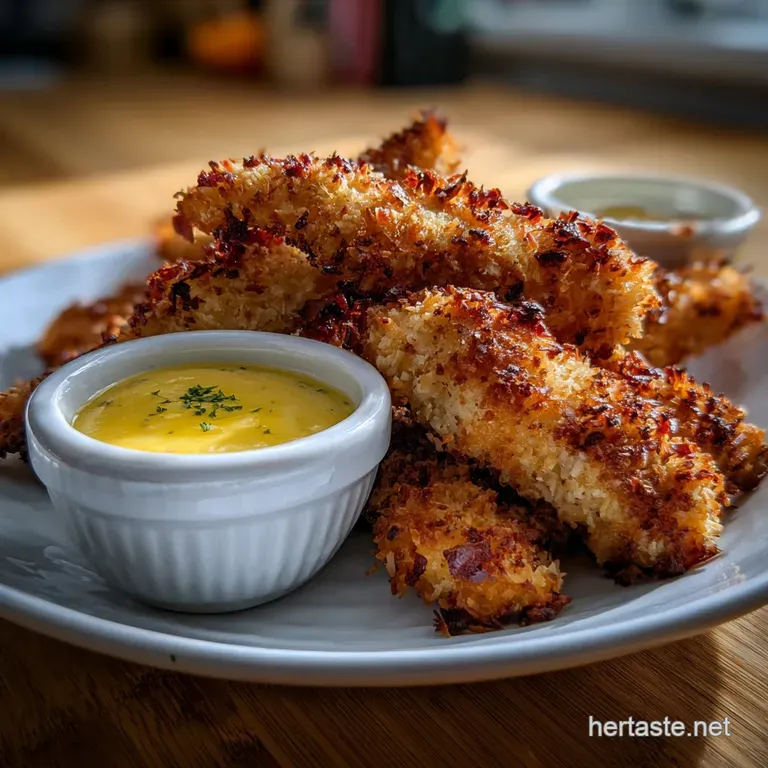
Preparing the Chicken Breast and Marinade
- Slice 1.5 lbs chicken breast into 1 inch wide strips.Note: Uniform thickness ensures even protein denaturation across all pieces.
- Whisk 0.5 cup full fat coconut milk, 1 tbsp lime juice, and spices in a Lodge Glass Bowl.Note: The citric acid in lime juice initiates mild proteolysis, tenderizing the meat surface.
- Submerge chicken in the mixture for 15 20 minutes. Note: This allows for an osmotic shift, drawing flavor into the muscle fibers.
The Double Dredge Technique for a Thick Crust
- Dredge each strip in 0.5 cup all-purpose flour, shaking off excess.Note: This creates a dry interface for the egg wash to adhere to.
- Dip into 2 large beaten eggs.Note: Egg proteins act as the "glue" for the final heavy coating.
- Press firmly into a mix of 1.5 cups shredded coconut and 0.5 cup panko.Note: Manual pressure ensures the panko and coconut shards are embedded in the egg matrix.
Air Fryer Settings for Optimal Crispiness
- Preheat air fryer to 400°F. Note: High initial heat triggers the Maillard reaction instantly, locking in juices.
- Arrange strips in a single layer, ensuring no overlap.Note: Overlapping creates steam pockets, leading to soggy spots.
- Cook for 10 12 minutes, flipping halfway. Note: Internal temperature must reach 165°F for food safety.
Baking Instructions for a Golden Finish
- Place a wire rack over a baking sheet.Note: Elevated cooking allows hot air to circulate under the chicken, preventing a soggy bottom.
- Bake at 400°F for 18 20 minutes. Note: Convection settings are preferred to mimic the air fryer's efficiency.
- Rest for 3 minutes before serving. Note: Resting allows the internal juices to redistribute, preventing them from leaking out at the first bite.
Pro Tips and Common Mistakes to Avoid
Chef's Tip: Freeze your shredded coconut for 10 minutes before breading. Cold coconut hitting a hot pan or air fryer prevents the natural oils from leaking out too fast, keeping the "shred" intact for a better visual shatter.
The "Water Spray" Trick: If your Coconut Chicken Fingers Recipe looks dusty/white after 5 minutes of cooking, lightly mist the dry flour spots with an avocado oil spray. This provides the lipid necessary for browning.
| Problem | Root Cause | Solution | Pro Protocol |
|---|---|---|---|
| Breading falls off | Meat was too wet before flour | Pat chicken dry before the first dredge | Use a Lodge Cast Iron press to flatten strips for even contact. |
| Coconut burns | Temp too high or sweetened coconut used | Lower temp to 375°F; tent with foil | Use a ThermoPro Digital Thermometer to pull meat at exactly 165°F. |
| Chicken is dry | Overcooked or no marinade | Stick to the 20 minute coconut milk soak | Slice meat against the grain for a tender, short fiber bite. |
Common Myths
Myth: You must deep fry for a "real" Chicken Fingers Recipe. Truth: Convection heat (air fryer) at 400°F creates a more stable crust because it evaporates surface moisture faster than oil can, provided you use panko.
Myth: Sweetened coconut is better for browning. Truth: The sugar in sweetened coconut has a low burn point (320°F). It will char and taste bitter before the chicken is safely cooked through.
Storage and Freezing Instructions
How to Prevent the Breading from Falling Off
The key is the "rest" period. After breading this Coconut Chicken Fingers Recipe, let the strips sit on a parchment lined tray for 5 minutes before cooking. This allows the flour and egg to hydrate and form a solid bond.
Achieving a Uniform Golden Brown Color
If using an oven, rotate the pan 180 degrees halfway through. Every oven has "hot spots" (usually the back corners). For the air fryer, do not crowd the basket; work in two batches if necessary.
Flash Freezing for Quick Weeknight Meals
- Place uncooked, breaded fingers on a tray.
- Freeze for 2 hours until solid.
- Transfer to a Ziploc bag.
- Cook directly from frozen at 375°F, adding 5 7 minutes to the cook time.
Safe Reheating for This Coconut Chicken Fingers Recipe
Never use a microwave; it turns the coconut into a gummy paste. Reheat in an air fryer at 350°F for 3 4 minutes or in a toaster oven. This restores the original sizzle and crunch.
Serving Suggestions and Dipping Sauce Pairings
Top 3 Dipping Sauces for Tropical Tenders
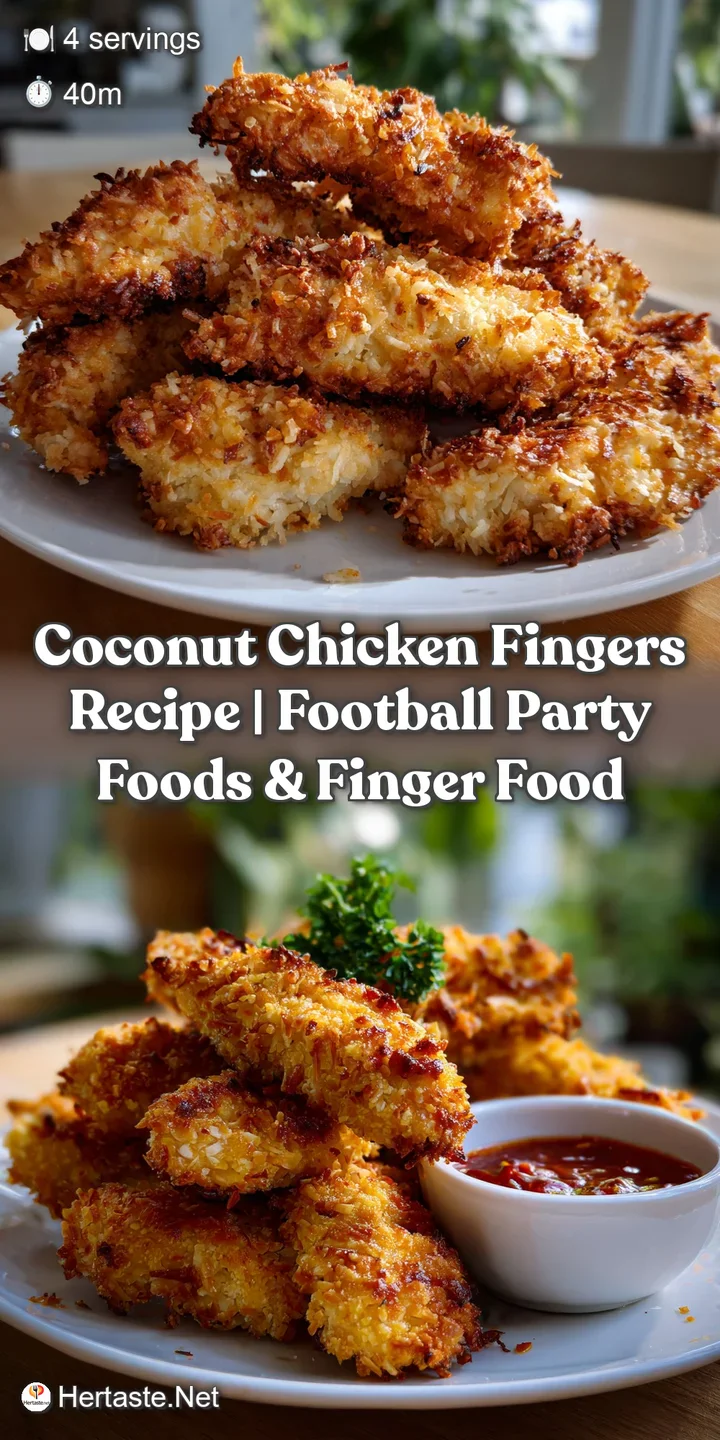
- Spicy Mango Coulis: Pureed mango with a dash of habanero.
- Sweet Chili Lime: The acidity of the lime cuts the richness of the coconut.
- Honey Mustard: A classic choice that provides a sharp contrast to the nutty crust.
Best Side Dishes to Complete the Meal
This Coconut Chicken Fingers Recipe pairs beautifully with a lime cilantro slaw or a light fruit salad. For a festive gathering, these fingers are a great "football party food." If you're hosting a holiday bash, consider serving these alongside a batch of 15 Eggnog Cocktail Recipes for Festive Gatherings: Ultimate Guide to keep the party energy high.
The Fingers Recipe is versatile enough for a quick Tuesday night or a sophisticated weekend appetizer. With 44g of protein per serving, this Coconut Chicken Fingers Recipe is as functional as it is "shatter crisp" delicious.
Next time you crave that tropical flair, remember that the secret lies in the science of the dredge and the power of the coconut milk brine. Enjoy that crunch!
Recipe FAQs
Can I bake these instead of frying?
Yes, baking reduces oil absorption significantly. Baking at 400°F for 18-20 minutes yields a crisp exterior, though frying achieves superior crunch. For a similar crispy appetizer, consider our Chicken Sausage Puffs with Creamy Mustard Dipping Sauce Recipe.
Is it necessary to brine the chicken first?
No. Brining ensures moisture retention during high heat cooking. The coconut milk brine alters the muscle fiber structure, preventing protein tightening and subsequent dryness near the coating.
Can I substitute shredded coconut with coconut flour?
Myth: Coconut flour can directly replace shredded coconut in the crust. Reality: Coconut flour is highly absorbent and lacks the texture needed for exterior crispness. Using flour will result in a gummy, heavy coating.
What is the best oil for deep frying these fingers?
Peanut or Canola oil offer the best performance. Both oils possess high smoke points (around 450°F), which is crucial for achieving a fast, non-greasy crust without burning the coconut flakes. This prevents the chicken from becoming soggy.
Why are my coconut flakes burning before the chicken cooks?
Oil temperature is too high when frying commenced. Excessively hot oil accelerates the Maillard reaction on the sugars in the coconut, leading to scorching before the internal temperature reaches safe limits.
- Preheat oil slowly
- Maintain temperature between 350-365°F
- Fry in small batches only
Is frozen chicken suitable for this recipe?
No. Use only fully thawed, patted dry chicken strips. Excess surface moisture from thawing steam cooks the coating upon contact with hot oil, compromising adhesion and crispness.
Should I use sweetened or unsweetened coconut?
Unsweetened coconut is highly recommended for savory applications. Sweetened coconut contains added sucrose which caramelizes too quickly under high heat, leading to an overwhelmingly sugary flavor profile. This preserves the savory garlic paprika notes, unlike a highly sweet recipe like Frozen Lemonade Concentrate: Bright, Bracing Homemade Recipe.
Crispy Coconut Chicken Fingers
Ingredients:
Instructions:
Nutrition Facts:
| Calories | 538 kcal |
|---|---|
| Protein | 44g |
| Fat | 31g |
| Carbs | 21g |
| Fiber | 5g |
| Sugar | 3g |
| Sodium | 420mg |
