Creamy Spring Pasta Bake with Lemon Kiss
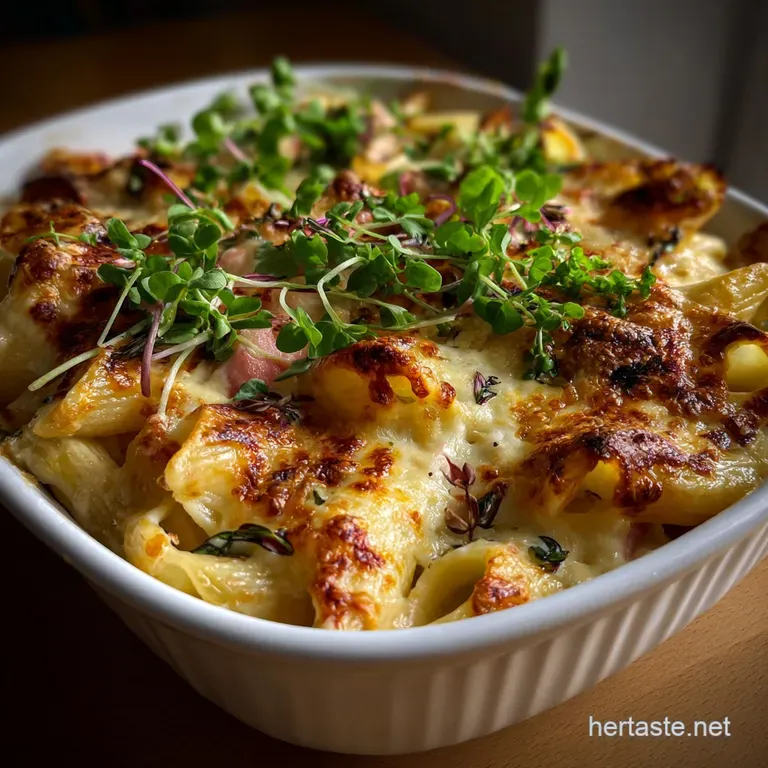
- Time: Active 15 minutes, Passive 25 minutes, Total 40 minutes
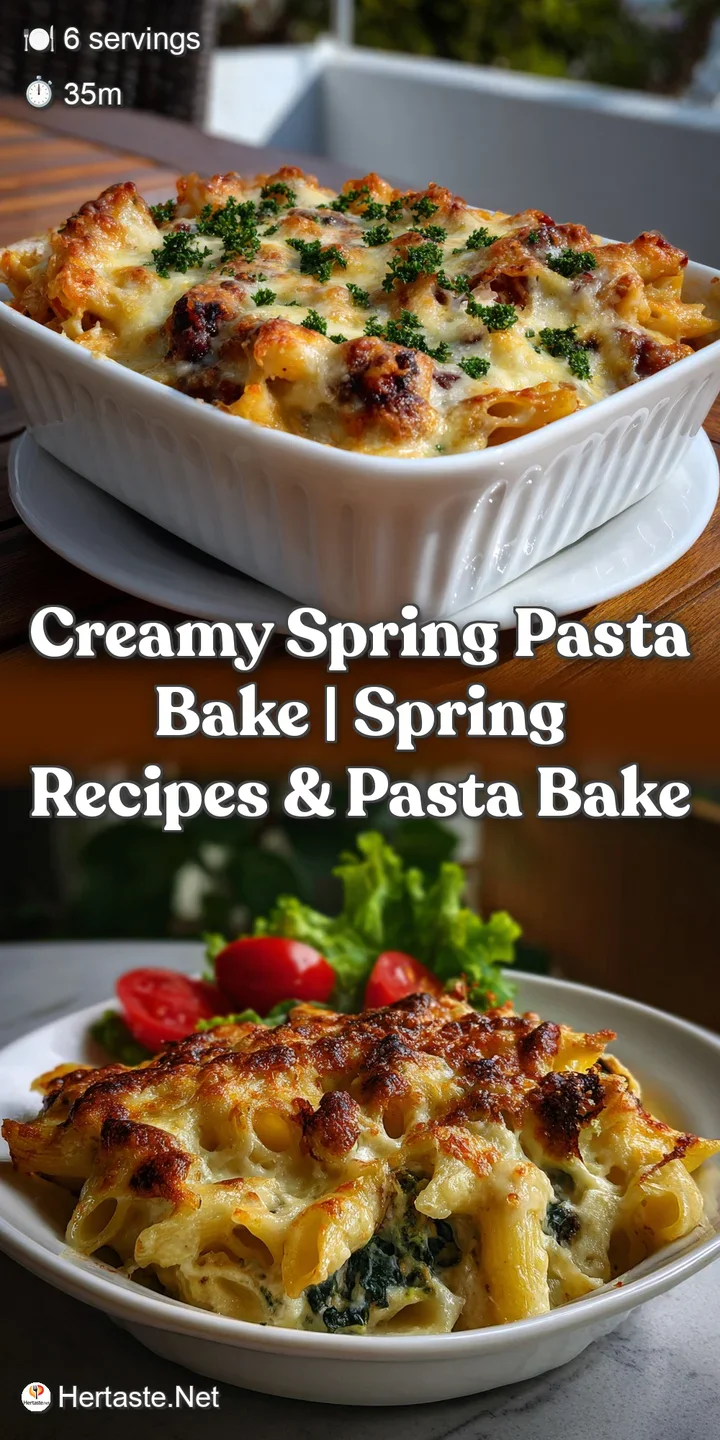
- Flavor/Texture Hook: Shatter crisp panko topping over silky, lemon kissed rigatoni
- Perfect for: A vibrant weeknight dinner that feels like a weekend celebration
- Creating a Luscious Creamy Spring Pasta Bake
- The Science Behind Layered Flavors
- Cooking Times and Meal Specs
- The Essential Spring Ingredient List
- Kitchen Gear for Easy Baking
- Steps to Baking the Pasta
- Pro Solutions for Common Issues
- Simple Swaps and Creative Ideas
- Storage and Smart Waste Tips
- Sides to Serve Your Pasta
- Solving Your Cooking Questions
- Recipe FAQs
- 📝 Recipe Card
Creating a Luscious Creamy Spring Pasta Bake
Have you ever pulled a pasta dish from the oven only to find a pool of oil at the bottom and noodles that look like they’ve seen better days? It’s a total heartbreak. I remember one Tuesday night when I tried to throw together something similar, and the cream just... vanished.
It was dry, sad, and definitely not the comforting hug I was looking for. That’s exactly why I spent so much time obsessing over the moisture levels in this specific dish.
We are looking for that specific moment when the fork pierces a golden, bubbly crust and sinks into a soft, verdant interior. The lemon zest cuts right through the richness of the 475ml of heavy cream, while the 225g of asparagus provides a much needed snap. It’s about balance, really.
We aren’t just making a meal, we are capturing a season in a Le Creuset baking dish.
This isn't your heavy, winter style mac and cheese. It’s lighter, punchier, and honestly, a bit more sophisticated thanks to that hint of red pepper flakes and fresh mint or parsley if you have it.
You’ll find that the rigatoni acts like little chimneys, trapping the sauce inside every tube so you get a burst of flavor in every single bite. Let’s get into the details of how we make this happen without the common pitfalls of oven baked pasta.
The Science Behind Layered Flavors
Starch Emulsification: The 240ml of reserved pasta water contains amylose and amylopectin, which act as natural thickeners that bind the fat in the cream to the liquid, preventing the sauce from breaking.
Maillard Reaction: The combination of 50g of Parmesan and 25g of panko breadcrumbs undergoes a chemical transformation under the broiler, creating a complex, savory crust that provides a textural contrast to the soft pasta.
Protein Denaturation: As the 170g of mozzarella reaches its melting point, the protein structures relax and stretch, creating those long, silky cheese pulls that define a high-quality bake.
Enzymatic Brightness: The 15g of lemon zest contains essential oils like limonene that stimulate the palate, making the heavy fats feel lighter and more refreshing on the tongue.
Cooking Times and Meal Specs
Before you start boiling your water, it helps to see the bird's eye view of how this dish comes together. Accuracy is the difference between a soggy mess and a velvety masterpiece.
| Aspect | Metric Value | Importance |
|---|---|---|
| Active Prep | 15 minutes | Chopping and zesting while water boils |
| Boil Time | 7 to 8 minutes | Pasta must be "molto al dente" |
| Oven Temp | 200°C (400°F) | High heat for a quick, bubbly finish |
| Bake Time | 20 minutes | Melts cheese without drying the sauce |
| Broil Time | 2 to 3 minutes | Achieves the golden, shatter crisp top |
The Essential Spring Ingredient List
Success starts with the right components. I always reach for a high-quality bronze die pasta like De Cecco for this because the rough texture helps the sauce cling better than the smooth, cheaper alternatives.
- 1 lb Rigatoni or Penne Rigate: Choose a shape with ridges to catch the sauce.
- 225g Thin Asparagus: Trim the woody ends and cut into 1 inch pieces.
- 150g Sweet Peas: Fresh is lovely, but frozen peas actually retain their color better during baking.
- 60g Baby Spinach: Roughly chopped so it distributes evenly through the dish.
- 475ml Heavy Cream: Don't substitute with milk, as it will curdle under the high oven heat.
- 240ml Reserved Pasta Water: This is your "liquid gold" for sauce consistency.
- 3 Cloves Garlic: Minced finely to melt into the cream.
- 15g Lemon Zest: Use a Microplane for the finest texture without the bitter white pith.
- 2.5g Red Pepper Flakes: Adds a gentle warmth that balances the cream.
- 5g Sea Salt & 2g Black Pepper: Essential for seasoning the heavy cream base.
- 170g Shredded Mozzarella: Provides the stretch and gooey texture.
- 50g Grated Parmesan: Adds the salty, umami kick.
- 25g Panko Breadcrumbs: Creates the essential crunch.
Smart Component Swaps
| Original Ingredient | Substitute | Why It Works |
|---|---|---|
| Heavy Cream | Full fat Coconut Milk | Same fat content, though it adds a slight tropical nuttiness. |
| Rigatoni | Chickpea Pasta | High protein and fiber, but reduce boiling time by 3 minutes. |
| Asparagus | Broccolini | Similar cook time and earthy flavor profile. |
| Panko | Crushed Crackers | Provides a similar crunch with a slightly saltier finish. |
Kitchen Gear for Easy Baking
You don't need a professional kitchen, but a few specific tools make this process much smoother. I personally love using a heavy bottomed pot like a Lodge Dutch Oven for the pasta, as it holds heat well when you're mixing in the cream later.
- Large Pasta Pot: At least 6 liters to give the rigatoni room to move.
- 9x13 Inch Casserole Dish: A Pyrex or ceramic dish works best for even heat distribution.
- Microplane Zester: For getting that 15g of lemon zest without any bitterness.
- Colander: For draining the pasta (remember to save that water!).
- Large Mixing Bowl: If your pasta pot isn't big enough to hold everything at once.
If you're looking for more comfort, my Penne Pasta and recipe is a great weeknight staple that uses similar creamy techniques.
Steps to Baking the Pasta
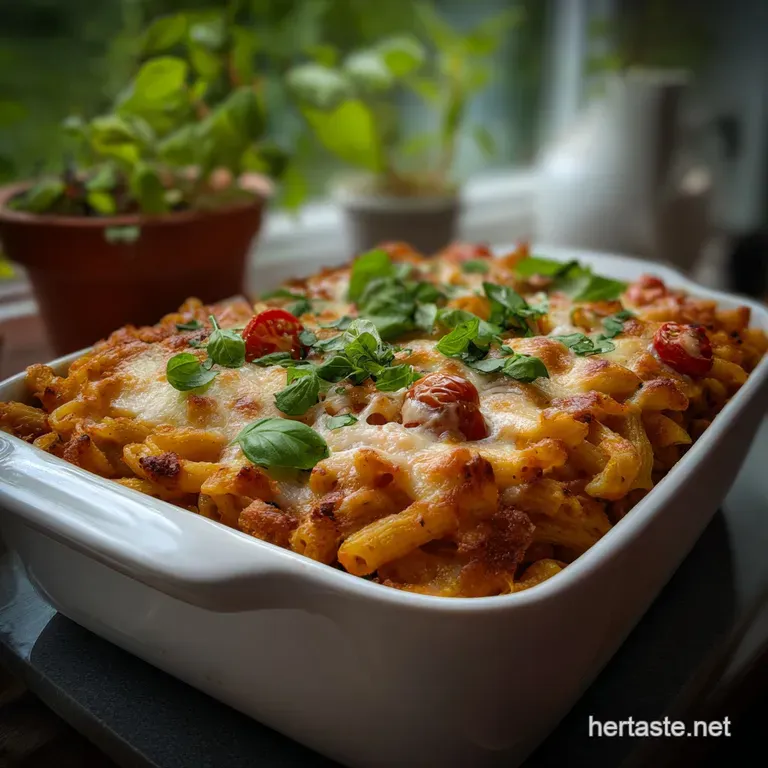
1. Prep and Preheat
Set your oven to 200°C (400°F). While it heats, chop your 225g of asparagus and 60g of baby spinach. Zest the lemon until you have 15g. Note: Preheating is vital so the bake starts immediately, preventing the pasta from absorbing too much sauce and becoming mushy.
2. Boil the Pasta
Bring a large pot of salted water to a rolling boil. Drop in the 1 lb of Rigatoni. Set a timer for 3 minutes less than the package directions. Cook until the pasta is firm and slightly underdone.
3. Blanch the Greens
In the last 2 minutes of the pasta's boiling time, toss the 225g of asparagus and 150g of peas into the same pot. Cook until the asparagus is bright green and just tender.
4. Reserve and Drain
Carefully dip a measuring cup into the pot and save 240ml of the cloudy pasta water. Drain the pasta and vegetables into a colander. Note: That starchy water is the secret to a sauce that doesn't break.
5. Build the Creamy Base
In the same warm pot you used for the pasta, stir together 475ml of heavy cream, the minced garlic, 15g of lemon zest, 2.5g of red pepper flakes, salt, and pepper. Whisk until the aromatics are fragrant.
6. Emulsify the Sauce
Slowly whisk in the 240ml of reserved pasta water into the cream mixture. It might look thin, but it will thicken beautifully in the oven. For those who like a bit more heat, try the Louisiana Chicken Pasta recipe for a different spicy profile.
7. Combine the Elements
Fold the drained pasta, blanched vegetables, and 60g of chopped spinach into the cream sauce. Stir in half of the 170g mozzarella and half of the 50g Parmesan. Mix until every tube is coated in the velvety liquid.
8. Assemble the Bake
Pour the mixture into your 9x13 inch baking dish. Spread it out evenly with a spatula. Ensure the pasta is submerged as much as possible.
9. Add the Topping
Sprinkle the remaining mozzarella and Parmesan over the top. Finish with a uniform layer of the 25g of panko breadcrumbs. Cover every corner for maximum crunch.
10. The Final Bake
Place in the oven for 20 minutes. If the top isn't as brown as you'd like, switch to the broiler for the last 2 minutes until the cheese is bubbling and the panko is golden brown. Let it rest for 5 minutes before serving to let the sauce set.
Chef's Tip: Freeze your lemon for 10 minutes before zesting. The rind becomes firmer, allowing the Microplane to shave off perfect, airy curls of zest without clogging the blades.
Pro Solutions for Common Issues
Even the best cooks run into trouble. The key is knowing why it happened so you can pivot.
Why Your Sauce Separated
If you see a greasy layer on top, the heat was likely too high or the cream was too cold when added.
| Problem | Cause | Fix | Pro Tip |
|---|---|---|---|
| Greasy Sauce | Emulsion broke due to high heat | Stir in a splash of warm milk | Use room temp cream next time |
| Dry Pasta | Noodles absorbed all liquid | Add more pasta water before baking | Undercook pasta by 3-4 minutes |
| Mushy Peas | Overcooked in the boil | Add frozen peas directly to the dish | Flash blanch for 60 seconds only |
Avoiding a Bland Bake
Fat carries flavor, but it also needs acid to wake it up. If your bake tastes "flat," you likely need more of that 15g of lemon zest or a pinch more salt. Seasoning the pasta water like the sea is also a non negotiable step.
Simple Swaps and Creative Ideas
The Protein Boost: If you want to make this a heartier main dish, fold in 2 cups of shredded rotisserie chicken or sautéed shrimp before baking. The mild flavors of the spring greens pair perfectly with lean proteins.
The Zesty Herb Infusion: While the recipe calls for lemon zest, adding a handful of torn basil or chopped chives at the very end (after baking) adds a layer of freshness that "pops" against the heavy cream.
Comparison: Stovetop vs. Oven
| Feature | Stovetop Version | Oven Baked (This Recipe) |
|---|---|---|
| Texture | Silky and loose | Concentrated and chewy with a crust |
| Effort | Low (15 mins) | Medium (40 mins) |
| Flavor | Bright and sharp | Mellow and caramelized |
If you want X, do Y: - If you want a deeper crust, mix the panko with 1 tablespoon of melted butter before sprinkling. - If you want it extra creamy, increase the heavy cream to 550ml and reduce the pasta water slightly.
- If you want more tang, swap half the mozzarella for a sharp white cheddar.
Storage and Smart Waste Tips
This Creamy Spring Pasta Bake keeps remarkably well, though the panko will lose its "shatter" factor after a day. Store leftovers in an airtight container in the fridge for up to 4 days.
When reheating, add a tablespoon of water or milk to loosen the sauce back up, as the pasta will continue to drink up moisture while it sits.
Zero Waste Idea: Don't throw away those woody asparagus ends! Toss them into a freezer bag with other veggie scraps like onion skins and carrot tops. Once the bag is full, boil them down to make a light vegetable stock for your next soup or risotto.
Also, if you have leftover spinach that's starting to wilt, sauté it down with garlic and freeze it in ice cube trays to drop into future sauces.
Sides to Serve Your Pasta
Since this is a rich, dairy forward dish, I always suggest pairing it with something high in acidity or crunch. A simple arugula salad with a sharp balsamic vinaigrette works wonders. The peppery bite of the greens cuts right through the 475ml of heavy cream.
If you're feeling ambitious, a side of crusty garlic bread is never a mistake. Use the bread to swipe up any remaining sauce on the plate. For a drink pairing, a crisp Sauvignon Blanc or a chilled Pinot Grigio complements the lemon and asparagus beautifully without overwhelming the palate.
Solving Your Cooking Questions
Searing vs. Simmering
A common myth is that you need to cook the cream for a long time to thicken it. In reality, the 240ml of pasta water and the starch from the rigatoni do most of the heavy lifting. Simmering the cream too long can actually cause it to reduce too much, leaving you with a dry bake.
Using Frozen vs. Fresh
There is a misconception that fresh peas are always superior. Unless you are shelling them yourself from the garden, high-quality frozen peas are often flash frozen at their peak, meaning they actually have more sugar and better structure than "fresh" peas that have been sitting on a grocery shelf for a week.
The Role of Salt
Don't be afraid of the 5g of sea salt. Because we are using a whole pound of pasta and nearly half a liter of cream, that salt is distributed across six generous servings. It’s necessary to bridge the gap between the earthy asparagus and the fatty cheeses.
Without it, the dish will taste "muted" regardless of how much lemon you add.
This dish is all about the harmony of the season. It’s vibrant, it’s comforting, and it’s a brilliant way to welcome the warmer months. Just remember to watch that broiler closely the transition from golden brown to charred happens faster than you'd think!
Enjoy the process and the inevitable cheese pulls.
Recipe FAQs
Can I substitute regular milk for the heavy cream?
No, sticking strictly to heavy cream is best. Regular milk has insufficient fat content and will likely curdle or yield a very thin, watery sauce when baked at high heat.
What is the purpose of reserving the starchy pasta water?
It is essential for emulsification and texture. The starch in the water acts as a binder, allowing the cream's fat molecules to suspend evenly, creating that velvety, non-breaking sauce.
Why must the pasta be cooked "molto al dente"?
The pasta continues to cook in the oven. Cooking it 3 minutes short ensures it finishes perfectly tender, rather than becoming mushy after the 20-minute bake time. This technique is similar to how you control hydration in doughs; mastering texture cues here helps with other baking projects.
How far in advance can I assemble this pasta bake?
Assemble up to 24 hours ahead of time, but leave the topping off. Mix everything except the panko breadcrumbs and final cheese layer, cover it, and refrigerate; add the topping just before baking to ensure a crisp crust.
What happens if my sauce breaks or looks greasy after baking?
The emulsion likely separated due to excessive heat or insufficient starch. Before placing the dish in the oven, try whisking in one extra tablespoon of warm milk or water off the heat to try and bring the fat and liquid back together.
Can I make this dish lighter by reducing the cheese?
You can reduce the cheese slightly, but be careful with the Mozzarella. The mozzarella provides crucial protein structure and stretch; reducing it too much will sacrifice the satisfying texture that makes a bake worthwhile, unlike simple sauces where you can easily achieve similar silkiness, like in our Creamy Dream Alfredo.
Is using frozen peas a problem for the spring theme?
No, frozen peas are actually often better structurally. They are flash frozen at their peak ripeness, helping them retain better color and firmness when tossed into the boiling water just before draining.
Creamy Spring Pasta Bake
Ingredients:
Instructions:
Nutrition Facts:
| Calories | 714 kcal |
|---|---|
| Protein | 24.1 g |
| Fat | 38.8 g |
| Carbs | 67.7 g |
| Fiber | 4.2 g |
| Sugar | 4.4 g |
| Sodium | 633 mg |
