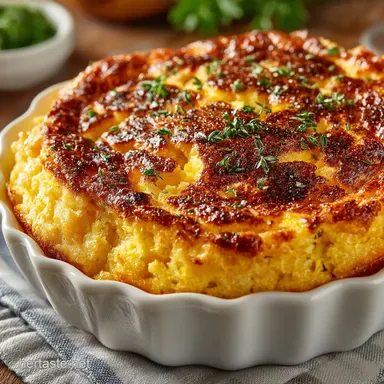
The Golden Standard Creamy Sweet Savory Southern Corn Pudding
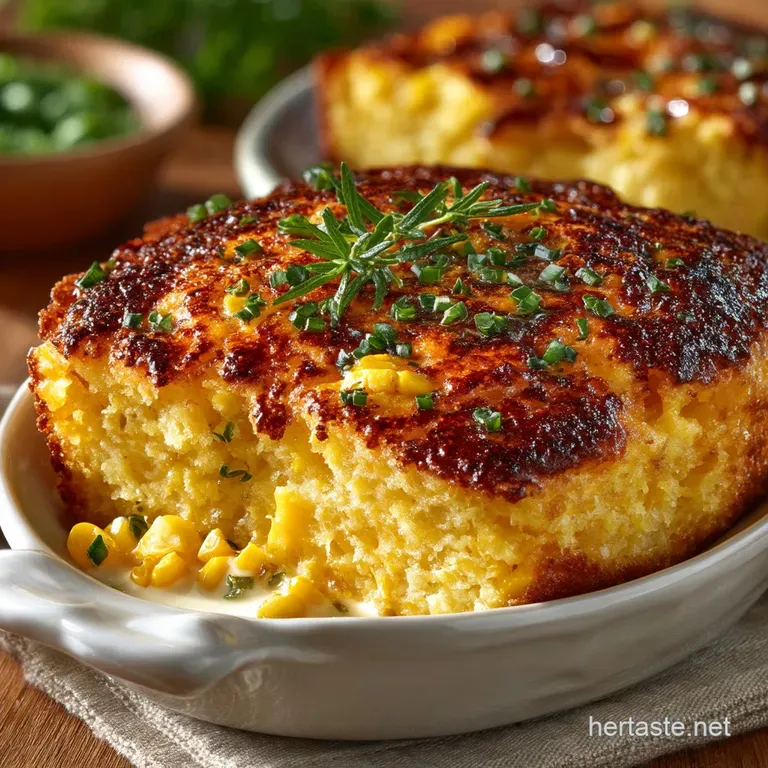
- The Unforgettable Comfort: Why This Southern Corn Pudding Reigns Supreme
- Why This Custard-Baked Delight is Essential for Your Holiday Table
- Assembling the Pantry Staples for Perfect Texture
- The Essential Toolkit: Equipment Needed for Success
- Mastering the Mix: Step-by-Step Creation of the Batter
- The Bake Time Blueprint for Golden Perfection
- Troubleshooting and Tailoring Your Custard Creation
- Recipe FAQs
- 📝 Recipe Card
The Unforgettable Comfort: Why This Southern Corn Pudding Reigns Supreme
There are certain dishes that define Southern cooking creamy grits, perfectly crisp fried chicken, and, absolutely essential to this pantheon, the Southern Corn Pudding .
This isn't merely a vegetable side; it is a rich, custardy experience that bridges the gap between sweet dessert and savory accompaniment. When pulled from the oven, golden brown and fragrant, this bake offers an unparalleled level of comfort.
It’s the dish guests immediately gravitate towards on the buffet line, and the one they always ask for the recipe for later. Our Traditional Southern Corn Pudding is built on a foundation of simple pantry staples elevated by technique, resulting in a dish that is simultaneously silky and satisfyingly substantial.
Why This Custard Baked Delight is Essential for Your Holiday Table
The beauty of this particular Southern Corn Casserole Recipe lies in its delicate balance. It avoids the dryness that can plague lesser corn dishes, thanks to the perfect ratio of dairy and eggs creating a true custard base.
This richness makes it the ideal counterpoint to heavily seasoned meats, such as salty cured ham or smoky barbecue. On top of that,, it’s inherently adaptable. While perfect on its own, it welcomes additions, making it versatile enough for Thanksgiving, Christmas, or a simple Sunday supper.
It truly embodies the hospitality intrinsic to Southern entertaining.
A Deep Dive into Authentic Southern Flavor Profiles
What separates a true Creamy Southern Corn Pudding from a simple corn bake is the interplay between sweet corn and savory depth. We use both whole kernel and creamed corn to achieve textural complexity the little bursts of whole corn suspended in a smooth, eggy matrix.
The inclusion of just a touch of sugar serves not to make it taste like dessert, but to enhance the natural sweetness of the corn itself, allowing the subtle salinity from the salt and butter to shine through.
This Southern Corn Pudding From Scratch utilizes a small amount of fine cornmeal, which lends a rustic structure without becoming grainy, keeping the overall mouthfeel luxuriously smooth.
More Than a Side Dish: The Cultural Significance of Creamy Corn Bake
Historically, this dish was a way to utilize the season’s bounty, often relying on canned goods during leaner months, which is why canned corn features so prominently in many cherished family recipes, including versions reminiscent of the Paula Deen Corn Pudding Recipe style rich and full bodied.
It’s a dish that carries memory; the aroma alone transports you back to childhood gatherings. It exemplifies the resourcefulness and generosity of Southern culinary traditions, transforming basic ingredients into something extraordinary for sharing.
Setting the Stage: What Makes This Recipe Foolproof
This recipe is categorized as easy for a reason: there’s no tempering of eggs, no complex folding, and no fussy layering. The active prep time is a mere 15 minutes. The main technique involves careful measuring and gentle mixing to ensure the resulting texture is delicate, not tough.
Following the specific instructions for combining the wet and dry elements prevents the development of too much gluten, which is key to achieving that desired silky interior every single time you prepare this Southern Corn Pudding Recipe .
Assembling the Pantry Staples for Perfect Texture
To create the definitive Southern Corn Pudding , we need high-quality foundational ingredients. For a batch yielding 8 servings, we start with the core liquids: 1 cup of whole milk and 1/2 cup of heavy cream.
This dairy combination is non-negotiable for achieving the necessary richness and setting quality. We incorporate three large eggs, lightly beaten, which act as the primary binder for our custard. The fat element comes from 1/4 cup of unsalted butter, melted down to add flavor and promote browning.
Related Recipes Worth Trying
- The Quintessential Comfort Grandmas Creamy Corn Pudding — Forget dry casserolesthis easy corn pudding recipe delivers a custardy rich Southernstyle delight Follow our simple homemade corn pudding instructions for...
- The Captains Comfort Authentic Nantucket Corn Pudding Recipe — Bake the most gloriously creamy and traditional Nantucket Corn Pudding This easy recipe bakes up perfectly seta cozy fall side dish classic
- Grandmas Golden Sweet Corn Pudding Recipe Easy Creamy — This easy sweet corn pudding recipe delivers pure golden nostalgia Forget thin custards this sets up beautifully creamy with sweet corn bursts throughout...
The Essential Toolkit: Equipment Needed for Success
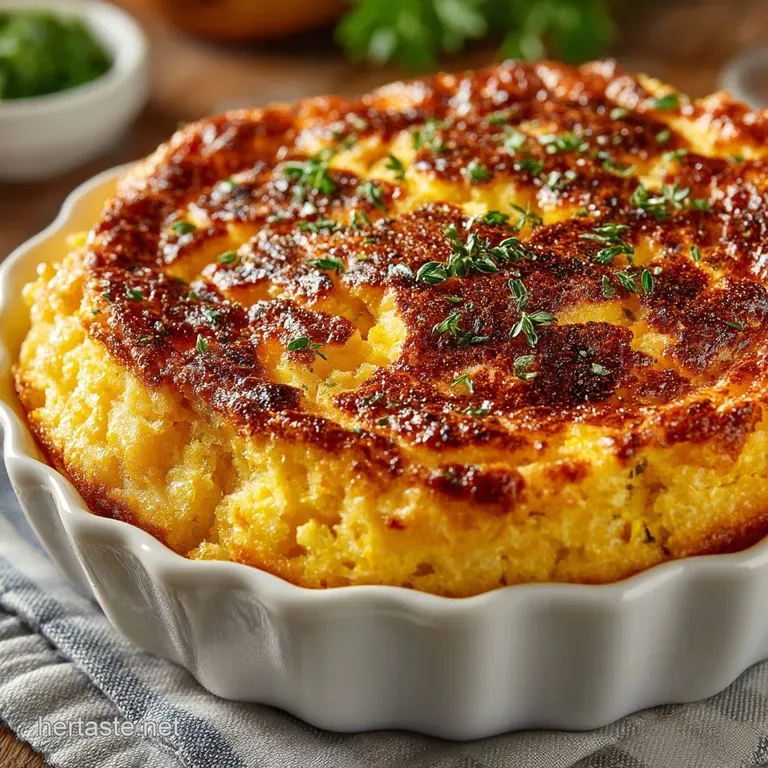
Thankfully, mastering this beloved dish doesn't require specialized gear. You will need a large mixing bowl for combining your ingredients, a whisk to efficiently marry the dry components, and a reliable rubber spatula for the final, gentle folding stages.
Crucially, a 9 inch square baking dish (or something comparable with about a 2-quart capacity) is necessary to ensure the pudding bakes evenly to the correct depth.
Selecting Your Corn: Fresh, Frozen, or Canned?
For this recipe, we lean into the classic texture provided by canned corn. You will need one 15-ounce can of whole kernel corn, thoroughly drained, which provides distinct pops of texture.
Complementing this is one 15-ounce can of creamed style corn, undrained, which contributes essential moisture and the silky base flavor that makes this one of the best Southern Corn Dishes .
If fresh corn is abundant, you can substitute 1 1/2 cups of fresh kernels for the whole canned corn, but always keep the creamed corn for authenticity.
Dairy Dynamics: Milk, Cream, and Butter Ratios Explained
The balance between milk and cream dictates the final mouthfeel. Whole milk provides the necessary hydration, while the heavy cream introduces luxurious fat content that keeps the baked product tender and prevents it from drying out around the edges.
The melted butter, folded in last, not only deepens the savory flavor but also contributes to a beautiful, slightly crisp exterior crust when baking.
Accurate Measurements for Optimal Sweet Savory Balance
Accuracy in dry ingredients is paramount. We measure 1/2 cup of fine grind yellow cornmeal and just 1 tablespoon of all-purpose flour. For the flavor architecture, use 2 tablespoons of granulated sugar enough to underscore the corn’s natural sweetness without making it saccharine balanced against 1 teaspoon of fine sea salt.
Do not reduce the salt; it is crucial for heightening the overall flavor profile. A teaspoon of baking powder is included as our gentle leavening agent, ensuring a slight rise.
Mastering the Mix: step-by-step Creation of the Batter
The process begins by ensuring your oven is preheated to 375° F ( 190° C) and generously buttering your chosen baking dish. In your large mixing bowl, whisk together the dry ingredients the cornmeal, flour, sugar, baking powder, salt, and black pepper ensuring there are no pockets of baking powder remaining.
Melt your butter and allow it to cool briefly; we want it liquid, not hot enough to cook the eggs. Next, lightly whisk the three eggs, whole milk, and heavy cream together.
Now, introduce the wet to the dry. Pour the dairy and egg mixture into the dry ingredients and whisk gently until they are just incorporated. This is a critical moment; overmixing activates the flour’s gluten, which results in a tougher pudding.
A few small lumps remaining in the batter are perfectly acceptable. Using a rubber spatula, gently fold in both the drained whole kernel corn and the undrained creamed corn. Finally, drizzle in the slightly cooled melted butter while continuing to fold slowly until it is evenly distributed throughout the mixture.
The Bake Time Blueprint for Golden Perfection
Pour the finished batter into your prepared dish. The mixture should fill the dish about two-thirds to three quarters of the way up. This Corn Pudding For A Crowd bakes best in a moderately hot oven, which allows the custard to set before the surface browns excessively.
Prepping the Pan: Ensuring Zero Sticking in Your Southern Corn Pudding
A thorough buttering of the baking dish is your best defense against sticking. For an extra layer of insurance, especially if you plan to serve directly from the dish, you can coat the buttered surface lightly with a dusting of cornmeal after greasing.
Incorporating Ingredients: Mixing Techniques to Avoid Overworking
As noted, the key here is restraint. Use a rubber spatula for the final step folding in the corn and the melted butter. This gentle action preserves the air incorporated during the whisking stage and prevents gluten formation, leading directly to that highly sought after Creamy Southern Corn Pudding texture.
When Is It Done? Visual Cues for a Set Custard Center
Bake for approximately 45 to 55 minutes. You are looking for definitive visual cues: the edges of the pudding should appear nicely browned and slightly pulling away from the sides of the dish. The center should look mostly set.
If you gently jiggle the dish, the very center should have only a slight, controlled wobble, not a liquid slosh. A toothpick inserted near the center should emerge with moist crumbs attached, confirming the custard has cooked through without over setting.
Resting Period: Why Patience Pays Off Post Oven
Once out of the oven, resist the urge to slice immediately. Allow the Southern Corn Pudding to rest on a wire rack for a minimum of 10 minutes.
This resting time allows the hot custard structure to firm up completely, ensuring clean, beautiful squares when you serve it, preventing the structure from collapsing into a puddle on the plate.
Troubleshooting and Tailoring Your Custard Creation
If your pudding comes out slightly too jiggly after the allotted time, return it to the oven for another 5 to 7 minutes. If, conversely, the top browns too quickly, loosely tent it with a piece of aluminum foil for the remainder of the bake time.
This dish is forgiving, which is why it remains a staple in Southern Corn Dishes .
Flavor Enhancements: Cheese, Spice, and Herb Variations
While the classic recipe is superb, experimentation is welcome. For a savory upgrade, incorporate 1/2 cup of sharp cheddar cheese and a sprinkle of chopped scallions just before pouring into the dish.
A pinch of smoked paprika or a dash of your favorite Worcestershire sauce can also deepen the savory complexity beautifully.
Nutritional Snapshot: Calorie Context for This Indulgent Side
It is important to acknowledge that this is an indulgent side dish, rich in dairy and butter, contributing to its incredible flavor and texture. Estimated per serving, it hovers around 280-310 calories, carrying healthy fats from the cream and protein from the eggs.
Enjoy it mindfully as part of a balanced holiday spread.
Can This Pudding Be Made Ahead? Prep Strategies Revealed
Absolutely, planning ahead makes holiday cooking easier! You can prepare the entire batter, mix it thoroughly (steps 1 through 7), pour it into the buttered dish, cover it tightly with plastic wrap, and refrigerate it for up to 24 hours.
Before baking, allow it to sit on the counter for about 30 minutes to warm up slightly, then add an extra 5 to 10 minutes to the bake time to account for the cold start.
Optimal Serving Suggestions for Next Level Pairings
The textural contrast is key here. Serve this warm pudding alongside something crisp, like a roasted turkey breast or a glazed spiral ham. A simple garnish of freshly snipped chives or thyme sprinkled over the top right before serving adds a final visual flourish and a welcome aromatic lift to this perfect piece of comfort food.
Recipe FAQs
Why is my Southern Corn Pudding coming out soupy instead of set?
Usually, a soupy pudding means the ingredients weren't properly balanced or the oven wasn't hot enough to set the egg custard properly. Make sure you are using the correct ratio of liquid to cornmeal, and check your oven temperature with a separate thermometer if it's running cool, the bake time will be insufficient.
Let it bake for an extra 5-10 minutes until the centre only has a slight wobble.
Can I make this Southern Corn Pudding ahead of time for a big gathering?
Absolutely, making it ahead is a lifesaver when hosting! You can assemble the entire batter, pour it into the greased dish, cover it tightly with cling film, and store it in the fridge for up to 24 hours.
Before baking, let it sit on the counter for about 30 minutes, and you might need to add 5-10 minutes to the baking time since it’s starting cold.
What's the secret to getting that lovely golden crust on top?
That lovely crust comes from two main things: using a moderate oven temperature (375°F is spot on) and ensuring you have enough fat content. Brushing the top lightly with a bit of melted butter five minutes before it's finished baking can really encourage browning.
Alternatively, if the top browns too quickly, just loosely tent it with foil for the last 15 minutes.
Can I use frozen corn instead of canned for this recipe?
Yes, frozen corn works a treat, but you must prep it correctly don't just toss it in frozen! Thaw the kernels completely, then drain them very well, even patting them lightly with a paper towel.
Since frozen corn releases more moisture during baking than canned, making sure it's dry beforehand will prevent your pudding from becoming too watery.
How long does leftover corn pudding keep, and is it nice reheated?
Leftover pudding is brilliant, keeping well in an airtight container in the fridge for up to four days it often tastes even better the next day! To reheat, the microwave is fastest, but the best flavour comes from covering it loosely with foil and baking it at 325°F (160°C) for about 15-20 minutes until warmed through.
Don't forget a dab of butter when serving!
Creamy Southern Corn Pudding