Thanksgiving Dressing: Classic Sage and Thyme Recipe with a Crispy Top
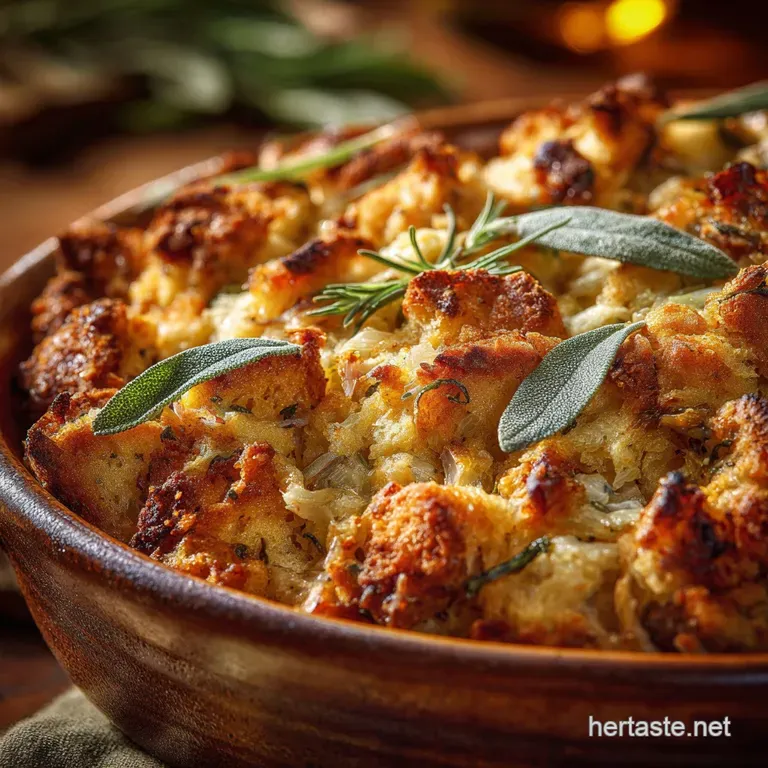
- The Unsung Hero of the Feast: Why We Call It Thanksgiving Dressing
- Building Depth: The Science Behind the Best Moist Dressing and Crispy Top
- Essential Components for Authentic Classic Dressing
- The Method: How to Prepare Your Classic Sage Thanksgiving Dressing
- Chef's Notes: Elevating Your Dressing and Avoiding the Soggy Middle
- Make-Ahead Magic: Storing, Freezing, and Reheating Thanksgiving Dressing
- The Perfect Plate: Serving Pairings for Traditional Bread Dressing
- Recipe FAQs
- 📝 Recipe Card
The Unsung Hero of the Feast: Why We Call It Thanksgiving Dressing
Seriously, is there any smell better than fresh sage and melting butter filling your kitchen on a cold November morning? That deeply savory, earthy aroma, paired with caramelized onion and celery, is the true signal that the holidays have finally arrived.
It’s comforting magic, and it’s the foundation of the very best [Recipe For Dressing] you will ever make.
This recipe is a total lifesaver for the big day, which is precisely why I perfected it years ago. You can prep 90% of the components the day before, which is absolutely critical when the turkey demands all your attention and chaos reigns supreme.
It’s also incredibly forgiving if you are still figuring out your holiday rhythm.
Forget the dry, bland hockey pucks of dressing past; we are aiming for perfectly moist insides and an aggressively crunchy top layer. Let's crack on and master this essential classic [Thanksgiving Dressing] together, ensuring your sideboard is stocked with the perfect accompaniment.
Building Depth: The Science Behind the Best Moist Dressing and Crispy Top
The logic behind great homemade dressing is simple: control. We aren't just pouring broth over bread and calling it a day. We infuse every drop of butter and every cube of bread with maximum flavor before the liquid even touches it, guaranteeing deep savory notes throughout.
Dressing vs. Stuffing: A Culinary Safety Distinction
Let’s be crystal clear about terminology right out of the gate. Stuffing goes inside the bird, and dressing is baked outside in its own separate pan. Why the insistence? Food safety, mostly.
Baking dressing in a separate vessel ensures it reaches a safe internal temperature quickly, which is about 82°C (180°F). Plus, this method gives you that glorious, coveted crispy top layer, which you absolutely cannot achieve when the dressing is crammed inside a turkey cavity.
The Enduring Appeal of Classic Bread Dressing
This classic style relies heavily on texture, creating a wonderful contrast between the soft, saturated interior and the hard, baked surface. It’s about creating small pockets of creamy moisture interspersed with the hearty, structural cubes of bread.
The key to success lies in making sure the bread is actually dry enough to absorb the liquid without collapsing immediately.
Mastering the Perfect Sage and Thyme Profile
When we talk about traditional [Thanksgiving Dressing Ingredients], we're talking about sage and thyme. These two herbs are non-negotiable; they provide the essential, earthy warmth that instantly screams "holiday." Using fresh herbs, rather than dried, intensifies this profile tenfold, making the whole house smell incredible when you sauté them.
Achieving Structure: The Role of Stale Bread Cubes
This is where I learned the hard way. I once tried to shortcut the process and use only semi fresh bread, resulting in a dense, gummy brick. The bread must be stale or thoroughly dried.
Dry cubes act like sponges; they soak up the butter and stock evenly, holding their shape throughout the baking process. If they are fresh, they just turn into mush.
The Aromatics Base: Slow Sautéing the Celery and Onion
You cannot rush the aromatics. Cooking the diced onion and celery gently for 8– 10 minutes, until they are completely translucent and soft, is essential. This low and slow sauté releases their natural sweetness and deeply concentrates their savory flavor before they meet the bread.
If they’re crunchy, the final dressing will taste undercooked and sharp.
Butter vs. Broth: Controlling the Internal Moisture
We use fat for flavor and crispness, and broth for moisture. The initial dose of melted butter coats the dry bread, acting as a flavor sealant. The broth, added gradually, provides the moisture necessary for the soft interior.
Crucially, the final drizzle of melted butter over the top before baking is what achieves that beautiful, golden, crunchy crust.
Essential Components for Authentic Classic Dressing
Selecting Your Base: Best Breads for Absorption (Sourdough vs. White Loaf)
I am a die-hard sourdough enthusiast for dressing because its naturally tangy flavor holds up wonderfully against the rich butter and savory herbs. However, a sturdy white bread, like a good quality French loaf or a simple bakery loaf, works perfectly. Avoid squishy sandwich bread at all costs.
Want to get really fancy? Try my recipe for [Thanksgiving Side Dishes: Proper Sourdough Dressing with Apple Sage] next year.
Fresh Herbs Only: Maximizing the Potency of Sage and Thyme
This is the rule: use fresh. Dried herbs are fine in a pinch, but the vibrant oils and aromas of fresh sage and thyme bring an incomparable depth to the dressing. Chop them finely and add them to the warm, melted butter mixture right at the end to "bloom" their flavor before mixing them into the bread.
Liquid Logic: Choosing the Right Broth for Savory Depth (Vegetable or Turkey Stock)
Since we are focused on [make-ahead Turkey Dressing], I prefer low-sodium turkey stock if I have it ready, as it adds depth without overpowering the herbs. If you are making this vegetarian, good quality vegetable stock is perfectly acceptable.
Just remember to use warm stock; it helps the bread absorb the liquid evenly.
Salt and Pepper: Seasoning the Dressing Mixture Correctly
Seasoning dressing can be tricky because the sodium levels in stocks vary wildly. Taste the entire mixture before adding the eggs. You want it slightly bolder than you think, as the bread dulls the flavor during baking.
| Ingredient | Substitution | Why it works |
|---|---|---|
| Unsalted Butter | Ghee or high-quality olive oil | Both provide the necessary fat content and richness. |
| Turkey/Chicken Stock | high-quality Vegetable Stock | Keeps the dish savory and moist for vegetarian guests. |
| Sourdough Bread | Cubes of Brioche or Challah | Creates a richer, sweeter result; just watch the baking time. |
| Fresh Sage | 1.5 tsp dried sage (rubbed) | Use only about one-third the amount of dried herbs compared to fresh. |
The Method: How to Prepare Your Classic Sage Thanksgiving Dressing
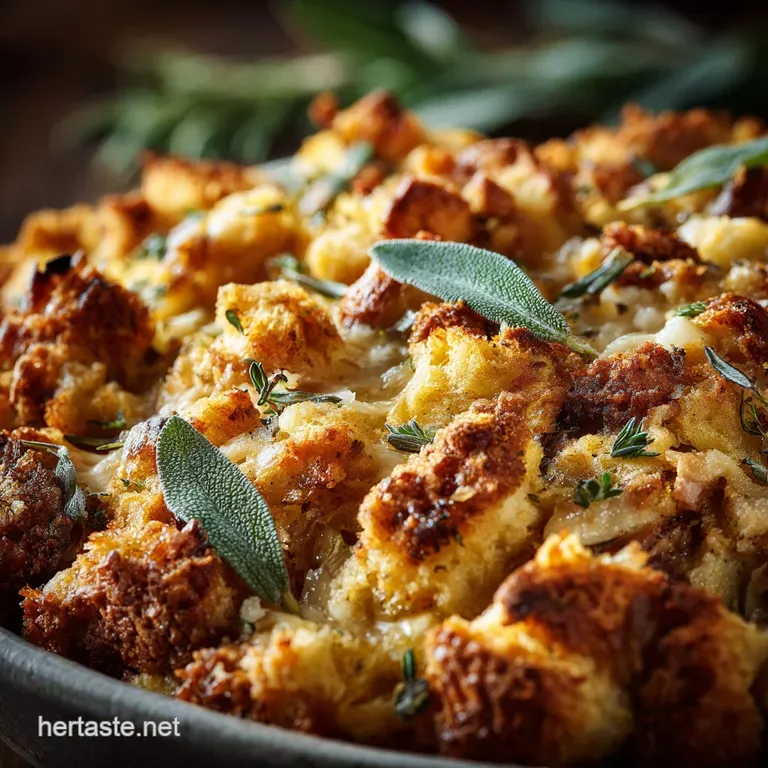
Prep Step: Drying the Bread Cubes Properly
Cut your bread into uniform 1 inch cubes. Spread them out on two baking sheets. Bake them low and slow 300°F (150°C) for about 15 minutes then just turn the oven off and let them chill for 45 minutes or so.
The goal is rock hard, completely moisture free cubes. This step is non-negotiable for texture.
Creating the Foundation: Infusing Butter with Aromatics
Melt 150g (6 oz) of the unsalted butter in a large skillet. Add the diced celery and onion. Sauté them over medium low heat for a solid 8 to 10 minutes until they are totally soft and glossy.
Stir in the garlic, sage, and thyme, cooking for just one minute until that nutty, herbaceous aroma hits you.
Mixing and Resting: Ensuring Even Moisture Distribution
Scrape the entire butter and vegetable mixture over the dried bread cubes in a huge bowl. Toss gently until every piece of bread is shimmering with butter. Separately, whisk the beaten eggs with one cup of the warm stock. Pour this over the bread, then gradually add the remaining stock, tossing gently after each cup.
Chef's Note: You must judge the final liquid amount by feel. The bread should be moist, soft, and slightly squishy when squeezed, but there should be no standing liquid at the bottom of the bowl. Stop adding stock when it feels like a damp sponge.
Baking for Texture: The Foil and Uncovered Sequence
Transfer the dressing into your generously buttered 9x13 inch dish. Do not pack it down tightly. Drizzle the remaining 75g (3 oz) of melted butter over the surface. Cover the dish tightly with foil and bake at 375°F (190°C) for 25 minutes.
Then, remove the foil and bake for another 20– 25 minutes until the top is deeply golden, crusty, and the dressing is piping hot throughout.
Chef's Notes: Elevating Your Dressing and Avoiding the Soggy Middle
Mistake Alert: The Danger of Over Packing the Baking Dish
I see this all the time. People press the dressing mixture down into the pan like they are building a sandcastle. Don't! If you pack it too tightly, the steam cannot escape properly during baking, and you will end up with a dense, soggy middle layer. Keep it light and airy when you transfer it to the pan.
The Temperature Rule: Serving Temperature for Optimum Crispness
This [Quick Dressing Recipe] is best served piping hot, straight out of the oven after resting for 10 minutes. The residual heat helps the flavors bloom, and the crispy top stays crunchy longer.
Troubleshooting: What to Do If Your Dressing is Too Dry
If your dressing comes out crumbly and dry, you didn't add enough liquid initially. If you catch it while it's resting, pour about 1/4 cup of warm stock mixed with a tablespoon of melted butter over the top and tent it loosely with foil for 5 minutes. The steam will rehydrate the cubes gently.
make-ahead Magic: Storing, Freezing, and Reheating Thanksgiving Dressing
The 24 Hour Head Start: Prepping Components in Advance
Preparation is key to a smooth Thanksgiving. You can dry the bread cubes two days in advance and store them in an airtight container. You can also assemble the entire dressing (up to the point of baking), cover it tightly, and refrigerate it for up to 24 hours.
Just make sure to let it sit out at room temperature for 30 minutes before baking! This strategy works beautifully alongside other prepped dishes, like my [Thanksgiving Appetizer Deviled Eggs: Creamy Sage Cranberry Swirl].
Freezing Baked vs. Unbaked Dressing
Baked dressing freezes better than raw dressing. Let the cooked dressing cool completely, then wrap it tightly in foil and then plastic wrap. It lasts for up to 3 months. If you try to freeze it unbaked, the textures will suffer upon thawing.
Reviving Leftovers: Restoring the Crispy Top
Leftover [Thanksgiving Dressing] stores well in the fridge for 3 to 4 days. When reheating, avoid the microwave at all costs it turns the top into rubber. The best way to revive the crispness is to portion it onto a baking sheet, mist it lightly with a spray bottle of water (or brush with butter), and bake it in a 350°F (175°C) oven for about 15 minutes.
The Perfect Plate: Serving Pairings for Traditional Bread Dressing
This savory, herbaceous side pairs beautifully with almost everything on the festive table. It is mandatory, of course, to serve it with a generous ladle of rich, thick gravy.
If you’re building your holiday plate, try pairing this hearty side with the buttery smoothness of [Thanksgiving Side Dishes: Queens Silky Confit Garlic Mashed Potatoes] for textural contrast.
We also love the tart, vibrant sweetness of a simple cranberry relish to cut through the richness of the butter in the dressing. Don't forget something green, like my famous [Thanksgiving Side Dishes: Brown Butter Maple Carrots with Sage].
Recipe FAQs
What is the culinary difference between "dressing" and "stuffing" for Thanksgiving?
The distinction lies primarily in where the mixture is cooked. Dressing is baked separately in a casserole dish, which allows the top to crisp up beautifully and guarantees even, safe cooking temperatures throughout the dish.
Conversely, stuffing is cooked inside the cavity of the turkey, where it absorbs turkey juices but requires strict monitoring to ensure it reaches 165°F (74°C) to prevent bacterial growth.
Is this recipe considered an "old-fashioned" Thanksgiving dressing?
Absolutely; this classic Sage and Thyme recipe is deeply traditional and representative of vintage American holiday cuisine. It relies on fundamental ingredients like stale bread cubes, the aromatic trinity (onion, celery, butter), and essential poultry herbs like sage and thyme.
This method provides the moist, savory, earthy base that defines a proper festive dressing.
How can I prepare an easy dressing recipe for Thanksgiving if I am short on time?
The easiest way to streamline this recipe is by utilizing the make-ahead method. You can fully assemble the dressing mixing the bread, aromatics, and liquids up to 48 hours in advance and store it covered in the refrigerator.
On Thanksgiving Day, simply pull it out, allow it to warm slightly, and bake as instructed, eliminating mixing time when your kitchen is busiest.
How can I prevent my dressing from becoming dry or crumbly after baking?
The key to moisture is ensuring the mixture looks slightly wetter than you think before it enters the oven; every bread cube must be fully moistened, not just damp. Avoid overbaking, and if the dressing appears dry halfway through, gently drizzle a 1/4 cup of warm chicken or vegetable stock over the top before covering and continuing the bake time.
Cooking it covered for the initial 20 minutes also helps retain steam.
I only have fresh bread available. Can I still make this Classic Sage Dressing?
While stale bread is preferred because it absorbs liquid without disintegrating, you can use fresh bread if you properly dry it out beforehand. Cube the fresh bread, spread it on a baking sheet, and toast it in a 300°F (150°C) oven for 10 15 minutes until it is crunchy and completely dried out.
Let the cubes cool fully before mixing them with the wet ingredients.
How should I store leftover dressing, and can this recipe be frozen?
Leftover dressing should be promptly refrigerated in an airtight container within two hours of cooking and is best consumed within 3 4 days. For longer storage, baked dressing freezes exceptionally well; allow it to cool completely, wrap it tightly in heavy duty foil, and place it in a freezer bag or container.
It will maintain quality for up to three months.
Classic Sage Thanksgiving Dressing
Ingredients:
Instructions:
Nutrition Facts:
| Calories | 415 kcal |
|---|---|
| Fat | 25 g |
| Fiber | 3.5 g |
