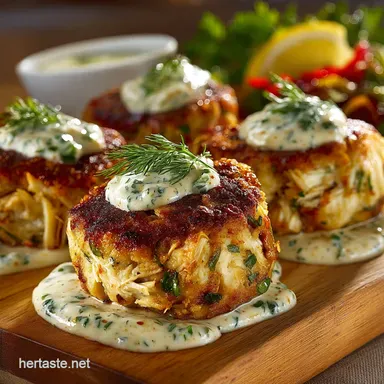
The Chefs Classic Crab Cakes with Zesty Lemondill Remoulade
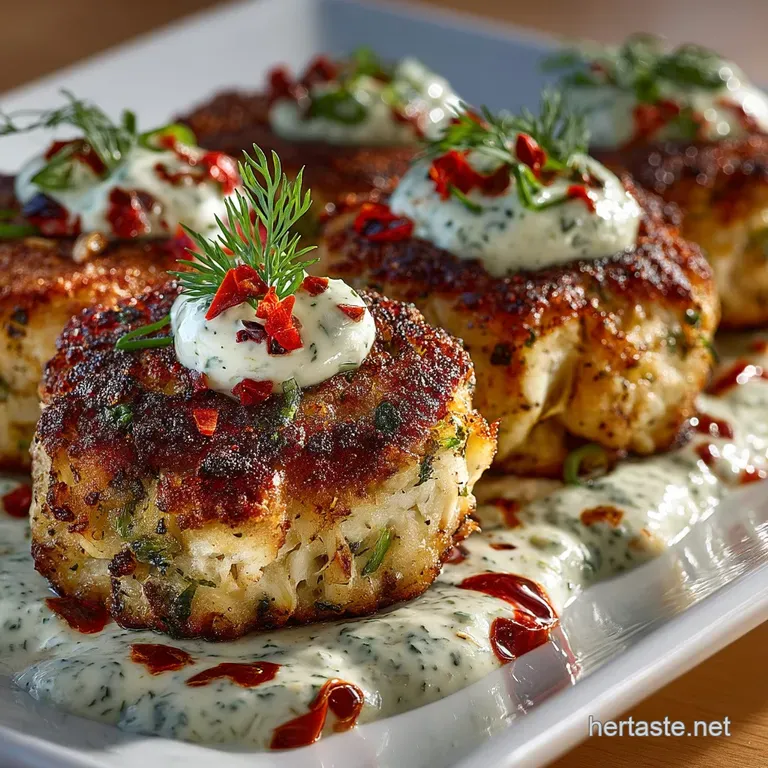
- Achieving the Perfect Crab Cake: Minimal Filler, Maximum Flavor
- Essential Components for Superior Crab Cakes
- Crafting the Zesty Lemon-Dill Remoulade
- Methodical Assembly: Mixing and Shaping the Patties
- Troubleshooting and Expert Serving Suggestions
- Planning Ahead: Storage and Preparation Logistics
- Recipe FAQs
- 📝 Recipe Card
Achieving the Perfect Crab Cake: Minimal Filler, Maximum Flavor
The crab cake is often hailed as the ultimate culinary test of a chef’s restraint. Our goal is to move past the heavy, bready imposters and focus squarely on the star ingredient: high-quality lump crab meat.
This particular crab cakes recipe is designed for purity, ensuring every bite delivers maximum maritime decadence with a shatteringly crisp exterior and a tender, moist interior. Forget thick layers of flour and egg; this is about showcasing the delicate sweetness of the ocean.
Following this guide will unlock the secrets to truly elegant, classic crab cakes that can anchor any dinner party or be enjoyed as a luxurious light lunch.
The Philosophy of Purity: Why Less Binder Is More
The mistake most home cooks make when tackling lump crab cakes recipe is over-relying on binders. Binders, like excessive breadcrumbs, flour, or egg, are often used to provide a sense of security and prevent crumbling.
However, too much filler dilutes the sweet, singular flavour of the crab, resulting in a dense, spongy texture. Our approach utilizes just enough Panko breadcrumbs (1/4 cup for a full pound of crab) to hydrate and create the necessary internal structure, supported by a carefully balanced wet mix of mayonnaise, egg, and acid.
By keeping the binder minimal, we maintain the integrity of those large, beautiful lumps, allowing the crab’s natural moisture and protein to provide the final structure during the crucial chilling phase.
Defining Decadence: Selecting the Finest Lump Crab
The quality of your crab dictates the success of this entire dish. For the very best results, you must invest in high-quality jumbo lump or standard lump crab meat. The difference between these grades is size: jumbo lumps are the largest pieces of muscle from the swimming fins, offering spectacular visual appeal and an incredibly tender texture.
Regardless of the grade chosen, thorough inspection is mandatory. Before mixing, gently spread the 1 lb (450 g) of meat across a shallow surface and use your fingers to pick through it.
This delicate process ensures you remove any lingering shell or cartilage fragments, safeguarding the final, luxurious texture of your meal. high quality ingredients are the secret to crafting these truly decadent classic crab cakes .
Essential Components for Superior Crab Cakes
To create our definitive version of crab cakes recipe easy enough for regular rotation, we rely on a precise mixture of flavour agents and structural elements. Beyond the critical 1 lb of crab, the binder is formed by a base of 1/4 cup full-fat mayonnaise and 1 large, lightly whisked egg.
This provides richness and emulsification. Crucial flavour depth comes from 1 Tbsp of Dijon mustard, 1 tsp of Worcestershire sauce for umami, and 1 tsp of fresh lemon juice for brightness.
The iconic seasoning blend is achieved using 1 1/2 tsp of Old Bay seasoning, supported by 2 Tbsp of finely chopped fresh parsley, salt, and pepper. Finally, we use 1/4 cup of fine Panko breadcrumbs, a key component for the light, airy texture we seek.
For cooking, a combination of 2 Tbsp neutral, high-heat oil (like grapeseed) and 1 Tbsp unsalted butter is utilized to achieve the perfect sear.
Crafting the Zesty Lemon-Dill Remoulade

No serving of luxurious crab cakes is truly complete without a vibrant dipping sauce. A Zesty Lemon-Dill Remoulade provides the necessary acidity and herbaceous counterpoint to the rich, seared crab. This sauce elevates the dish, making it a complete culinary experience.
The Culinary Arsenal: Recommended Tools for Cake Formation
While much of the work is gentle, the right tools dramatically improve the outcome. Essential equipment includes a large mixing bowl for the folding stage, a small whisk for the binder, and, most importantly, a heavy-bottomed frying pan or cast iron skillet for consistent heat application during the sear.
A sturdy fish spatula is non-negotiable for flipping the delicate patties without damaging their structure. To ensure perfect chilling, a baking sheet lined with parchment paper is also required.
Sourcing Secrets: Ensuring the Highest Quality Crab Meat
When sourcing your crab meat, look for products labelled "pasteurized" if buying packaged, but prioritize fresh, locally steamed crab if available. The flavour profile of the meat should be sweet and clean, never overly fishy.
Remember that the moisture content of the crab can vary; if your crab seems exceptionally wet, pat it lightly with paper towels before mixing to prevent a soggy cake base. This attention to detail is what sets true gourmet crab cakes apart.
Pantry Staples: Ingredients for the Golden Crust
While we keep the internal filler minimal, achieving that legendary golden, crispy crust is essential. The exterior crispness comes from two elements: the limited hydration of the Panko in the binder, which creates surface texture, and the proper selection of cooking fats.
Using a blend of high-heat neutral oil (like grapeseed) provides a high smoke point, while the addition of unsalted butter not only lowers the effective smoking temperature slightly but imparts a beautiful, nutty flavour and helps achieve that rich, deep colour during the sear.
Mastering the Emulsion: Tips for a Stable Sauce Base
Our quick remoulade requires 1/2 cup of mayonnaise as the foundation. The trick to a successful, stable sauce is ensuring the mayonnaise is chilled. To this, we incorporate 2 Tbsp of finely chopped fresh dill, 1 Tbsp of finely chopped capers (providing a salty, briny depth), and the zest of half a lemon.
Combining these ingredients thoroughly with a small whisk ensures an even distribution of flavour and a perfectly smooth texture that clings beautifully to the crab cakes.
The Bright Finish: Balancing Citrus and Herb Notes
The remoulade's success hinges on balancing richness, brine, and acidity. The mayonnaise provides the richness, the capers supply the necessary saltiness, and the dill introduces a refreshing, green herbal note.
The lemon zest is critical; it provides a concentrated, bright citrus flavour that cuts through the fat of both the fried cake and the mayonnaise base, making every bite feel lighter and preventing palate fatigue. This zesty sauce is the ideal partner for our lump crab cakes .
Related Recipes Worth Trying
- Perfectly Fluffy Mini Vanilla Sponge Cakes Recipe — Forget dry cupcakes These Mini Soft Cakes are airy tender and inspired by the classic tea room An easy recipe for pillowy sponge cakes that melt in your mouth
- Easy Mini Cake Recipe Moist Lemon Drizzle Loaf Cakes — Make the easiest mini cake recipe from scratch These zesty lemon loaves are wonderfully moist Get my best baking tips here
- Perfectly Moist Mini Cakes From Scratch for Teatime — Bake these delightfully tender mini cakesthe perfect small batch baking treat Simple ingredients for a guaranteed moist crumb companion to your cuppa
Methodical Assembly: Mixing and Shaping the Patties
The assembly process is the most delicate stage of making these classic crab cakes . The total active preparation time is only about 15 minutes, but every moment requires mindfulness to prevent overworking the crab meat.
Gentle Handling: Preventing Shredding During the Mix
Begin by preparing the wet binder first: whisk the mayonnaise, Dijon, egg, acids (lemon juice, Worcestershire), and seasonings (Old Bay, salt, pepper, parsley). Then, fold the Panko breadcrumbs into this mix and let it rest for two minutes to hydrate slightly.
The trick is the folding: pour the binder over the waiting crab meat, and using a rubber spatula or a large spoon, use a gentle under-and-over motion to combine the ingredients. Stop the instant everything is barely held together. We aim to bind the lumps, not shred them into a paste.
Over-mixing releases moisture and ruins the delicate texture.
Uniformity is Key: Techniques for Consistent Cake Sizes
Consistent size ensures even cooking. Using a standard 1/3 cup (80 ml) ice cream scoop is an excellent method for portioning the mixture. Once portioned (yielding about 8 appetizer cakes), gently shape the mound into a neat, thick patty, approximately 1.5 inches (4 cm) high.
Do not press or compress the cakes tightly; a loose formation allows the interior to remain moist and tender.
The Chill Factor: Preparing the Cakes for Optimal Cooking
The chilling phase is non-negotiable for achieving structural integrity. Place the formed patties onto the parchment-lined baking sheet, cover lightly, and refrigerate for a minimum of 30 minutes.
As the cakes chill, the fat in the mayonnaise and butter begins to firm up, and the egg protein sets around the crab lumps. When the cold cake hits the hot oil, this structure resists crumbling, which is the secret to a successful flip and perfect final form.
Temperature Control: Oil Selection and Optimal Heat
Heat control is paramount when cooking delicate seafood. Use a blend of neutral oil and butter heated over medium-high heat. You are looking for a temperature around 350° F ( 175° C) for a perfect sear. The fat blend should shimmer, but not smoke vigorously.
If the temperature is too low, the cakes will absorb the oil and become greasy. If it’s too high, the outside will burn before the centre is warmed through.
The Searing Strategy: When to Flip for Even Browning
Place the chilled crab cakes carefully into the hot fat, ensuring the pan is not overcrowded, cook in batches if necessary. Allow the cakes to sear undisturbed for 3 to 4 minutes. Resist the urge to peek or move them!
Once a deep, golden-brown crust has visibly formed on the edges, use your fish spatula to gently flip the cake in one decisive motion. Cook the second side for another 3 to 4 minutes until both sides are a uniform, rich golden colour and the internal temperature is warm.
Troubleshooting and Expert Serving Suggestions
Even when following the instructions for these high-quality crab cakes , minor challenges can arise. Knowing how to troubleshoot and how to present the final dish maximizes the enjoyment.
Addressing Common Issues (Too Soft? Too Dry?)
If your cakes are too soft and fall apart when they hit the pan, the primary issue is insufficient chilling time or over-mixing the crab, which released too much moisture. If chilling doesn’t fix it, you may need to add a scant teaspoon more Panko to the remaining mix.
Conversely, if your crab cakes taste dry or overly dense, you have likely compressed the cakes too tightly during shaping or used too much filler, resulting in a bread-heavy texture.
For a healthier alternative without added fat, you can prepare healthy crab cakes by using the crab cakes in air fryer or crab cakes in oven method described in the variations section, which reduces the need for surface oil.
Ideal Culinary Companions: Side Dishes and Pairings
These rich, flavorful cakes pair beautifully with light, acidic side dishes that cut through their richness. A crisp, simple salad dressed with olive oil and red wine vinegar, or a refreshing fennel and apple slaw, works wonderfully. Avoid heavy sides like creamy pasta or thick potato mashes.
For a beverage pairing, choose a crisp, high-acidity white wine like Sauvignon Blanc or a clean, cold Pilsner, which complements the delicate seafood profile and the zesty crab cakes sauce .
Planning Ahead: Storage and Preparation Logistics
Preparation is key to effortless entertaining. Knowing how to properly store and handle components of the lump crab cakes recipe can save significant time.
Shelf Life: Safely Storing Pre-mixed Crab Cakes
The crab cake mixture can be fully prepared (including shaping and chilling) up to 24 hours in advance. Store the formed, raw patties on the parchment-lined baking sheet, tightly covered with plastic wrap, in the refrigerator.
Do not attempt to store the mixture pre-mixed for longer than 24 hours, as the texture of the Panko binder will break down, and the quality of the raw seafood may deteriorate.
Freezing and Reheating Guidelines for Perfect Results
If you want to prepare a large batch of crab cakes for future use, freezing is an excellent option. Freeze the formed, raw patties on a baking sheet until solid (about 2 hours).
Once frozen, transfer them to a freezer-safe zip-top bag, separated by small squares of parchment paper to prevent sticking. They will keep well for up to 3 months. To cook from frozen, do not thaw them completely; you can cook them directly using the crab cakes in oven method at 400° F ( 200° C) for 20- 25 minutes, or thaw slightly and use the crab cakes in air fryer for 15 minutes, adding a few extra minutes to the cooking time to ensure the centre is heated through.
Nutritional Breakdown: Enjoying Decadent Crab Cakes Responsibly
Based on four main course portions (excluding the remoulade), these crab cakes are a fantastic source of high-quality protein (around 22g per serving) while remaining relatively low in carbohydrates (5–8g).
The primary caloric contribution (250–300 kcal per serving) comes from the healthy fats in the mayonnaise and the necessary cooking oil. By utilizing the minimal binder approach, this recipe offers a much healthier crab cakes option compared to heavily breaded commercial varieties, allowing you to enjoy this decadent seafood dish responsibly.
Recipe FAQs
My cakes keep crumbling in the pan, what have I done wrong?
It’s usually a structural issue, often caused by impatience! You must observe the mandatory chilling time of at least 30 minutes. This helps the fat and the egg set, giving the crab cakes a proper stiff upper lip before they hit the heat.
Also, remember to be as gentle as possible when folding the mixture; over-mixing releases too much moisture and shreds the delicate crab lumps, which results in a dense cake prone to falling apart.
If I'm hosting a dinner party, can I make these Crab Cakes ahead of time?
Absolutely! These are brilliant for prepping in advance, which takes a lot of stress out of hosting. Form the cakes, place them on the baking sheet, cover them well with film, and they can happily sit in the fridge for up to 24 hours.
Just make sure they remain cold right up until you sear them, as cold cakes maintain their structure far better.
I’m counting the calories; is there a way to cook these Classic Crab Cakes without all the oil?
If you're keen to save a few calories, you can easily bake or air fry these cakes, giving a delicious, lower-fat result. Mist them lightly with neutral oil spray and bake at 400°F (200°C) for about 15-20 minutes, flipping halfway through.
They won't have the exact deep richness of a pan-sear, but they’ll still be a proper treat.
How do I get that perfect, deep golden crust without burning them to a cinder?
The secret is heat control, you need a reliable medium-high setting and the combination of oil and butter. Ensure your fat is shimmering before placing the cakes in the pan, as this prevents them from absorbing the oil and becoming greasy.
Resist the urge to poke them; cook undisturbed for 3-4 minutes per side until that glorious, shatteringly crisp exterior develops.
Lump crab is dear! Can I use cheaper crab meat or even frozen instead?
While jumbo lump provides the most luxurious texture, you can certainly use claw or backfin meat to save a bit of cash, but the final texture will be flakier. If using frozen crab, ensure it is completely thawed overnight in the fridge and very thoroughly drained before use.
Whatever variety you choose, keep the binder ratio low; we aren't messing about with cheap filler!
The Ultimate Classic Lump Crab Cakes Recipe with Zesty Dill Sauce