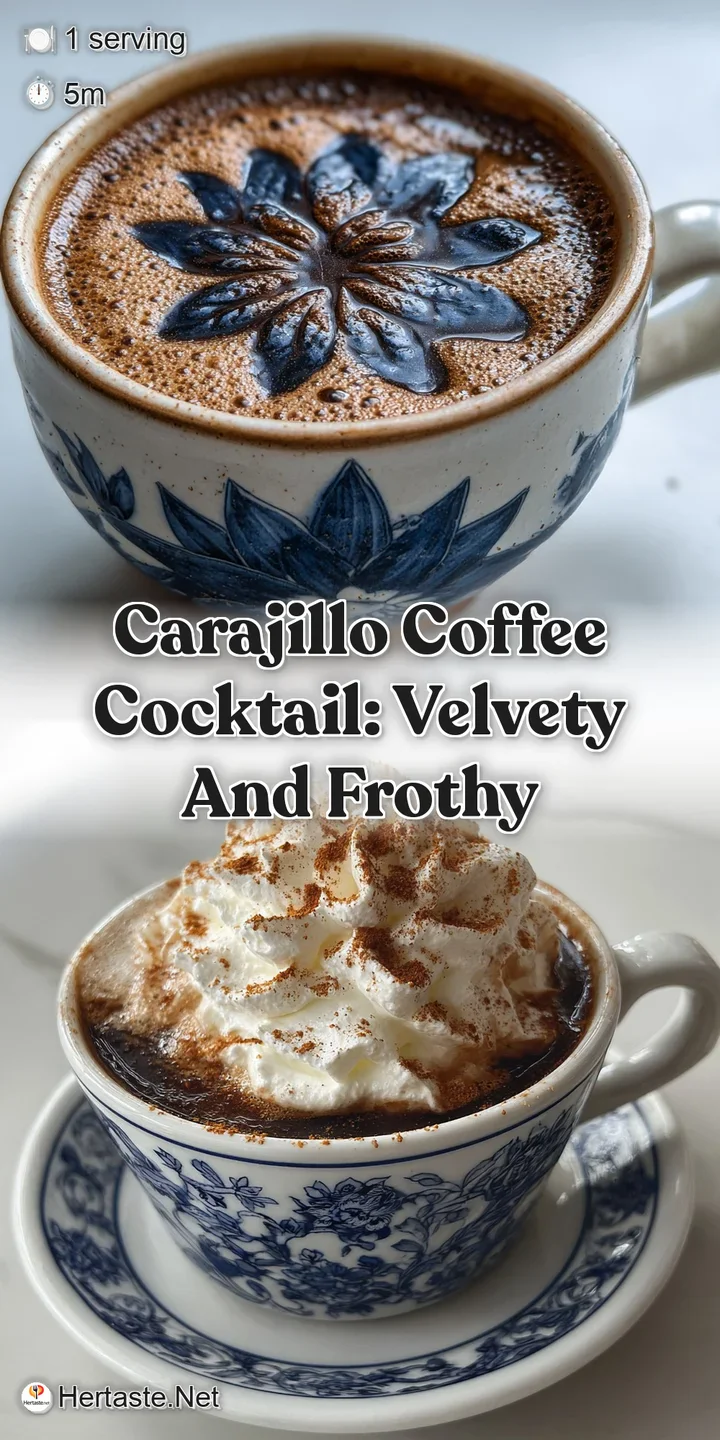
Velvety Carajillo Coffee Cocktail Recipe
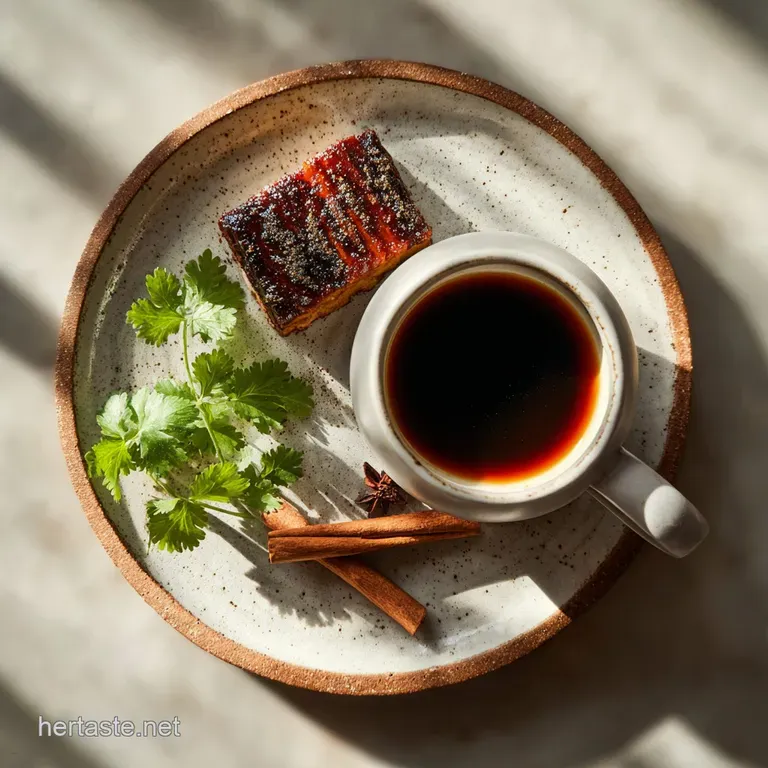
- Time: Active 5 minutes, Passive 0 minutes, Total 5 minutes
- Flavor/Texture Hook: Velvety, foam topped, bittersweet
- Perfect for: Post dinner treats or weekend brunch
Perfect Carajillo Coffee Cocktail Guide
The first time I saw a Carajillo, I thought it was a magic trick. I was sitting in a sun drenched courtyard in Mexico City, watching a waiter perform what looked like a rhythmic dance with a silver shaker.
He poured a steaming shot of espresso into a glass of amber liquid, and with a few violent shakes, it transformed into a two toned beauty with a thick, meringue like head. The sizzle of the hot liquid hitting the ice was the siren song that hooked me forever.
Since that day, I’ve realized that this drink is all about the tension between extremes. You have the aggressive bitterness of a dark roast coffee clashing with the 43 secret botanicals of the liqueur. If you do it wrong, it’s a watery mess.
If you do it right, it’s a velvety, sophisticated treat that makes a standard espresso martini feel basic by comparison. We aren't just mixing drinks here; we're managing a collision of temperatures and textures.
I've spent months testing different shake strengths and coffee bean origins to figure out why some Carajillos have that iconic "shatter" of foam while others fall flat. Trust me, the secret isn't just in the ingredients it's in the physics of the shake.
You’re about to learn how to make the best carajillo recipe you've ever tasted, right in your own kitchen, without needing a professional bar setup.
Why This Duo Works
The Mechanics of Aerated Foam: The vigorous agitation of hot espresso oils against the viscous sugars of Licor 43 creates a stable protein sugar matrix. This results in the signature velvety head that lingers on the tongue rather than dissolving instantly.
- Thermal Contrast: Pouring hot espresso over ice creates an immediate temperature shock that releases aromatics while chilling the spirit.
- Sugar Viscosity: The high sugar content in the liqueur acts as a stabilizer for the air bubbles introduced during the shake.
- Botanical Depth: The 43 ingredients (including vanilla and citrus) fill the "flavor gaps" that plain coffee lacks.
- Fat Emulsification: Natural oils in the coffee beans emulsify with the alcohol, creating a creamy mouthfeel without any dairy.
Quick Decision Table
| Method | Texture | Time | Best For |
|---|---|---|---|
| The Hard Shake | Thick, velvety foam | 5 minutes | Authentic experience |
| The Stirred Layer | Clean, distinct tiers | 2 minutes | Visual presentation |
| The Blender Blitz | Frappe like, icy | 3 minutes | Hot summer afternoons |
Crucial Drink Specs
The beauty of a Spanish Carajillo recipe lies in its simplicity, but that doesn't mean we can be lazy with the measurements. You want a 1:1 ratio to ensure neither the coffee nor the spirit dominates the palate.
| Ingredient | Science Role | Pro Secret |
|---|---|---|
| Fresh Espresso | Provides surfactants for foam | Use a dark roast for maximum oil content |
| Licor 43 | Acts as the primary emulsifier | Keep it at room temp to help sugar dissolve |
| Large Ice Cubes | Controls dilution rate | Bigger cubes prevent the drink from getting watery |
Like the technique used in our Decadent Mudslide Cocktail Recipe, the quality of your base spirit dictates the entire profile of the drink. While some might try a carajillo recipe without licor 43, it truly loses that signature vanilla citrus backbone that makes the cocktail world famous.
Essential Flavor Components
To get that Spanish Carajillo recipe flavor just right, you need to be picky about your beans. A light roast will get lost in the sugar; you need a dark, punchy espresso that can stand up to the 43 botanicals.
- 2 oz Licor 43: The soul of the drink. Why this? Its vanilla and citrus notes perfectly bridge the gap between coffee and spirit.
- 2 oz Fresh Espresso: Must be hot. Why this? The heat is required to create the specific foam structure during the shake.
- 3 Large Ice Cubes: Density matters. Why this? They chill the drink without melting too fast and diluting the intensity.
Component Substitutions
| Original Ingredient | Substitute | Why It Works |
|---|---|---|
| Licor 43 | Tuaca | Similar vanilla/citrus profile, though slightly less herbal. |
| Espresso | Moka Pot Coffee | Provides the necessary strength and oils for a thick head. |
| Espresso | Cold Brew Conc. | Works for a carajillo recipe easy version, but foam will be thinner. |
Professional Bar Tools
You don't need a thousand dollar setup, but you do need a shaker that can handle the pressure. When hot espresso hits ice inside a sealed container, it creates a vacuum effect. A sturdy Boston shaker or a Cobbler shaker is essential.
Chef's Tip: Freeze your metal shaker for 10 minutes before use. This prevents the hot espresso from melting the ice too quickly during those first few crucial seconds of contact.
If you are looking for a way to use up leftover coffee components, think about the texture of the Magic Whipped Coffee Cream recipe — the goal here is similar: achieving maximum aeration through mechanical force.
step-by-step Execution
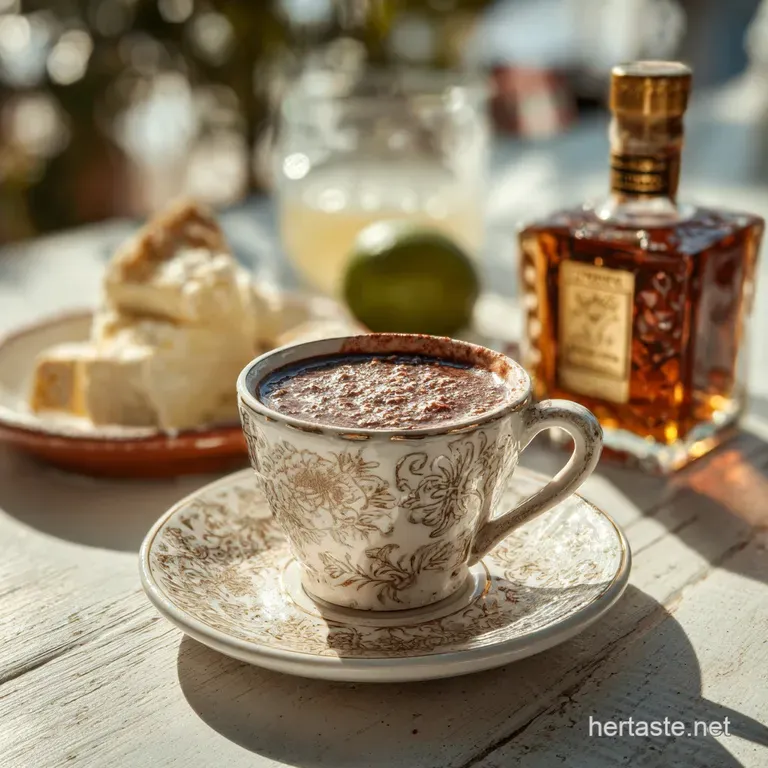
- Brew 2 oz fresh espresso. Note: Use a dark roast to ensure a thick crema.
- Pour 2 oz Licor 43 into your shaker.
- Add 3 large ice cubes to the spirit.
- Tumble the hot espresso directly over the ice until you hear the first crackle.
- Seal the shaker immediately to trap the expanding steam.
- Shake vigorously for exactly 15 seconds until the shaker feels painfully cold.
- Strain into a rocks glass filled with fresh ice.
- Watch the layers separate until a thick golden foam settles on top.
- Garnish with a twist of orange peel to highlight the citrus botanicals.
Comparison: Fresh vs Shortcut
| Feature | Fresh Espresso | Cold Brew Concentrate |
|---|---|---|
| Foam Height | 15mm - 20mm | 2mm - 5mm |
| Aroma | Intense, toasted | Mellow, chocolatey |
| Mouthfeel | Creamy, heavy | Light, refreshing |
Fixing Texture Issues
The most common heartbreak with a Carajillo Coffee Cocktail is a "flat" drink. If you don't get that frothy head, it’s usually a temperature or timing issue.
Why Your Foam Collapsed
If your drink looks like flat soda, you likely used coffee that was too cold. The heat from the espresso is what helps the sugars in the liqueur expand and trap air. Another culprit is a "lazy shake." You need to be aggressive imagine you're trying to break the ice cubes inside the tin.
| Problem | Root Cause | Solution |
|---|---|---|
| Thin, watery foam | Coffee was lukewarm | Brew espresso immediately before shaking. |
| Drink is too sweet | Insufficient dilution | Shake longer or use smaller ice to melt more. |
| Harsh alcohol bite | Poor coffee quality | Use a lower acid, dark roast bean. |
Common Mistakes Checklist
- ✓ Never use instant coffee if you want a thick foam (it lacks the natural oils).
- ✓ Ensure the shaker is sealed tightly before the coffee hits the ice to prevent spills.
- ✓ Use "fresh" ice for the glass don't pour the "spent" ice from the shaker into your drink.
- ✓ Double strain using a fine mesh sieve to catch any tiny ice shards that ruin the "velvety" feel.
Creative Recipe Variations
While the traditional version is a dream, the Tequila carajillo recipe has been taking over bars recently. It adds an earthy, peppery finish that cuts through the sweetness beautifully.
Tequila Carajillo Recipe Variation
To make this version, simply split the liqueur portion. Use 1 oz Licor 43 and 1 oz of a high-quality Reposado tequila. The wood notes from the Reposado play incredibly well with the vanilla in the 43.
It transforms the drink from a "dessert" cocktail into something much more complex and "Spanish Carajillo recipe" adjacent but with a Mexican soul.
Creating a Vegan Cloud
If you want an even thicker head without using egg whites (which some old school recipes suggest), try adding 1/2 oz of aquafaba (chickpea water). It’s flavorless but creates a foam so thick you could stand a spoon in it. This is great for an "innovative" take on the carajillo recipe homemade style.
Decision Shortcut
- If you want a dessert heavy drink, use the 1:1 ratio with Licor 43.
- If you want a boozier kick, go with the Tequila carajillo recipe split.
- If you want a low caffeine version, use a high-quality decaf espresso (the foam will still form!).
Storing and Batching Tips
Since this drink relies on the physics of hot meeting cold, it’s best made to order. However, you can certainly prep for a party.
Storage: Licor 43 is shelf stable and should not be refrigerated, as the sugar can crystallize over time. Espresso, however, oxidizes quickly. If you must batch it, brew your espresso and keep it in a thermos to maintain the heat for up to 2 hours.
Zero Waste: Don't throw away those used espresso pucks! Dry them out and mix them with some sugar and oil for a DIY kitchen hand scrub, or toss them into your compost. If you have leftover brewed espresso, freeze it in ice cube trays.
Using "coffee cubes" in your next Carajillo prevents any dilution as the drink sits.
Ideal Flavor Pairings
Because this cocktail is quite sweet and rich, you want pairings that offer a contrast. Think salty, nutty, or intensely bitter.
- Salty Marcona Almonds: The salt cuts through the Licor 43’s sugar, making the coffee notes pop.
- Dark Chocolate Tart: A high cacao chocolate (70% or more) provides a bitter edge that complements the vanilla cloud on top.
- Blue Cheese: It sounds wild, but the funk of a Gorgonzola or Roquefort against the sweet coffee is a fresh perspective on a cheese plate.
If you're looking for something more traditional to serve alongside, try a small spoonful of our Authentic Homemade Caramel recipe drizzled over vanilla bean ice cream. The shared vanilla notes between the caramel and the Carajillo create a seamless flavor bridge.
Myths
Myth: You can't make a Carajillo without an espresso machine. Truth: While a machine is best for crema, a Moka pot produces a concentrated, oily coffee that creates an excellent foam. Even a very strong AeroPress shot will work. The key is concentration and heat, not just the "pressure" of a machine.
Myth: Carajillo is just another name for an Espresso Martini. Truth: They are cousins, but not twins. An Espresso Martini usually uses vodka and Kahlua (or another coffee liqueur).
The Carajillo relies on the unique herbal, citrus, and vanilla profile of Licor 43, which makes it much more aromatic and less "one note" than the vodka based version.
Myth: The coffee must be cold before shaking. Truth: This is the biggest mistake! If the coffee is cold, the oils won't emulsify properly with the liqueur's sugar. You need that thermal "sizzle" to create the velvety texture we're after in a carajillo recipe easy.
This cocktail is more than just a drink; it's a sensory experience that marks the end of a great meal. Whether you stick to the classic or try the tequila carajillo recipe, the secret is all in that hard, 15 second shake. Now, go get your shaker and make some magic happen!
Recipe FAQs
What are the ingredients in a carajillo?
The core ingredients are Licor 43 and fresh hot espresso. Traditionally, this is a two-ingredient cocktail served over ice, where the liqueur provides sweetness and botanical complexity to the strong coffee.
How much liquor is 43 in a carajillo?
Use a 1:1 ratio for a balanced flavor profile. This means 2 ounces of Licor 43 to 2 ounces of freshly brewed hot espresso. This ratio prevents the sweetness from overwhelming the coffee bitterness.
Does a carajillo have tequila in it?
No, the classic Spanish recipe does not include tequila. The traditional version relies solely on Licor 43 for its spirit base. However, a popular modern variation substitutes half the Licor 43 with Reposado tequila for an earthier finish.
What is the difference between a carajillo and an Irish coffee?
The primary difference is the spirit and the required preparation method. An Irish coffee uses Irish whiskey and is typically served hot without shaking, whereas a Carajillo uses Licor 43 and is traditionally shaken hard over ice to create a dense, velvety foam.
How do I ensure the signature Carajillo foam forms?
Shake very vigorously for exactly 15 seconds immediately after pouring hot espresso into the shaker. The thermal shock between the hot coffee oils and the cold, viscous sugar in the Licor 43 is what stabilizes the air bubbles into that signature cloud.
Can I substitute the espresso with cold brew concentrate?
Yes, but your foam quality will suffer significantly. Cold brew lacks the necessary heat and volatile oils to emulsify into a stable, thick head. If you must use concentrate, try pre-chilling your Licor 43, which helps stabilize the minimal foam you do create, similar to the technique used for a stable emulsion in our Mai Tai Cocktail recipe.
What should I serve with a Carajillo for dessert?
Serve something salty or intensely bitter to contrast the drink's sweetness. Marcona almonds or a high cacao dark chocolate tart work perfectly to balance the rich vanilla and coffee notes.
If you enjoy rich, sweet desserts, consider a small side of our Coffee Ice Cubes recipe to use in your next batch for a stronger, less diluted experience.
Carajillo Coffee Cocktail Recipe
Ingredients:
Instructions:
Nutrition Facts:
| Calories | 232 calories |
|---|---|
| Protein | 0.1 g |
| Fat | 0.2 g |
| Carbs | 22.1 g |
| Fiber | 0 g |
| Sugar | 22 g |
| Sodium | 6 mg |
