Apple Dessert Recipes: Make the Classic French Tarte Tatin
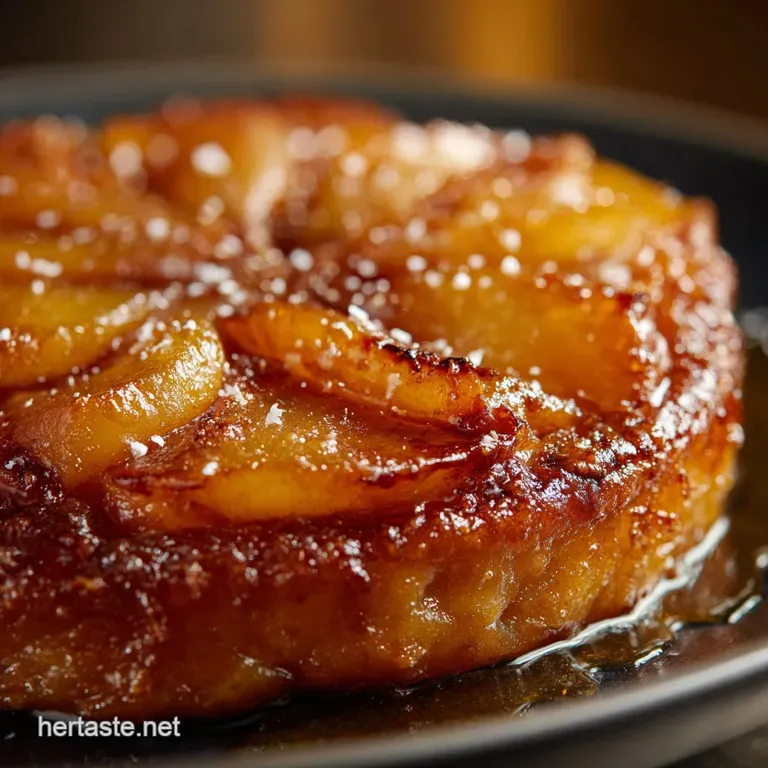
- Unveiling the Upside-Down Classic: The Perfect Apple Dessert Recipe
- Essential Ingredients for Your Show-Stopping Tarte Tatin
- Tarte Tatin Mastery: Step-by-Step Preparation Guide
- The Science of Sweetness: Why This Apple Dessert Works
- Extending the Life of Your Apple Dessert Recipes: Storage & Reheating
- Recipe FAQs
- 📝 Recipe Card
Unveiling the Upside Down Classic: The Perfect Apple Dessert Recipe
If there is one thing that instantly transports me back to the golden days of fall baking, it’s the smell of caramelized apples and butter bubbling furiously. That deep, nutty scent, mingled with warm vanilla and flaky pastry, is pure magic.
It’s comforting, it’s dramatic, and honestly, it’s a required scent for any great Amazing Fall Desserts lineup.
Most people think apple desserts mean slaving over a tricky pie crust, but this French Tarte Tatin is a spectacular shortcut. It looks like a five star restaurant dish, yet it’s forgiving enough for a weeknight. Seriously, the upside down technique means the caramel handles most of the heavy lifting.
It’s an easy, low-stress way to achieve a high impact presentation, making it one of my favorite Simple Holiday Dessert Recipes .
We are diving deep into the glorious world of the Tarte Tatin today, the ultimate of all Apple Dessert Recipes . Forget sad, soggy crusts; we are focusing on jammy, sticky apples and a perfect golden crust. Let’s learn the tricks to mastering that deep amber caramel.
The Glorious Mistake: A Tarte Tatin Origin Story
The Tarte Tatin is basically a story about success born from chaos, and I love that. Legend has it the Tatin sisters in the 19th century accidentally burned their apples and, in a rush, slapped some pastry on top and baked the whole thing upside down.
They flipped it to serve it and— voilà —a classic was born. It proves that sometimes the biggest mistakes lead to the best food.
This happy accident is why this Apple Dessert Recipe is so brilliant. It relies on the butter and sugar melting into a rich, complex toffee right in the pan. We are building the flavor profile first, creating a gorgeous sticky base that holds the apples perfectly still.
What Makes Tarte Tatin Superior to Traditional Pie?
It’s all about texture and concentration, my friend. Traditional apple pie requires the apples to cook down inside the crust, which often leads to that sad, watery filling we all dread. This recipe, however, cooks the apples and caramel first on the stovetop. This concentrates the apple flavor immediately.
The biggest win is the pastry. Because the pastry bakes on top, it never gets soggy. It stays incredibly crisp and buttery, providing that perfect contrast to the soft, intense apple filling. Plus, honestly, it’s way faster than blind baking or creating a lattice. If you love the concept of easy pastry, you might also enjoy my MakeAhead Thanksgiving Desserts: Cranberry Crumble Bars for another quick crust option.
Mastering the Art of Caramelization (The Key Difference)
This is the non-negotiable step that separates a good Tarte Tatin from an amazing one. We aren't just melting sugar; we are building true flavor. The sugar needs to transition from clear, to light gold, to a deep, ruddy copper.
Chef’s Note: Never, ever stir the sugar when it’s turning to caramel. Swirl the pan instead. Stirring introduces air and can cause dreaded crystallization, turning your beautiful caramel into a sugary rock.
Essential Ingredients for Your Show Stopping Tarte Tatin
You really don't need much for a spectacular French dessert, which is why this is such a great Apple Dessert Recipe Easy . Quality counts, especially for the butter and apples. Use the best you can find.
Selecting the Best Apples for Baking (Structure vs. Flavor)
You need an apple that holds its shape, otherwise, you'll end up with apple sauce instead of organized, neat slices. Skip the delicate Red Delicious. They turn to mush fast.
I lean towards Braeburn, Gala, or even Honeycrisp because they maintain structure while still softening beautifully. Granny Smith works too, but you might need to increase the sugar slightly because of their tartness. I use a mix of firm and slightly softer apples for both structure and intense flavor.
This makes it a perfect apple dessert recipe with fresh apples .
The Role of Butter and Sugar in French Pastry
We use cold butter cubes whisked into the hot caramel at the end. Why cold? The sudden temperature drop immediately stops the caramel from cooking further. It also emulsifies the sauce, transforming it from thin liquid sugar into a thick, glossy toffee that clings perfectly to the apples.
| Ingredient | Why it Matters | Substitution Option |
|---|---|---|
| Puff Pastry | Provides structure and essential flakiness. | Use shortcrust pastry (pâte sablée) for a cookie like, crunchy base. |
| Firm Apples | Holds shape during long baking time. | Pears (Bosc or Conference) are a great replacement. |
| Granulated Sugar | Key for forming the perfect amber caramel. | Light brown sugar works, but the caramel will be darker and fudgier due to the molasses. |
| Unsalted Butter | Necessary for the rich, nutty French flavor. | high-quality block vegetable shortening or dairy-free baking sticks. |
Quick Swap Guide: Puff Pastry vs. Shortcrust
Look, I am a huge fan of store-bought, all-butter puff pastry for this. It’s convenient, rises beautifully, and creates a dramatic lift. If you happen to have frozen pie dough or shortcrust instead, that’s totally fine! The result will be denser and crisper, but still delicious.
Just make sure whatever pastry you use is well chilled before it goes over the apples.
Crafting the Optional Vanilla Crème Fraîche
This simple topping is a game changer. Crème fraîche is less sweet and slightly tangier than whipped cream, offering a needed counterpoint to the intensely sweet caramel. I just whisk it with a little vanilla bean paste and a spoonful of icing sugar.
If you don't have crème fraîche, a quality vanilla bean ice cream or even a slightly sweetened Greek yogurt works to balance the richness.
Tarte Tatin Mastery: step-by-step Preparation Guide
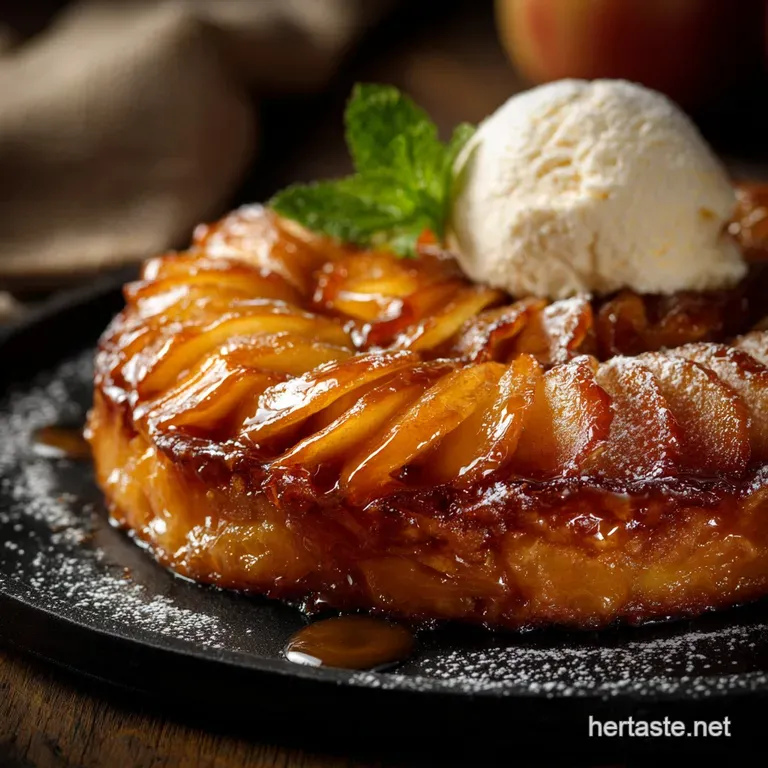
Achieving the Deep, Amber Caramel
First, you combine the sugar and water in your heavy bottomed, oven safe pan. Use a good pan; cast iron is king here because it distributes heat evenly. Turn the heat to medium high and wait patiently. Do nothing but watch. When it starts bubbling, watch the edges that’s where the color starts to develop.
Aim for the color of an old copper penny ; it should look rich and slightly smoky, but not burnt.
Once it hits that amber hue, pull the pan off the heat instantly and drop in the cold butter cubes. Whisk quickly until smooth and glossy. You’ve got maybe three minutes before this sets, so move fast to the next step.
Prepping the Apples and Assembling the Base
Peel, core, and cut those apples into quarters, tossing them with a splash of lemon juice immediately. Now comes the Tetris challenge. Arrange the apples tightly in the hot caramel.
Start around the outside edge and work inward, making sure the curved side of the apple is facing down this will be the pretty presentation side! Remember, apples shrink a lot, so pack them in until they are practically touching.
The Critical Stovetop Caramelization Phase
Once the apples are nestled, place the pan back on a low-medium heat for about five minutes. This warms the apples, allowing them to release a bit of moisture and truly meld with the caramel. You’ll hear a gentle bubbling sound. This step is key for an intense, jammy filling.
Sealing the Tarte and Baking to Golden Perfection
Remove the pan from the heat and gently lay the chilled puff pastry sheet over the apples. Tuck the edges down firmly between the apples and the sides of the pan. This creates a secure "wall" and prevents the caramel from escaping and burning in the oven.
Bake at 400°F (200°C) until the crust is deeply golden, puffed, and looks glorious, about 30– 35 minutes.
The Science of Sweetness: Why This Apple Dessert Works
Preventing a Sticky Situation: Dealing with Hard Caramel
If you wait too long after baking, the caramel will cool and seize, fusing the apples to the pan. This is exactly what happened to me the first time I made this! The key is the thermal resting window: 5 to 10 minutes, no more.
The caramel should still be very warm and slightly runny, but no longer boiling lava.
Why Your Apples Might Be Too Soggy (Moisture Control)
This almost always happens if you used soft apples (like McIntosh) or if you skipped the initial five minutes of stovetop cooking. Cooking the apples slightly on the stovetop helps them release excess moisture before they go into the oven.
Also, make sure your apple pieces are uniform in size so they cook evenly.
The Importance of Resting Before Flipping
You must let the tarte rest for those few minutes! If you flip it immediately, the extremely hot caramel will pour out the sides and make a mess, and the apples are guaranteed to rip apart. Waiting allows the caramel to thicken just enough to hold everything together during the exciting flip.
Extending the Life of Your Apple Dessert Recipes: Storage & Reheating
Optimal Storage for Leftovers (Refrigeration Tips)
Tarte Tatin is always best served warm, shortly after baking. If you have leftovers (what a concept!), cover them loosely with foil and keep them in the fridge. They will last nicely for 3 4 days. The crust might lose some crispness, but the flavor remains wonderful.
Can You Freeze Tarte Tatin? (Before and After Baking)
Yes, but freezing before baking works much better. Prepare the tarte all the way up to the point of covering it with the pastry. Instead of baking, wrap the entire pan tightly in plastic wrap and then foil. Freeze for up to 2 months.
To bake, thaw overnight in the fridge and then follow the baking instructions. Freezing after baking is tricky because the pastry tends to get spongy upon thawing.
Balancing Richness: Pairing with Vanilla Crème Fraîche or Ice Cream
Because Tarte Tatin is so rich it’s pure butter, sugar, and concentrated apple you absolutely need a cool, tart counterpoint. The vanilla crème fraîche is classic, but a high-quality vanilla ice cream is also divine. If you want something even more decadent and rich, try pairing it with a bourbon caramel sauce, similar to the vibe we use for our Caramel Apple Cheesecake Bars: Silky Autumn Squares with Salted Caramel . That salty caramel kick is fantastic with the warmth of the apples.
Recipe FAQs
Which type of apple works best for Tarte Tatin?
The best apples for Tarte Tatin are firm varieties that hold their shape well during the long cooking time, such as Granny Smith, Honeycrisp, or Fuji. Granny Smith is often preferred because its high acidity provides a crucial tart balance against the deep sweetness of the caramel.
Why did my caramel crystallize or become grainy?
Caramelization relies on heat without agitation; crystallization usually happens if sugar residue sticks to the sides of the pan and falls back into the mixture, or if the sugar is stirred too early. Avoid stirring the sugar mixture once it begins to boil; instead, swirl the pan gently to distribute heat evenly.
If crystals form, add a tablespoon of fresh water and boil rapidly to try and re-dissolve them.
My Tarte Tatin stuck to the pan when I tried to flip it. What went wrong?
Sticking is usually caused by not having enough butter in the pan before the caramel, or by waiting too long to flip the tart. You must invert the tart onto the serving platter while it is still quite hot ideally 5 to 10 minutes after removing it from the oven before the caramel hardens completely.
If it is stuck, gently place the pan over a low burner for 30 seconds to re-melt the bottom layer of caramel before attempting the flip again.
How do I prevent the puff pastry from becoming soggy?
A soggy bottom occurs when excess moisture from the apples permeates the pastry. Ensure your puff pastry is very cold when it goes onto the apples and that you prick it slightly with a fork to allow steam to escape while baking.
Allowing the apples to cook down slightly in the caramel before adding the pastry can also help reduce residual liquid release.
Can I use pre-made pie dough instead of puff pastry for this recipe?
While technically possible, traditional pie dough will not yield the authentic airy, flaky texture that defines the Tarte Tatin crust. Puff pastry is essential because it holds up well to the moisture and creates a beautiful, towering lift when inverted.
If you must substitute, a shortcrust pastry (pâte sablée) is a better, though denser, alternative than standard pie dough.
How long can I store leftover Tarte Tatin, and how should I reheat it?
Leftover Tarte Tatin can be stored covered at room temperature for up to 2 days, or refrigerated for up to 4 days. To maintain the crispness of the pastry, reheat individual slices on a baking sheet in an oven preheated to 350°F (175°C) for 8 10 minutes until the caramel softens and the pastry is warm.
Apple Dessert Tarte Tatin Recipe
Ingredients:
Instructions:
Nutrition Facts:
| Calories | 943 kcal |
|---|---|
| Protein | 5.5 g |
| Fat | 53.2 g |
| Carbs | 114.7 g |
